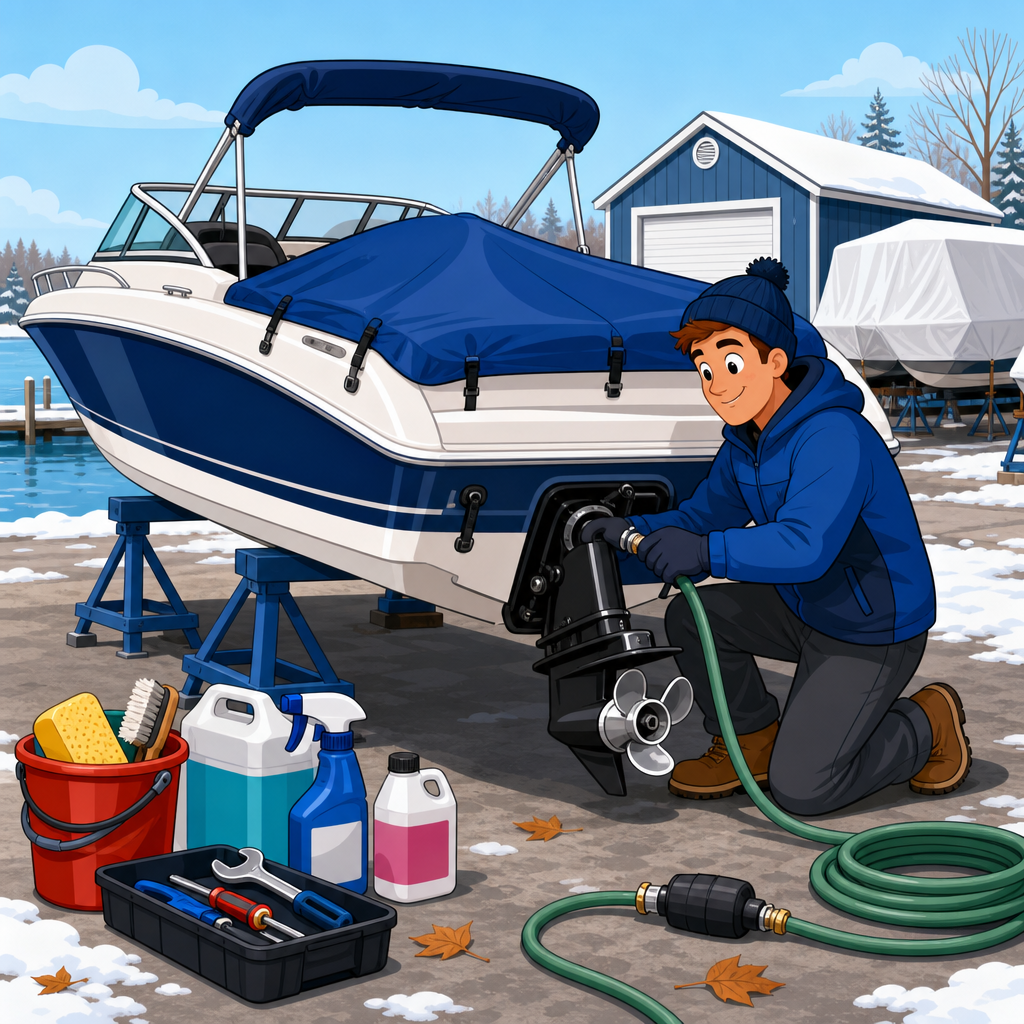
Winterizing your boat is the disciplined process of preparing every vulnerable system for freezing temperatures, moisture, corrosion, storage stress, and months of disuse, and it is the single best way to prevent avoidable spring repairs. In the boating gear and equipment category, maintenance and cleaning supplies deserve their own hub because they directly determine whether engines survive a hard freeze, vinyl stays flexible, fuel remains stable, and mold never gains a foothold. I have winterized center consoles, trailered fishing boats, wake boats, and small cruisers, and the pattern is always the same: owners who treat winter layup as a checklist save money, time, and frustration when launch season returns.
At its core, winterizing means removing water where it can freeze, protecting surfaces from oxidation and biological growth, stabilizing fuel, supporting batteries correctly, and covering the boat so stored moisture can escape. The key terms matter. Non-toxic marine antifreeze, usually propylene glycol based, protects potable water and drain systems; fuel stabilizer slows oxidation and varnish formation in gasoline; fogging oil coats internal engine parts against rust; desiccants and mildew inhibitors control humidity inside enclosed spaces; and marine-safe soaps, brushes, protectants, and corrosion sprays keep materials from degrading during storage. If you skip these supplies or substitute the wrong household products, you increase the risk of cracked blocks, clogged carburetors, dead batteries, stained upholstery, and seized fittings.
This topic matters because winter damage is expensive and often invisible until spring commissioning. A split water pump housing, frozen livewell line, saturated cover, or neglected battery bank can turn a routine launch into a major service invoice. It also matters because the correct process depends on the boat’s systems, storage method, and local climate. A pontoon stored outside in Minnesota needs a different approach than a cuddy cabin kept indoors in South Carolina. Still, the principles are universal: clean thoroughly, dry completely, protect vulnerable materials, and document what you did. As the maintenance and cleaning supplies hub for boating gear and equipment, this guide explains the products, steps, and decisions that prevent damage and create clean handoffs to deeper articles on engine care, hull maintenance, upholstery protection, and spring startup.
Start With Cleaning, Inspection, and the Right Supplies
The best winterization begins with a deep clean because dirt hides damage and trapped organic material feeds mildew. Wash the hull, topsides, deck, compartments, and trailer using a pH-balanced marine boat soap rather than dish detergent, which strips wax and can dry out finishes. I use separate soft-bristle brushes for gelcoat and textured deck surfaces to avoid grinding grit into glossy areas. Clean scuppers, anchor lockers, bilges, and fish boxes thoroughly. Any leaves, scales, bait residue, or spilled drinks left onboard over winter will stain and smell worse by spring.
After washing, inspect every system while the boat is still in active-use condition. Look for cracked hoses, loose hose clamps, worn belts, corroded battery terminals, torn canvas stitching, chalking on gelcoat, and water intrusion around hatches or hardware. Maintenance supplies matter here: corrosion inhibitor spray, dielectric grease, marine sealant, absorbent pads, microfiber towels, vinyl cleaner, mildew stain remover, and a quality wet/dry vacuum all earn their keep. This inspection stage also creates your winter parts list. Ordering impellers, fuel-water separator elements, zincs, drain plug O-rings, and replacement cleaning chemicals before storage prevents last-minute spring shortages.
If your boat has canvas, eisenglass, carpet, snap-in flooring, or removable cushions, clean those items separately and store them dry. Vinyl should be cleaned with a marine vinyl cleaner, not bleach-heavy household formulas that can weaken stitching and topcoats. Clear plastic enclosure panels need a dedicated polish such as Imar or Plexus-compatible products to prevent hazing. Bilges should be degreased, rinsed minimally, and dried fully. A clean bilge makes leaks easier to spot later. By the time you finish this stage, the boat should be clean enough that any new moisture, residue, or odor appearing during storage signals a real issue rather than leftover mess.
Protect the Engine, Fuel System, and Cooling Circuit
Engine winterization is where the highest-cost damage usually occurs. For outboards, sterndrives, and inboards, start by reading the manufacturer procedure from Mercury, Yamaha, Honda, Suzuki, Volvo Penta, or Indmar because drain points, fogging methods, and cooling layouts differ. The fundamentals are straightforward. Change engine oil and filter while contaminants are suspended from recent operation. Replace gear lube in lower units or stern drives and check for milky fluid that indicates water intrusion past seals. Swap the fuel-water separator if your system uses one, and inspect the old element for rust, water, or debris that hints at tank contamination.
Gasoline should be treated with a marine fuel stabilizer before final run time so the additive reaches injectors, rails, carburetor passages, and tanks. Ethanol-blended fuel absorbs moisture and can oxidize within months, so stabilization is not optional for seasonal storage. For carbureted engines, many technicians also run the fuel system long enough to ensure treated fuel fully replaces untreated fuel in bowls and lines. Some owners top tanks near full to reduce condensation space; others leave expansion room according to manufacturer guidance. The right answer depends on tank material, venting, expected storage temperature swings, and whether the boat is hauled or rack stored, so the manual should control.
Cooling protection depends on engine type. Raw-water-cooled sterndrives and inboards are especially vulnerable because any trapped water can freeze and crack manifolds, coolers, pumps, or the block. Draining alone may be sufficient on some systems if done exactly as specified, but many owners and yards add marine antifreeze as a visible confirmation that protected fluid has displaced water. Never use automotive ethylene glycol in potable or discharge-prone systems. Outboards generally need to be stored fully trimmed down so water drains from the lower unit and exhaust housing. Fogging oil may be used on applicable engines to protect cylinders, though newer direct-injected models sometimes require different procedures. When in doubt, follow the engine maker’s bulletin, because the wrong fogging routine can create more problems than it solves.
| System | Winterizing supply | What it prevents | Practical note |
|---|---|---|---|
| Fuel tank and lines | Marine fuel stabilizer | Oxidation, varnish, hard starting | Add before final run so treated fuel reaches the full system |
| Engine internals | Fogging oil | Surface rust on cylinders and rings | Use only if approved for your engine design |
| Raw-water circuit | Propylene glycol marine antifreeze | Freeze cracking in pumps, manifolds, coolers | Verify correct burst protection rating for your climate |
| Lower unit or drive | Fresh gear lube | Corrosion, unnoticed seal leaks | Milky old lube signals water intrusion that needs repair |
| Battery terminals | Dielectric grease and terminal protectant | Corrosion and poor spring electrical contact | Clean first, then coat lightly |
Winterize Plumbing, Heads, Livewells, and Water Systems
Any line, pump, filter housing, washdown fitting, sink trap, livewell manifold, or transom shower that holds water can split in freezing weather. Start by draining freshwater tanks completely and opening faucets, shower heads, and low-point drains. Then bypass or drain the water heater if installed; many cracked heaters come from owners who forgot a six-gallon tank hidden under a berth. Pump non-toxic marine antifreeze through the freshwater system until colored fluid appears at every outlet, including cockpit showers, washdown spigots, galley faucets, and head sinks.
Marine sanitation systems need equal attention. Pump out the holding tank, rinse if practical, and run approved antifreeze through toilet intakes, discharge lines, macerators, and sump boxes according to the head manufacturer’s instructions. Livewell pumps, baitwell sprayers, and washdown pumps are common failure points on fishing boats because they sit low, trap water, and are easy to forget. I disconnect hoses where accessible, let systems drain, then circulate antifreeze until I see color at every outlet. The same applies to air-conditioner seawater circuits and generator cooling systems on larger boats.
This is also where cleaning supplies overlap with mechanical protection. Sanitation hose odor often worsens during winter storage, so cleaning and deodorizing treatment before layup makes spring recommissioning more pleasant. Use marine enzyme-based tank treatments where appropriate, not harsh chemicals that can damage seals. Remove and dry portable coolers, bait buckets, and PFD storage bins. If a compartment can hold standing water, sponge it dry, vacuum debris, and leave it propped open for airflow unless security or manufacturer guidance says otherwise.
Care for Batteries, Electrical Connections, and Electronics
Batteries fail in winter storage more often from neglect than from cold alone. Lead-acid batteries self-discharge, and if they sit discharged, sulfation hardens on the plates and permanently reduces capacity. Start by checking electrolyte levels in serviceable flooded batteries, cleaning terminals, and confirming hold-downs are secure. Then either remove batteries to a cool, dry, non-freezing location or leave them onboard connected to a quality smart charger designed for maintenance mode. Brands such as NOCO, Minn Kota, ProMariner, and Victron make chargers that maintain voltage without overcharging, which is crucial for AGM and lithium systems.
Before storage, shut off main battery switches if the charger setup and bilge requirements allow it. Trace parasitic loads from stereos, memories, alarms, and aftermarket accessories. I have measured “mystery” draws that killed fully charged banks over two months because a USB socket or amplifier remote lead remained live. Corrosion control is equally important. Spray exposed terminals, bus bars, and engine harness plugs with a marine corrosion inhibitor such as CRC Heavy Duty Corrosion Inhibitor or Boeshield T-9 where appropriate, and apply dielectric grease to connections that benefit from moisture exclusion.
Electronics should be updated, backed up, and protected. Remove portable chartplotters, fish finders, handheld VHF radios, action cameras, and tablets if the boat will see freezing conditions or theft risk. Fixed multifunction displays can stay onboard if covered and kept dry, but wipe screens clean, protect connector caps, and make sure console seals are intact. If your boat is stored outside, inspect cable pass-throughs and antenna bases carefully. A tiny leak around a radar cable gland can create months of hidden moisture behind a dash panel.
Prevent Mold, Corrosion, UV Damage, and Cover Problems
Most spring cleanup headaches come from moisture management, not engines. Mold, mildew, rust blooms, frozen latches, waterlogged covers, and stained upholstery develop when owners seal up a damp boat. The fix is methodical drying and ventilation. After cleaning, let compartments, lockers, bilges, and cabin spaces dry fully. Then place moisture absorbers or desiccant products in enclosed areas, especially cabins, heads, under-berth storage, and console compartments. Desiccants help, but they do not replace airflow. If your cover design allows safe ventilation, use vent poles or integrated vents to reduce condensation.
Surface protection matters too. Apply a marine wax or polymer sealant to gelcoat before storage to reduce oxidation and make spring washing easier. Use UV protectant on vinyl, rubber seals, and plastic trim, but avoid greasy dressings that attract dirt. Lubricate hinges, latches, steering pivots, throttle linkages, and trailer couplers with marine-appropriate lubricants. Stainless steel can still tea-stain in salty, damp environments, so rinse hardware well and protect vulnerable fittings. On trailers, rinse brakes thoroughly, inspect bearings, grease suspension and winch points where specified, and check tire pressure before the boat sits for months.
Boat covers deserve more attention than they get. A poor cover can cause more damage than no cover at all if it traps water, sags under snow, or chafes gelcoat in the wind. Use a fitted, breathable cover with reinforced contact points, or shrink wrap with proper venting installed by a competent provider. Support the cover so water and snow shed cleanly. Add chafe guards at windshield corners, rod holders, and cleats. If you store outside near trees, remove leaves periodically; wet organic debris blocks drainage and stains fabric and decks fast.
Create a Storage Plan and a Spring-Ready Checklist
The final step in how to winterize your boat and prevent damage is administrative, and it is one of the most valuable. Make a written storage plan that lists every task completed, every fluid changed, every drain opened, and every battery disconnected or placed on charge. Photograph engine hours, fuel level, lower-unit condition, and any existing cosmetic damage. Label keys, drain plugs, canvas hardware, and removed electronics. This simple documentation prevents forgotten steps in spring and helps if you use a yard, a shared storage facility, or insurance after a storm loss.
Match the plan to the storage environment. Indoor heated storage reduces freeze risk but does not eliminate fuel aging, battery issues, or mildew from trapped moisture. Outdoor rack storage changes access, so finish cleaning and fluid service before haul-out day. Trailered storage at home gives you control, but check local rules on runoff, cover height, and snow-load safety. If your area sees severe cold, assume exposed fittings, pumps, and hoses need extra verification. If it stays mild, focus harder on ventilation, UV exposure, and pests. Rodents will chew flotation foam, wiring insulation, and life jackets if they find nesting material onboard.
When spring returns, a good winterizing process pays off immediately. The engine starts on stabilized fuel, batteries hold charge, compartments smell clean, and no one discovers split hoses or moldy cushions the night before launch. That is the core benefit of using the right maintenance and cleaning supplies as part of a complete layup routine: you protect the boat’s mechanical systems and preserve the ownership experience. Use this hub as your starting point, then build your own repeatable checklist for engines, hull care, upholstery, trailer maintenance, and spring commissioning. A few focused hours in fall can save thousands in repairs and get you back on the water faster.
Frequently Asked Questions
What does it actually mean to winterize a boat, and why is it so important?
Winterizing a boat means systematically preparing every system that can be damaged by freezing temperatures, moisture, corrosion, inactivity, and long-term storage. It is not just a quick cleanup or a fuel treatment at the end of the season. Proper winterization typically includes stabilizing the fuel, protecting the engine and cooling system, changing contaminated fluids, fogging internal engine components when appropriate, draining or protecting water systems, removing batteries or maintaining them correctly, cleaning interior and exterior surfaces, and setting the boat up for safe storage under a proper cover. Each of these steps addresses a specific risk that develops when a boat sits unused for months.
The reason winterization matters so much is simple: water expands when it freezes, and boats contain many places where water can hide. Engine blocks, manifolds, livewells, bilge areas, pumps, hoses, and freshwater systems can all crack or split if they are not emptied or protected. Beyond freeze damage, winter storage also creates ideal conditions for stale fuel, internal corrosion, mold growth, dead batteries, seized pumps, and damaged upholstery. Many expensive spring repairs are not caused by age alone; they are caused by skipped offseason maintenance. A disciplined winterizing routine is one of the most cost-effective things a boat owner can do to protect the engine, extend the life of materials, and ensure the boat is ready to launch when warm weather returns.
What are the most important systems to winterize to prevent costly damage?
The most important systems are the engine, fuel system, cooling system, batteries, plumbing or freshwater systems, bilge and drainage areas, and all interior and exterior surfaces that can trap moisture. The engine is usually the top priority because freeze damage inside an engine block or exhaust manifold can be catastrophic and expensive. Depending on the type of engine, winterization may involve draining raw water, circulating non-toxic marine antifreeze through the cooling passages, changing engine oil and gear lube, fogging the engine, and checking belts, hoses, and clamps. For outboards, stern drives, and inboards, the exact procedure differs, but the goal is always the same: remove water, reduce corrosion, and protect internal components during storage.
The fuel system is another major concern because fuel breaks down over time. Untreated fuel can oxidize, form varnish, attract moisture, and create starting or performance problems in spring. Adding a marine fuel stabilizer and running it through the system helps preserve fuel quality and protect injectors, carburetors, and fuel lines. Batteries also need attention because long periods of sitting in the cold can leave them discharged, sulfated, or permanently weakened. Proper storage on a smart maintainer, after cleaning the terminals and checking the charge, helps preserve battery health. If the boat has sinks, washdown pumps, heads, livewells, or freshwater tanks, those systems must be drained and protected with marine antifreeze where appropriate. Finally, cleaning the hull, vinyl, compartments, and bilge before storage prevents mold, stains, odors, and hidden moisture damage that can spread over the winter months.
Do I need marine antifreeze, or is draining the water enough?
That depends on the specific system and the manufacturer’s recommendations, but in many cases marine antifreeze is the safest choice because draining alone does not always remove every pocket of trapped water. Low spots in hoses, pumps, elbows, heat exchangers, raw-water strainers, and plumbing lines can retain enough water to freeze and crack a component. Even a small amount left behind in the wrong place can cause major damage. Using the correct non-toxic marine antifreeze helps protect vulnerable passages and gives you a margin of safety, especially in climates with prolonged hard freezes.
It is important to use antifreeze designed for marine winterization, not automotive antifreeze in systems where it does not belong. Marine antifreeze is formulated for boat water systems and is commonly used to protect engines, freshwater plumbing, and sanitation systems as directed by the equipment manufacturer. Draining is still part of the process, but many owners make the mistake of treating draining as the entire job. A better approach is to fully drain what should be drained, then circulate or introduce marine antifreeze into the systems that require freeze protection. If you are unsure about your engine or plumbing layout, consult the owner’s manual or a marine technician, because the correct procedure varies by engine type and onboard equipment.
What cleaning and maintenance supplies are most useful when winterizing a boat?
The most useful supplies are the ones that protect surfaces, prevent corrosion, preserve fuel and fluids, and stop moisture from becoming a bigger problem during storage. At a minimum, most boat owners benefit from a marine fuel stabilizer, engine oil and filter, gear lube, fogging oil if recommended for the engine, non-toxic marine antifreeze, corrosion inhibitor, marine-safe soap, vinyl cleaner and protectant, mildew prevention products, moisture absorbers, battery terminal protectant, and a quality cover or shrink-wrap solution. These are not just convenience items; they directly affect whether the boat comes out of storage clean, dry, corrosion-free, and mechanically sound.
Cleaning supplies matter more than many owners realize. Dirt, salt residue, fish debris, spilled drinks, sunscreen, and organic material can trap moisture and feed mold over the winter. A thorough washdown, interior wipe-down, carpet or deck cleaning, compartment cleaning, and bilge cleaning help eliminate the conditions that lead to odors and mildew. Vinyl protectants help keep seats from drying out and cracking, while metal protectants reduce the risk of corrosion on exposed hardware and electrical connections. Moisture control products can be especially helpful inside enclosed cabins or covered boats, where trapped humidity can cause damage even when the boat appears sealed up. Choosing marine-specific products is generally best because they are designed for fiberglass, gelcoat, vinyl, and marine metals rather than household materials that may be too harsh or ineffective.
Can I winterize my boat myself, or should I hire a professional?
Many boat owners can winterize their own boats successfully, especially if they are comfortable following manufacturer instructions and understand the systems on board. Basic winterization tasks such as cleaning, fuel stabilization, battery maintenance, draining simple water systems, and preparing the interior for storage are often very manageable for a careful do-it-yourself owner. If you have a straightforward outboard setup and a clear service manual, self-winterizing can save money and help you become more familiar with your boat. The key is being methodical. Missing one drain point, skipping one hose, or using the wrong product can undo the value of all the other work.
Hiring a professional is often the better choice if your boat has an inboard or stern drive engine, a complex cooling system, a generator, air conditioning, multiple freshwater or sanitation systems, or if you are not fully confident in the correct procedure. A professional marine technician can also identify wear items, leaks, soft hoses, corrosion, or fluid contamination before they become larger problems. For many owners, the best approach is a hybrid one: handle cleaning, gear removal, battery prep, and storage setup yourself, but have a technician perform the engine and systems winterization. Whether you do it yourself or pay for service, the most important thing is that the work is complete, documented, and done before freezing weather arrives. Thorough winterization is far less expensive than replacing cracked engine parts, mold-damaged interiors, or neglected fuel and electrical components in the spring.