
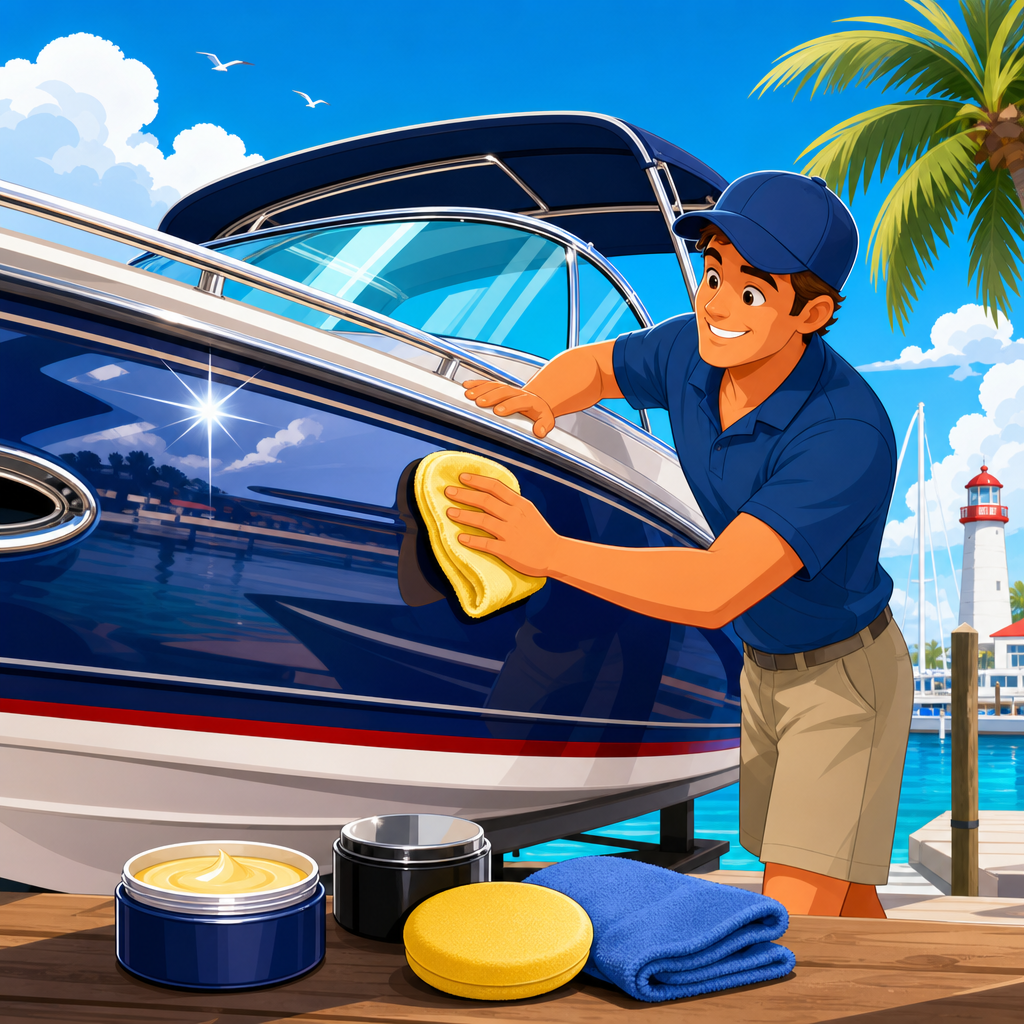
A durable boat shine starts long before the buffer touches gelcoat, because the best wax and polish for a long-lasting boat shine only perform well when they match the boat’s surface, age, and exposure. In boating, “polish” usually means an abrasive or chemical product that removes oxidation, stains, and fine defects, while “wax” means the protective layer applied after correction to add gloss and shield the finish from sun, salt, and water. Some modern products combine both functions, but they rarely equal a dedicated two-step process on weathered hulls. This topic matters because marine finishes fail expensively. Ultraviolet radiation degrades gelcoat, salt accelerates surface dulling, hard water leaves mineral spotting, and neglected oxidation can turn a simple detailing job into a restoration project involving compound, sanding, or repainting. I have worked on trailered fishing boats, center consoles kept in slips, and older cruisers with chalky topsides, and the pattern is consistent: owners who understand maintenance and cleaning supplies keep shine longer, spend less annually, and preserve resale value. As the hub page for maintenance and cleaning supplies, this guide explains how to choose wax and polish, how to prep surfaces correctly, which tools actually help, and where cleaners, compounds, microfiber towels, wash soaps, and protective coatings fit into the overall care system.
What boat wax and polish actually do
Boat polish restores clarity by leveling microscopic surface defects and removing oxidation that scatters light. On gelcoat, this matters more than on automotive clear coat because gelcoat is thicker, more porous, and more prone to chalking after years in direct sun. A cleaner wax can brighten lightly faded surfaces in one pass, but on older boats it often leaves oxidation behind, which shortens durability because protection is sitting on unstable material. Boat wax then seals the corrected finish. Traditional carnauba blends deliver warmth and respectable water beading, while synthetic polymer sealants usually last longer under marine exposure. In practical terms, polish creates gloss; wax preserves it.
The best products also depend on where the shine is needed. Hull sides, topsides, and smooth fiberglass hardtops respond well to marine polish and wax. Non-skid decks need dedicated cleaners instead, because wax creates slip risk. Clear vinyl, eisenglass, matte wraps, teak, and painted aluminum require their own products. One reason boat owners get inconsistent results is applying a “universal” product everywhere. The right maintenance and cleaning supplies are surface specific, and that is a strength, not a complication.
How to choose the best wax and polish for your boat
Start by identifying the surface condition. If the gelcoat still reflects clearly and only feels rough or looks slightly tired, a finishing polish followed by a marine wax or sealant is usually enough. If you can rub the surface with a dark cloth and pick up white or colored chalk, oxidation is active and you need a compound or oxidation remover before polish. Severely neglected hulls may require wool pads, rotary correction, and stepped abrasives, but many recreational boats can be revived with a dual-action polisher, a medium-cut compound, and a finishing polish.
Climate and storage matter just as much as appearance. Boats in Florida, the Gulf Coast, Arizona lakes, or any marina with year-round UV exposure benefit from synthetic sealants such as Collinite 885 Fleetwax, Collinite 925, Meguiar’s Flagship Premium Marine Wax, or 3M Marine Ultra Performance Paste Wax. Boats stored indoors or under a quality cover can prioritize gloss and ease of application. If you run offshore or keep the boat in a slip, salt resistance and detergent resistance matter more than peak shine on day one. For freshwater trailered boats, application speed may matter most.
Brand selection should be driven by task. Meguiar’s Marine/RV line is widely trusted because the product ladder is easy to follow, from oxidation remover to polish to wax. 3M excels when heavier correction is needed, especially with its compounds and machine-friendly formulations. Collinite remains a benchmark for longevity. Star brite is popular for accessible oxidation removers and cleaner waxes. Klasse and Jescar synthetic systems, though not marine exclusive, are respected by detailers for durable protection on smooth fiberglass. The key is matching abrasiveness and durability to the boat, not chasing one miracle bottle.
Recommended product types by condition
In my experience, the strongest maintenance plans are simple enough to repeat every season. The table below shows how I typically match maintenance and cleaning supplies to common boat-finish conditions.
| Boat surface condition | Best product type | Typical example | Main benefit |
|---|---|---|---|
| Glossy, well-kept gelcoat | Finishing polish plus synthetic wax | Meguiar’s M45 Polish + Collinite 885 | Maximum gloss with strong durability |
| Light oxidation or haze | Cleaner polish or light oxidation remover plus wax | Star brite Premium Cleaner Wax | Faster refresh for seasonal maintenance |
| Moderate oxidation | Medium compound, finishing polish, then sealant | 3M Marine Compound + Meguiar’s Flagship | Restores clarity before protecting |
| Heavy chalking | Heavy-cut compound, multiple pads, follow-up polish and wax | 3M Heavy Oxidation Remover system | Best chance of recovering neglected gelcoat |
| Painted surfaces | Paint-safe polish and non-abrasive sealant | Jescar Power Lock style sealant | Protection without unnecessary cut |
A cleaner wax deserves special mention. It is often the best wax and polish for a long-lasting boat shine only when the finish is already in decent shape and the owner values speed. On a lightly oxidized runabout before peak season, a cleaner wax can produce a very acceptable result in an afternoon. On a ten-year-old center console with visible fading on the console and hull sides, it is a shortcut that usually disappoints. The shine may look good for a few weeks, but oxidation left under the protective layer returns quickly.
Surface preparation and washing supplies that determine results
No wax outperforms poor prep. Before any correction or protection, wash with a pH-balanced marine soap that removes salt and grime without stripping everything aggressively. Better options include Meguiar’s Marine/RV Boat Wash, Star brite Boat Wash, and boat-specific soaps with chelating agents for mineral contamination. Household dish soap is a bad habit because repeated use can dry trim, reduce existing protection, and leave surfaces squeaky but unconditioned. For scum lines and tannin stains, use dedicated hull cleaners sparingly, especially acid-based formulas, and rinse thoroughly.
Decontamination is the overlooked step that separates average from excellent. Waterline stains, embedded rust flecks from trailers, tree fallout, diesel soot, and old fender marks interfere with polishing. On smooth fiberglass, clay alternatives or synthetic decon mitts can help, but always confirm they are suitable for gelcoat. Around fittings, use soft detailing brushes rather than aggressive scrub pads. This is where a complete maintenance and cleaning supplies kit matters: quality wash mitts, separate deck brushes, microfiber drying towels, buckets, and marine-safe stain removers all contribute to a finish that accepts polish evenly.
Application methods, tools, and common mistakes
Hand application works for small areas, but machines deliver more uniform correction and less fatigue. For most owners, a dual-action polisher from brands such as Porter-Cable, Griot’s Garage, or Rupes is the safest upgrade. Foam cutting pads handle mild to moderate defects, microfiber pads increase cut, and wool pads remain useful for severe oxidation in experienced hands. Keep pad faces clean, work in small sections, and watch product temperature in direct sun. On vertical hull sides, use less product than you think. Excess wax wastes time and can streak.
Common mistakes are predictable. Applying wax in full heat causes difficult removal and inconsistent curing. Using one pad for compound, polish, and wax contaminates each step. Skipping tape around textured plastics and rubber trim creates white residue that is hard to remove. Another major error is assuming more aggressive is better. Every abrasive step removes some material, so start with the least aggressive combination that achieves the result. On older gelcoat, preserving thickness matters. If oxidation is deeply embedded, two measured passes with a medium system are often safer than one harsh pass that leaves swirls and uneven gloss.
Maintenance after waxing is equally important. Rinse salt after each trip, especially around the bow, transom, and hardware bases where evaporation concentrates minerals. Use spray detailers or ceramic maintenance sprays only if they are compatible with your base protection. Cover the boat when possible, ventilate enclosed storage to reduce mildew, and address bird droppings quickly because they can etch if baked in place. Long-lasting shine is not a single product outcome; it is the result of a repeatable care cycle.
Where other maintenance and cleaning supplies fit in the hub
This page is the hub for maintenance and cleaning supplies because wax and polish are only one part of proper boat care. Wash soaps handle routine dirt removal. Compounds and oxidation removers correct damage that wax cannot hide. Microfiber towels, drying towels, wash mitts, and pad-cleaning tools affect both speed and finish quality. Non-skid deck cleaners prevent slippery residues where protection products do not belong. Vinyl cleaners and protectants preserve seating without causing premature cracking. Glass and eisenglass cleaners protect visibility and avoid scratching soft clear materials. Metal polishes for stainless rails and aluminum towers solve a different oxidation problem entirely, and teak cleaners or oils belong on wood, not fiberglass.
Hull stain removers, mildew treatments, bilge cleaners, and water spot removers also deserve a place in the system. A spotless, protected hull can still look neglected if black streaks run below hardware or mildew dots spread around caulking. The best-maintained boats follow a sequence: wash, decontaminate, correct, protect, and maintain. When owners build their supply shelf around that sequence instead of buying random bottles, upkeep becomes easier and results become predictable. If you are planning internal content around this subtopic, the strongest supporting articles are boat soaps, oxidation removal, non-skid cleaners, vinyl care, marine microfiber and brushes, and ceramic coatings versus traditional wax.
Wax versus ceramic protection: what lasts longer on boats
Ceramic sprays and true marine coatings are now common, and they can outlast traditional wax, especially on frequently washed boats. A professionally applied coating may provide a year or more of easier cleaning, stronger chemical resistance, and tighter water behavior than paste wax. Still, coatings are not magic. They demand cleaner prep, can highlight missed defects, and cost more in both product and labor. Many recreational owners are better served by polishing once and applying a durable marine wax twice per year. That strategy is affordable, forgiving, and proven.
If your priority is the best wax and polish for a long-lasting boat shine, the practical answer is usually this: correct the surface fully, then protect it with a durable marine wax or sealant that you will realistically reapply on schedule. Product longevity on paper means little if the application process is so demanding that it gets skipped. Consistency beats aspiration.
The best wax and polish for a long-lasting boat shine are not single universal products but the right combination of correction and protection for your boat’s actual condition. Polish removes oxidation and restores clarity. Wax or sealant locks in gloss and slows future damage from UV, salt, and water exposure. For well-kept gelcoat, a finishing polish and durable synthetic wax often give the best balance of shine and lifespan. For faded or chalky surfaces, compound first, then polish, then protect. Just as important, support those steps with the right maintenance and cleaning supplies: marine soap, stain removers, microfiber towels, proper pads, deck cleaners, vinyl care products, and tools that fit the job.
Owners who approach boat detailing as a system get better results than those chasing one miracle bottle. Start with an honest assessment of your finish, choose products by surface and severity, and maintain the shine with regular washing and seasonal reapplication. Build out the rest of your maintenance and cleaning supplies from this hub, and your boat will stay brighter, clean faster, and hold value longer. The next step is simple: inspect your gelcoat today, identify whether it needs wash, polish, or compound, and assemble a maintenance kit that you can actually use every season.
Frequently Asked Questions
What is the difference between boat polish and boat wax, and do I need both?
Yes, in most cases you need both, because they do two different jobs. Boat polish is the correction step. It is designed to remove oxidation, chalkiness, light staining, water spots, and minor surface defects that make gelcoat or painted surfaces look dull. Depending on the formula, a polish may use abrasives, chemical cleaners, or both to restore clarity and smoothness. Boat wax, on the other hand, is the protection step. It goes on after polishing to seal the surface, deepen gloss, improve water beading, and help protect against UV exposure, salt spray, airborne contaminants, and general weathering.
This matters because wax alone cannot fix neglected gelcoat. If the surface is oxidized, faded, or rough, applying wax over it may add a little shine temporarily, but it will not restore the finish properly or last very long. The wax will simply sit on top of a compromised surface. A polish prepares the boat so the protective product can bond better and perform the way it should. That is why the best wax and polish for a long-lasting boat shine are usually selected as a system, not as isolated products.
There are also one-step products that combine polishing and protection in a single bottle. These can be useful for boats in decent condition that need a quick refresh rather than serious correction. However, for maximum durability and gloss, a separate polish-then-wax approach usually delivers better results. If your boat lives in strong sun, saltwater, or year-round outdoor storage, using the right polish first and then a durable wax or sealant afterward is generally the most effective path to a shine that truly lasts.
How do I choose the best wax and polish for my boat’s gelcoat or painted surface?
The best way to choose is to start with the condition of the surface, not the label alone. If your boat has heavy oxidation, a cleaner wax will not be enough. You will likely need a more aggressive marine polish or compound first, followed by a finer polish if necessary, and then a wax or sealant for protection. If the gelcoat is already in good shape and only needs a gloss boost, a mild finishing polish or a non-abrasive pre-wax cleaner may be all you need before applying protection. For newer boats or surfaces that are regularly maintained, a high-quality marine wax or synthetic sealant may be the main product that matters most.
Surface type matters too. Gelcoat is more porous and generally thicker than automotive paint, so marine-specific products are usually the safer and more effective choice. Painted boats may require a gentler approach, especially if the finish is a two-part polyurethane or another specialized coating. In those cases, always confirm product compatibility with the finish manufacturer’s guidance. The wrong level of abrasiveness can remove more material than necessary or reduce gloss instead of improving it.
Exposure should also guide your decision. Boats kept in intense sun, coastal salt air, or water year-round need stronger, longer-lasting protection than trailered boats stored under cover. In harsher conditions, durable synthetic waxes, polymer sealants, or ceramic-infused marine protectants often outlast traditional carnauba-heavy formulas. That said, many boat owners still prefer a quality marine wax for the warm, rich shine it produces. The ideal choice often balances appearance, durability, ease of application, and how often you are willing to maintain the finish. A well-matched product for your boat’s age, material, and environment will always outperform a popular product that is wrong for the actual job.
How often should I polish and wax a boat to maintain a long-lasting shine?
There is no single schedule that fits every boat, because frequency depends heavily on climate, usage, storage, and the current condition of the finish. In general, waxing two to four times per year is a solid baseline for many boats, while polishing should be done only as needed to correct oxidation or restore gloss. That distinction is important. Wax is a sacrificial protective layer and naturally wears away over time. Polish removes defects, which also means it removes a small amount of surface material or contamination, so it should not be overused unnecessarily.
For boats stored outside in full sun or used regularly in saltwater, protection may need to be renewed more often, sometimes every two to three months during peak season. UV radiation, salt residue, and repeated washing can shorten the life of the protective layer. Boats stored indoors, covered, or used less frequently may hold protection much longer. A simple way to judge is by watching how the surface behaves. If water stops beading well, the gloss fades quickly after washing, or the finish feels less slick, it is often time for another coat of protection.
Polishing frequency should be based on visible need rather than a fixed calendar. If the gelcoat looks bright and smooth after washing, adding more abrasive correction may not be necessary. If you see oxidation, stubborn stains, dullness, or uneven reflection, a polish can help restore the surface before rewaxing. Many owners find that a full correction once or twice a year, paired with regular maintenance waxing and proper washing, keeps the boat looking sharp without overworking the finish. The longest-lasting shine usually comes from consistent upkeep rather than waiting until the surface is badly weathered.
Are cleaner waxes or all-in-one products good enough for long-term protection?
They can be good enough in the right situation, but they are usually a compromise rather than the best possible solution for long-term results. Cleaner waxes and all-in-one products are designed to save time by combining light cleaning, mild polishing, and protection in one step. For boats with light oxidation, mild staining, or only minor loss of gloss, they can be very effective. They are especially practical for seasonal touch-ups, mid-season maintenance, or owners who want respectable results without doing a full multi-step detail.
Where they fall short is on heavily weathered surfaces or when maximum durability is the goal. Because one product is trying to do several jobs at once, it typically cannot correct as thoroughly as a dedicated polish or protect as long as a standalone marine wax or sealant. On a neglected hull or deck, an all-in-one may improve the appearance quickly, but it may not fully remove oxidation or create the deep, lasting gloss that comes from proper surface correction followed by a separate protective layer.
That does not mean these products are poor choices. In fact, they can be excellent for boats that are already in fairly good condition and are maintained regularly. Used on a schedule, they may prevent the finish from degrading to the point where major correction is needed. The key is to be realistic about expectations. If you want the fastest acceptable result, a quality cleaner wax can be a smart pick. If you want the most durable shine and the best defense against sun, salt, and water, a dedicated polish followed by a dedicated wax or sealant is usually the more reliable approach.
What application tips help boat wax and polish last longer and look better?
The biggest factor is preparation. Before you polish or wax anything, wash the boat thoroughly to remove salt, dirt, sunscreen residue, exhaust film, and other contaminants. If the surface still feels rough after washing, a decontamination step may help, depending on the finish and the products you use. Applying wax over contamination reduces bonding, weakens durability, and can lock grime into the finish. It is also important to work in the shade on a cool surface whenever possible, because heat and direct sunlight can make products flash too quickly and become harder to apply or remove evenly.
Use the least aggressive polish that will do the job. This is a core detailing principle and especially relevant for gelcoat. Start with a test spot to see how the product performs before committing to the whole boat. If you are polishing by machine, match the pad to the product and defect level. A more aggressive pad can increase cut, while a softer finishing pad improves gloss. Once correction is complete, remove polishing residue fully before applying protection. Leftover oils or dust can interfere with how well the wax or sealant adheres.
For wax or sealant application, thinner is usually better. Many people assume a thick coat provides more protection, but in practice, thin and even coverage tends to cure more uniformly, wipes off more cleanly, and wastes less product. Follow the manufacturer’s instructions on cure time and whether layering is recommended. In some cases, a second coat after proper curing can improve uniformity and coverage. Afterward, maintenance matters just as much as the initial application. Wash with a pH-appropriate marine soap, avoid harsh detergents that strip protection, and remove salt promptly after use. If possible, cover the boat or store it out of direct sun when not in use. Proper prep, careful application, and smart maintenance are what turn a good product into a long-lasting boat shine.