Understanding how to handle strong currents and tidal streams is essential for anyone involved in maritime activities, whether you’re a seasoned sailor, a recreational boater, or someone interested in coastal operations. Strong currents and tidal streams are powerful natural forces that can significantly impact navigation and safety on the water. They are often invisible, yet their effects can be felt instantly, making them sometimes perilous for those unprepared or unaware of their presence. These water movements occur due to the gravitational pull of the moon and sun on Earth’s water bodies, as well as due to geographical and environmental conditions. Knowing how to interpret these forces and maneuver your vessel accordingly is crucial in ensuring safety and avoiding potentially dangerous situations. Recognizing changes in currents and tidal streams and employing appropriate strategies to manage them will not only enhance your competence on the water but also ensure that you maintain control of the vessel in dynamic conditions. This guide will delve into various aspects of these powerful natural phenomena, offering practical advice and strategies for navigating in strong currents and tidal streams.
Whether you’re venturing out on an ocean expedition, crossing challenging river passages, or enjoying leisurely coastal sailing, understanding the mechanics of currents and tides is an essential skill that needs mastering. Failing to consider their strength and direction can lead to navigation errors, unexpected delays, and even hazardous situations. Effectively planning for these conditions requires more than just basic knowledge; it necessitates a detailed comprehension of how tides are predicted, how current patterns are formed, and how mariners can adjust their navigational plans accordingly. In this guide, we will explore how to accurately predict and manage these forces, what tools and technologies can assist in this process, and how anticipating the effects of such powerful streams can lead to a safe and successful journey on the water. By following the advice outlined here and staying informed, you can enhance your maritime skills, ensure your safety, and make every voyage a successful adventure.
Understanding Currents and Tidal Streams
Currents and tidal streams are the lifeblood of Earth’s aquatic systems, dictating the movement of water and influencing the surrounding environment. Currents refer to the continuous flow of water in a particular direction in the ocean or other large bodies of water. These movements are typically driven by factors such as wind, salinity, water temperature, and the Earth’s rotation, known as the Coriolis effect. Ocean currents can span vast stretches, like the Gulf Stream, which transports warm water from the Gulf of Mexico across the Atlantic Ocean, influencing climates in Northern Europe. Understanding these currents is crucial, as they can affect marine navigation, weather patterns, and even the life cycles of marine organisms.
Tidal streams, distinct from general oceanic currents, are primarily driven by the gravitational forces between the Earth, moon, and sun. They represent the horizontal movement of water associated with the rise and fall of tides. As tides ebb and flow, they create powerful water movements in coastal regions, estuaries, and inland waterways. These streams can vary considerably in their speed and direction, often reversing entirely during tidal shifts. Hence, the ability to predict these changes is a vital skill for anyone navigating in these waters. Understanding the timing and magnitude of tidal streams is essential for planning any operation, whether it’s docking a vessel, navigating a narrow channel, or conducting underwater operations like diving or fishing.
Tools and Technologies for Navigation
Navigating through strong currents and tidal streams effectively often relies on accurate information and the use of several tools and technologies. Nautical charts are indispensable in this regard, providing valuable data on coastal features, depths, and tidal information crucial for route planning. These charts include tidal diamonds, which offer data about tidal streams at specific times, helping sailors make informed decisions. Equally important is the use of tide tables and forecasting software. These tools, available both in paper form and online, provide detailed predictions about the timing and height of tides, enabling navigators to schedule operations within safe time frames. Coupled with real-time data acquisition systems, like the Automatic Identification System (AIS), mariners can gain essential insights into vessel positions and movement patterns.
Advancements in GPS technology have revolutionized maritime navigation, allowing for precise positioning even amidst strong currents. GPS units equipped with built-in tide prediction capabilities can offer navigators real-time data about area currents and tides, helping them maintain their course and compensate for drift caused by these forces. In addition, radar and sonar systems play crucial roles in detecting nearby vessels and underwater obstacles, which are particularly important in high-traffic maritime areas. By integrating these technologies, sailors can enhance situational awareness and navigate more safely and efficiently through challenging waters.
Strategies for Handling Strong Currents
When dealing with strong currents, it is crucial to develop effective strategies that help maintain the control and safety of your vessel. One fundamental aspect is understanding how to counter set and drift—the horizontal movement and displacement of a ship due to currents and tides. By calculating your drift angle and adapting your course accordingly, you can compensate for these forces and maintain your intended path. This often involves ‘crabbing,’ or steering slightly into the current’s direction to counteract its effect on your trajectory. Speed adjustments are another vital strategy. Increasing speed can help you overcome the force of a current, while decreasing speed may be necessary when maneuvering in tight areas or approaching a docking station.
Additionally, timing your voyage to coincide with favorable water movements can significantly improve navigation efficiency. For example, planning your route to align with a favorable tide or slack water—brief periods where the tide changes direction and water becomes less turbulent—can reduce resistance and fuel consumption, leading to a smoother journey. Another effective tactic is utilizing land features to your advantage. By navigating close to shorelines or through calmer waters behind natural barriers, you can minimize the impact of strong currents, sometimes leveraging these features as windbreaks or reducing resistance. Lastly, practicing emergency procedures should be part of your strategic repertoire. Knowing how to respond quickly if the vessel becomes caught in an unexpectedly forceful current can make the difference between a manageable situation and a maritime accident.
Safety Considerations and Precautions
Ensuring the safety of passengers, crew, and cargo is paramount when handling strong currents and tidal streams. Vigilance in monitoring current and tidal patterns is important for anticipating changes that may require quick responses. Regular training and drills can prepare crew members for unexpected or emergency situations, such as steering failure or a man overboard scenario. Wearing appropriate safety gear, such as life vests and harnesses, should be mandatory for all on board. Furthermore, maintaining an awareness of local maritime regulations is essential. Many regions have specific rules concerning areas where strong currents are prevalent or due to environmental factors such as protected marine life habitats. Observing no-operation zones and speed limits is crucial for both safety and environmental conservation.
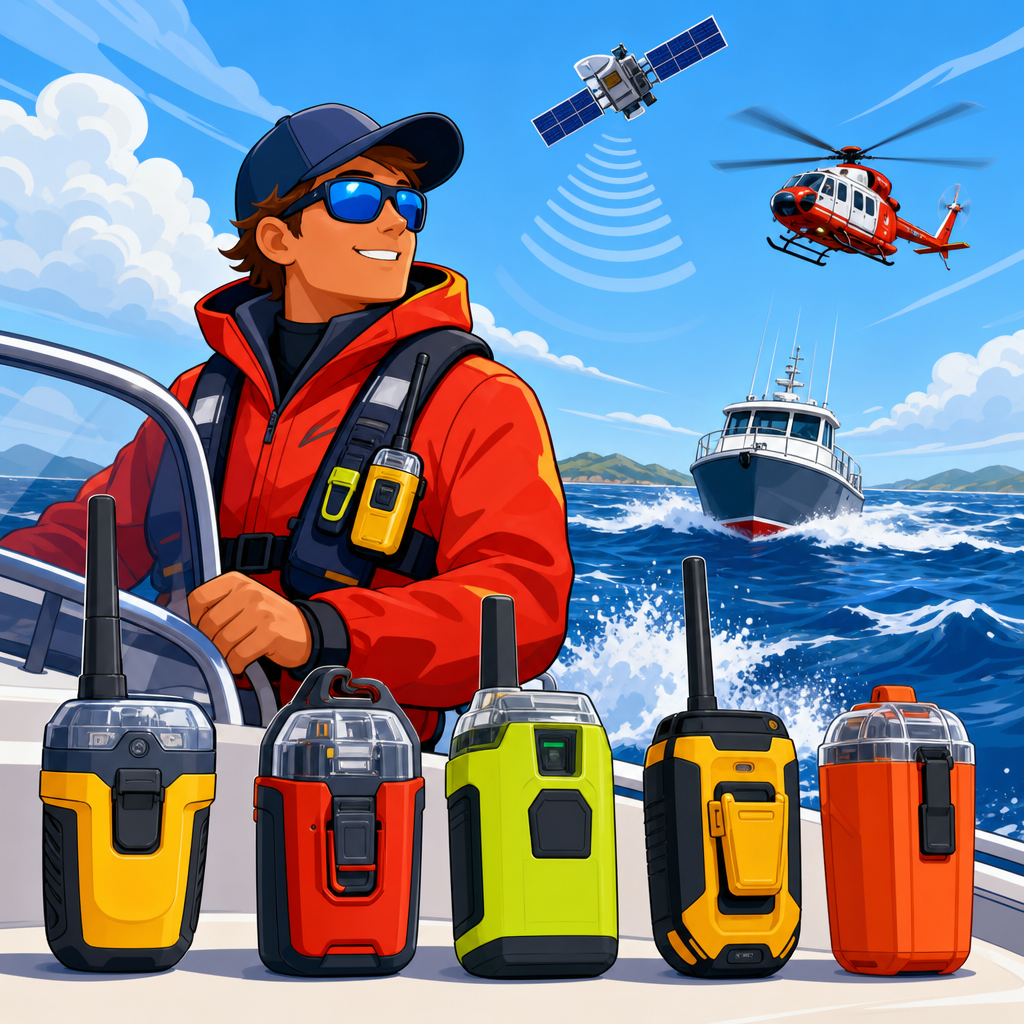
Communication is another key safety factor. Having reliable communication equipment, such as VHF radios, ensures you can contact other vessels, marinas, or emergency services if needed. Additionally, maintaining a vigilant lookout is necessary to identify early signs of hazardous conditions or mechanical issues that can arise from navigating through strong currents. By integrating these precautions and considerations into your regular safety protocols, you enhance your capacity for safe and responsible navigation in challenging waters.
Conclusion
Navigating strong currents and tidal streams demands a comprehensive understanding of marine environments and a readiness to adapt to their ever-changing nature. By thoroughly grasping the factors that contribute to strong currents and understanding how to utilize navigational tools, mariners can effectively tackle these challenges. Employing strategies such as adjusting routes to favor tide schedules, counteracting drift through calculated steering, and leveraging technology for real-time updates enables a safe passage through otherwise difficult waters. Such knowledge and preparation not only safeguard the vessel and occupants but also promote efficient and environmentally conscious navigation.
As the demands of maritime travel and operations continue to grow, the ability to skillfully manage stronger currents and tidal streams is more important than ever. The value of ongoing education and practical experience cannot be understated, as continuous learning equips sailors with the knowledge necessary to face the complexities of the maritime environment with confidence. By cultivating these skills and applying the techniques discussed, mariners can ensure they remain well-equipped to handle the unpredictable and powerful movement of water, ready to embark on successful and safe journeys across the world’s waterways.
Frequently Asked Questions
1. How can I assess the strength and direction of currents and tidal streams before heading out?
Understanding the strength and direction of currents and tidal streams is fundamental for safe navigation. Before setting sail, it’s crucial to check updated tidal charts and forecasts. These tools provide valuable insights into the expected conditions of tidal streams at different times and locations. You can often find this information through marine weather services or apps dedicated to boating. Many of these platforms offer real-time data, and some even provide predictive models that allow you to anticipate changes in currents throughout your trip.
Additionally, consult the tide tables relevant to your area of operation. Tide tables offer detailed information on the predicted times and heights of tides, which helps you ascertain the timing of slack water – the period when the current is weakest. Identifying slack water can enable safer navigation, especially in areas notorious for strong tidal activity. Monitoring ocean buoys and satellite imagery for oceanographic data is another optimal way to enhance your situational awareness.
Understanding local knowledge is also tremendously beneficial. Engage with local sailing clubs, marinas, or Coast Guard services. These sources usually have firsthand experiences and specific knowledge about peculiar water behaviors that often are not captured on generalized chart tools. In addition, always conduct a thorough visual assessment once on-site. Look for changes in water patterns, such as ripples or foam lines, which might indicate stronger currents.
2. What skills or techniques should I use to navigate through strong currents safely?
When navigating through strong currents, preparation and proper techniques make all the difference. Mastering boat handling skills is essential. Practice swift adjustments and become familiar with how your vessel reacts to currents. Knowing how to perform controlled drifts, counter-steering, and understanding your propulsion in relation to water forces are significant to maintaining control.
Develop the ability to read the water. This means recognizing signs like eddies—circular currents that occur when a current flows past an obstacle—to avoid or manage them effectively. When you encounter contrary currents, sometimes it’s advisable to diagonally cross them rather than pushing directly against them. This tactic minimizes the force exerted on the vessel and aids in maintaining speed.
Using landmarks can help you gauge your position relative to the current. Static reference points like buoys or certain fixed structures allow you to detect drift caused by currents, helping you to counteract unwanted movement. Additionally, maintain an overlap of technology and human navigation by relying on GPS but also being prepared for situations where visibility might cause reliance solely on instruments to be a misstep.
Furthermore, align with others who have experience. Whether it’s taking a course in coastal navigation or accompanying an experienced sailor, there is merit in gaining firsthand, practical exposure to handling strong water forces.
3. What precautions should I take to ensure safety when facing tidal streams?
Tidal streams can pose unpredictable challenges, but taking proactive precautions can provide a margin of safety. Firstly, ensure that your vessel’s equipment is up-to-date and fully operational. This includes navigational tools, communication devices, and safety gear like life jackets for everyone on board. An operable VHF radio is critical for issuing distress calls or receiving navigational warnings.
Always inform someone on land about your route and expected return. This enables immediate action in case of an emergency and opens up communication networks that can provide warnings or changes in conditions. Establish a clear emergency plan with your crew, should there be an unexpected encounter with high tidal stream force or unintended drift.
When setting a course, strategically chart your path. Try to align your journey with favorable tidal movements when possible, as traveling with the tide minimizes resistance and improves fuel efficiency. It’s also smart to anticipate potential circumstances where reduced power is available or steering influences change due to more robust waters.
An underappreciated tactic includes using tide rips—areas where different bodies of water converge, creating turbulence—which can be a convenient chance to increase speed or stability if tackled correctly. Yet, understanding when to avoid these areas when too severe is the securest assurance to evade potential mishaps.
4. How do environmental changes during different seasons affect tidal currents and streams?
Environmental conditions play a significant role in influencing the behavior of currents and tidal streams. During different seasons, variables such as water temperature, atmospheric pressure, and prevailing winds can significantly alter water flow dynamics. For example, in colder months, higher atmospheric pressure can lead to more robust tidal streams due to the pressurized changes on coastal bodies.
Seasonal wind patterns add to the complexity. In some locales, winds directionally oppose tidal flows, creating an arduous journey for mariners. For instance, springtime often brings in prevailing winds that can exacerbate tidal strength or shift currents, especially in narrower passageways where water has limited space to disperse.
Furthermore, spring tides, which occur just after new and full moons, greatly intensify the tidal range, resulting in strong currents and elevated water levels. These factors can significantly alter hydro-dynamic activities and should be considered when planning maritime activities in those periods.
To navigate through such variability, keep seasonal hydrology and climactic reports accessible. Maritime organizations typically provide insights into expected seasonal changes that could modify marine settings. Using multiyear tide records is advisable to understand historical precedence, helping predict with better accuracy the likely conditions during varied seasons.
5. How can technology aid in navigation through strong currents and tidal streams?
Technology has become an invaluable asset in addressing the demands of navigating through strong currents and tidal streams. One such technological tool is the Electronic Chart Display and Information System (ECDIS), which provides real-time electronic navigation and allows for precise plotting and timing through affected areas. These systems often incorporate predictive tide functionality to plan courses during preferred tidal conditions.
Autonomous vector chart systems and radar can aid in identifying how currents are moving in real-time, giving clarity to course adjustments without solely relying on sight or feel. Additionally, modern sonar systems can depict seabed profiles conducive to understanding underwater topographies that influence tidal currents, like underwater ridges or valleys.
Navigation apps on smartphones or tablets also offer widespread accessibility to digital nautical charts, tide information, and even align with onboard GPS to reflect your immediate surroundings’ position dynamically. At a more advanced level, some vessels utilize dynamic positioning technology, which maintains the vessel’s position automatically using thrusters and calibrated sensors, though such systems are generally found on larger crafts.
Staying updated with the latest advancements in maritime navigation technology ensures that mariners are decidedly better prepared to navigate complex and forceful water environments efficiently and with an added layer of safety.