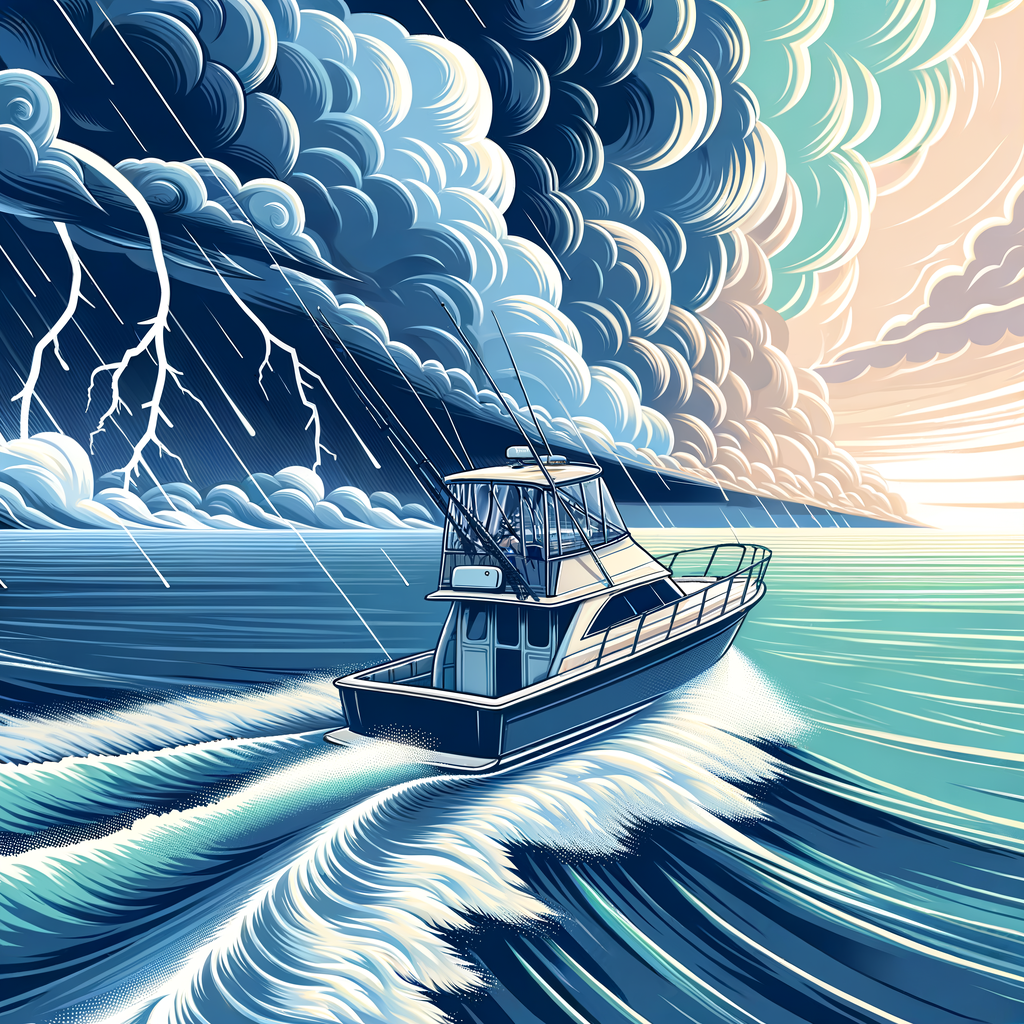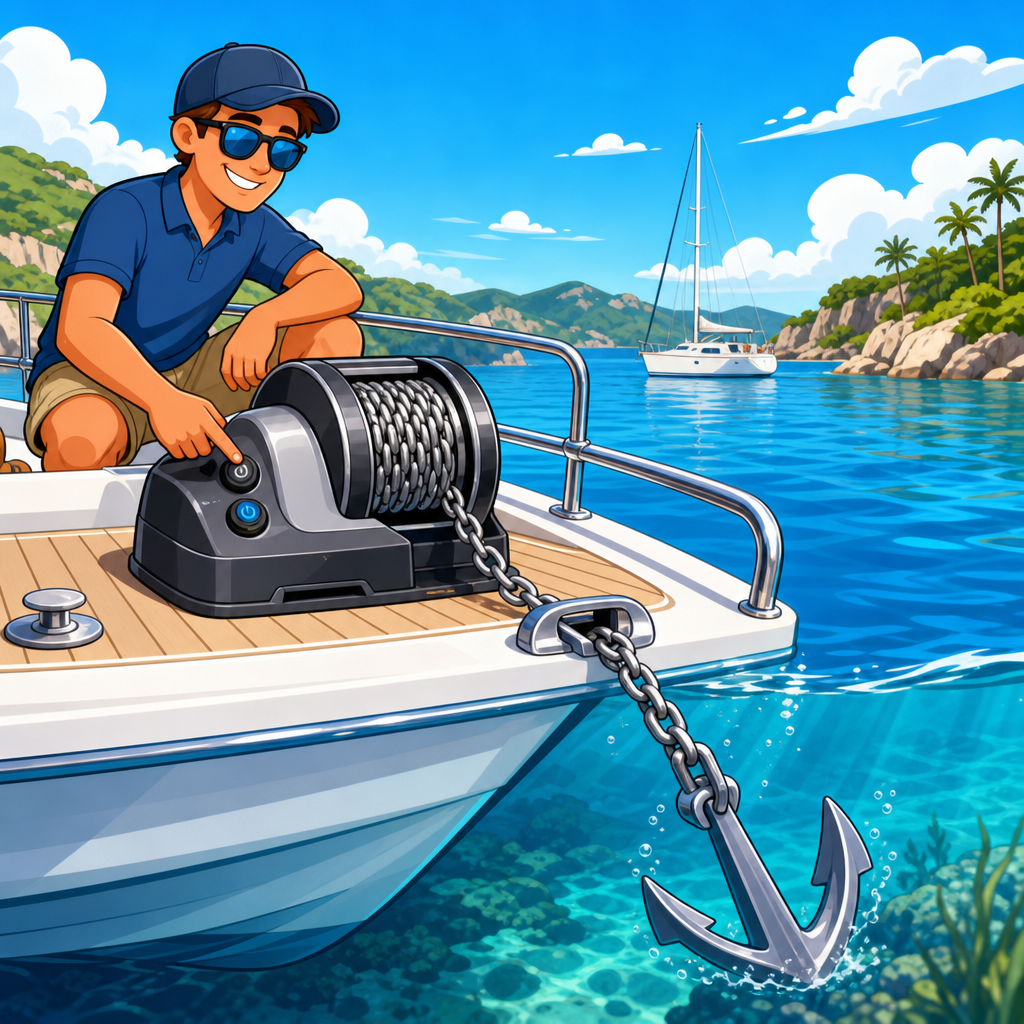
When considering the world of boating, enthusiasts are often faced with a crucial decision: sailing or powerboating? Each form of boating offers unique experiences and requires specific skills that can significantly enhance your time on the water. In this article, we will delve into the fundamental skills needed for both sailing and powerboating, examining what makes these activities distinct. We’ll evaluate the necessary knowledge and strengths required for each, including an analysis of navigation skills, understanding of weather conditions, vessel maintenance, and safety protocols. By the end, you should have a clearer idea of which boating adventure aligns better with your interests and capabilities. Whether you are drawn to the serenity of a sailboat or the speed and power of a motorboat, understanding these skills is essential for a safe and enjoyable experience. Our aim is to guide you in making an informed decision by exploring every aspect of each boating style. This knowledge will not only prepare you for the challenges you will face but also enhance your appreciation for the art of boating. Welcome to this comprehensive exploration of sailing versus powerboating!
Sailing: Mastering the Art and Science of Wind
Sailing demands a deep understanding of the forces natural to the water and an appreciation for the harmony between human, vessel, and nature. A primary skill you need is the ability to read the wind. Understanding wind patterns, knowing how to harness its force, and anticipating shifts in direction are crucial. This requires constant evaluation of the environment and strategic adjustments to sails and riggings to maintain speed and direction. Skillful navigation involves using a compass and charts but also intuitively understanding the alignment of the sails in relation to wind direction.
An important skill for sailing is knot tying. Different knots serve various purposes aboard a sailboat, from securing sails to docking. Mastery of the bowline, clove hitch, and sheet bend knots is vital. Furthermore, sail trimming, or adjusting the sails for optimal performance and efficiency, requires practice and attention to detail. Balancing the sailboat to take full advantage of the wind while maintaining safety is a crucial part of sailing skill.
Sails can often be complex and need regular maintenance. Therefore, understanding the anatomy of your sails and recognizing when they need repairs is an essential skill. Sailors must also have a firm grasp of the technical knowledge surrounding sailboat components, including the mast, boom, and rigging systems, to operate efficiently. Moreover, the influence of tides and currents on navigation can’t be underestimated. Sailors must comprehend how to work with or against these natural elements, a skill acquired from both study and experience.
Weather forecasting is another critical competency for sailors. An astute sailor not only knows how to interpret marine forecasts but also reads the sky, water behaviors, and atmospheric shifts to anticipate changes that may affect their journey. Having a firm grasp on meteorology directly impacts safety and the success of the trip.
Powerboating: Harnessing Mechanical Might
Powerboating offers a different experience marked by its reliance on mechanical rather than natural forces. Consequently, one of the primary skills required is understanding engine mechanics. Familiarity with the nuances of engine operation, troubleshooting issues, and carrying out routine maintenance is paramount for any powerboat operator. Recognizing signs of mechanical trouble early can prevent accidents or breakdowns miles from shore.
Navigation is another skill where powerboaters excel due to technological advancements. GPS systems and electronic compasses usually replace traditional methods, but understanding these tools comprehensively and knowing how to supplement them with basic navigation skills ensures safety in case of equipment failure. In powerboating, reaction speed and control are crucial because of the higher velocities involved compared to sailing. Operators must efficiently judge distances and be quick to react to sudden obstacles or weather changes.
Unlike sailing, docking a powerboat requires significant skills due to the momentum generated by the engine. Knowing how to manage this momentum, especially in tight spaces or adverse conditions, is a hallmark of a seasoned powerboater. Additionally, understanding waterway regulations and right-of-way rules is vital for operating any vessel, powered or otherwise. Powerboaters need to be adept at recognising navigation markers, signals, and understanding the nuances of maritime law.
Safety is a core aspect, and powerboaters must be well-versed in emergency protocols. This includes knowing how to properly equip the vessel with the necessary safety gear, conduct safety drills, and execute rescue procedures if required. Equally important is understanding weather impacts on powerboats. They differ from those affecting sailboats due to speed and propulsion method. Therefore, knowing how to operate a powerboat in different weather conditions, including identifying when it is safe to venture out and when it is prudent to hold back, is vital.
Navigation and Weather: Core Competencies for Both
Both sailing and powerboating share common ground in navigation and weather interpretation. For navigation, regardless of the vessel, mariners must know how to read nautical charts and understand the indicators of potential hazards, such as shallow waters and rocky outcrops. Utilizing both manual and electronic navigation aids contributes to efficient and safe waterway traversal.
Weather plays an integral role in both forms of boating, although the impacts and adaptations differ. Operators need to interpret marine forecasts, understand weather maps, and recognize signs of changing conditions. For sailors, the skills lean more towards understanding wind patterns and atmospheric dynamics, while powerboaters focus on dealing with sea state changes due to weather, as these can dramatically affect handling and speed.
Communication technology is another skillset required for both types to ensure safety and effective distress communication. Familiarity with VHF radios, distress signals, and the use of emergency beacons are critical competencies that cannot be overlooked. In addition, both sailors and powerboaters must respect environmental responsibilities, understanding the impact of their vessel on marine ecosystems and adhering to conservation guidelines is part of being a responsible mariner.
Safety and Maintenance: Universal Skills
While the vessels and their operations differ, safety remains a universal priority. Both sailors and powerboaters must conduct regular safety checks and carry appropriate safety equipment, such as life jackets, fire extinguishers, and first aid kits. Competency in CPR and other emergency medical skills further fortify safety measures.
Vessel maintenance is crucial for both types of boating. For sailors, this involves ensuring the integrity of the sails, hull, and rigging. Powerboaters focus more on engine maintenance, but both need to check for hull integrity and potential issues regularly. While the specific maintenance tasks will differ, the principle remains the same—proper upkeep of the vessel prevents dangerous situations while out at sea.
The competence to execute man-overboard drills, knowing how to retrieve a person from the water safely, is critical in both boating disciplines. This requires both practice and knowledge of the equipment that will ensure a successful retrieval. Familiarity with onboard tools and the ability to make emergency repairs are essential, reducing the risk posed by unexpected equipment failures.
Conclusion
In conclusion, sailing and powerboating each offer distinctive challenges and rewards demanding specific and shared skill sets. The appreciation for natural forces, as seen in sailing, contrasts with the mechanical prowess needed for powerboating. Each requires a thoughtful understanding of navigation and weather, though the application of this knowledge varies. Weather awareness, safety protocols, maintenance, and emergency preparedness form the bedrock of competencies vital for both types of boating.
Choosing between sailing and powerboating hinges on personal preference, with sailing appealing to those who enjoy mastering wind dynamics and the tranquility of nature, while powerboating attracts adventure seekers who value speed and powered travel. Regardless of choice, the skills detailed in this article ensure a safe and fulfilling experience on the water.
Moreover, being equipped with these skills not only ensures the safety of the skipper and crew but also enhances the joy and fulfillment derived from boating. By understanding the unique and shared demands of these two popular forms of boating, your journey on the water, whether under sail or powered motor, shall be enhanced in every aspect.
Frequently Asked Questions
1. What are the key differences in skills required for sailing vs. powerboating?
When it comes to skills, sailing and powerboating each demand a unique set of abilities. Sailing is deeply rooted in working with nature, which means a solid understanding of wind patterns and sails is essential. Sailors must learn to read the weather and adjust sails to capture the wind efficiently. This requires both analytical skills and a hands-on approach to handling the sails and rigging.
In contrast, powerboating involves more engine-related knowledge. You’ll need to understand motor operations and maintenance as well as the ability to navigate waterways often at higher speeds. Unlike sailing, which can be more serene due to the lack of engine noise, powerboating is about mastering control over a powerful and often faster vessel. Both types call for a keen sense of navigation and safety skills, but the means of locomotion and reliance on natural versus mechanical propulsion mark their primary skill divergences.
2. How do navigation skills differ between sailing and powerboating?
Navigation is a critical skill for both sailors and powerboaters, yet the techniques and tools may vary. Sailors rely heavily on traditional navigation methods alongside digital tools. This includes understanding charts, tides, and celestial bodies as they often spend longer at sea and sometimes under less predictable weather conditions. The ability to navigate without heavy reliance on electronics is a valued skill in the sailing community.
Powerboaters tend to focus more on GPS technology and electronic navigation, as they often operate closer to shorelines and can manage quicker changes in direction due to the maneuverability of powerboats. While both disciplines need a firm grasp of maritime charts and environment conditions, powerboating allows for a more technology-driven style, whereas sailing encourages a more intrinsic skill set based on natural navigation methods.
3. What safety skills should be prioritized in sailing compared to powerboating?
Safety is paramount in any form of boating, but the approach can differ significantly between sailing and powerboating. Sailors prioritize skills like quick thinking in response to sudden changes in wind or weather, understanding how to right a capsized boat, and rigging emergency sails if needed. Additionally, since sailing can involve long periods offshore, knowing first aid and survival at sea techniques is beneficial.
Powerboaters, on the other hand, focus heavily on operational safety, which includes maintaining engine health, ensuring fuel safety, and understanding the traffic of busy waterways. Given their faster speeds, powerboaters also need to have excellent reaction times to avoid collisions and handle emergency stops. Both pursuits require adherence to maritime safety regulations, but their focus is governed by their respective mechanical or natural propulsion.
4. Do I need different types of licenses and certifications for sailing versus powerboating?
Yes, the licenses and certifications can differ greatly between the two types of boating. For sailing, you might look into sailing-specific certificates such as the American Sailing Association (ASA) certifications, which cover different levels of competency from basic keelboat to advanced coastal cruising skills. These programs teach essential skills like tacking, jibing, and anchoring.
In powerboating, certifications are often focused on safe handling of motorized vessels. The U.S. Coast Guard may require a boater education card, which involves understanding navigation rules, boat operations, and local regulations. Some regions have distinct requirements for powerboating, so it’s crucial to check local laws. Choosing the right certification path can provide both competence and confidence, regardless of your chosen boating pursuit.
5. How does maintenance knowledge differ between a sailboat and a powerboat?
Maintenance is a critical skill for both sailing and powerboating, but the focus areas are quite different. Sailboats demand ongoing upkeep of sails and rigging. This includes knowing when to replace or repair sails, maintaining the mast and lines, and keeping an eye on the hull’s condition. Sailboat maintenance also involves ensuring that all manual components are in proper working order since they rely primarily on wind power.
Powerboats, conversely, require a thorough understanding of engine mechanics. Regular engine checks, oil changes, and fuel system maintenance are non-negotiable for keeping a powerboat running smoothly. Powerboat owners must also be vigilant about electrical system upkeep and being aware of the impact of saltwater on motor components. While both types of boats share similarities in hull maintenance and cleaning, powerboating’s reliance on mechanical systems makes engine care a primary maintenance focus.