Boating offers a unique way to enjoy the beauty of nature, whether you’re gliding through serene bodies of water or skimming the waves off the coast. However, when boating in crowded areas, the experience can often become a little less peaceful and a bit more challenging. Crowds can be intimidating for new boaters and even seasoned enthusiasts. Thus, it’s essential to understand and practice courteous navigation, ensuring safety and enjoyment for everyone.
In recent years, as more people have turned to boating as a hobby, waterways have seen an increase in traffic. This upward trend necessitates that all boaters comprehend the importance of navigating with courtesy, not only for legal compliance but for the shared enjoyment and safety of every waterway user. Courteous navigation involves a keen awareness of others and the ability to adapt to diverse situations, routes, and conditions on the water, ensuring everyone can share the space peacefully.
This guide aims to equip boaters with the knowledge and skills to navigate crowded water areas considerately. From understanding boating right-of-way rules, being aware of your surroundings, maintaining safe distances, and communicating effectively, these skills form the foundation of courteous navigation. As we journey through this guide, remember that boating is not just about reaching a destination but about the experience of being on the water and connecting with the community around you.
Forming a mindset of respect and awareness is critical when navigating in these often bustling areas. Through thoughtful actions and awareness, boaters can help transform crowded waterways into thriving communities of like-minded enthusiasts. With an emphasis on both the social and safety aspects of boating, this comprehensive exploration will aid you in mastering the etiquette necessary for maintaining harmony on the water. Let’s dive deeper into the principles of boating with courtesy, which is vital in ensuring that our shared waterways remain enjoyable and safe for all participants.
Understanding the Rules of Boating Right-of-Way
Tackling busy waterways requires a solid understanding of boating right-of-way. These rules ensure orderly movement where multiple vessels converge, much like roads for vehicles. The International Regulations for Preventing Collisions at Sea, also known as COLREGs, lay out these directives globally. However, local law might supplement these with additional rules. Therefore, a comprehensive understanding of your local waterways is paramount.
In general, sailboats enjoy right-of-way over powerboats when wind-powered. This is because sailboats are relatively limited in their maneuvering abilities compared to motor vessels. However, powered sailboats must follow powerboat rules. Larger craft, constrained by their draft, cannot move as freely. Therefore, smaller recreational boats should maneuver out of their path to avoid any potential risks.
An important concept is that of the “stand-on” and “give-way” vessels. The “stand-on” vessel maintains its speed and course, while the “give-way” vessel must alter its path to avoid a collision. In crossing situations, the boat on the left, or port side, becomes the give-way vessel. Staying focused and anticipating other boaters’ actions will keep encounters smooth. Passing situations often arise in congested areas, where the genuine skill of courteous boating shines. Always pass on the starboard side and signal your intentions using clear and concise communication methods.
Avoiding Congested Areas and Maintaining Safe Distances
Before setting sail, investigate your intended area. If at all feasible, avoid congested spots altogether, particularly during peak times when crowded waters cause anxiety and require higher vigilance levels. Local knowledge is invaluable, so locals should indicate quieter pathways or schedules. When congestion is unavoidable, maintaining safety depends on planning and patience.
Keeping an ample distance from other vessels is vital. Don’t cut corners, and remember that the length of your boat necessitates a reasonably wide turn radius. Approach crowded channels with a composed demeanor, easing your speed, and avoiding abrupt movements. Noise carries on water, and rowdy behavior not only disturbs others’ tranquility but may increase collision chances.
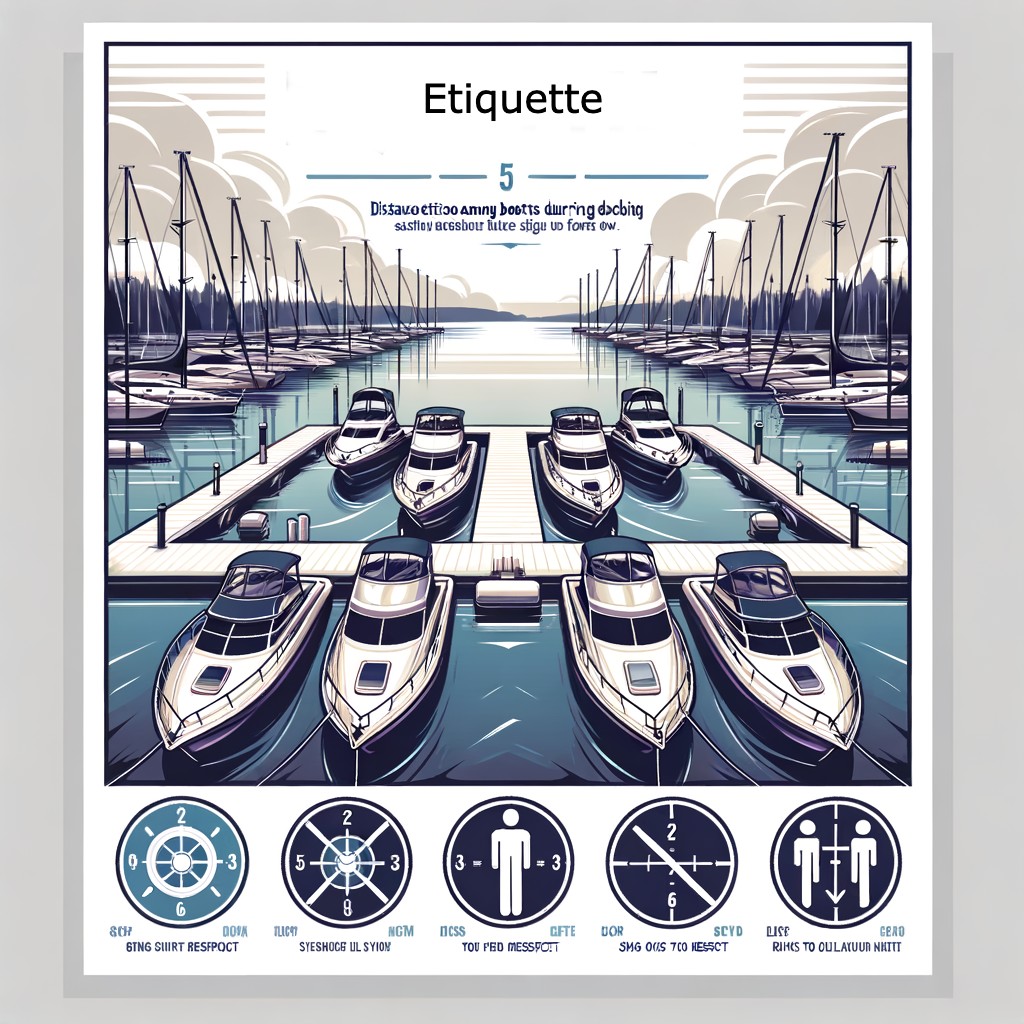
Particular attention should be paid to entries and exits of marinas, as these areas often experience bottlenecks. Slow speeds and heightened awareness will prevent mishaps. Additionally, shoreline areas might have swimmers or kayakers that can be hard to spot. Using designated channels and marked paths reduces surprises and aids clarity for you and other boaters. Sudden course changes without warning can create confusion, so maintain a steady course.
Effective Communication on the Water
Communication remains an indispensable asset in a boater’s toolkit. With sound and radio signals, much like a vehicle’s turn signals, you can convey your intentions clearly. Sound signals such as a single short blast for changing course to starboard or two for port provide nearby vessels with indispensable information about your intentions. Keeping the exchange precise helps in avoiding misunderstandings.
VHF radios also serve as an effective tool to enhance safety. Knowing standard operating procedures can help bridge communication gaps. Before broadcasting, take a moment to listen and ensure you’re not interrupting emergency calls. Channels are often designated for specific uses; familiarize yourself with them to ensure proper etiquette.
Flag signaling is yet another communication method on the water, with the Alpha flag indicating a diver below to warn other vessels to maintain a safe distance. Always ensure visibility of any flags. Above all, the fundamental channel of communication is your ability to navigate non-verbal cues. Observe how other boaters maneuver, and always proceed with caution where intentions appear unclear.
Environmental Awareness and Responsible Practices
Respecting the environment plays a key part in responsible boating. Navigating crowded areas requires acknowledging that excessive wakes can cause significant ecological damage. The ripples upset ecosystems, eroding shorelines and affecting wildlife. Adhering to no-wake zones demonstrates understanding and respect for the shared resources on which every boater relies.
Sustainability on the water is as important as navigation skills. Garbage and waste should never find a place in the water, with repercussions harming habitats and deterring from the natural beauty everyone enjoys. Stow trash onboard until you can dispose of it responsibly onshore.
Boaters should also take piloting slow in places ripe with wildlife, reducing disturbances and promoting cohabitation with the natural environment. Also, mindful docking reduces damage to fragile habitats and installed infrastructures.
Education in navigation and environmental awareness should be ongoing. Committing to lifelong learning not only enriches the boating community but also enhances personal experience. Use available resources, such as local conservation and boating classes, to stay informed.
Developing Situational Awareness and Emergency Preparedness
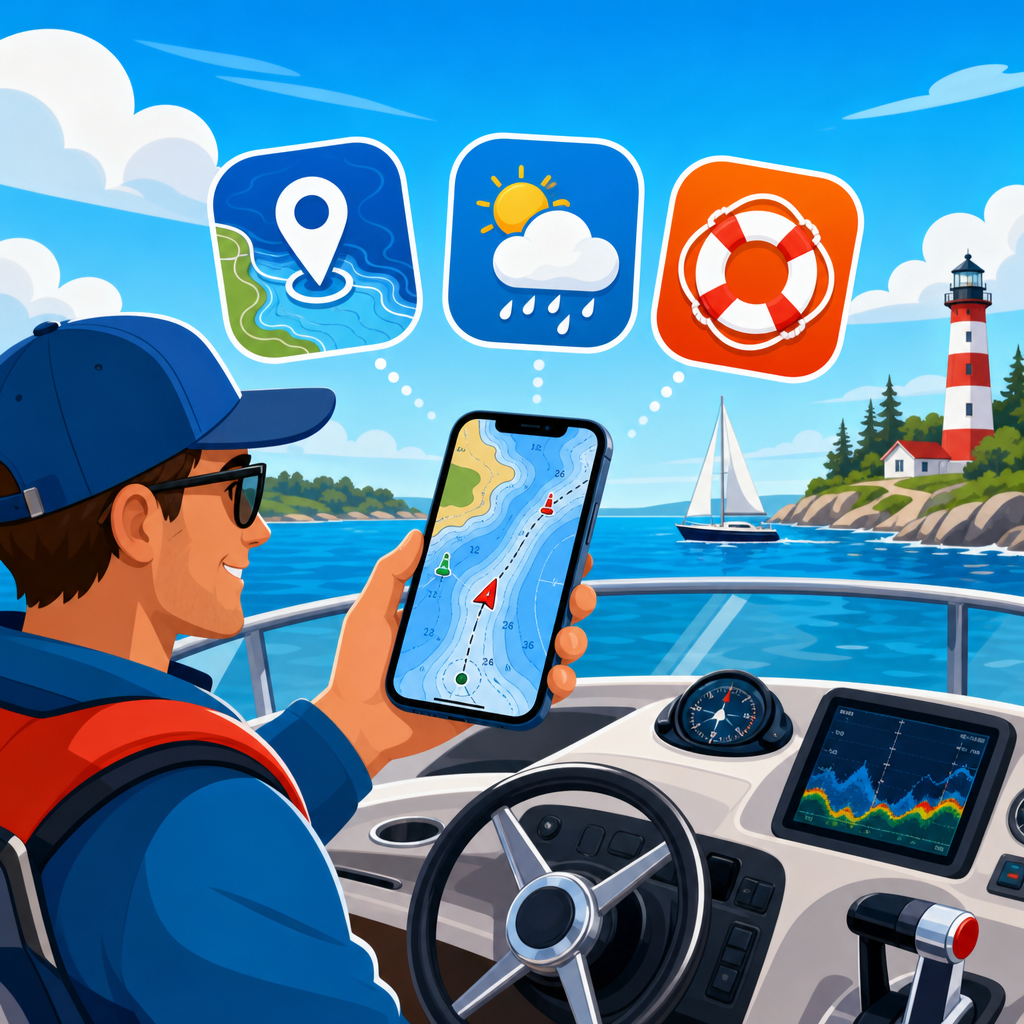
Staying abreast of conditions that may affect your journey is imperative. Small adjustments can protect you and others from unnecessary trouble. Weather forecasts should be checked regularly, especially for storms or high winds, to avoid emergencies mid-trip. Understand the impact of conditions on visibility and water state, adapting your navigation style accordingly.
Alertness about surroundings and cautious anticipation of potential threats form the bulwark of situational awareness. This vigilance extends beyond observing other vessels. Keep an eye out for floating debris or sudden currents that might take you by surprise.
Preparedness is intertwined with awareness. Your vessel must be equipped with necessary safety gear, such as life jackets, fire extinguishers, first-aid kits, and signaling devices while containing clear instructions for passengers should emergencies arise. Conducting routine checks ensures compliance and safety. Make sure communication devices are functional and within easy reach.
Emergency plans should be rehearsed, akin to fire drills, fortifying your ability to respond effectively under pressure. Equip yourself with skills that go beyond traditional boating, such as CPR or basic boat maintenance, enhancing your resourcefulness in adverse situations.
Conclusion
Embracing courtesy in the crowded domains of our wonderfully diverse waterways requires concerted effort and attitude adjustments. However, the rewards make the endeavor delightful and gratifying. The principles outlined herein—understanding right-of-way, safe distancing, effective communication, and responsible environmental interactions—centrally contribute to the cultivation of a warm, friendly boating environment for all.
Striving for a positive experience means not only deriving personal joy but ensuring that our collective presence on the water remains non-disruptive to others. It calls for each boater to take personal accountability for navigating responsibly and sharing the current with others amicably.
Ultimately, an enjoyable experience lies at the heart of what we seek on the waters. Boaters who channel these principles build connections with fellow enthusiasts, standing as beacons of skilled navigation and environmental stewardship.
Boating should be an enriching pursuit that inherently respects and appreciates both our natural surroundings and the fellowship fostered among aficionados. This guide presents an invitation to hone your skills proactively and joyfully. In doing so, you partake in a cherished legacy of respectful and rewarding boating adventures.
Engage in these practices consistently to influence and inspire others within the community. As we navigate the future, envisioning and realizing a harmonious, sustainable coexistence on our lakes, seas, and rivers will continue to reflect our shared commitment to courteous boating.
Frequently Asked Questions
1. Why is it important to navigate with courtesy in crowded boating areas?
Navigating with courtesy in crowded boating areas is crucial for several reasons. Firstly, it ensures everyone’s safety. Boating involves a lot of maneuverability, and with crowded waters, the risk of collisions increases. Navigating courteously helps in minimizing these risks by creating an environment where everyone is aware of each other’s presence and movements. Courteous navigation also promotes a pleasant experience for all. A crowded area can be stressful, but when everyone follows the norms of etiquette, it creates a harmonious atmosphere, making the outing enjoyable for everyone. It also fosters a sense of community and shared responsibility among boaters, promoting mutual respect and cooperation. Additionally, courteous navigation reduces conflict and misunderstandings that could lead to tense or dangerous situations. By keeping interactions smooth and amicable, boaters can focus on enjoying the water and the natural surroundings rather than worrying about potential accidents or altercations.
2. What are some basic rules for navigating crowded waterways?
When you’re navigating crowded waterways, there are key rules to follow to maintain courtesy and safety. Start with speed control; always adhere to speed limits and adjust your speed according to the density of traffic and size of your boat. In crowded areas, it’s best to go slow to maintain control and react swiftly if needed. Understand right-of-way rules: in most situations, powered vessels should yield to sailboats, and boats approaching from the starboard side have the right of way. It’s essential to stay alert and attentive; constantly scan the water for other boats, swimmers, and obstacles. Communication is vital; use your horn to signal your intentions and ensure other boaters know your next move. Stay predictable by following established routes and avoiding erratic patterns. Additionally, keep a safe distance; avoid crowding too close to other boats. This is particularly important when near marinas or docking areas. Moreover, respect no-wake zones and reduce your wake when near other boats or swimmers to prevent accidents or discomfort. Lastly, always be prepared to adjust your plans and location if it becomes too congested, prioritizing safety over convenience.
3. How can I effectively communicate with other boaters in crowded areas?
Effective communication is key in crowded boating situations to ensure safety and courtesy. Primarily, using hand signals and visual cues can be very effective. Ensure that your intentions are clear through deliberate and visible gestures when changing course or speed. Use your horn according to the standard signals: one short blast to signify a left turn, two for a right, and three if you are backing up. Lights can also be used for signaling, particularly at dawn, dusk, or nighttime boatings, such as using a series of flashes to indicate distress or using your navigation lights to communicate your presence and direction of travel. Always keep your radios on to listen for any important updates or distress calls. If you’re in close proximity to another boat and facing confusion or potential conflict, don’t hesitate to use voice communication—either verbally if close enough or via radio channels typically designated for boating communication. Remember, communicating is not just about what you say but also about being perceptive to others’ communications, listening actively, and responding appropriately.
4. How do I manage my boat’s wake in crowded waterways?
Managing your boat’s wake is crucial in crowded waterways as a large wake can cause inconvenience or even hazardous situations for other boaters, especially smaller crafts, swimmers, or those moored at docks. The first step is to actively monitor your speed; reducing throttle or slowing down significantly reduces your wake and helps maintain stable conditions on the water. Stay mindful of no-wake zones often posted near marinas, docks, and swimming areas, where you’ll likely encounter signs or markers indicating the need for minimal wakes. Learn how your boat reacts at different speeds and power settings to better control your impact on the water. When operating in congested areas, distribute weight evenly across your boat to prevent the bow from rising too high, which increases wake production. Understanding how water depths affect your wake is also beneficial; in shallow waters, speed adjustments can drastically reduce the wave height produced by your boat. Always remember that your wake is your responsibility, so be considerate of how it affects others and adjust your practices accordingly to ensure everyone has a safe and enjoyable time on the water.
5. What should I do if I encounter an inexperienced boater in a crowded area?
Encountering an inexperienced boater in a crowded area requires patience and understanding to ensure safety for everyone involved. It’s vital to exercise caution and provide additional space between your boats to compensate for any unpredictable maneuvers the inexperienced boater might make. If their movements appear erratic or they seem to be struggling, slow down and maintain a distance that allows you to react promptly to any sudden changes. If it’s safe, offer guidance over the radio, or use universally recognized hand signals to communicate intentions or assist with navigation directions. Acting calmly and courteously sets a positive example and can help diffuse any anxiety or confusion the inexperienced boater may be feeling. If an inexperienced boater is truly posing a risk to others due to their lack of knowledge, contacting local authorities or waterway patrols discreetly is a responsible action to take. Overall, showing patience and respect can not only de-escalate tense situations but also provide a learning experience for new boaters, promoting a culture of safety and courtesy on the water.