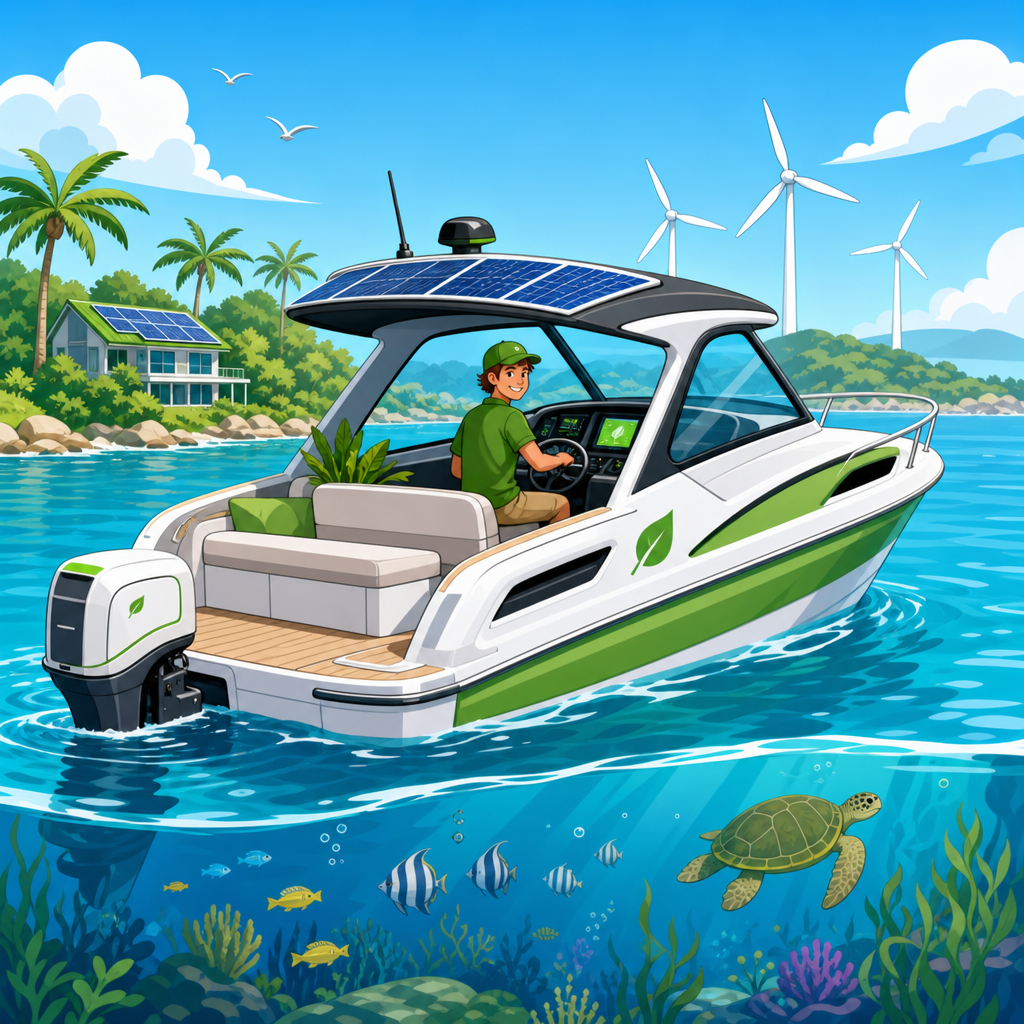
Making your boat more eco-friendly with green tech starts with understanding where a vessel creates impact: fuel use, emissions, discharge, waste, noise, and the materials behind every system onboard. Eco-friendly boating gear includes any equipment, retrofit, or operating technology that reduces environmental harm while preserving safety, range, and reliability. In practice, that can mean switching to electric propulsion for a tender, installing high-efficiency AGM or lithium batteries, using solar panels to offset hotel loads, fitting a bilge filter, choosing non-toxic cleaners, upgrading to LED navigation and cabin lighting, or selecting a low-copper antifouling coating that meets local water-quality rules.
I have worked with owners refitting small center consoles, cruising sailboats, and family pontoons, and the same pattern appears every time: most gains come from practical upgrades, not dramatic rebuilds. A boat does not need to become fully electric overnight to become cleaner and cheaper to run. The best approach is to treat eco-friendly boating gear as a system. Propulsion, power storage, charging, hull maintenance, wastewater handling, anchoring, and onboard consumables all interact. A more efficient propeller lowers energy demand. Better batteries support quieter anchoring. Solar reduces generator runtime. Safer cleaning products protect pumps, seals, and marina water.
This matters because waterways are regulated more closely than many owners realize, and because inefficient boats cost more over time. The U.S. Environmental Protection Agency regulates marine engines and discharge standards. The International Maritime Organization influences fuel and emissions practices globally. Many marinas now restrict in-water hull cleaning, require spill-control plans, or encourage shore-power use. At the same time, fuel prices, battery costs, and maintenance expenses make efficiency a financial issue, not just an environmental one. Green tech improves operating economy, onboard comfort, and compliance while reducing your footprint. As a hub for eco-friendly boating gear, this guide covers the most effective categories, what they do well, where they fall short, and how to prioritize upgrades that deliver real-world results.
Start with an energy and impact audit
The fastest way to make your boat more eco-friendly is to measure current consumption before buying equipment. I begin every project by listing the boat’s major loads: propulsion, refrigeration, lights, electronics, pumps, water heater, windlass, and air conditioning if fitted. Then I compare engine hours, fuel burn, and battery depth of discharge against how the boat is actually used. A trailered bass boat that runs short distances needs different green tech than a cruising catamaran living on the hook for weeks.
Simple tools make this audit practical. Fuel-flow data from NMEA 2000 displays, a Victron SmartShunt or BMV monitor, and clamp meters reveal where waste occurs. Many owners discover that old halogen fixtures, a poorly pitched prop, and excessive generator use create more impact than the hull itself. Once you know the numbers, decisions become clearer. For example, if overnight loads average 1.2 kilowatt-hours, a modest solar array may cover them. If your outboard burns heavily at cruise, a propeller change or hull-cleaning schedule may save more fuel than any electronic accessory.
An audit also helps with internal site navigation and buyer research because each subtopic can branch into detailed decisions: propulsion choices, solar sizing, battery chemistry, non-toxic maintenance supplies, anchoring practices, and discharge control. That hub structure matters for owners comparing gear categories rather than searching for one product.
Cleaner propulsion: electric, hybrid, and efficient combustion
Propulsion creates the largest visible environmental impact on most recreational boats, so this is the first major equipment category to evaluate. Fully electric propulsion works best today on tenders, daysailers, lake boats, and short-range cruisers with predictable duty cycles. Brands such as Torqeedo, ePropulsion, and Mercury’s electric outboards show how far the segment has advanced. Electric systems eliminate direct exhaust at the boat, reduce noise, and cut maintenance because there are no oil changes, fuel filters, or spark plugs. They are ideal on waters with quiet-use rules and in marinas where emissions and noise matter.
However, batteries still limit range and recharge speed compared with gasoline or diesel. For planing hulls and long offshore runs, efficient internal-combustion engines remain the practical option. Eco-friendly gear here means selecting modern four-stroke outboards, direct-injection systems where appropriate, proper propeller matching, and digital engine management that keeps the engine in its efficient band. A well-matched stainless prop can reduce fuel burn noticeably if the current prop causes under-revving or over-revving. Regular tune-ups, injector cleaning, and fresh fuel-water separators also matter. A neglected clean engine is never as green as a well-maintained conventional one.
Hybrid systems occupy the middle ground, especially on displacement cruisers. Parallel hybrid setups allow low-speed electric maneuvering in harbors while preserving diesel range offshore. They are expensive and require careful installation, but for owners who spend long periods at low load, hybrids can cut generator runtime and improve onboard comfort.
Battery systems, shore power, and solar charging
After propulsion, battery and charging upgrades usually produce the best mix of environmental and usability gains. Traditional flooded lead-acid batteries are inexpensive, but they are heavy, less cycle-efficient, and require ventilation and maintenance. AGM batteries improve spill resistance and charging performance. Lithium iron phosphate, commonly abbreviated LiFePO4, offers the highest usable capacity, lower weight, and better charge acceptance. In real refits, lithium often lets owners run appliances from stored energy instead of idling a generator, which reduces fuel burn, noise, and local emissions.
The tradeoff is system design. Lithium installations need a proper battery management system, temperature awareness, charging-source compatibility, and overcurrent protection that meets ABYC recommendations. Done correctly, the result is safer and cleaner than many improvised legacy systems. Done poorly, it creates reliability risk. That is why battery upgrades should be planned with charging sources, cabling, and duty cycle in mind.
Solar is the most accessible green technology on boats because it offsets routine electrical demand without changing how the boat operates. A 200- to 400-watt array can meaningfully support lights, instruments, refrigeration, and device charging on small cruisers. MPPT charge controllers from Victron Energy or Renogy improve harvest efficiency, especially when panel voltage and battery voltage differ. Rigid panels suit hardtops and arches; flexible panels can work on biminis but often have shorter service life in marine heat. Shore power still matters, but smart chargers and galvanic isolation help use it safely and efficiently.
| Upgrade | Main environmental benefit | Best fit | Key limitation |
|---|---|---|---|
| LiFePO4 battery bank | Higher usable capacity reduces generator runtime | Cruisers, liveaboards, fishing boats with electronics loads | Higher upfront cost and installation complexity |
| Solar with MPPT controller | Zero-emission charging for hotel loads | Sailboats, trawlers, pontoons, trailer boats in storage | Limited output in shade and winter |
| Smart shore charger | Improves charge efficiency and battery life | Any boat kept at a marina | Depends on dock power availability |
| Portable electric outboard | No direct exhaust and very low noise | Tenders, small lakes, short trips | Restricted range at higher speeds |
Reduce waste with lighting, electronics, and efficient accessories
Some of the best eco-friendly boating gear is inexpensive and immediately effective. LED navigation lights, anchor lights, spreader lights, and cabin fixtures cut electrical demand dramatically compared with halogen or incandescent bulbs. Less demand means smaller battery draws, fewer charging cycles, and less generator use. On boats with limited solar, a full LED conversion can be the difference between making it through the night quietly and starting the engine at dawn.
Modern marine refrigeration compressors, variable-speed freshwater pumps, and efficient inverter-chargers also reduce total energy use. I have seen older fridges cycle so hard in summer that owners blamed their battery bank, when the real problem was inefficient cooling and poor box insulation. Electronics matter too. New multifunction displays, radar units, and trolling motors often deliver more capability per watt than older models. GPS-enabled trolling motors can reduce unnecessary idling and improve station-keeping accuracy, especially for anglers trying to hold position without repeated anchor drops.
Another overlooked category is trim and hull efficiency. Trim tabs, foil systems for some hull types, and clean running surfaces can lower drag and improve time to plane, which reduces fuel burn. For sailboats, low-friction blocks and correctly sized sail-handling gear can reduce the need for engine assist in marginal conditions.
Choose safer hull coatings, cleaning products, and maintenance materials
Eco-friendly boating gear is not only hardware. Consumables and surface treatments directly affect water quality. Traditional antifouling paints often rely on biocides, especially copper compounds, to deter growth. These coatings can be effective, but in enclosed marinas they contribute to sediment contamination. Many regions now encourage or require lower-copper formulations, hard coatings that tolerate cleaning, or foul-release systems based on slick surfaces rather than heavy biocide release. The right choice depends on water temperature, salinity, storage method, and cleaning frequency.
Cleaning chemicals deserve the same scrutiny. Biodegradable soaps, phosphate-free detergents, and enzyme-based tank treatments reduce harm when small amounts inevitably reach the water or marina drainage. Harsh degreasers can damage rubber components and create disposal problems. Absorbent bilge pads and bilge filters prevent oil sheen from reaching the water, and they are among the simplest compliance tools you can carry. A single leaking fitting or drippy oil change can trigger a visible sheen and a marina complaint.
Material selection during refits matters as well. Recycled-line dock ropes, sustainably sourced cork decking alternatives, and repairable stainless hardware all extend service life and reduce waste. The greenest component is often the one you do not have to replace in three seasons.
Manage wastewater, fuel, and anchoring impacts responsibly
Boats create environmental pressure beyond emissions, especially through sewage, gray water, fueling mistakes, and seabed disturbance. A properly maintained MSD, holding tank, and deck pump-out fitting are core eco-friendly equipment, not optional extras. In no-discharge zones, even accidental overboard release can bring penalties. Odor-resistant sanitation hose, level sensors, and vent filters make compliance easier because owners actually use the system as designed. Gray water from sinks and showers is less regulated on many small boats, but low-toxicity soaps still matter.
Fuel management is another high-value category. Spill-proof nozzles, marine-rated jerry cans, absorbent collars, and portable containment pads reduce the chance of fuel entering the water during filling. For diesel boats, Racor filtration and clean transfer practices prevent leaks and reduce the risk of contaminated fuel causing incomplete combustion.
Anchoring gear affects habitat too. In seagrass areas and coral-sensitive bottoms, repeated anchor dragging can cause long-lasting damage. Modern anchor designs improve holding, which reduces reset attempts, while marked rode and reliable windlasses help crews anchor precisely. In crowded or protected areas, using established moorings is often the lowest-impact choice.
Build an upgrade roadmap that matches your boat and budget
The right path to a more eco-friendly boat depends on use case, not ideology. For a small aluminum fishing boat, the highest-return sequence may be a modern efficient outboard, LED lighting, a lithium starting-and-accessory battery, and a recycling plan for line and soft plastics. For a coastal cruising sailboat, I would usually start with solar, battery monitoring, LED lights, low-toxicity cleaners, a bilge filter, then evaluate lithium and electric tender propulsion. For a pontoon used on an electric-only lake, the roadmap may center on battery capacity, dock charging, and shade structures that support panels.
Think in three tiers: first, maintenance and behavior changes; second, low-cost gear upgrades; third, capital-intensive propulsion or electrical refits. The first tier includes prop tuning, hull cleaning, proper tire pressure on trailer bearings and tow vehicles, and careful trip planning. The second includes LEDs, spill kits, bilge pads, battery monitors, and biodegradable consumables. The third includes solar arrays, lithium banks, electric auxiliary propulsion, or hybrid conversions. This sequence prevents overspending on technology before fixing basic inefficiencies.
The enduring benefit of green tech on boats is that it aligns environmental performance with better ownership. Cleaner systems are quieter, more reliable, and often cheaper over time. Start with an audit, prioritize the gear that addresses your biggest impacts, and build from there. If you are developing your eco-friendly boating gear plan, map your current loads, fuel use, and discharge risks today, then choose one upgrade in each category to implement this season.
Frequently Asked Questions
1. What are the best green tech upgrades to start with when making a boat more eco-friendly?
The best place to start is with upgrades that reduce fuel consumption, improve energy efficiency, and lower waste without compromising safety or reliability. For many boat owners, that means beginning with the electrical system. Replacing older batteries with high-efficiency AGM or lithium batteries can improve charging performance, reduce weight, and support cleaner onboard power management. Pairing that battery upgrade with smart battery monitors, efficient chargers, and solar panels can further reduce generator run time and fuel use.
Another strong starting point is propulsion and auxiliary power. If a full electric repower is not practical, consider electric propulsion for a dinghy or tender, or add energy-saving components such as high-efficiency propellers, optimized motor controls, and low-drag hull coatings. LED lighting is also one of the easiest and most cost-effective eco-friendly boating upgrades because it cuts power demand significantly and lasts much longer than traditional bulbs.
Beyond hardware, some of the most effective “green tech” improvements involve better onboard systems. Water-saving fixtures, cleaner bilge management tools, holding tank monitors, and waste sorting stations all help reduce environmental impact. If your boat has outdated refrigeration, pumps, or electronics, newer efficient models often consume far less power. The smartest approach is to begin with an energy and waste audit, identify the biggest sources of impact, and prioritize upgrades that deliver measurable gains in efficiency, emissions reduction, and onboard usability.
2. Is electric propulsion a practical option for recreational boats?
Electric propulsion can be very practical, but it depends heavily on the size of the boat, how it is used, and the distances typically traveled. For tenders, day boats, small sailboats, and vessels used for short, predictable trips, electric propulsion is often an excellent choice. It offers quiet operation, eliminates direct exhaust emissions at the point of use, reduces maintenance compared with internal combustion engines, and creates a much more peaceful boating experience with less vibration and noise pollution.
That said, electric propulsion is not a one-size-fits-all solution. Boats that require long range, high sustained speeds, or offshore endurance may still face limitations due to battery capacity, charging access, and weight. In those cases, hybrid systems or targeted electrification of secondary systems can still provide meaningful environmental benefits. For example, a boat owner might keep a conventional main engine but use electric propulsion for a tender, install large battery banks for “hotel loads,” or reduce generator dependence through solar and intelligent energy management.
When evaluating electric propulsion, focus on real-world operating profiles rather than idealized marketing claims. Consider cruising range, charging infrastructure at your marina, time needed to recharge, battery lifespan, and the total energy demand of the vessel. A practical electric setup works best when matched to how the boat is actually used. For many owners, the most eco-friendly path is not necessarily going fully electric immediately, but adopting electric technology where it delivers the greatest impact and reliability.
3. How can batteries, solar panels, and onboard power systems make a boat greener?
Batteries, solar panels, and modern power systems are central to reducing a boat’s environmental footprint because they directly affect fuel use, emissions, noise, and operating efficiency. A well-designed electrical system allows a boat to rely less on engine alternators or generators for routine energy needs. That means lower fuel burn, fewer emissions, and quieter time at anchor or in the marina. High-efficiency AGM and lithium batteries are especially valuable because they charge more effectively, hold usable power better, and support more advanced energy management than many older battery systems.
Solar panels are one of the most practical renewable additions for many boats. They can maintain battery charge, support lighting and electronics, run small refrigeration loads, and reduce the frequency with which owners need to start the engine just to make electricity. Over time, that translates into lower operating costs and less environmental impact. Combined with smart charge controllers, inverters, and monitoring systems, solar can become part of a highly efficient onboard energy ecosystem.
The biggest gains often come from viewing the system as a whole. If you install better batteries but continue using inefficient lighting, outdated refrigeration, and poorly tuned charging equipment, you leave a lot of efficiency on the table. Green marine power is about system integration: efficient loads, appropriate storage, renewable input where possible, and accurate monitoring to avoid waste. Done properly, these upgrades not only make the boat more eco-friendly, but also improve convenience, reliability, and independence while cruising.
4. What everyday boating habits help reduce environmental impact along with green technology?
Green technology works best when paired with smarter operating habits. In fact, daily choices often determine whether eco-friendly equipment delivers its full benefit. One of the most important habits is reducing unnecessary fuel burn. That includes running at efficient cruising speeds, avoiding excessive idling, keeping the hull clean to reduce drag, and maintaining the engine so it performs efficiently. Even modest changes in throttle management and trip planning can significantly lower fuel consumption and emissions over time.
Waste and discharge practices matter just as much. Use pump-out facilities properly, avoid releasing anything overboard that does not belong in the water, and choose environmentally safer cleaning products for decks, hulls, and interior spaces. Keeping bilges clean helps prevent oil, detergent, or chemical residues from entering the water. It is also wise to minimize single-use plastics onboard and set up clear systems for recycling, trash separation, and secure storage of hazardous materials such as oil filters, batteries, and solvents.
Noise reduction is another overlooked part of eco-friendly boating. Slowing down in sensitive habitats, respecting no-wake zones, and reducing unnecessary generator operation helps protect wildlife and improves the boating experience for others. Finally, pay attention to preventive maintenance. A boat with properly inflated trailer tires, tuned engines, efficient propellers, healthy batteries, and leak-free plumbing uses fewer resources and creates fewer accidental pollutants. The most sustainable boat is often the one that is operated thoughtfully, maintained consistently, and upgraded strategically over time.
5. Are eco-friendly boating upgrades worth the cost in the long run?
In many cases, yes. Eco-friendly boating upgrades often deliver long-term value through lower fuel costs, reduced maintenance, improved system lifespan, and a better onboard experience. For example, LED lighting and efficient electronics reduce power demand immediately. Solar panels can lower generator use and engine run time. Advanced batteries may cost more upfront, but they often provide better performance, deeper usable capacity, and more efficient charging. Over time, these benefits can translate into real savings, especially for owners who spend a lot of time on the water.
The financial return depends on the upgrade and the way the boat is used. A cruiser that spends days at anchor may see strong value from solar, lithium batteries, and efficient refrigeration. A marina-kept weekend boat may benefit more from smart chargers, shore-power monitoring, and lower-maintenance components. Some upgrades are less about direct payback and more about reducing environmental risk, improving compliance, or enhancing comfort. Cleaner bilge systems, better waste handling, and quieter electric auxiliary equipment may not have a simple payback equation, but they still add meaningful value.
It is also important to think beyond immediate dollars. Eco-friendly retrofits can improve resale appeal, modernize older vessels, and help owners adapt to changing marina rules, emissions standards, and environmental expectations. The most cost-effective strategy is usually phased implementation: start with high-impact, lower-cost improvements, then build toward larger upgrades as budget and boating needs allow. When chosen carefully, green tech is not just an environmental choice; it is often a practical investment in efficiency, reliability, and the future usability of the boat.