Choosing the right boat as a beginner involves a balance of understanding your needs, preferences, and the technical specifications of various types of boats. For newcomers to the boating world, the sheer number of options and variables can be overwhelming. Therefore, it is crucial to start with a guided exploration of key considerations such as intended use, budget, location, size, and maintenance requirements. Similar to any significant purchase, buying a boat demands thorough research and self-assessment to make an informed decision. Each novice boater’s journey is unique, but by adhering to some fundamental principles, you can find a boat that perfectly complements your expectations and lifestyle.
Whether you’re attracted to the serene allure of a sailboat or the thrill of a powerboat, the choices available cater to an array of interests. It’s about aligning your aspirations with the boat’s capabilities to ensure a harmonious fit. The process of choosing the right boat is akin to preparing for an adventure at sea; you must chart your path with care and wisdom. Begin by examining key elements that define your boating intentions and conclude with a meticulous review of functional aspects and after-purchase care. This article breaks down the essential checkpoints to guide aspiring boaters through the crucial decision-making stages. From establishing your primary goals to exploring the logistics of ownership, each step is a building block towards a rewarding boating experience.
Understanding Types of Boats
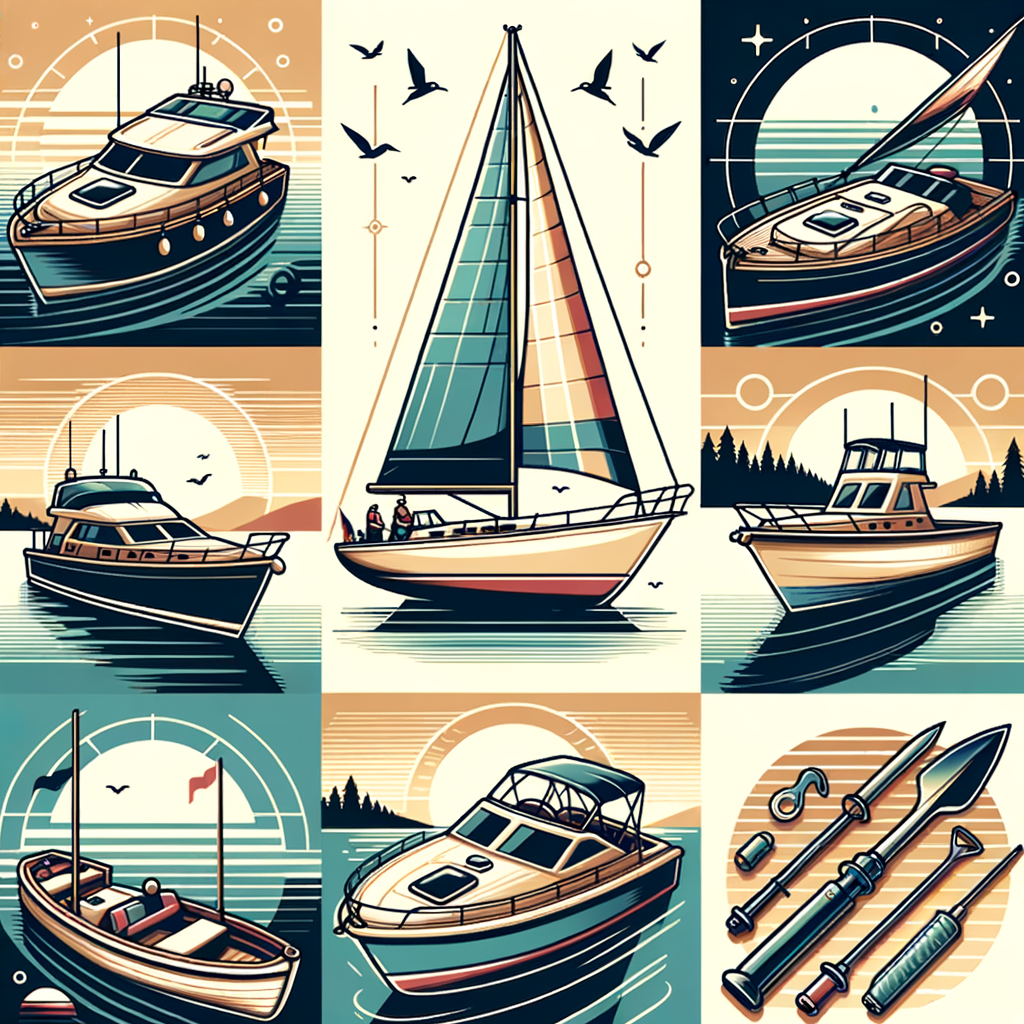
As a beginner, familiarize yourself with the different types of boats available. This foundational knowledge not only introduces you to the diversity within the boating world but also helps in identifying a type that suits your personal interests. Here, we explore various boat types and their typical applications:
Sailboats: These boats rely on wind propulsion and are ideal for those who enjoy a tranquil and environmentally friendly boating experience. They challenge your sailing skills and demand understanding wind patterns and navigation techniques. Sailboats come in various sizes, from small dinghies to large yachts.
Powerboats: Powered by engines, these boats offer speed and versatility. They are suitable for a range of activities from water skiing to fishing. The category includes speedboats, motor cruisers, and sports boats, each designed for specific functions.
Fishing Boats: Designed to facilitate fishing activities, these boats often feature specialized equipment, storage, and seating optimized for anglers. From bass boats to deep-sea vessels, fishing boats vary extensively in size and capability.
Inflatable Boats: Ideal for ease of transport and storage, inflatable boats serve as versatile options especially appropriate for newbies. They can be used for recreational purposes or as tenders for larger boats.
Pontoon Boats: Known for their stability and spaciousness, pontoon boats are great for family outings and social gatherings on the water. They are versatile and can accommodate various water activities.
Consider Your Purpose
Before deciding on a boat, it’s crucial to clarify your boating intentions. Ask yourself what activities you plan to undertake, as this will significantly influence your choice:
If you’re seeking a relaxing hobby like cruising or sailing leisurely, a sailboat or a pontoon might be most appropriate. For those looking for adventure and speed, a powerboat intended for watersports will serve better. If your main interest is angling and exploring aquatic life, then a fishing boat equipped with necessary amenities would best meet your needs.
Considering how often you plan to boat is equally important. For those envisioning frequent use, a more robust and high-maintenance boat may be warranted. Conversely, for sporadic boaters, a simpler and low-maintenance model may be more desirable.
Set a Budget
Setting a realistic budget is an integral step when selecting a boat. Beyond the initial purchase price, take into account additional costs such as insurance, maintenance, storage, and fuel. Purchasing a used boat might offer savings, but ensure you account for potential refurbishment expenses.
Begin by delineating your overall spending capacity. Consider arranging a budget that allows some flexibility for miscellaneous expenses which may arise. Assess different financing options, weigh the benefits of buying new versus pre-owned, and include potential repair costs when finalizing your budget.
An informed financial plan minimizes the risk of unforeseen financial strain and aligns with your long-term boating aspirations.
Evaluate Boat Size
The size of the boat greatly affects its handling, storage, and the number of people it can accommodate. Therefore, deciding on the size is critical depending on how you intend to use the boat. A larger boat is advantageous for parties and extensive trips, whereas a smaller boat is more practical for individual or small group activities and easier to manage.
For beginners, starting with a modestly sized boat often offers ease of maneuverability and storage. It simplifies the learning curve while reducing operational costs. Larger boats may necessitate considerable experience in navigation and operations. Furthermore, contemplate your storage options and whether your location of use has any size restrictions that need addressing.
Research Maintenance and Storage Options
Maintenance is a crucial aspect of boat ownership that impacts choices significantly. Boats require regular upkeep, including engine checks, cleaning, and repairs. Evaluate the complexity of maintenance needed for your desired boat type. Some models are more labor-intensive and costly to maintain than others.
Additionally, boat storage is essential for protecting your investment. Options range from marina slips, dry docks, to at-home storage on trailers. Each has its cost implications and logistical considerations. A marina provides convenience at a price, while at-home storage demands space and a suitable trailer. Evaluate your proximity to waterways and the required ease of access for best practices storage-wise.
Understanding Licensing and Regulations
Boating regulations and licensing requirements differ depending on the location and the type of boat. It’s imperative to familiarize yourself with the local laws to ensure you comply with all necessary rules. Some regions stipulate specific licenses for operating different boat types or sizes. Becoming informed about these regulations not only ensures legality but enhances safety on the water.
Taking courses in boating safety and accreditation programs could bolster your skills and understanding of maritime rules. Such education equips beginners with essential knowledge on navigation, safety protocols, and emergency procedures.
Test Drive and Final Decision
The final test for a potential new boat should always be a test drive. Experiencing the boat’s capabilities first-hand allows you to assess comfort, handling, and performance. Pay attention to the ease of usage, onboard features, and evaluate how it suits your personal needs.
Use the test drive to confirm that the boat’s size, features, and specifications align with your predetermined criteria. Consult previous owners or enthusiasts to gather firsthand experiences and feedback, which may provide additional insights that your metrics alone will not reveal.
After conducting thorough research, consider all related information, align it with personal preferences, financial capacity, and long-term objectives before making your final purchase.
Conclusion
Choosing the right boat for beginners is a nuanced process, involving careful consideration of various personal and technical factors. This substantial decision, although complex, is achievable by systematically assessing key aspects such as purpose, finances, and maintenance alongside technical specifications for optimal suitability. A combination of precise planning, research, and firsthand experience will vastly increase your chances of making a satisfactory choice.
New boaters stand at the brink of an exhilarating experience which can provide fulfilling pastimes and profound enjoyment. By carefully mapping out your desires and practical needs, you support a successful introduction to boat ownership. The right boat forms a key foundation for many treasured adventures you are about to embark upon on waterways.
Commit to understanding your preferences and limitations, be it financial or technical. Appraise the prospects of ownership, maintenance, and pragmatic usage from a realistic perspective. Drive forward with a sense of intention, ensuring that your first boating experience is enriching and serves as a gateway to a sustained, joyous relationship with the sea. Navigating the multitude of choices with confidence and precision only clears the horizon for a rewarding boating experience to unfold.
Remember, the goal is not just to own a boat, but to foster an affinity with the water that enhances your lifestyle. Each step towards choosing the right boat should be underscored by curiosity, thoroughness, and enthusiasm. As you set sail into your new venture, ensure your preparation and diligence chart a course toward understanding, pleasure, and adventure.
Frequently Asked Questions
1. What are the different types of boats available for beginners and how do I choose the right one?
When starting your boating journey, it’s important to familiarize yourself with the various types of boats available. Common categories include sailboats, pontoon boats, fishing boats, and bowriders, among others. The choice depends largely on your intended use. For instance, if you’re interested in fishing, a small fishing boat might be ideal. For leisure outings and socializing, a pontoon boat can provide ample space and comfort. Sailboats are excellent for those interested in learning the art of sailing, though they require a steeper learning curve.
A beginner should consider how they plan to use their boat: will it be for fishing, water sports, cruising, or a mix of activities? Each type of vessel offers different features tailored to specific activities. It’s also wise to think about the typical water conditions in your local area, as some boats handle certain environments better than others, like calm lakes versus open, choppy seas.
2. How do I determine the right size of boat for a beginner?
The size of the boat is another critical factor to consider. Beginners might feel inclined to go for something large and impressive, but smaller boats are generally easier to handle and maintain, making them a great entry point for new boaters. A boat ranging from 15 to 25 feet is usually manageable for beginners.
Size should be considered alongside your intended use and where the boat will be operated. For example, a larger boat may offer more space and comfort for a group, but it might be cumbersome to navigate in smaller lakes or rivers. Also, keep in mind that the size impacts storage solutions and transportation, as larger boats require larger trailers and potentially more storage space.
3. How should budget influence my decision when choosing a boat as a beginner?
Budget is a practical consideration that will heavily influence your decision. New boaters often overlook ongoing expenses such as maintenance, insurance, docking fees, and fuel costs; these can add up significantly over time. As a beginner, it’s advisable to start with a more budget-friendly option to learn the ropes and gauge your long-term interest in boating activities.
Consider both the upfront cost and the total cost of ownership. Look for boats that offer a good balance between affordability and quality. Pre-owned boats or smaller, less complex models may offer a more economical starting point, ensuring you don’t overstretch financially as you become acclimated to the boating lifestyle.
4. What should I know about boat maintenance requirements as a new boat owner?
Understanding maintenance requirements is vital for every boat owner, especially beginners. Regular maintenance is crucial for the safe and efficient operation of a vessel. Boats typically require ongoing care including cleaning, engine checks, hull inspections, and electrical system maintenance.
The effort and cost associated with maintenance can vary significantly based on the type of boat. While sailboats may need specialized care for sails and rigging, motorboats might require more frequent checks on engine components. Try to choose a boat with lower maintenance requirements initially to avoid overwhelming yourself with upkeep tasks.
Also, it is worth considering availability of service centers in your area; having professional support nearby is invaluable for any unexpected repairs or services.
5. How does location affect my choice of a beginner boat?
Location is a crucial aspect often overlooked by new boaters. Where you intend to use your boat should influence the type of boat you choose. Some boats are designed to perform better in certain environments; for example, shallow draft boats are better for rivers and lakes, whereas deep-V hulls are more suitable for open ocean conditions.
Understand the typical water conditions in your area. Calm inland lakes and rivers can accommodate almost any type of boat, making them perfect for beginners. On the other hand, if you plan to venture into the ocean or large lakes, you’ll need a boat that can handle rougher waters.
Additionally, storing your boat either on the water or at a nearby facility, as well as nearby regulations or restrictions, must be considered. Checking these aspects will ensure that you choose a boat well suited for both your local environment and your personal boating activities.