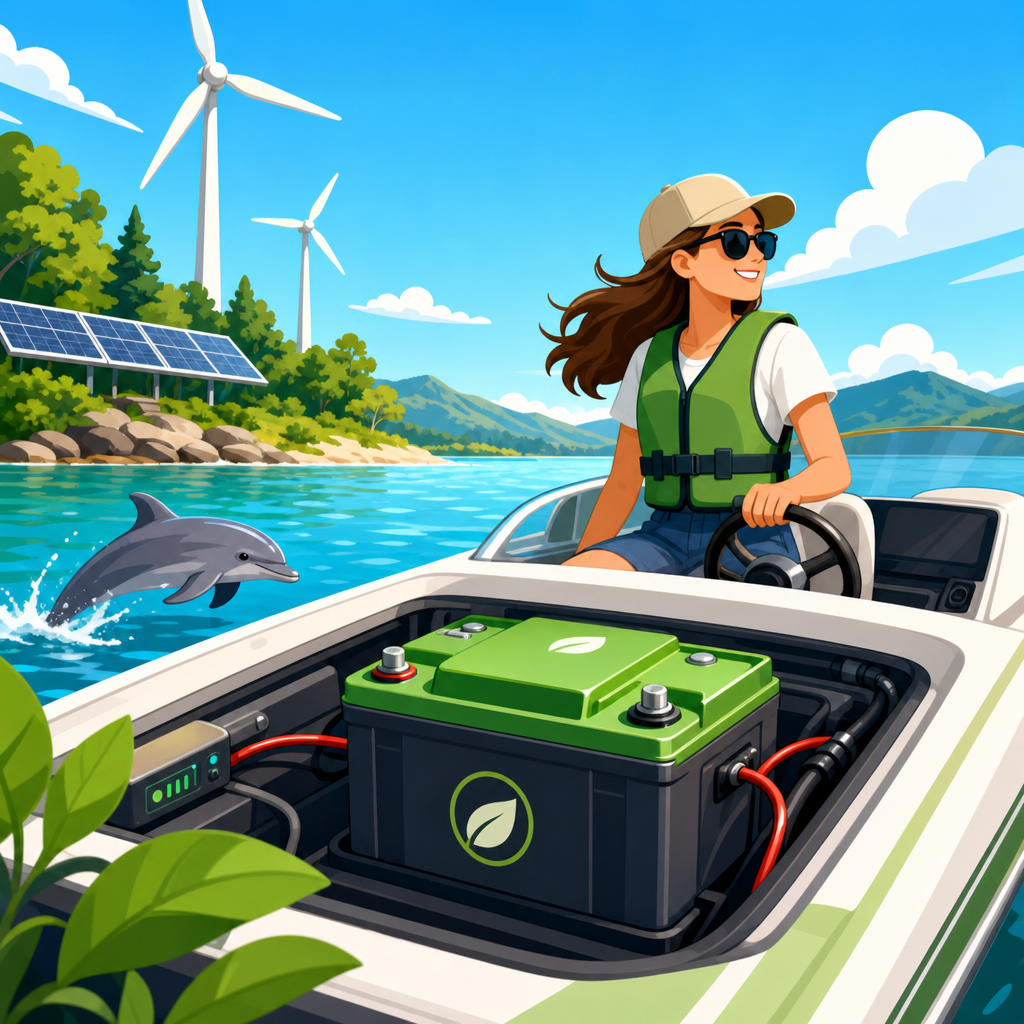
Boating is not merely an activity to enjoy leisure time; it is an open invitation to explore, learn, and grow, especially for kids and teenagers. As the current generation becomes increasingly urbanized, the experiences tied to nature and water-based activities can significantly spark interest and enthusiasm among young people. Boating can enrich the lives of children and teens by introducing them to the wonders of marine environments, the mechanics of navigation, and the importance of water safety. The educational impact extends beyond textbooks, offering real-world insights and skills that serve children well into adulthood. By engaging in boating, kids and teens can enhance their problem-solving abilities, social skills, and environmental awareness. This article aims to delve deep into various educational boating activities that not only entertain but also educate young minds, nurturing a lifelong passion and respect for the aquatic world. From activities around boat navigation to understanding ecosystems, boating offers comprehensive educational opportunities. This introduction sets the stage for numerous ways in which boating influences and benefits the younger generation, making their time on the water both enjoyable and educational. By participating in these activities, they can foster a stronger connection with nature, develop new skills, and build confidence. Let’s embark on this aquatic journey to discover the vast educational potential that boating holds for kids and teens.
Navigational Skills and Teamwork
One of the core elements of educational boating activities is developing the ability to navigate. This valuable skill teaches kids and teens how to assess their environment, make strategic decisions, and execute plans diligently. Within the boating context, navigation involves reading charts, understanding compasses, and utilizing GPS systems effectively. Young participants can learn how various navigation instruments are essential tools on any boating expedition, enabling them to travel from one point to another safely and efficiently. Lessons extend to understanding wind patterns and tides, fostering a comprehensive knowledge of how environmental factors influence their journey.
Further, the majority of boating experiences require teamwork. Engaging in group boating activities, young people learn the importance of communication and collaboration. They have to work closely with peers to manage sails, control the boat’s direction, troubleshoot potential issues, and ensure everyone’s safety on board. This capability boosts their social skills, enhances their ability to work within a team, and empowers them to assume leadership roles when necessary. Such experiences impart lifelong skills useful in personal and professional settings.
Environmental Awareness and Conservation
Boating is a fantastic platform for fostering environmental consciousness among kids and teens. The marine environment provides an awe-inspiring backdrop for learning about ecosystems, biodiversity, and conservation efforts. Through hands-on experiences, young boaters come face to face with diverse aquatic life, from fish and plants to various waterbirds and marine mammals. Participating in boating activities can include guided tours where educators focus on different species and their habitats, discussing the ecosystem’s delicacies and interdependencies. These experiences cultivate a sense of appreciation and responsibility for the natural world.
Moreover, engaging in boating activities promotes dialogue on pressing environmental issues such as pollution, climate change, and overfishing. Kids and teens are encouraged to brainstorm solutions and pledge to become stewards of their environment. Some programs incorporate activities where participants actively partake in efforts like cleaning portions of water bodies, emphasizing the importance of individual action in broader conservation initiatives. This hands-on approach ensures that the lessons about conservation leave a lasting impact, inspiring future environmental advocates dedicated to preserving the health of our planet.
Understanding Weather Patterns
Weather plays a pivotal role in all boating activities, making it a crucial educational focus for kids and teens. The unpredictability of weather conditions offers an opportunity to learn how to interpret climatic data effectively. Educational boating programs often include modules where young participants study meteorology basics, understanding concepts such as air pressure, wind speed, and cloud formation. They learn to interpret weather forecasts and prepare for unexpected changes, knowledge that is not only pertinent to boating but also invaluable in everyday life decisions.
By observing weather patterns, children can predict potential boating conditions. They gain insight into how factors like wind direction and humidity impact the day’s navigation and activities. Understanding weather fosters critical thinking and decision-making skills, encouraging young boaters to apply scientific principles to practical scenarios. This education molds observant, informed, and safety-conscious sailors who have a profound respect for nature’s forces and learn the importance of preparation and adaptability in any outdoor endeavor.
Safety Protocols and Emergency Preparedness
A vital component of boating education for kids and teens is the emphasis on safety. Learning boating safety protocols is foundational, ensuring that participants understand the potential risks associated with water activities and how best to manage them. Boating courses emphasize the critical importance of wearing life jackets, the significance of understanding water currents, and the knowledge of emergency procedures in the event of an accident or unexpected situation. Familiarizing themselves with safety protocols instills a sense of responsibility and caution, necessary attributes for any young boater.
Programs frequently include practical workshops where children and teens practice rescue techniques, such as man-overboard drills and basic first aid skills. By role-playing various scenarios, they become adept at staying calm and thinking clearly under pressure while ensuring everyone’s safety. Understanding and preparing for emergencies equips young boaters with the confidence and skills needed to handle real-life challenges both on water and land.
Cultural and Historical Insights
Boating introduces kids and teens to another important educational aspect: the historical and cultural significance of watercraft. The history of maritime exploration is a rich tapestry woven with tales of discovery, trade, and cultural exchange. Young learners examine how different cultures have relied on boats for survival, transportation, and trade, offering valuable insights into global interconnectedness. Furthermore, they can explore ancient navigation techniques and historical innovations in watercraft technology, recognizing the ingenuity of past civilizations.
In many educational programs, children visit maritime museums and historical sites, where interactive exhibits and guided narratives bring history to life. They learn about famous explorers, legendary ships, and pivotal maritime events that helped shape the world’s history. Through these explorations, they gain a broader appreciation for human creativity, endurance, and the universal quest for adventure.
Conclusion: Opening New Avenues for Growth and Discovery
Educational boating activities for kids and teens offer more than just enjoyment; they are a gateway to knowledge, adventure, and personal development. By incorporating diverse learning elements—from navigation and environmental conservation to cultural awareness and safety protocols—boating can enrich the educational experience in a myriad of ways. These activities not only cultivate a respect and love for the water but also nurture critical skills and values such as teamwork, leadership, problem-solving, and environmental stewardship. The opportunities for growth are boundless, fostering a well-rounded, informed, and curious individual.
In an age where digital screens dominate young minds, reconnecting with nature through boating presents a unique opportunity to experience the world in a tactile, engaging manner. As young boaters embark on their aquatic explorations, they form a deeper understanding and appreciation of the natural world, equipping them with knowledge and perspectives that persist beyond their boating adventures. Ultimately, these educational experiences prepare kids and teens for future challenges and opportunities, ensuring they emerge as confident, knowledgeable, and conscientious individuals ready to navigate life’s endless sea of possibilities. With each venture onto the water, they broaden their horizons, fueled by curiosity and empowered by the skills they’ve acquired through educational boating activities.
Frequently Asked Questions
1. What are the benefits of engaging kids and teens in educational boating activities?
Boating for kids and teens is much more than just a pastime; it opens a gateway to countless educational opportunities. By engaging in boating activities, young people are not only exposed to the joys of the water and nature but they also gain invaluable life skills. Boating teaches responsibility, leadership, teamwork, and problem-solving—all essential skills in both personal and professional realms. Furthermore, boating nurtures an understanding of marine environments, fostering a sense of stewardship for water ecosystems. This can be deeply enriching at a time when connecting with nature is becoming rarer as urbanization spreads. It also offers a hands-on experience with navigation and mechanics—imagine learning to read charts, understand wind patterns, and recognize marine life. These multifaceted educational experiences make boating an excellent activity for holistic growth.
2. What are some beginner-friendly boating activities suitable for children and teenagers?
If you’re introducing kids and teens to boating, start with activities that are both safe and engaging. Kayaking or canoeing can be an excellent choice because they offer a solo experience where kids can feel they’re in control. Sailing camps and classes tailored for younger age groups can introduce them to essential sailing principles in a fun, educational setting. Additionally, educational boat tours, focused on marine biology and local ecosystems, can spark interest in environmental sciences. For those interested in mechanics, building and racing model boats can be incredibly rewarding and educational. These activities should always be supervised by adults to ensure safety and maximize learning.
3. How can educational boating activities help in developing an interest in marine biology and environmental conservation?
Boating activities provide a tangible and immersive method to connect young people with the water and its fascinating inhabitants, from tiny plankton to majestic dolphins. This firsthand observation is crucial in nurturing a love for marine biology and conservation. While boating, kids and teens are surrounded by a vibrant ecosystem, and guided tours or nature-focused excursions can introduce them to complex marine environments. Activities such as water sampling, fish identification, and identifying plant life not only teach biology but also enlighten them about the delicate balance required for these ecosystems to thrive. Watching how these elements intertwine sparks curiosity and instills a lifelong appreciation for nature, often leading participants to become passionate advocates for environmental conservation.
4. At what age is it appropriate to start kids in educational boating activities, and what safety measures should be in place?
Introducing children to boating can begin as early as age five, given that age-appropriate activities and strict safety measures are in place. The key is to tailor the experiences to their developmental stage and interests. Safety should always be the priority, with life jackets mandatory at all times on the water. Adults should educate kids and teens about basic water safety concepts, such as recognizing weather conditions and knowing how to respond in case of an emergency. Adding additional levels of safety, such as having a first-aid kit on hand and providing continual supervision, will ensure that the experience not only remains safe but also fun and memorable. As they grow older and gain experience, activities can become more advanced, such as taking sailing courses or learning about navigation.
5. How can educators incorporate boating activities into school curriculums?
Incorporating boating activities into school curriculums involves creativity and willingness to engage students with non-traditional teaching methods. Schools can partner with local marinas or boating clubs to offer workshops and practical courses that tie into subjects such as science, geography, and physical education. For example, a biology class might take a trip to explore local ecosystems and conduct field studies on water quality or marine life. Geography lessons could include nautical navigation and map reading on a sailboat. To bring boating to schools without proximity to water, organizing field trips, virtual reality experiences, or guest visits from marine experts can help students connect theory with real-world application. Linking these activities to existing curriculum content allows students to apply their classroom knowledge in meaningful and engaging ways, fostering a deeper understanding and interest in their studies.