Vacations are a cherished time for families to bond, unwind, and create lasting memories. One of the most enchanting ways to do this is by embarking on a family boating vacation. The allure of open waters, the thrill of adventure, and the opportunity to discover new places together can make for an unforgettable experience. Planning such a vacation, however, requires attention to detail, careful organization, and a clear understanding of what makes a boating trip successful and memorable for all family members involved. In this guide, we will walk you through the steps to plan a family boating vacation that promises to be both enjoyable and stress-free. By considering the interests of each family member, choosing the right kind of boat, ensuring safety, planning your itinerary, and packing the right gear, you will set the stage for an adventure that your family will cherish for years. We will look at how to balance flexibility with the comfort of structured plans, all while relishing the beauty of the waters. Whether you are experienced sailors or new to boating, these tips will help you craft an adventure perfectly tailored to your family’s desires.
Selecting the Right Boat for Your Family
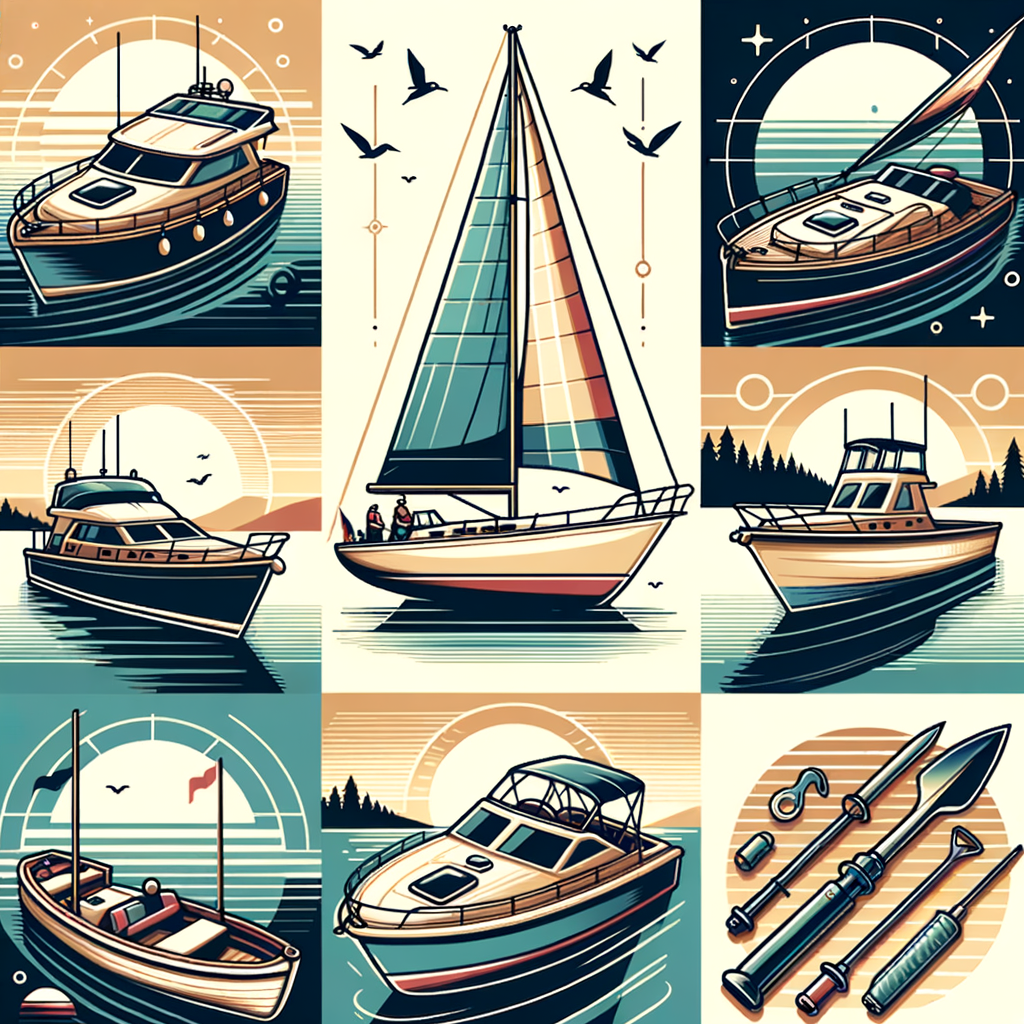
Choosing the right boat is the cornerstone of a successful family boating vacation. It’s crucial to match the boat to your family’s needs, size, and the type of waterway you intend to navigate. For a family of four or five, a midsize cruiser offers ample space and the necessary amenities, such as kitchen facilities, bathrooms, and sleeping quarters. If water sports are on your agenda, consider a boat with power and agility, like a bowrider, while those looking for a leisurely cruise might prefer a pontoon boat with a larger deck space for lounging and social activities. Ensure the boat is equipped with essential safety features and is in good mechanical condition. Leasing from reputable rental companies is recommended if you do not own a boat. Their boats are typically well-maintained and present fewer surprises in terms of functionality.
Deciding on the Destination
Planning the right destination is vital for an unforgettable trip. Choice of location can depend on the level of adventure or relaxation your family desires. Popular destinations like the Great Lakes or coastal regions offer wide swathes of water and picturesque landscapes. For those seeking tranquility, consider secluded lakes or less-traveled rivers that offer privacy and the beauty of untouched nature. If looking for an educational slant, consider waterways with historical significance that offer an enriching experience. Additionally, ensure that the destination accommodates the logistics your family requires such as docking facilities, accessible points for resupplying, and nearby medical amenities for emergencies. Seasonality should also be taken into account to avoid adverse weather; pick a time when the climate is conducive to smooth waters and clear skies.
Crafting an Itinerary
An itinerary serves as both a guide and a safeguard, ensuring that the needs of everyone in the family are met. Start with a flexible schedule that allocates time for exploration, rest, and communal activities. Mix structured activities like guided tours or local events at marinas with unstructured time for relaxation and leisure. Make room for spontaneous detours to explore interesting locations. Evaluate the physical capabilities and preferences of each family member so activities can range from high energy to low-key. Reserve locations of interest ahead of time, particularly popular marinas or landmark mooring spots, to avoid disappointment and ensure your place. However, leave some time unplanned to allow unanticipated adventures to unfold. Remember, the ultimate goal is relaxation and enjoyment, so avoid the temptation to pack the itinerary too tightly.
Preparing for Safety
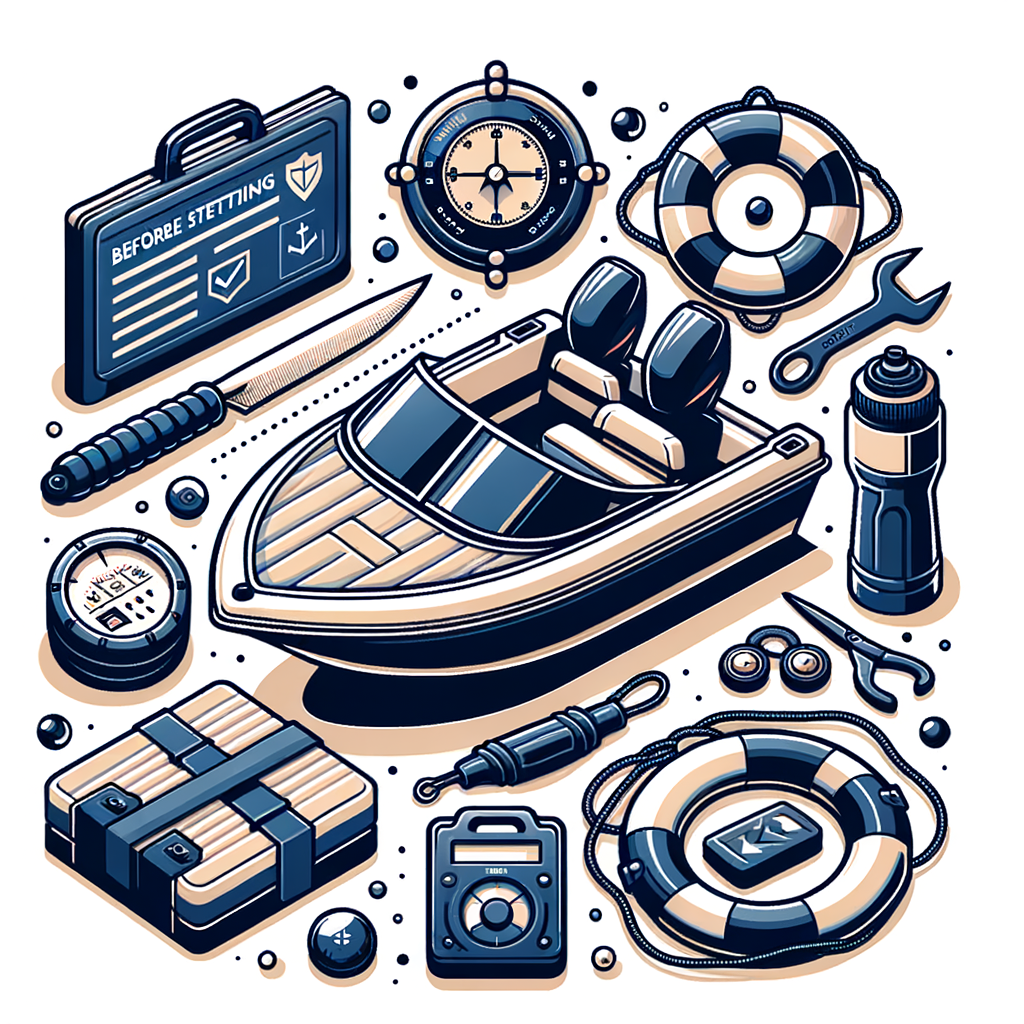
Safety should never be compromised, especially with the unpredictability of nature. Before setting off, familiarize yourself with the boat’s safety equipment and verify it is in optimum condition. Checklists should include items like life vests for each member of the family, life rafts, fire extinguishers, first aid kits, distress signals, and communication devices such as a VHF radio. Conduct drills with your family to ensure everyone understands how to use the safety equipment and what protocols to follow in case of emergency. Check weather forecasts regularly in the days leading to your departure to avoid sailing in hazardous conditions. Familiarize yourself with the navigation system and undertake a briefing on safe docking techniques. Having contact information for the coast guard and local emergency services is crucial. With these precautions, you can ensure that the vacation remains smooth sailing for the entire duration.
Packing Essentials and Entertainment
Packing for a boating trip involves more than choosing the right outfits. First, consider the climate of your destination and plan clothing accordingly with breathable, layered options to accommodate potential temperature fluctuations. Kitchen essentials and non-perishable foods should be packed based on the length of your trip; include snacks and beverages to keep everyone hydrated and satisfied. Don’t forget personal items such as sunscreen, sunglasses, waterproof cameras for preserving memories, and charging devices. Entertainment options can include books, games, fishing equipment, or snorkeling gear, accommodating various interests while on board. Be sure to bring along a playlist of family favorite songs to set the mood during downtime or travel. For times when you dock, include gear for exploring destinations such as hiking boots or binoculars for birdwatching. Remember, good preparation leads to great adventures!
Setting Expectations with Family
A harmonious vacation often results from aligning each family member’s expectations. Prior to leaving, sit down for a family meeting to discuss everyone’s aspirations for the trip. Encourage each member to suggest one activity or area of interest that is significant to them. This guarantees shared excitement and involvement while giving everyone a sense of participation in the vacation’s planning. Address any concerns, particularly from younger children or new boaters, alleviating any apprehensions about seasickness or safety. Establish ground rules about safety procedures on board, and discuss the importance of flexibility in plans due to potential weather changes. Good communication upfront forms the foundation of mutual understanding and ensures a smoother, more enjoyable experience for everyone involved. By creating a space for open dialogue, you’ll foster connection even before departing, setting the tone for an engaging and rewarding adventure.
Enjoying the Journey
While planning can structure and enhance your boating vacation, embracing a spirit of adventure each day is where the heart of the experience lies. Take time to savor the beauty of your surroundings, whether it’s the sunrise on open water or the quiet moments of reflection nestled in a secluded inlet. Encourage family members to engage in spontaneous activities, whether it’s a spur-of-the-moment swim or a lesson in steering the boat. Initiate bonding by incorporating time for shared conversations or stories under the stars, or organizing team tasks like navigation or meal preparations. Keep a travel journal or an online blog to document each day’s peculiarities and collective highlights. This can be a delightful way for all involved to contribute their personal anecdotes, enhancing the shared experience. Remember, the journey is not solely about reaching a destination, but valuing every moment spent in the presence of those you love.
Conclusion
As your boating vacation comes to a close, reflect on the myriad of experiences and memories created. A family boating trip stands as an exceptional opportunity to forge closer bonds, explore new horizons, and triumph over challenges together. Through meticulous planning, prioritizing safety, and balancing planned activities with freedom for adventure, you ensure a captivating, worry-free journey for the entire family. Each day on the water offers its unique canvas, graced by tranquil sunsets and laughter-filled evenings that will etch into family lore. Therefore, while planning remains pivotal, it’s the shared moments and spontaneity that bring the true magic to life. There is no substitute for the profound value of time spent with family, and a well-planned boating vacation is an idyllic backdrop for such a cherished time. By recreating carefully considered elements like those discussed, you set the stage for repeat adventures that promise endless joy and deeper connection, each time you set sail. So, ready your chart, choose your course, and drop anchor into the wonderful world of family lake escapes, an adventure eagerly awaiting to be written into your family’s legacy.
Frequently Asked Questions
1. What are the initial steps to start planning a family boating vacation?
When it comes to planning a memorable family boating vacation, the initial steps are crucial for setting the tone for the entire trip. First and foremost, it’s essential to sit down with your family and discuss everyone’s expectations and desires for the trip. Some might be looking forward to relaxation, while others might be eager for adventures and exploration. Once everyone is on the same page, determine your budget as it will guide your decisions for destinations, accommodations, and activities.
Next, choose the location you wish to explore. Whether it’s a tranquil lake, the rugged coast, or a snaking river, different venues offer unique experiences. Research potential destinations to understand the kind of boating experiences available. Make sure to consider the age and interests of your family members when selecting a location. Some places are better suited for beginners, while others may require more experience.
Finally, check the regulations and requirements for boating in your chosen destination. You may need specific permits or licenses, and it’s important to verify what safety regulations you must adhere to. Early planning in these areas will prevent last-minute stress and ensure a seamless start to your vacation.
2. How do I choose the right boat for our family vacation?
When selecting the right boat for your family, consider the size of your group and the nature of your planned activities. If you have a large group, you’ll need a boat with ample space and comfortable amenities. Make sure there’s enough room for everyone on board without crowding, and that it has areas for relaxation and activity, if that’s what your family enjoys.
It’s also important to think about the types of activities you’re planning. Are you more interested in fishing, water sports, or simply cruising and enjoying the scenery? Different boats cater to different activities, so keep this in mind to maximize enjoyment for the whole family. For leisurely cruises, a pontoon or houseboat might be ideal. If you’re considering water skiing or wakeboarding, a sport or motorboat might be more suitable.
Safety is another crucial factor, especially if you have young children. Make sure the boat is equipped with all necessary safety gear like life jackets and has secure railings. Consider boats that are easy to navigate and control, especially if you’re not an experienced boater.
3. What safety precautions should we consider while on a boating vacation?
Safety is paramount when it comes to planning a family boating vacation. The first step in ensuring safety is to make sure everyone on board wears a life jacket, regardless of their swimming ability. It’s a non-negotiable rule that can prevent accidents and save lives.
Before setting sail, familiarize yourself with the weather conditions and forecasts. Avoid going out if there is any chance of severe weather, as conditions can change quickly on water. It’s important to know basic navigation and operation of the boat; if not, consider hiring a qualified skipper or thoroughly learn beforehand.
Additionally, have a well-stocked first aid kit and ensure all family members know basic first aid techniques. Establish rules for safe behavior on the boat, such as no running on deck and safe areas for children. It’s also wise to have a plan in place in case someone falls overboard, and ensure all adults know emergency contacts and procedures.
4. What activities can we plan to make the boating vacation fun and engaging for everyone?
A family boating vacation offers a diverse array of activities that can cater to all tastes. Fishing trips can be exciting for both beginners and seasoned anglers, allowing everyone to bond over the thrill of catching fish. Organizing a treasure hunt or ‘pirates’ game can entertain young children for hours.
For the more adventurous family members, water sports such as water skiing, wakeboarding, or tubing can add an electrifying edge to the vacation. If you’re near diving sites, consider snorkeling or diving excursions to explore the underwater world together.
Plan shore excursions to local destinations where you can experience new cultures, try out local cuisines, and engage in sightseeing. Onboard, you could have themed dinner nights, stargazing sessions, or even friendly board games or card games. The key is variety and ensuring that there are activities everyone will enjoy and remember.
5. How do we ensure that everyone enjoys the vacation and gets enough downtime?
Striking the right balance between activity and relaxation is crucial for a memorable family vacation. Create a flexible itinerary that allows for both scheduled activities and free time. This way, the trip doesn’t feel rushed, and everyone has the opportunity to engage in their preferred activities.
Encourage family members to voice their desires for both quiet time and adventure so that there’s a good mix for everyone. For instance, allocate mornings for water activities and afternoons for leisurely cruising. Make sure to admire sunsets together and have lazy mornings or afternoons, perhaps fishing or simply lounging and reading a book.
Moreover, providing options for solitude is just as important as orchestrating family fun. Designate quiet corners on the boat where people can retreat when they need a break. By considering individual needs and ensuring there’s a blend of excitement and relaxation, you create an atmosphere where everyone can genuinely unwind and appreciate the time spent together.