Embarking on your first boating adventure can be both exhilarating and slightly intimidating. Whether you’re planning a serene day on a lake, venturing out on a river, or setting sail along the coast, there are several key things you need to know before you get on the water. Boating can provide endless enjoyment, relaxation, and exploration opportunities, but it also requires responsible behavior, preparation, and awareness to ensure safety for everyone on board. This guide aims to equip first-time boaters with essential knowledge regarding boating basics, safety precautions, necessary equipment, and etiquette on the water. With this information, you’ll be better prepared to enjoy a safe and satisfying outing and gain confidence as a budding boater. Let’s dive into what you need to know before you set sails or power up that engine for your maiden voyage.
Understanding Boating Basics
To begin with, understanding the basic components of a boat and how it operates is crucial. Boats come in various types and sizes, each suited for different kinds of water and activities. You should familiarize yourself with the parts of a boat, such as the bow, stern, hull, and deck. It’s also helpful to understand how a boat is powered – whether it’s through sails, an inboard motor, or an outboard motor. Knowing these basics will allow you to communicate effectively and make informed decisions. Additionally, understanding nautical terms will be beneficial. Terms like “port,” “starboard,” “aft,” and “stern” refer to the left, right, back, and back upper structure of the boat, respectively. Being comfortable with these terms will help avoid confusion, especially when receiving instructions or navigating waters.
Another fundamental aspect to consider is the type of boating activity you are interested in. Each activity requires different types of preparation and expertise. For leisure boating, you have options like sailing, motor boating, kayaking, or canoeing. Each of these comes with its own learning curve but promises a unique experience. Sailing, for instance, requires an understanding of wind patterns and navigation skills, while motor boating may demand knowledge of engine maintenance.
You should also be aware of the local boating regulations. These regulations vary by location and may include mandatory boating courses, licensing requirements, or registration of your vessel. Many regions mandate that first-time boaters complete a boating safety course. These courses cover essential safety practices, legal requirements, and operational procedures. They often are available online or through local boating clubs and offer a great introduction to safe boating practices.
Essential Boating Safety Measures
Safety cannot be overstated when it comes to boating. It begins with ensuring that everyone on board understands the safety protocols. Every passenger should be briefed on the location and use of safety equipment, emergency procedures, and basic boating rules. Equipping your boat with the necessary safety gear is vital. The most important piece of safety equipment is a life jacket. There should be enough life jackets for everyone on board, and they should be appropriately sized and worn at all times, especially by non-swimmers and children.
Other safety equipment includes a fire extinguisher, distress signals like flares and whistles, a first aid kit, an emergency radio, and a waterproof flashlight. Additionally, carry navigation lights for the boat, regardless of the time you plan to be out on the water to help other vessels see you, particularly in low-light conditions.
Before setting out, it’s crucial to check weather conditions. Weather can change rapidly, and being caught in a storm on the water can be dangerous. Check the forecast and take note of weather changes. If conditions look questionable, it’s best to postpone your trip. Moreover, inform someone on land about your boating plan, including the departure time, expected return, and location you plan to be boating. This is often referred to as a “float plan” and is critical in case of emergencies.
Understanding how to handle different situations on the water is also a part of safe boating. For instance, you should know what to do in the case of capsizing (your boat flipping over) or if someone falls overboard. Quick and calm responses can prevent panic and can save lives. In general, if a person falls overboard, immediately stop the boat and keep the individual in sight. Turn off the engine, then carefully approach the person by the side of the boat and assist them back on board. Knowing basic rescue techniques can also be beneficial.
Necessary Boating Equipment
Outfitting a boat involves more than just safety gear. To ensure a smooth trip, there are several pieces of equipment that are considered essential. For navigation, a reliable GPS device or a marine compass is invaluable, especially in unfamiliar waters. Maps or charts of the waterway you’ll be navigating are also critical tools.
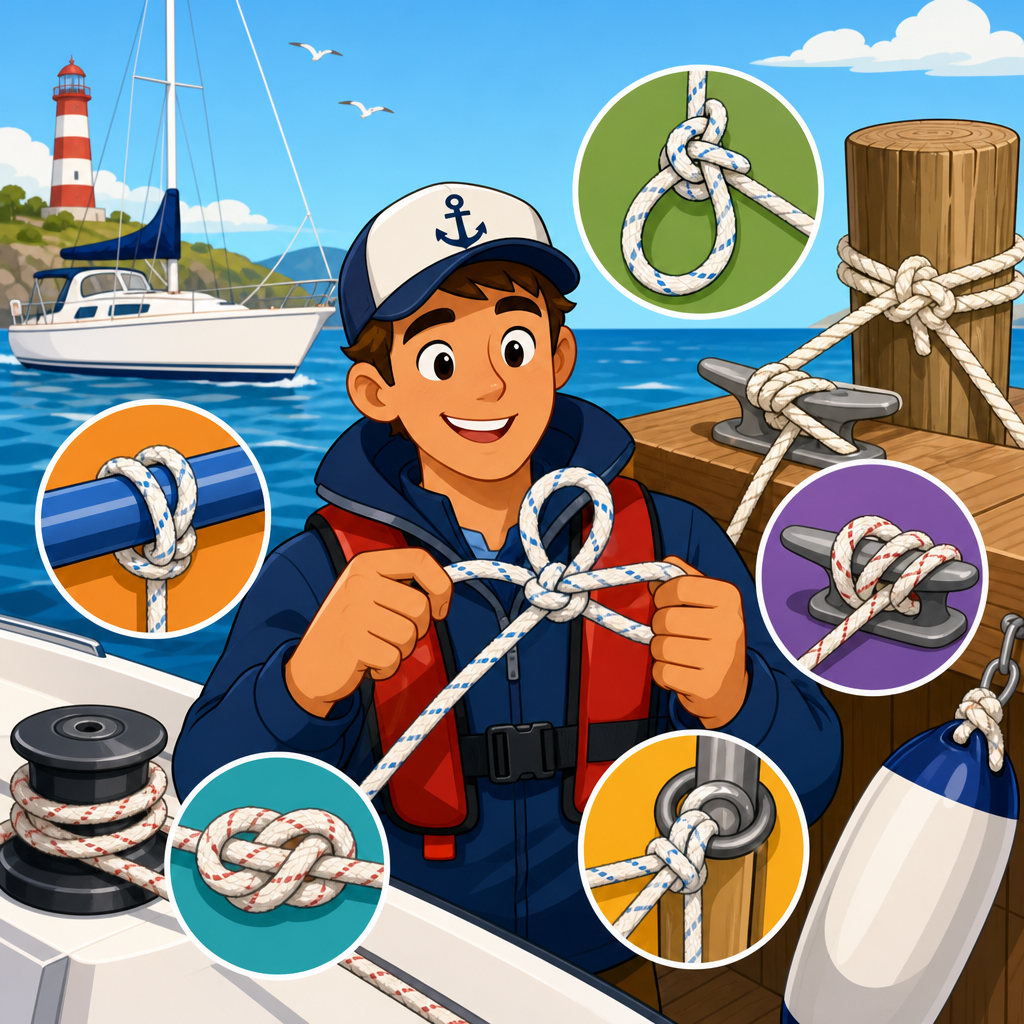
A sturdy anchor is another piece of essential equipment, allowing you to secure your boat in place, whether you’re stopping for fishing, swimming, or to wait out bad weather. Equipping your boat with fenders and mooring ropes will help protect it when docking and can prevent damage to both your boat and the dock itself.
For communications, at a minimum, you should have a working mobile phone in a waterproof container. However, a marine VHF radio is recommended for having secure communication with coast guards or nearby ships. It is more reliable than a mobile phone in many areas, particularly where cellular service is unavailable.
Comfort equipment can enhance your boating experience. This could include seating, shades, and coolers stocked with food and drinks. Depending on where you are boating, insect repellent and sunblock can be important to combat sunburn and bugs.
Learning Boating Etiquette
Boating etiquette helps ensure the safety and enjoyment of everyone on the water. Always maintain a safe distance from other boats, swimmers, and wildlife. Avoid any sudden or erratic maneuvers that might surprise other boats or cause dangerous wakes.
Respect the rights of others on the waterway. In many places, powerboats must yield to non-powered vessels like kayaks, canoes, or sailboats, due to their limited maneuverability. In addition, you should minimize noise pollution by keeping music and noise levels moderate.
When approaching docks or marinas, reduce speed to avoid causing wakes that could disturb docked boats or damage structures. In general, observe any posted speed limits and be considerate by not overstaying your occupancy at a busy docking area.
Proper disposal of waste is paramount to sustain the environment. Bring trash bags to collect any refuse, and take them with you after leaving. Respect marine protected areas and avoid disturbing natural habitats. Fishing, if permitted, should be done responsibly with proper licenses, and you should follow catch and release guidelines to maintain local fish populations.
Conclusion
Your first boating trip offers a new world of discovery and enjoyment, an opportunity to engage with nature, and a break from the routine. By taking the necessary steps to learn about boating basics, safety measures, needed equipment, and etiquette, you can ensure a safe, pleasant, and gratifying experience. It’s important to remember that boating, like any other skill, improves with practice, and being well-prepared builds the foundation for ultimate success on the water.
As you spend more time on the water, your confidence will grow, and you’ll develop your own style of boating that aligns with your interests, be it sailing across vast lakes, cruising rivers, or leisurely paddling along coastal bays. So, ready your gear, respect the water, and let this guide serve as your stepping stone into an exciting new pursuit. Bon voyage!
Frequently Asked Questions
1. What should I bring on my first boating trip?
Great question! Preparing for your boating adventure properly can make all the difference in ensuring you have a fantastic day out on the water. First things first, you need to bring plenty of sunscreen. Being on the water can amplify the sun’s intensity, so protecting your skin is crucial. Also, pack a wide-brimmed hat or a cap, and sunglasses to shield your eyes. Don’t forget to bring lots of water and snacks to keep everyone on board well-hydrated and energized.
In terms of gear, a life jacket for each person on board is non-negotiable. This is not only a best practice but often a legal requirement. Even if you’re a confident swimmer, it’s smart to wear a life jacket at all times. Having a basic first aid kit and knowing how to use it can also be a game-changer in case of minor injuries. It’s also wise to have a fully charged mobile phone to stay connected, and maybe even a portable charger as a backup.
Lastly, pack any boating-specific permits or maps you might need, depending on your location and the type of body of water you’re navigating. A pair of binoculars can also enhance your experience by allowing you to spot wildlife or navigational markers in the distance.
2. How do I ensure safety while boating for the first time?
Ensuring safety is paramount and starts before you even hit the water. First, check the weather forecast. You want to avoid strong winds, heavy rain, or any storm warnings, as these can make boating dangerous, especially for beginners. If the weather looks questionable, it might be best to reschedule.
Once you’re on the water, obey all local boating regulations and speed limits. Keeping a safe speed not only ensures your safety but also that of fellow boaters. Always stay alert and be on the lookout for other boats, swimmers, or obstacles in the water.
Additionally, you should inform someone not on your trip about your plans, including your expected route and return time. This is important in case anything unexpected happens. This practice is often recommended as a Float Plan. Having a plan can help search and rescue teams locate you more quickly in the rare event of an emergency.
Don’t forget to check that all safety equipment is on board and in working order before departure, including life jackets, fire extinguishers, distress signals, and the first aid kit mentioned earlier.
3. Do I need a boating license to operate a boat for the first time?
This depends on where you are boating and the type of boat you are operating. Many places require a boating license or safety certificate, much like a driver’s license for cars. It’s crucial to check local laws and regulations well before your planned outing. In some places, taking a boating safety course is mandatory, and it’s actually a great idea even if it’s not required, as it provides valuable knowledge about boating practices, navigation rules, and safety.
Even if you’re renting a boat for a day, rental companies may require you to show proof of boating safety education or even spontaneously provide a quick safety briefing or test. Make sure to ask and be prepared to show any documentation. Remember, it’s not just about legality; being educated about how to operate a boat can significantly contribute to a safe and enjoyable experience.
4. What types of boats are recommended for beginners?
When you’re just starting out, it’s usually best to opt for a smaller, more manageable boat. Think about the kind of experience you’re interested in. Do you want to fish, relax, or maybe try watersports? If relaxation or simpler navigation appeals to you, consider a pontoon boat or a small sailboat. These types provide a stable platform and are generally easier to handle.
If you’re eager to try watersports, a small powerboat or bowrider might be a better fit. These can offer more speed and the capability to tow water skiers or wakeboarders. However, remember that these boats demand closer attention to handling and might require some early practice to master.
For a more intimate experience, kayaks, canoes, or small dinghies offer a great introduction to boating life and are fantastic for quiet lakes or gentle rivers. These require more physical effort but are less complicated to maneuver and are great for understanding the basics of water navigation.
5. How can I make my first-time boating experience memorable?
To make your first boating trip truly unforgettable, plan ahead for not only practicality but also enjoyment. Choose a picturesque location that offers scenic views, wildlife spotting, or fascinating features like coves, inlets, and beaches. Checking a nautical chart beforehand can help you pinpoint areas of interest.
Invite friends or family members who will enjoy the trip as much as you. Having great company can elevate the entire experience. It’s always fun to share the joy of exploring new places with those you care about. Don’t forget a camera or smartphone to capture picturesque moments and the memories you’re making.
Bring along a playlist of your favorite tunes to enjoy in the background while cruising. Consider planning a special meal or picnic on the boat for an added touch of luxury. Whether it’s toasted sandwiches, fresh fruits, or a spread of finger foods, dining alfresco with the gentle rocking of the boat can turn a basic meal into a cherished memory.
Finally, approach your trip with a positive attitude and an adventurous spirit. Whether you spot dolphins, have a thrilling ride on the waves, or simply enjoy the peace and serenity of the open water, your outlook will set the tone for the day, and your first boating experience will be one to remember.