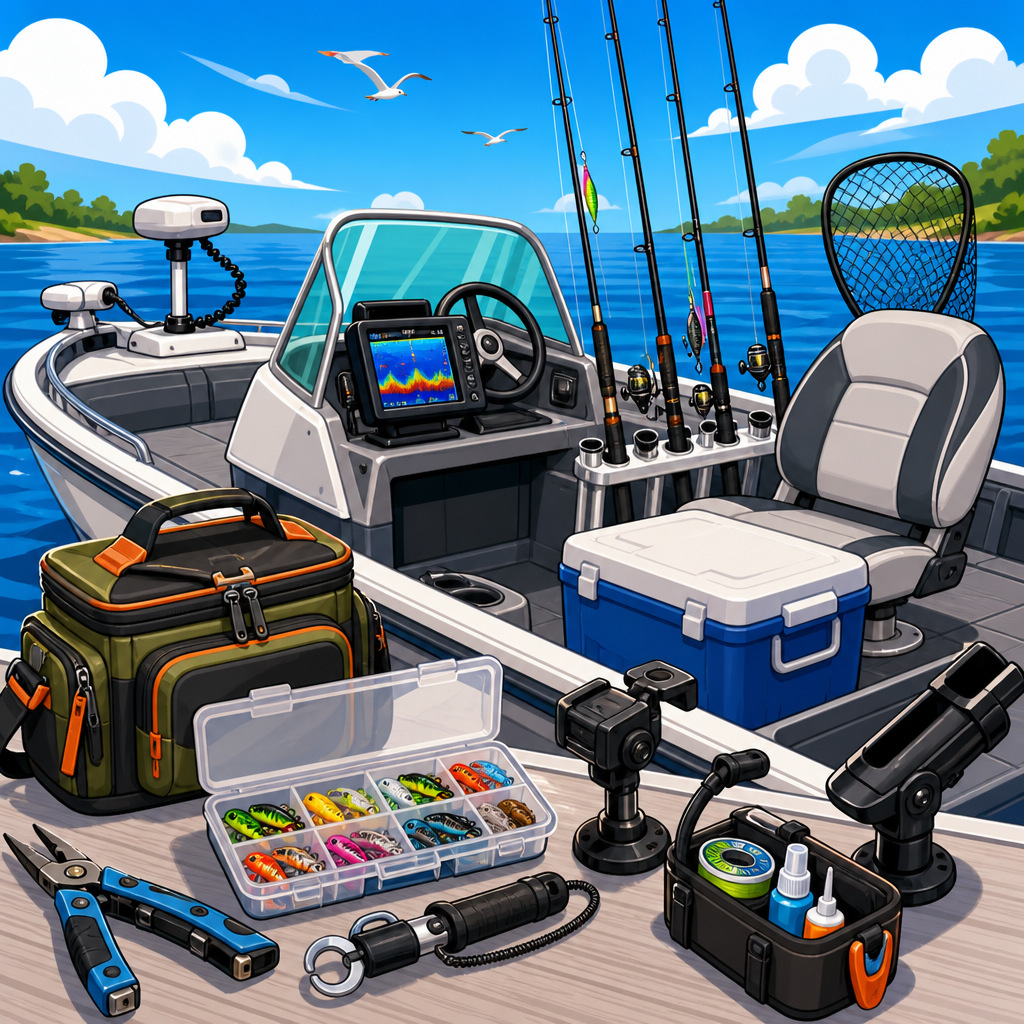
Boat fenders and docking bumpers are the first line of defense between your hull and the hard surfaces that cause expensive cosmetic and structural damage. In practical terms, a boat fender is a portable cushion, usually vinyl or foam, hung from a rail or cleat to absorb impact while docking, rafting, or waiting at a fuel pier. A docking bumper is fixed protection mounted on a dock, slip, piling, or seawall to shield the boat from repeated contact. Together, they reduce gelcoat scratches, cracked rub rails, dented aluminum, and the cumulative stress that comes from wind, current, and wake. For owners building out a list of must-have boating accessories, fenders belong near the top because they protect one of the most valuable pieces of equipment on board: the vessel itself.
I have outfitted trailered fishing boats, center consoles, pontoon boats, and cruising sailboats, and the pattern is always the same. Owners spend heavily on electronics, safety gear, anchors, and canvas, then try to save money on fenders by buying undersized models or too few of them. That choice usually shows up later as repair bills. A quality set of fenders is cheaper than gelcoat work, paint correction, or replacing a damaged dock ladder after a hard landing. Good docking bumpers matter just as much if your boat lives in a slip. They create a consistent protective surface where contact happens most often, especially at finger piers, narrow fairways, and exposed marina ends.
This guide explains how to choose the best boat fenders and docking bumpers, but it also serves as a hub for must-have boating accessories more broadly. Dock lines, cleats, chafe guards, fender lines, inflation tools, storage racks, mooring whips, and boarding gear all connect to the same real-world job: bringing a boat alongside safely and keeping it protected after the engine is off. If you want one rule to remember, it is this: buy fenders based on the boat’s displacement, freeboard, and docking conditions, not just overall length. Size, shape, material, and placement determine whether a fender actually absorbs impact or simply gets pushed aside when the wind loads the hull.
What makes the best boat fenders for real-world docking
The best boat fenders combine the right dimensions, durable marine-grade materials, reliable inflation retention, and attachment points that hold their shape under load. Most recreational boat owners choose from three common styles. Cylindrical fenders are the standard all-purpose option for slips, bulkheads, and rafting. Round fenders work well for bows, high flare, and irregular contact points. Low-profile or specialty fenders, including transom and corner designs, target specific hull shapes and docking layouts. For permanent berth protection, dock bumpers are available in straight, corner, D-profile, and heavy-duty extruded forms.
Material quality matters more than marketing language. Rotomolded marine vinyl remains the benchmark for inflatable fenders because it balances flexibility, puncture resistance, UV durability, and reasonable cost. Closed-cell foam fenders are popular for tenders, workboats, and applications where inflation maintenance is inconvenient, though they can scuff more easily and usually cost more for equivalent protection. On docks, resilient PVC, EPDM rubber, and foam-filled profiles are common. In freshwater marinas with moderate traffic, standard PVC bumpers often perform well for years. In high-traffic commercial settings or hot climates with severe UV exposure, thicker extrusions and better fasteners justify their higher price.
Brand reputation is useful because quality differences are obvious over time. Polyform, Taylor Made, Majoni, Dock Edge, and Mission are recognized names for recreational use. Polyform’s G-series and F-series fenders are widely trusted because they maintain shape, offer consistent wall thickness, and are easy to source in multiple sizes and colors. Taylor Made Big B fenders are another marina staple. Dock Edge is common for permanent dock bumper systems. Specialty systems such as inflatable fender boards or modular docking cushions can solve unusual layouts, but they do not replace a core set of standard fenders.
How to size boat fenders and docking bumpers correctly
Boat fender sizing is often simplified to length alone, but experienced skippers look at beam, displacement, freeboard height, and exposure. A lightweight 20-foot bowrider and a heavy 20-foot pilothouse boat do not hit a dock with the same force. Windage also changes the equation. Pontoon boats, express cruisers, and cabin boats present more surface area to the wind, so they need larger fenders and better spacing. As a starting point, many manufacturers suggest roughly one inch of cylindrical fender diameter for every four to five feet of boat length for average protected-water use, then stepping up a size for rougher conditions. That guideline is useful, but only as a baseline.
| Boat type and length | Recommended portable fender setup | Typical dock bumper choice |
|---|---|---|
| 16-20 ft runabout or skiff | Three 5.5 x 20 in cylindrical fenders | Straight PVC profile on finger pier |
| 20-26 ft center console or pontoon | Four 6.5 x 23 in cylindrical fenders | D-profile bumper with corner sections |
| 26-35 ft cruiser or sailboat | Four to six 8.5 x 27 in fenders plus one round bow fender | Heavy straight bumper at contact zones |
| 35-45 ft yacht | Six 10 x 30 in fenders, fender board for pilings | Heavy-duty extruded system with reinforced mounts |
Placement is as important as size. The ideal fender sits at the boat’s widest point and at any location where hard contact is likely, such as near the stern quarter or forward shoulder. On floating docks, keep fenders low enough to meet the dock edge as water levels change. On fixed docks, account for tide range and wake. For pilings or rough timber docks, a fender board spreads load across two fenders and prevents them from getting trapped between the hull and a protruding surface. That accessory is overlooked by newer owners, but it is one of the most useful additions for tidal marinas and older slips.
Best boat fender types for different vessels and docking conditions
For small fishing boats, aluminum utility boats, and compact center consoles, standard cylindrical vinyl fenders are usually the best choice because they are versatile, easy to stow, and affordable enough to buy in proper quantity. A 22-foot bay boat that frequently visits fuel docks benefits from four mid-size fenders rather than three small ones, especially when a side wind pins the boat against a piling. Pontoon boats need larger-diameter fenders because their fence rails and deck edges can make contact before the tubes of a standard fender fully compress. Flat-sided pontoon-specific bumpers and rail-mounted protectors are worth considering for owners who dock often in tight slips.
Sailboats present a different challenge. Their topsides are often higher, the hull shape flares, and marinas may require rafting during events. Long cylindrical fenders hung horizontally can work under a wide rub rail, but round fenders or larger vertical units generally protect better against pilings and other hulls. Cruisers and express boats with glossy gelcoat should prioritize non-abrasive covers. Fleece or knitted fender covers reduce squeaking and scuff transfer, especially with dark-colored hulls. They do collect grit and need washing, so they are a finish-protection accessory, not a substitute for a larger fender.
Permanent docking bumpers depend on the berth. Straight profiles suit finger piers where the hull lies parallel to the dock. Corner bumpers protect the entry point at the end of a slip, where many minor accidents happen. Vertical piling pads work well where crosswinds swing the bow in. If your marina berth sits at the end of a fairway and wakes roll through all afternoon, choose a thicker dock bumper system with stainless or hot-dip galvanized fasteners and backing support. The best product is not the cheapest strip of plastic; it is the one that stays attached and keeps its resilience after years of compression, sun, and salt.
Must-have boating accessories that support safer docking
Fenders work best as part of a coordinated docking kit. The first supporting accessory is dock line. A proper set includes bow, stern, and spring lines sized to the boat and long enough for the slip layout. Double-braid nylon remains the standard because it stretches under load, helping absorb shock from surge and wake. Polyester is excellent for low-stretch control lines on sailboats, but for general docking, nylon’s elasticity is a benefit. Chafe gear is equally important. At cleats, chocks, and rough pilings, unprotected line can wear surprisingly fast. Leather, tubular webbing, or purpose-built chafe guards are inexpensive insurance.
Fender lines deserve more attention than they get. Thin, cheap cord slips, knots poorly, and can cut into your hand when adjusting under load. Purpose-made braided fender line in 3/8-inch or larger diameter is easier to work with and holds common knots such as the clove hitch and round turn with two half hitches. Adjustable fender locks or clip systems speed setup for crews that dock frequently, though I still recommend learning basic knot placement because hardware can fail and not every rail or lifeline is suited to clip-on accessories.
Other useful accessories include a compact fender pump or needle inflator, fender hangers for storage, line caddies, mooring whips for exposed slips, and boat hooks for controlled reach at the dock. A boarding step can prevent passengers from stepping onto a fender, which both damages the fender and destabilizes the transfer. Good deck footwear also belongs in this conversation. Slips happen during docking, and a crew member who loses footing while handling lines can create more hull damage than the original maneuver would have caused.
How to install, use, and maintain fenders and bumpers properly
Portable boat fenders should be inflated firmly but not rock hard. In warm weather, overinflated fenders expand and lose some ability to absorb impact; underinflated fenders collapse too easily and can pinch out between the hull and dock. Follow the manufacturer’s pressure guidance when available, and check inflation at the start of the season and during major temperature swings. Tie fenders to strong points, not weak stanchions or decorative rails. Set them before entering a tight marina, with at least one spare ready to deploy where conditions change unexpectedly.
Dock bumpers should be mounted with corrosion-resistant hardware appropriate to the structure. On wood docks, use backing washers where needed to prevent pull-through. On composite or metal systems, follow the dock manufacturer’s fastener recommendations and avoid creating galvanic issues by mixing incompatible metals in wet, salty environments. Keep bumper height aligned to the typical rub rail or contact zone of the boat, and if multiple boats use the slip, prioritize the largest and heaviest regular user. Installation mistakes usually show up as hull marks just above or below the bumper, which means the profile is correct but the elevation is not.
Maintenance is simple but important. Wash salt and grime off fenders to reduce surface abrasion. Clean fender covers so trapped dirt does not act like sandpaper. Inspect eyelets, seams, and valves at least monthly in active season. Replace dock bumper sections when they harden, crack, or detach, because aged materials lose energy absorption well before they visibly fail. If your marina allows it, mark ideal fender positions on rails or lines so different crew members can rig the boat consistently. That small system saves time and reduces docking stress for everyone aboard.
Choosing the right setup for value, protection, and long-term ownership
The best boat fenders and docking bumpers are the ones matched to your boat, berth, and local conditions, then used consistently. For most owners, that means buying one size larger than the bare minimum, carrying at least one more fender than you think you need, and treating docking gear as essential equipment rather than optional accessories. A modest upgrade from bargain fenders to proven marine brands often delivers better valve reliability, thicker walls, cleaner finishes, and longer service life. The same logic applies to dock bumpers: properly mounted, well-sized protection prevents recurring low-speed damage that quietly devalues a boat over time.
As a hub within boating gear and equipment, this topic connects directly to every other must-have boating accessory category. Dock lines, cleats, chafe protection, storage solutions, boarding aids, maintenance supplies, and safety gear all support the same goal: controlled arrivals, protected hulls, and less wear on the boat you depend on. Start by evaluating where your boat actually touches docks, pilings, trailers, and neighboring boats. Measure those points, choose fenders and bumpers for that reality, and build a docking kit around them. If your current setup leaves marks on the hull, slides out of place, or feels undersized in wind, upgrade it before the next busy weekend at the marina.
Frequently Asked Questions
What is the difference between a boat fender and a docking bumper?
A boat fender is a portable protective cushion that hangs from your boat and moves with it, while a docking bumper is a fixed protective pad or profile mounted to a dock, piling, seawall, or slip. In real-world use, boat fenders are designed to absorb impact during docking, rafting alongside another boat, or when sitting temporarily against a fuel dock or bulkhead. They are usually made from marine-grade vinyl, PVC, or foam, and they can be positioned wherever protection is needed most. Docking bumpers, on the other hand, stay attached to the structure and are meant to shield your hull from repeated contact at a specific location, such as a slip corner, finger pier, or piling edge.
The two are not interchangeable in the most effective setup. A fender protects the boat wherever it goes, and a bumper protects the dock area where contact is expected again and again. The best protection comes from using both together. For example, if you routinely dock in a narrow slip with crosswinds or current, fixed dock bumpers can protect the structure’s contact points while properly placed fenders on the boat absorb motion and reduce scuffing. That layered approach helps prevent cosmetic damage like gelcoat scratches and rub-rail marks, as well as more serious issues such as stress cracks or localized hull impact.
How many boat fenders do I need, and what size should I choose?
The right number and size of fenders depends on your boat’s length, freeboard, weight, and how you dock. A common rule of thumb is to carry at least three fenders for smaller boats and four to six for mid-size and larger vessels, but more is often better if you raft up, travel frequently, or dock in changing conditions. As for size, many boaters use the guideline of roughly 1 inch of cylindrical fender diameter for every 4 to 5 feet of boat length. That means a 20-foot boat may use 5-inch fenders, while a 30-foot boat may be better served by 6.5- to 8-inch models, depending on beam and displacement.
That said, sizing is not only about length. A heavier cruiser needs more cushioning than a lightweight center console of the same size, and a boat with high topsides may require larger or longer fenders to keep protection aligned with the dock edge. If you frequently encounter rough wakes, tidal movement, or concrete docks, larger fenders provide more compression range and impact absorption. Many experienced boaters choose one size up from the minimum recommendation because under-sized fenders can compress too easily and fail to keep the hull off the dock. It is also smart to carry a mix of shapes, such as cylindrical fenders for general side protection and round fenders for awkward contact points, pilings, or rafting situations.
Where should boat fenders be placed for the best docking protection?
Fenders work best when they are placed at likely contact points rather than spaced randomly along the rail. In most docking situations, that means protecting the widest part of the beam, the aft quarter where the boat may pivot while backing or turning in, and the forward section where the bow can swing toward the dock. The fender should hang low enough that its centerline meets the dock edge or structure that would otherwise touch the hull, but not so low that it rides in the water unnecessarily. Correct height is critical because a perfectly good fender can be ineffective if it sits above the dock face or below the contact point.
Placement should also change with the docking environment. Against pilings, you may need fenders positioned vertically and closer together. Against flat docks, horizontal placement can sometimes protect more area, especially with specialty fenders. In rough conditions, adding extra fenders between your main contact points helps reduce gaps as the boat surges. When rafting alongside another vessel, fenders should be aligned with the strongest structural areas and positioned where hulls are most likely to meet. It is also worth checking your setup after the lines are secured, because boats often settle into a different angle once wind, current, spring lines, and tide all begin to influence how the hull rests.
What features should I look for when buying the best boat fenders and dock bumpers?
For boat fenders, focus first on material quality, size, and durability. Marine-grade vinyl or heavy-duty PVC models are popular because they resist UV exposure, saltwater, and abrasion while remaining flexible enough to absorb impact. Look for reinforced eyelets or rope holes, consistent wall thickness, and valves that allow proper inflation without leaking. A quality fender should compress under pressure and then recover its shape rather than flattening permanently. If appearance matters, non-marking surfaces are especially useful for protecting light-colored gelcoat from scuffs.
For dock bumpers, the key features are mounting strength, shape, and suitability for the contact area. Straight bumpers can protect finger piers and dock faces, corner bumpers shield vulnerable edges, and piling wraps or pads help where boats press against posts. Closed-cell foam and marine-grade PVC are both common, but the right choice depends on whether you need soft impact absorption, long-term abrasion resistance, or both. Hardware matters too. Stainless steel fasteners and corrosion-resistant backing support longer service life in marine conditions. If your slip sees strong current, wake action, or regular heavy-boat use, choose thicker bumpers with secure mounting systems that will not tear loose under repeated load. The best products are not simply the cheapest or the largest; they are the ones matched to your boat, your dock, and the conditions you actually face.
How do I maintain boat fenders and docking bumpers so they last longer?
Regular maintenance is simple, but it makes a noticeable difference in longevity and performance. Boat fenders should be rinsed with fresh water to remove salt, grit, and fuel residue, then cleaned periodically with a mild soap formulated for marine surfaces. Dirt and embedded grime can turn a fender into a scuffing surface, so keeping them clean helps protect the hull as much as it preserves the fender itself. Check inflation levels routinely, especially during temperature swings, because underinflated fenders lose protective value and overinflated ones may become too rigid. Inspect eyelets, lines, and covers for wear, and replace any damaged line before it fails during docking.
Dock bumpers also benefit from inspection and cleaning. Look for cracked plastic, compressed foam, loose fasteners, and signs of UV breakdown. If a bumper shifts or pulls away from the dock, it may create a hard edge that does more harm than good. Tighten or replace corroded mounting hardware, and confirm that the bumper still aligns with the boat’s contact zone at different tide levels if your area is tidal. During the off-season or before heavy-weather periods, it is wise to inspect all protection points around the slip and replace anything that has become brittle, flattened, or detached. Well-maintained fenders and bumpers are not just accessories; they are inexpensive insurance against repairs that can quickly become far more costly than the protection itself.