Setting sail into international waters is an exciting adventure for many boating enthusiasts. It offers an opportunity to explore new horizons, experience diverse cultures, and enjoy the vast, open sea without the boundaries imposed by national jurisdictions. However, navigating international waters is not without its complexities and challenges. To ensure a smooth journey, it’s essential to equip yourself with the necessary knowledge and understanding of boating regulations, safety measures, and potential pitfalls associated with international maritime travel. This guide aims to provide comprehensive insights into what you need to know before embarking on a boating expedition across international waters. Whether you’re a seasoned sailor or a curious novice, understanding the intricacies of international boating laws, documentation requirements, safety protocols, and environmental considerations is vital. By the end of this article, you’ll be well-prepared to set sail with confidence and competence, knowing you’ve covered all necessary preparations to ensure both safety and legal compliance in international waters.
Understanding International Waters
International waters, also known as the high seas, begin beyond a country’s 12 nautical miles limit and extend into areas beyond any nation’s territory. These waters are governed by international laws rather than the laws of any single country. The United Nations Convention on the Law of the Sea (UNCLOS) outlines the legal framework that governs these areas, ensuring freedom of navigation and overflight. This means that, unlike territorial waters, ships in international waters are subject primarily to the laws of the nations under which they are registered, a concept known as the flag state principle. This understanding is crucial for boaters because it affects everything from registration and taxation to the handling of disputes at sea.
Legal Requirements and Documentation
Before heading into international waters, it’s essential to ensure that all legal requirements are in order. The first step is to have your vessel properly registered. Every boat should have a current registration with its flag state, which must also issue necessary certifications indicating that the vessel is seaworthy. Additionally, if you plan to enter the territorial waters of other countries during your trip, you will need to prepare for port entry and exit clearance procedures. This often involves carrying proper documentation, including passports and visas for all aboard, proof of ownership, and any required cruising permits issued by the countries on your itinerary. Failing to comply with these requirements can result in significant fines, forced port stops, or being denied entry altogether.
Safety Measures and Precautions
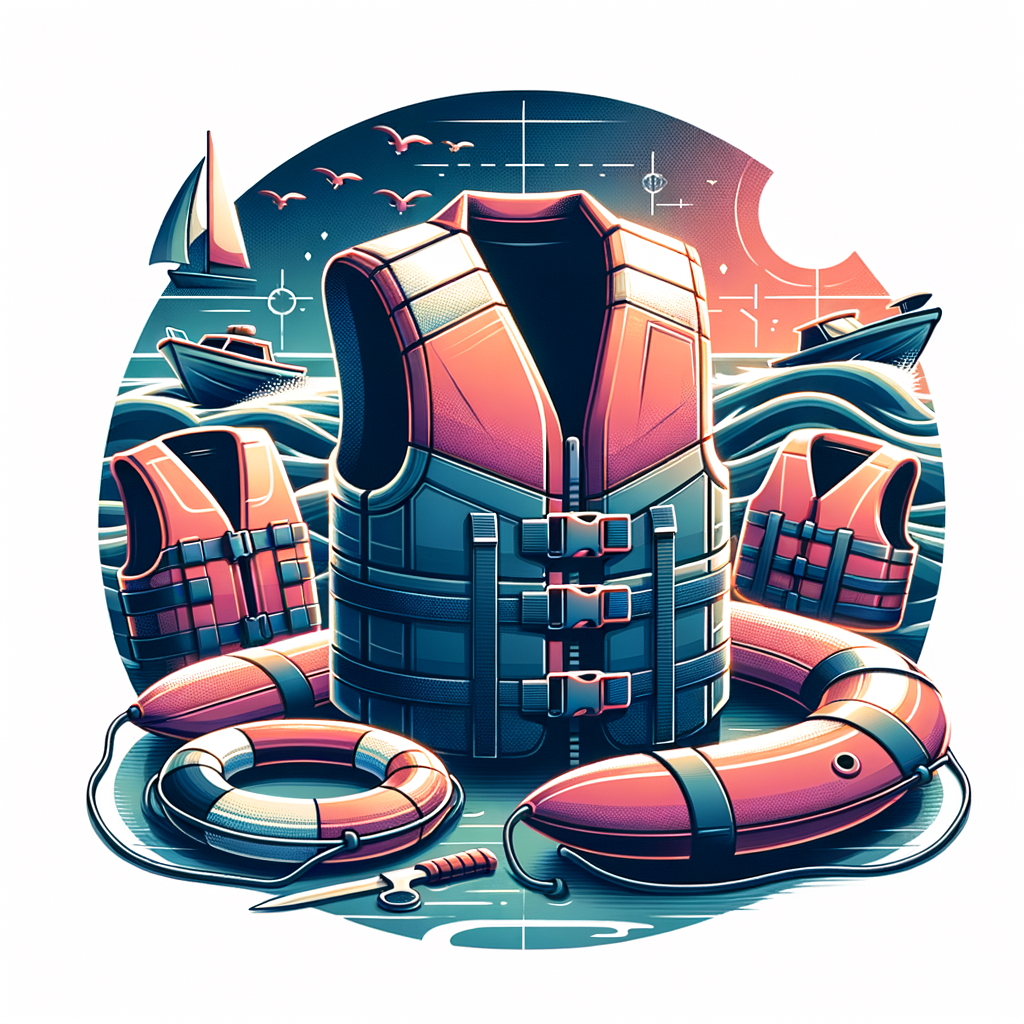
Prioritizing safety is an integral part of preparation for any boating journey, especially in international waters where immediate assistance may not be readily available. Ensure your vessel is equipped with appropriate life-saving appliances, including life jackets, lifeboats, and more. Modern communication technologies, such as satellite phones and emergency position-indicating radio beacons (EPIRBs), are vital for maintaining contact with maritime rescue authorities if an emergency arises. Furthermore, conducting regular safety drills with your crew, familiarizing everyone with procedures and equipment, and ensuring that everyone onboard knows how to respond to emergencies can significantly enhance preparedness and response capability. Being prepared for adverse weather conditions through careful monitoring and forecasting is equally crucial to avoid unnecessary risks.
Navigation and Technology
Successful navigation in international waters involves harnessing both traditional skills and modern technology. While satellite GPS systems have become the backbone of contemporary marine navigation, understanding how to use charts, perform dead reckoning, and read the skies remains invaluable. Advanced navigation systems, such as electronic chart display and information systems (ECDIS) and automatic identification systems (AIS), enhance sailing accuracy and safety. These technologies help avoid potential conflicts with other vessels and ensure adherence to international maritime navigation rules, particularly in heavily trafficked areas. Staying updated with navigational warnings through reliable sources and tracking your route meticulously can prevent incidents and violation of restricted zones.
Understanding and Adhering to Environmental Regulations
Environmental protection has become a significant focus in international maritime operations. Before embarking on a journey through international waters, understanding and adhering to the International Maritime Organization’s (IMO) regulations on pollution prevention is crucial. These laws cover various pollution risks such as oil spills, disposal of garbage, hull bio-fouling, and air emissions. Boaters must ensure that waste and sewage are managed in line with international standards. Having a comprehensive waste management plan is part of complying with international regulations and maintaining the pristine conditions of marine ecosystems. Being informed about restricted ecological zones and respecting marine protected areas also plays a part in reducing the environmental footprint of your voyage.
Security Concerns and Piracy
Security remains a critical concern for anyone venturing into international waters, especially in regions known for piracy. Pirates can pose a significant threat to both the crew and the vessel, so it is vital to be familiar with current piracy hotspots and adopt best management practices (BMP) to mitigate these risks. Providing physical security measures, such as installing secure locks, security systems, and having a solid plan for what to do in an attack, are necessary preparations. Maintaining a non-confrontational posture, cooperating with naval patrols in high-risk regions, and keeping abreast of security advisories issued by authorities can also play a part in safe passage through such areas.
Insurance and Financial Considerations
A comprehensive insurance policy designed for international boating is imperative to protect against the unexpected. This includes coverage for vessel damage, liability, and emergency evacuation costs. Thoroughly understanding the terms and conditions of your insurance policy and ensuring it covers international waters is necessary. Equally, financial readiness for incidental expenses like port fees, potential repairs, and unplanned stopovers is important. Converting money into foreign currencies as needed, understanding exchange rates, and having access to international banking services, ensures that you can handle financial transactions efficiently during your trip. Establishing these financial safeguards helps prevent financial burdens that could detract from the enjoyment and safety of your expedition.
Culture and Etiquette
Embarking on a journey through international waters also involves interacting with diverse cultures and local communities. Awareness and respect for cultural differences, customs, and traditions can enhance your overall experience. Researching your destinations beforehand and learning a few phrases in the local language demonstrates respect and openness, which can foster positive interactions. Displaying appropriate flag etiquette, dressing conservatively as required by local customs, and adhering to local regulations when visiting ports are key to maintaining harmonious relations. A proactive approach to understanding local sensibilities will ensure that your presence is welcomed, allowing better cultural exchange and enjoyable encounters.
Fishing and Recreational Activities
For many, fishing is a significant aspect of the boating experience. However, it is crucial to understand and respect international conservation laws to avoid penalties or confiscation of catches. Adhering to catch limits, licensing requirements, and gear restrictions ensures sustainable fishing practices. Additionally, indulging in other water-related recreational activities, such as diving or snorkeling, requires understanding the rules and potential environmental impacts associated with those activities within the regions you are visiting. Showing respect and consideration for marine life and habitats not only preserves the environment but also enriches the boating adventure by maintaining the natural beauty and biodiversity of the seas you traverse.
Conclusion
Boating in international waters encompasses much more than just navigating the wide-open ocean; it integrates complex legal, safety, environmental, and cultural elements that require careful preparation and informed understanding. From ensuring compliance with international laws and securing the necessary documentation, to embracing safety and technological innovations, the dimensions of international maritime travel are broad. Understanding the potential security challenges and having appropriate strategies in place, along with embracing cultural and environmental respect, can vastly improve your experience and ensure that your journey is smooth and enjoyable. While the vastness of the ocean can be daunting, the unique experiences and opportunities presented by international waters offer unparalleled adventure. With diligent preparation and respect for the maritime environment, you can navigate these waters confidently and safely, allowing for an enriching and unforgettable journey that both respects the environment and celebrates the diversity of cultures encountered along the way. Let this guide be the compass that points you toward a successful and fulfilling voyage, ensuring that you return home with stories of adventure and a deeper understanding of our world’s oceanic realms.
Frequently Asked Questions
1. What are international waters, and how do they differ from territorial waters?
International waters, also known as the high seas, are areas of the sea that are not under the jurisdiction of any single nation. They start beyond the 12 nautical mile limit from the baseline of a coastal state, beyond which countries cannot enforce their laws. In contrast, territorial waters are zones extending up to 12 nautical miles from a country’s coastline, where national laws and regulations apply. When boating in international waters, you are no longer subject to the regulations of any specific country, though you still need to comply with international maritime laws, such as those set by the International Maritime Organization. Understanding the distinction is crucial for planning your route and knowing when you must adhere to local versus international protocols.
2. What legal requirements must be met before setting sail in international waters?
Preparing to navigate international waters involves several legal requirements. Firstly, ensure your vessel is registered and carries necessary documentation, such as a certificate of registration and onboard licenses. Skippers need to have a valid nautical license, appropriate for international sailing. It’s also advisable to be familiar with the laws of the countries you plan to depart from or enter, as you could be subject to customs regulations and require visas or other travel permits. Additionally, vessels must adhere to international standards for safety and environmental protection, such as complying with MARPOL regulations concerning pollution. Always check for specific regulations or agreements, such as those governing protected maritime zones or international straits.
3. What are the safety precautions one should take when boating in international waters?
Safety is paramount when venturing into international waters. Begin by conducting a thorough inspection of your boat, ensuring it’s seaworthy and equipped with safety gear, such as life vests, lifeboats, and emergency beacons. Install reliable communication devices for maintaining contact, such as VHF radios or satellite phones. It’s crucial to have a well-stocked first-aid kit and ample supplies of food and water. Familiarize yourself with international distress signals and ensure your crew understands emergency procedures. Additionally, monitoring weather conditions and having a clear navigation plan can prevent unexpected problems. Insurance is another aspect of safety; international coverage protects against mishaps or accidents that may occur outside national jurisdictions.
4. How should one handle encounters with other vessels or authorities in international waters?
In international waters, encounters with other vessels or maritime authorities are not uncommon. When interacting with other boats, especially near busy shipping lanes, maintain clear communication to avoid misunderstandings. It’s vital to keep your AIS (Automatic Identification System) active, which helps in tracking vessel positions to ensure safety. In case of interception by maritime authorities, remain calm and cooperative. International law accords certain rights pertaining to procedures, such as the United Nations Convention on the Law of the Sea, which guides such interactions. Staying informed about these rights can help in understanding your obligations and protecting yourself against any unauthorized or illegal boarding.
5. What environmental regulations apply when sailing in international waters?
Boating enthusiasts must abide by international environmental regulations to protect ocean ecosystems. The International Convention for the Prevention of Pollution from Ships (MARPOL) is a central regulation that manages pollution from ships, including oil, sewage, garbage, and air emissions. All vessels must be equipped with systems to handle such waste appropriately. You are prohibited from discharging specific substances that harm marine life. Additionally, countries may have particular treaties regarding the protection of marine biodiversity within specific areas of international waters. Always stay updated on conservation efforts and ensure your activities do not disrupt marine environments, particularly in ecologically sensitive areas or marine protected areas.