Keeping your boat in top shape year-round starts with a simple truth: consistent maintenance is cheaper, safer, and far less stressful than emergency repairs. A DIY boat maintenance guide is not just a checklist for owners who like turning wrenches on weekends. It is a practical system for protecting hull integrity, engine reliability, onboard safety, resale value, and time on the water. In my experience working through seasonal service on fishing boats, pontoons, center consoles, and small cruisers, the owners who avoid major breakdowns are usually not the ones spending the most money. They are the ones who inspect often, document what they find, and handle small issues before they grow into expensive failures.
Boat maintenance covers every major system: hull, propeller, engine, fuel delivery, battery, electrical circuits, bilge, steering, trailer, plumbing, and safety gear. Year-round means adapting care to each season rather than treating winterization or spring commissioning as isolated events. Saltwater exposure, ultraviolet radiation, vibration, moisture intrusion, ethanol-blended fuel, galvanic corrosion, and freeze damage all work against a boat even when it sits unused. That is why owners need a repeatable routine built around inspection intervals, cleaning standards, manufacturer service schedules, and storage conditions. This hub article explains that routine in plain terms, so you can use it as the foundation for deeper maintenance and repair tasks across the broader boat maintenance and repairs category.
A strong DIY approach does not mean doing everything yourself. It means knowing which jobs belong on your regular schedule, which tools and materials are worth keeping onboard or in the garage, and when a marine technician should step in. The goal is to make your boat dependable every month of the year, whether you run it weekly or only during peak season.
Build a Year-Round Boat Maintenance Routine
The most effective way to keep a boat in top shape is to divide maintenance into four rhythms: pre-launch checks, post-trip care, monthly inspections, and seasonal service. This structure works because boats fail predictably. Hoses harden over time, battery charge drops during storage, sacrificial anodes disappear gradually, and trailer bearings rarely collapse without earlier warning signs. A written maintenance log turns those patterns into action. Record engine hours, oil changes, lower unit service dates, battery voltage readings, impeller replacements, fuel filter changes, and any new noises or leaks. If you ever sell the boat, a detailed log also supports stronger resale value.
Start with your owner’s manuals. Boat builders, outboard manufacturers such as Yamaha, Mercury, and Suzuki, and sterndrive brands such as MerCruiser and Volvo Penta publish service intervals for lubricants, cooling components, spark plugs, belts, and filters. Follow those intervals first, then adjust for heavy use, saltwater operation, or long idle periods. For example, many outboards call for engine oil and filter changes every 100 hours or annually, whichever comes first. In saltwater, flushing after every trip is nonnegotiable, even if the engine was used briefly. On trailer boats, bearing inspection and tire pressure checks should happen before every longer tow, not just at the start of summer.
Owners often ask what matters most if they have limited time. The answer is straightforward: water intrusion, fuel quality, battery condition, and corrosion control. Those four issues account for a large share of avoidable problems. A loose deck fitting can saturate core material. Old fuel can clog injectors or carburetor passages. A neglected battery can sulfate beyond recovery. Minor corrosion on terminals, bonding wires, or aluminum components can escalate quickly in a damp marine environment. Handle those basics consistently and your odds of trouble-free boating rise sharply.
Clean, Inspect, and Protect the Hull and Deck
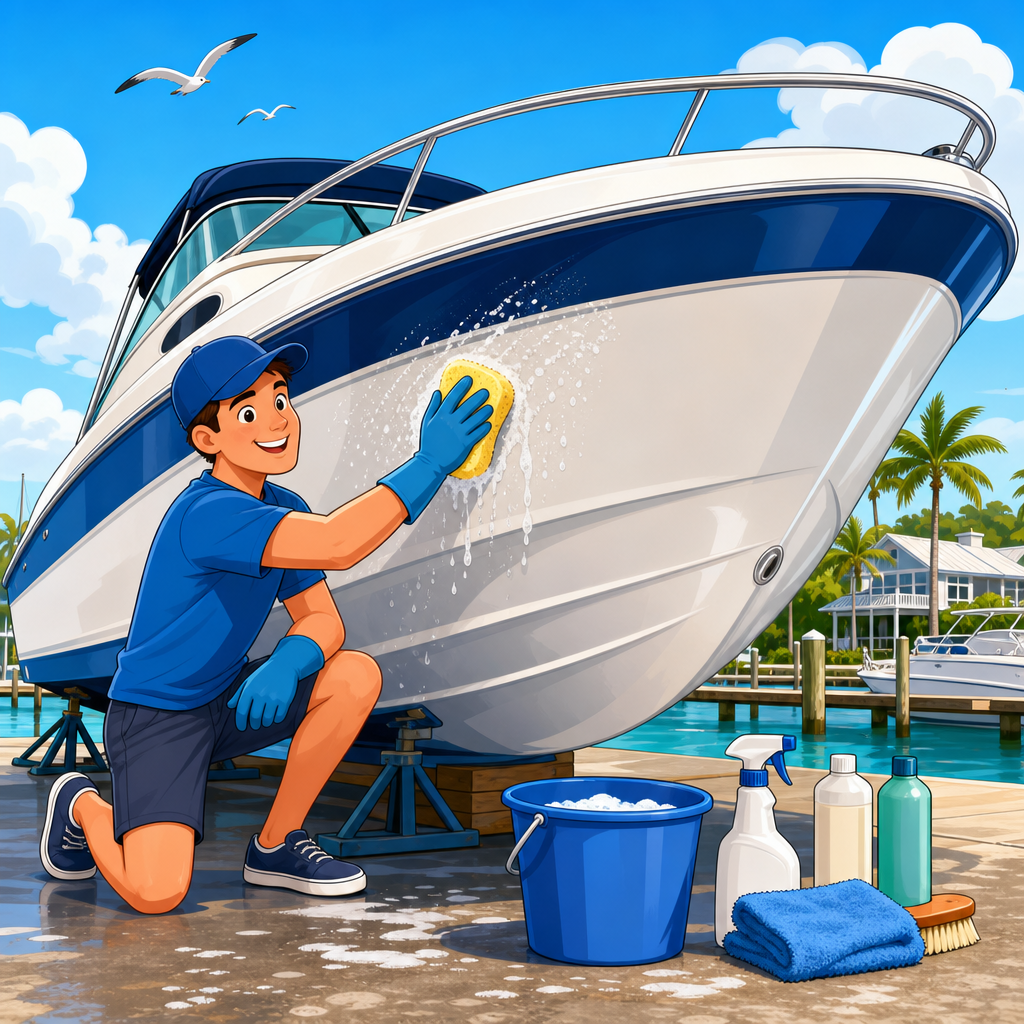
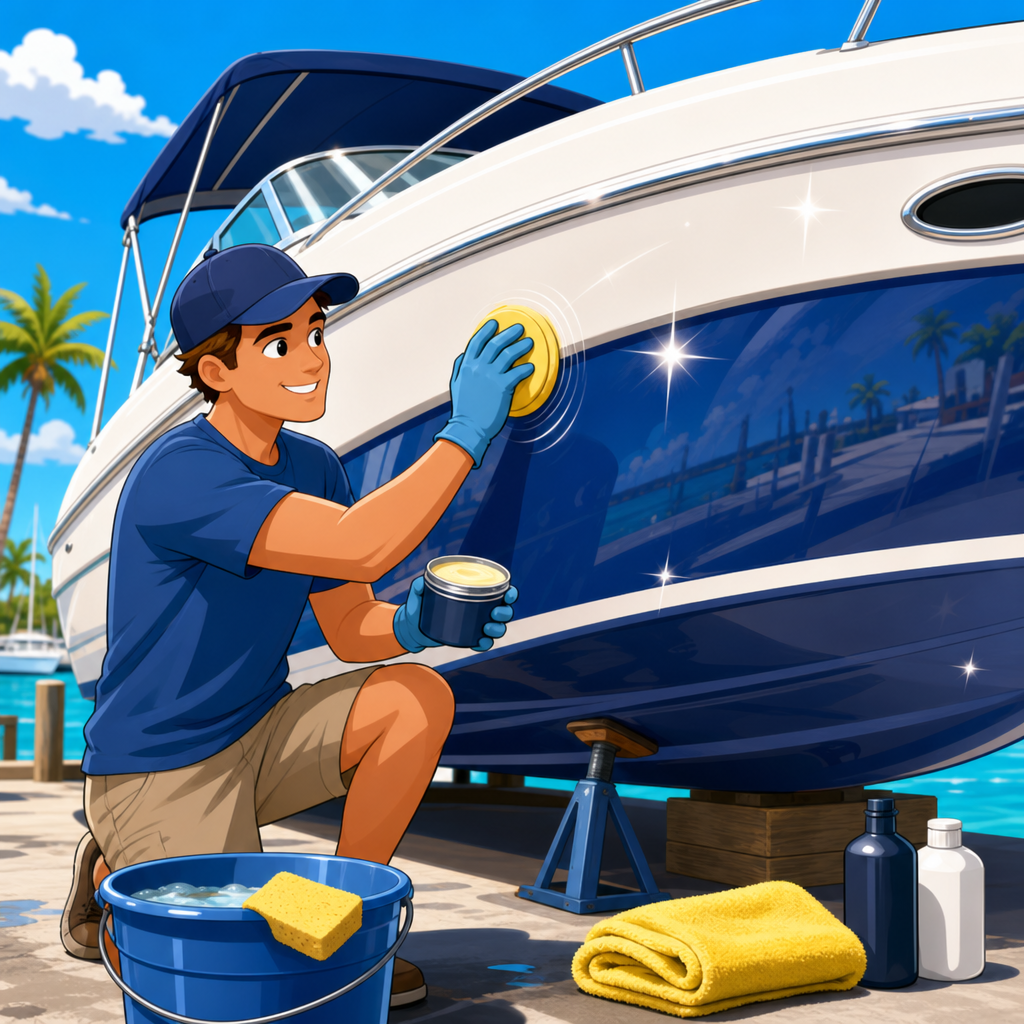
Hull care is more than appearance. Regular cleaning helps you spot blisters, gelcoat cracks, dock rash, loose hardware, failed sealant, and stains that indicate leaks or exhaust issues. Wash the boat with a marine soap rather than household detergents, which can strip wax and damage protective finishes. On fiberglass boats, apply a quality marine wax or polymer sealant on a schedule that matches exposure. In strong sun, that may mean twice per season. UV degradation causes fading, chalking, brittle vinyl, and cracked caulk, so exterior protection is basic preservation, not vanity.
Pay special attention to through-hulls, cleats, rails, windshields, hatches, and electronics mounts. If hardware bedding fails, water can enter the deck or transom structure. I have seen small gaps around rod-holder screws lead to expensive core repairs that could have been prevented with a screwdriver, a moisture check, and fresh marine sealant. For boats kept in the water, inspect antifouling paint, waterline scum, and zinc or aluminum anodes often. Fouling increases drag and fuel consumption, while depleted anodes leave metal components vulnerable to galvanic attack.
Nonskid surfaces need careful cleaning because embedded grime reduces traction. Use a soft to medium deck brush and a cleaner approved for gelcoat or molded nonskid. Avoid aggressive pressure washing close to decals, caulk seams, and aging upholstery. If your boat has canvas, isinglass, or clear vinyl enclosures, use dedicated products designed for those materials. Harsh glass cleaners can cloud clear panels permanently. A clean boat is easier to inspect, safer to board, and cheaper to maintain because defects become visible early.
Maintain the Engine, Fuel System, and Cooling Components
Whether you run an outboard, inboard, or sterndrive, the engine deserves the most disciplined routine in any DIY boat maintenance guide. Begin with the fluid basics: engine oil, gear lube, hydraulic fluids where applicable, and coolant on closed-cooled systems. Change them at the recommended interval and inspect what comes out. Milky gear lube points to water intrusion through seals. Burnt-smelling oil may indicate overheating or extended service intervals. Metal debris on magnetic drain plugs deserves immediate attention. These clues often reveal problems before a failure strands you offshore.
Fuel system care is equally important. Use fresh fuel from high-turnover stations, keep tanks topped appropriately during storage to reduce condensation when recommended by the manufacturer, and replace water-separating fuel filters on schedule. Ethanol-blended gasoline can attract moisture and degrade older hoses not rated for alcohol exposure. If a boat sits for weeks or months, add a marine fuel stabilizer and run the engine long enough for treated fuel to circulate. On older carbureted engines, stale fuel leads to varnish buildup; on modern fuel-injected engines, contamination can damage pumps and injectors. Inspect primer bulbs, fuel lines, clamps, and tank vents for cracks or leaks at least monthly during active season.
Cooling system neglect is another common cause of breakdowns. Raw-water impellers should be replaced at intervals based on use and manufacturer guidance, often annually or every 100 hours for heavily used boats. A weak impeller can still move some water at idle, which fools owners into thinking all is well, then fail under load. Flush outboards and raw-water-cooled systems thoroughly after saltwater use. Check telltale flow on outboards, monitor engine temperature gauges, and investigate alarms immediately. A short overheat event can warp components, damage exhaust parts, or shorten engine life significantly.
Protect Batteries, Wiring, and Electronics
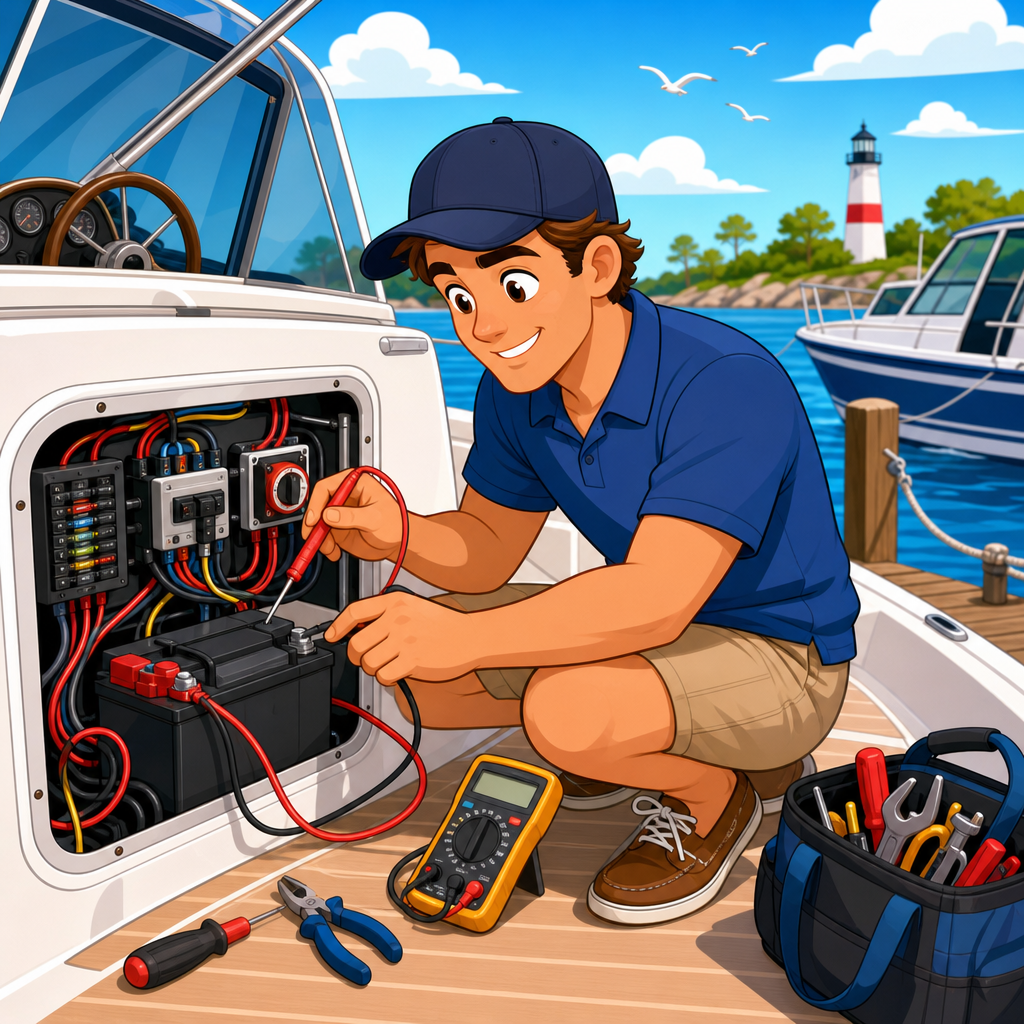
Marine electrical systems fail for predictable reasons: low charge, loose connections, water intrusion, undersized wiring, and corrosion. Start with the battery bank. Test voltage at rest, inspect terminals, confirm hold-downs are secure, and clean any corrosion with appropriate products. A fully charged 12-volt lead-acid battery should generally read around 12.6 to 12.8 volts at rest; readings materially below that suggest partial discharge or battery decline. If you use flooded batteries, check electrolyte levels with the correct safety precautions. AGM and lithium systems need different charging profiles, so verify charger compatibility before upgrading.
Use only marine-grade tinned wire and heat-shrink connectors for repairs. Automotive components corrode too quickly in boats. The American Boat and Yacht Council standards are the benchmark for safe marine wiring practices, including overcurrent protection, conductor sizing, and termination quality. If electronics reboot when you crank the engine, lights dim unexpectedly, or bilge pumps run slowly, look first for voltage drop, poor grounds, or tired batteries. Those symptoms are often electrical, not equipment failure.
Electronic devices also need physical protection. Inspect transducer mounts, chartplotter seals, VHF antenna connections, and fuse panels for moisture or looseness. Update software on multifunction displays when manufacturers release stability fixes. Keep a small dielectric grease supply for suitable terminal applications, spare fuses matched to installed amperage, and labeled wiring diagrams if you have added accessories. Electrical order prevents a surprising number of on-water emergencies.
Trailer, Steering, and Safety Equipment Checks
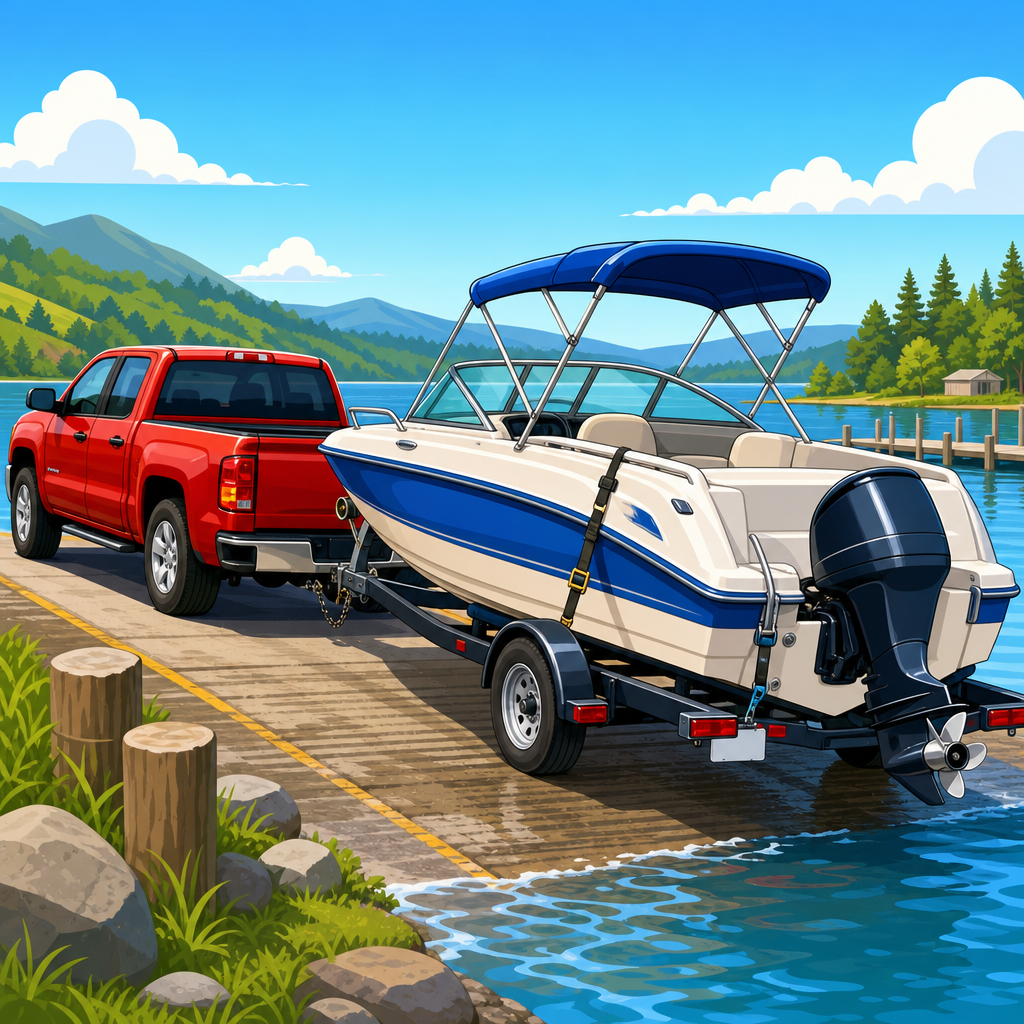
For trailerable boats, the trailer is part of the maintenance plan, not an afterthought. Tires age out before they wear out, especially after sun exposure and long storage periods. Check inflation pressure cold, inspect sidewalls for cracks, verify lug torque, and confirm lights and connectors work before every trip. Wheel bearings need scheduled service and immediate attention if hubs run hot. Brakes, bunks, winch straps, safety chains, and rollers all deserve inspection because a launch-ramp problem can end a boating day before it starts.
Steering systems should feel smooth and predictable. Mechanical steering cables can stiffen from corrosion or lack of use; hydraulic steering requires fluid checks, leak inspection, and occasional bleeding if air enters the system. Shift and throttle cables should move cleanly without binding. If steering suddenly gets heavy, stop using the boat until the cause is diagnosed. Loss of steering control escalates quickly in current, wind, or close quarters.
| Maintenance area | Check frequency | What to look for | Why it matters |
|---|---|---|---|
| Battery voltage | Monthly | Low resting voltage, corrosion, loose terminals | Prevents no-start conditions and electronics issues |
| Engine oil and filter | 100 hours or annually | Dirty oil, leaks, overdue service | Reduces wear and extends engine life |
| Fuel filter/water separator | Seasonally | Water, debris, restricted flow | Protects injectors and carburetors |
| Trailer bearings and tires | Before trips and seasonally | Heat, noise, cracks, low pressure | Prevents roadside failures |
| Safety gear | Before every outing | Expired flares, dead extinguisher gauge, worn life jackets | Supports compliance and emergency readiness |
Safety equipment is where disciplined owners separate themselves from casual ones. Check life jackets for damage and proper fit, inspect fire extinguishers for charge status, verify horn operation, replace expired visual distress signals where required, and test navigation lights. Review local carriage requirements from the U.S. Coast Guard or your national boating authority. Maintenance is not complete if the boat runs well but is unprepared for an emergency.
Seasonal Storage, Winterization, and Spring Commissioning
Year-round boat care depends heavily on how you end one season and begin the next. Winterization is essentially damage prevention during inactivity. In freezing climates, trapped water can crack blocks, manifolds, pumps, and plumbing. Fuel left untreated can oxidize. Batteries left discharged can freeze and fail. Interiors closed up while damp can grow mold rapidly. Proper layup includes fuel stabilization, engine fogging where applicable, cooling system protection, battery maintenance, bilge cleaning, moisture control, and secure breathable cover installation.
Spring commissioning is not just the reverse process. It is a structured inspection. Reinstall batteries, confirm charge levels, test pumps and lights, inspect belts and hoses, verify drain plugs, check fluid levels, examine seacocks and clamps, and run the engine on the hose or according to manufacturer procedure before launch. If the boat was covered for months, inspect for rodent damage to wiring or insulation. I recommend a sea trial checklist for the first outing each season: monitor temperature, oil pressure, charging voltage, steering feel, shift engagement, bilge activity, and top-end engine speed against normal baselines.
If your climate allows year-round boating, you still need seasonal adjustments. Hot months demand closer watch on batteries, livewell pumps, and sun damage. Rainy periods raise the importance of bilge pumps and drain channels. Off-season stretches call for extra fuel management and charger monitoring. Good maintenance is always seasonal, even without snow.
Keeping your boat in top shape year-round comes down to disciplined habits, not heroic repair sessions. Clean the boat so you can inspect it. Follow the engine and trailer service schedule. Protect fuel quality, battery health, and electrical connections. Watch for water intrusion and corrosion before they spread. Treat winterization and spring commissioning as structured maintenance events, not rushed chores. When you do, the payoff is tangible: fewer breakdowns, lower repair bills, better resale value, and more confidence every time you leave the dock.
Use this DIY boat maintenance guide as your hub for the broader boat maintenance and repairs topic, then build your own checklists around your engine type, storage method, and boating season. If you have not started a maintenance log yet, begin today with your current engine hours, battery readings, fluid service dates, and next inspection tasks. That one step makes every future job easier and keeps your boat ready for the water in every season.
Frequently Asked Questions
What year-round boat maintenance tasks should I never skip?
The most important tasks are the ones that protect safety, reliability, and long-term value. At a minimum, boat owners should regularly inspect the hull for cracks, blisters, gouges, loose fittings, and signs of water intrusion. The engine and fuel system also need consistent attention, including checking oil, filters, belts, fuel lines, primer bulbs, clamps, and cooling-water flow. Battery health is another non-negotiable area. Clean terminals, confirm proper charging, and make sure batteries are secured and holding voltage. Beyond that, inspect steering and throttle controls for smooth operation, test bilge pumps and float switches, verify navigation lights and electronics, and confirm that safety gear is onboard, dry, current, and easy to access.
Routine cleaning matters more than many owners realize. Washing salt, grime, algae, and debris off the hull, deck, and hardware helps prevent corrosion, staining, and premature wear. Trailered boats also need wheel bearing checks, tire inspection, brake inspection, light testing, and winch strap examination. If your boat stays in the water, bottom growth and zinc anode wear should be monitored closely. The key is consistency. Small checks performed throughout the year are far easier and cheaper than discovering major hull, engine, electrical, or trailer problems right before a trip.
How often should I service my boat engine and fuel system?
Engine service intervals depend on the type of motor, how often you run it, and whether you operate in freshwater or saltwater, but a good rule is to follow the manufacturer’s schedule and supplement it with regular visual inspections. For many owners, that means checking engine oil, lower unit lubricant, fuel quality, and cooling performance throughout the season, then performing more complete service at recommended hourly or seasonal intervals. Common maintenance items include changing engine oil and filters, replacing fuel-water separators, inspecting spark plugs, checking belts, lubricating moving parts, and flushing the engine after use, especially in saltwater conditions.
The fuel system deserves special attention because fuel issues are one of the most common causes of poor performance and breakdowns. Inspect hoses for cracks, softness, swelling, or ethanol-related deterioration. Check clamps and fittings for tightness and corrosion. If fuel has been sitting, assess whether it is still usable and whether a stabilizer was added during storage. Water contamination, stale fuel, and dirty filters can quickly create hard starting, rough running, or power loss. If your boat sits for long periods, running the engine periodically and keeping the fuel system clean and stabilized can prevent expensive injector or carburetor problems later. If anything seems off, such as unusual smoke, vibration, surging, or overheating, deal with it immediately instead of trying to get one more outing out of the engine.
How can I protect my boat’s hull, exterior, and hardware through every season?
Hull and exterior care starts with frequent washing and inspection. Dirt, salt, bird droppings, fish residue, and marine growth all hold moisture and accelerate wear. Rinse thoroughly after use, especially if you boat in saltwater, and use marine-safe soap rather than harsh household cleaners. Applying wax or a protective sealant to gelcoat surfaces helps reduce oxidation, keeps the finish looking better, and makes future cleanups easier. If you notice chalking, fading, minor scratches, or stains, addressing them early usually prevents more labor-intensive restoration later.
Hardware and fittings need the same level of attention. Rails, cleats, hinges, latches, fasteners, and through-hull fittings should be checked for looseness, corrosion, and sealant failure. A tiny leak around hardware can lead to hidden core damage or interior moisture problems if ignored. For boats stored in the water, bottom maintenance is especially important. Monitor antifouling paint condition, inspect for excessive growth, and replace sacrificial anodes before they are fully depleted. During colder months or layup periods, use a properly fitted cover, keep drainage paths clear, and avoid allowing standing water to collect. Whether the boat is on a trailer, in dry storage, or at a slip, exterior protection comes down to cleaning, inspection, and fast response to early signs of damage.
What should be included in a seasonal boat maintenance checklist?
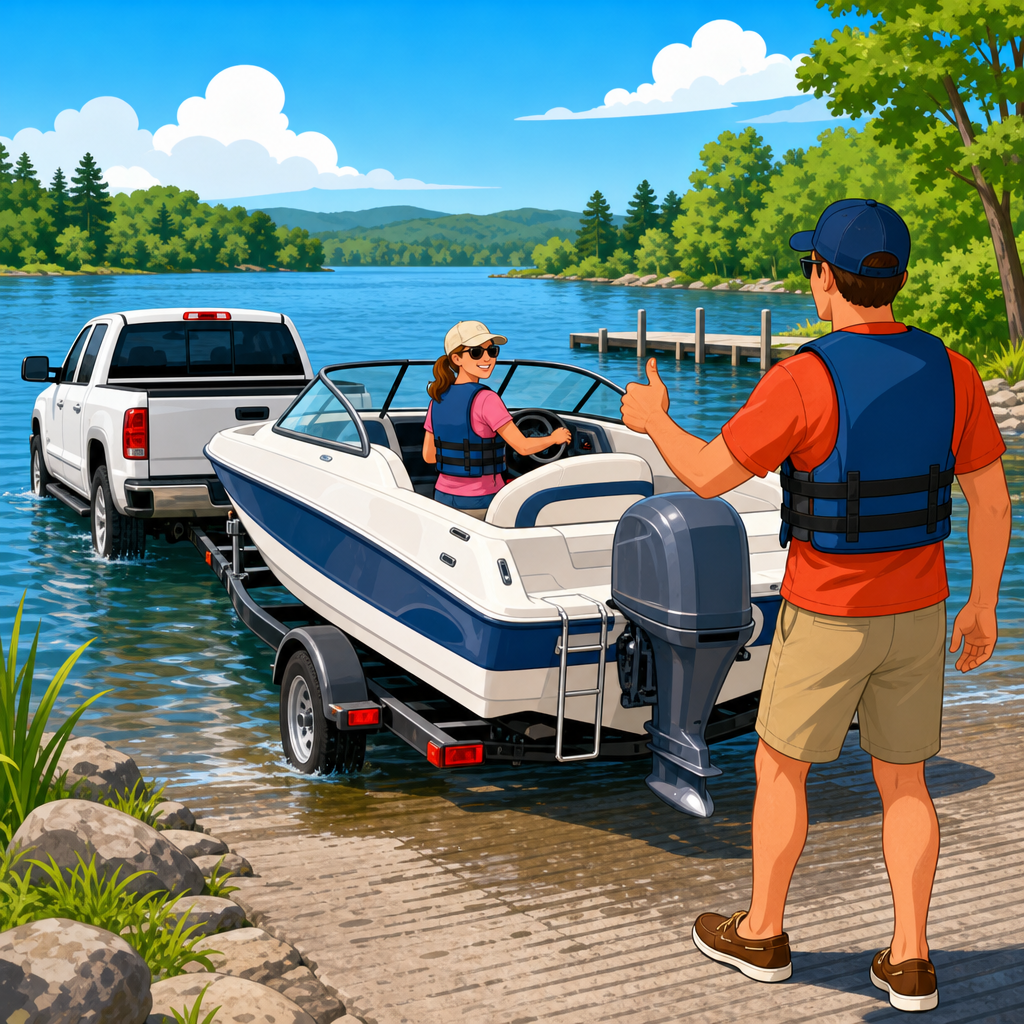
A strong seasonal checklist should cover pre-season, mid-season, and off-season work. Before the boating season begins, inspect the hull, propeller, trailer, batteries, fuel system, steering, controls, and all safety equipment. Test lights, pumps, horn, electronics, and navigation systems. Start the engine, confirm smooth idle, verify cooling-water output, and look for leaks or abnormal vibration. Check registration, insurance, fire extinguishers, flares, life jackets, and anchor gear so nothing catches you by surprise on launch day. If winterization was performed, this is the time to reverse those steps carefully and confirm everything is operating as expected.
During the season, the checklist should focus on regular cleaning, fluid checks, hose and belt inspections, battery monitoring, propeller inspection, and quick operational tests before and after trips. At the end of the season, complete a more thorough review. Stabilize fuel if the boat will sit, change fluids as recommended, flush water systems, inspect and service the trailer, clean the interior thoroughly, remove moisture-prone items, and cover the boat correctly. In freezing climates, proper winterization is essential to avoid cracked blocks, damaged plumbing, and ruined pumps. A written checklist is valuable because it removes guesswork and helps ensure critical maintenance is done on time rather than only when a problem becomes obvious.
Is DIY boat maintenance enough, or should I still use a professional marine technician?
DIY maintenance is absolutely worthwhile for many routine tasks, and it can save money while helping you understand your boat better. Owners can usually handle washing, visual inspections, battery care, filter changes, lubrication, propeller checks, trailer checks, safety gear review, basic corrosion prevention, and many seasonal preparation tasks. Doing these jobs yourself often means problems are spotted earlier, before they turn into costly repairs. It also creates a stronger maintenance record, which can help preserve resale value and make ownership less stressful over time.
That said, professional service still has an important place. Complex engine diagnostics, electrical troubleshooting, lower unit repairs, steering system issues, structural fiberglass damage, and anything involving fuel leaks or major safety concerns are best left to qualified marine technicians. If a repair requires specialty tools, software diagnostics, or advanced marine knowledge, calling a pro is usually the smarter move. The best approach is often a combination of both: handle the regular preventive work yourself, and bring in an expert for technical inspections, annual service items you are not comfortable with, or any problem that affects safety and reliability. That balance keeps maintenance manageable while reducing the risk of mistakes that can cost more than the original repair.