Boat ownership rewards careful attention, and a strong DIY boat maintenance checklist is the difference between reliable weekends on the water and expensive repairs at the dock. In practical terms, DIY boat maintenance means the routine inspection, cleaning, adjustment, lubrication, and replacement work an owner can safely perform without sending the vessel to a yard for every issue. That includes hull care, engine checks, electrical inspections, plumbing upkeep, trailer service, and seasonal preparation. I have used this approach on center consoles, pontoon boats, trailerable cruisers, and small sailboats, and the pattern is always the same: boats that get consistent preventive maintenance last longer, run better, and hold their value.
A complete DIY boat maintenance guide matters because marine systems fail differently than automotive systems. Salt, sun, vibration, electrolysis, moisture intrusion, and long idle periods create a harsh operating environment. According to marine service data frequently cited by manufacturers and insurers, neglected fuel systems, dead batteries, cooling issues, and corrosion are among the most common causes of breakdowns. Many of those problems start as simple warning signs: a loose hose clamp, a dirty bilge, cloudy lower unit oil, cracking sealant around deck hardware, or corroded battery terminals. A structured checklist catches those signs early, before a small maintenance item becomes a tow bill, a ruined weekend, or a safety emergency.
This hub article organizes the full scope of boat maintenance and repairs into a practical sequence you can follow through the year. It explains what to inspect before every trip, what to service monthly, what belongs on your annual boat maintenance checklist, and where owners should stop and call a certified marine technician. It also ties together the core subtopics every serious owner needs to understand, from outboard maintenance and fiberglass care to marine electrical basics and trailer upkeep. If you want one master reference for a DIY boat maintenance guide that keeps your boat dependable, clean, safe, and ready to launch, start here and build your routine around it.
Pre-Trip and Post-Trip Boat Maintenance Checklist
The most effective maintenance happens before and after every outing. A pre-trip boat maintenance checklist should start with safety-critical systems. Confirm the battery switch is in the correct position, batteries are charged, and terminals are tight and free of white or green corrosion. Check engine oil on four-stroke outboards and sterndrives, power steering fluid where applicable, and coolant on closed-cooled inboards. Inspect the fuel-water separator bowl if visible, squeeze the primer bulb on portable systems, and smell the bilge or engine compartment for gasoline vapors. Gasoline fumes in a confined space are a stop-work issue, not a minor concern.
Next, inspect the hull and deck. Look for fresh cracks around cleats, loose rail bases, damaged transducers, missing drain plugs, or water stains that suggest a leak. Test navigation lights, bilge pumps, horn, blower, and electronics before leaving the ramp. On the trailer, verify tire pressure, lug nut torque, strap condition, and that wheel hubs are not overheating from the previous tow. I also recommend a five-minute control check: throttle movement, steering range, trim and tilt, and shift engagement. Many launch-ramp failures are not mechanical disasters; they are simple oversights caught too late.
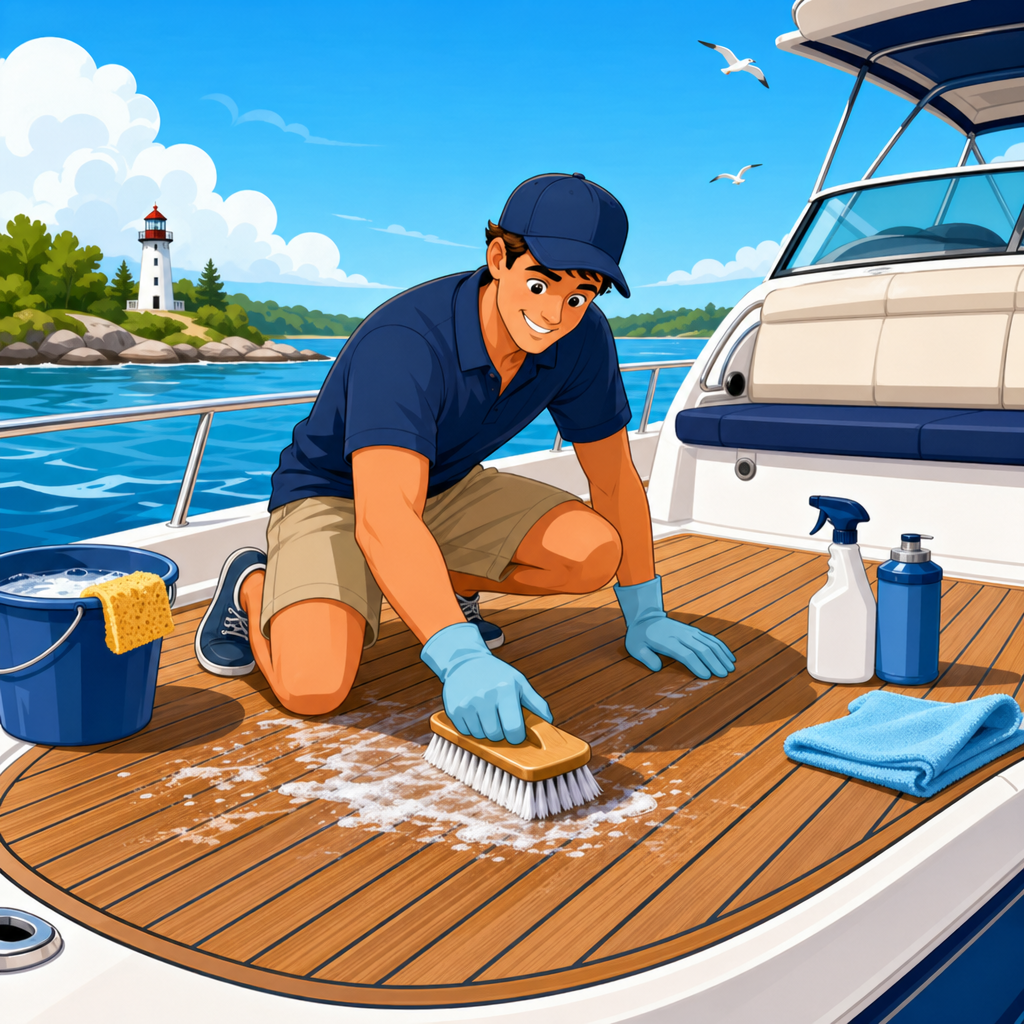
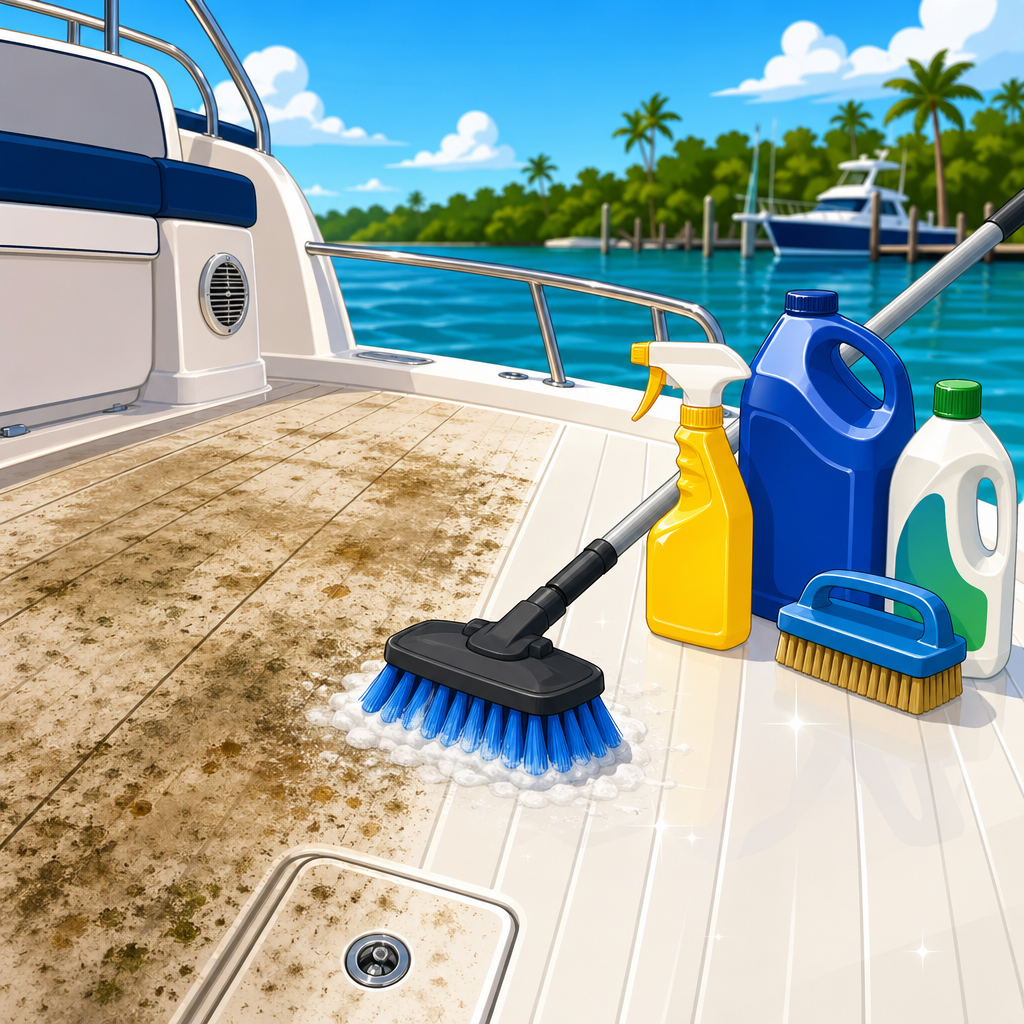
After the trip, rinse the boat thoroughly, especially if it ran in salt or brackish water. Flush outboards and many sterndrives according to manufacturer procedure, using adequate water pressure and run time. Wash the hull with a pH-balanced marine soap instead of household detergent, which can strip protective waxes. Empty coolers, wipe down vinyl, pump the bilge dry if appropriate, and open compartments to vent moisture. Post-trip maintenance is where you record issues while they are fresh: a soft battery, a sticky latch, a livewell pump that sounded rough, or a small chip in the gelcoat. That written record becomes the backbone of a disciplined DIY boat maintenance guide.
Engine, Fuel, and Cooling System Care
Engine maintenance deserves the most attention because propulsion failures are both costly and safety sensitive. For outboards, follow the manufacturer schedule for engine oil and filter changes on four-strokes, gearcase lubricant replacement, spark plug inspection, and water pump impeller service. Yamaha, Mercury, Suzuki, and Honda all publish hour-based service intervals, and those intervals matter more than guesswork. If lower unit oil drains milky, water intrusion is present and shaft seals need inspection. If it contains metal flakes beyond fine paste on the drain plug magnet, you need a closer gear inspection before the next run.
Fuel system care is equally important. Ethanol-blended gasoline attracts moisture and can degrade older hoses, primer bulbs, and tank components. Use only marine-rated fuel hose meeting current standards, keep tanks as dry and clean as possible, and replace fuel-water separator elements at least annually or more often if contaminated fuel is suspected. I have seen engines lose power from nothing more dramatic than a partly clogged separator and an anti-siphon valve packed with debris. Label fuel service dates directly on the filter with a paint marker so you always know its age.
Cooling system checks prevent overheating, one of the most common reasons boats limp home. A strong telltale stream on many outboards is useful but not definitive; engines can still run hot from scale buildup, thermostat issues, blocked intake screens, or an aging impeller. Inspect raw-water strainers on inboards, clear weeds from intakes, and monitor engine temperature gauges rather than relying on habit. Any alarm, steam, reduced water flow, or burnt smell demands immediate shutdown and diagnosis. On this part of the boat maintenance and repairs workflow, delay is what turns a routine service item into a damaged powerhead or manifold.
Hull, Propeller, and Exterior Surface Maintenance
Hull maintenance protects both performance and resale value. Start with regular washing and visual inspection under good light. Gelcoat oxidation, tea-colored rust streaks, dock rash, chalking, and hairline spider cracks around stressed hardware should all be documented. Small chips should be repaired quickly because exposed laminate can wick moisture. On painted hulls, use products compatible with the coating system; aggressive compounds intended for gelcoat can damage paint finishes such as Awlgrip. For boats stored in the water, inspect antifouling paint condition and note areas of unusual growth, which may indicate weak coating, poor water flow, or stray current issues nearby.
The propeller is a high-leverage maintenance item. Even minor nicks reduce efficiency, increase vibration, and can damage seals or bearings over time. Remove and inspect the prop at least seasonally, looking for fishing line on the shaft, bent blades, and excess grease or rust. Fishing line wrapped behind the prop is notorious for cutting prop shaft seals and allowing water into the gearcase. Grease the shaft with a marine-grade product recommended by the manufacturer and torque the prop nut correctly with fresh hardware where required.
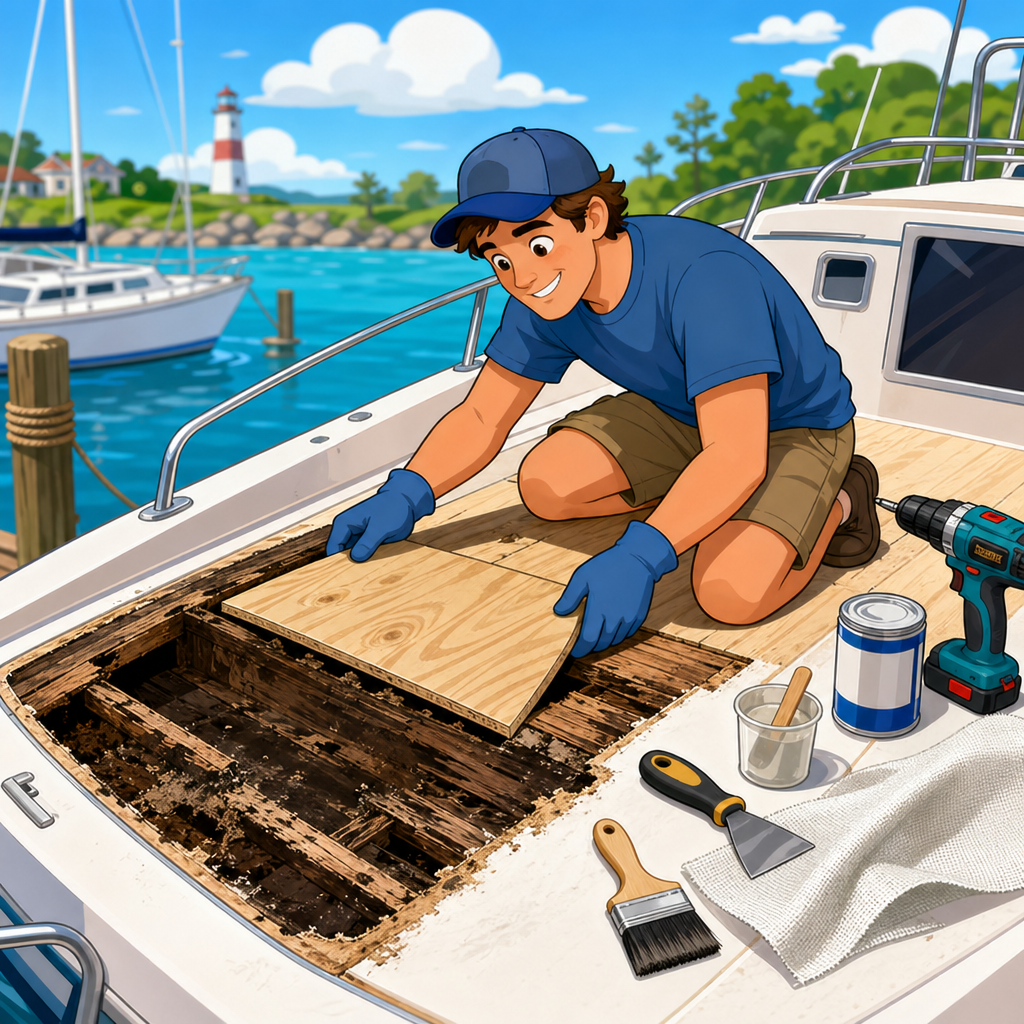
Exterior protection also includes sealants, caulking, and hardware bedding. UV exposure hardens many sealants, especially around hatches, windshields, and deck fittings. Rebed leaking hardware with the right marine sealant for the application rather than using one adhesive product everywhere. Polyurethane, polysulfide, butyl tape, and silicone all have specific roles and limitations. Good boat maintenance is not just cleaning what is visible; it is preventing water from entering coring, backing plates, and hidden structural areas where repairs become far more invasive.
Electrical, Battery, and Bilge System Checks
Marine electrical maintenance is where careful owners separate themselves from careless ones. Start with the battery bank. Test resting voltage with a multimeter, then verify charging voltage while the engine or charger is running. For flooded batteries, check electrolyte levels where serviceable. Secure hold-downs tightly, protect terminals, and inspect cable lugs for heat discoloration or creeping corrosion under insulation. Marine wiring should use tinned copper conductors, proper crimped terminals, adhesive-lined heat shrink, and overcurrent protection close to the power source. Household wire nuts and untinned automotive wire have no place on a boat.
Bilge systems deserve a direct functional test, not a glance. Lift the float switch manually if possible, activate manual helm controls, and verify pump discharge overboard. Check for cracked hoses, clogged strainers, and low spots in the hose run that trap water. A bilge that smells strongly of fuel or sewage points to a separate leak that needs immediate correction. I always tell owners to keep bilges clean enough that a new leak becomes obvious. Dirty bilges hide drips and make troubleshooting harder.
Electronics and lighting also belong on your annual boat maintenance checklist. Corrosion in a VHF antenna connection, moisture in a chartplotter plug, or weak trailer light grounding can seem minor until you need that system. Use dielectric grease where appropriate, maintain drip loops, and avoid overloading circuits with aftermarket accessories. A tidy, labeled wiring layout saves hours during future repairs and is one of the clearest signs of a well-maintained boat.
Interior, Plumbing, Trailer, and Seasonal Service Plan
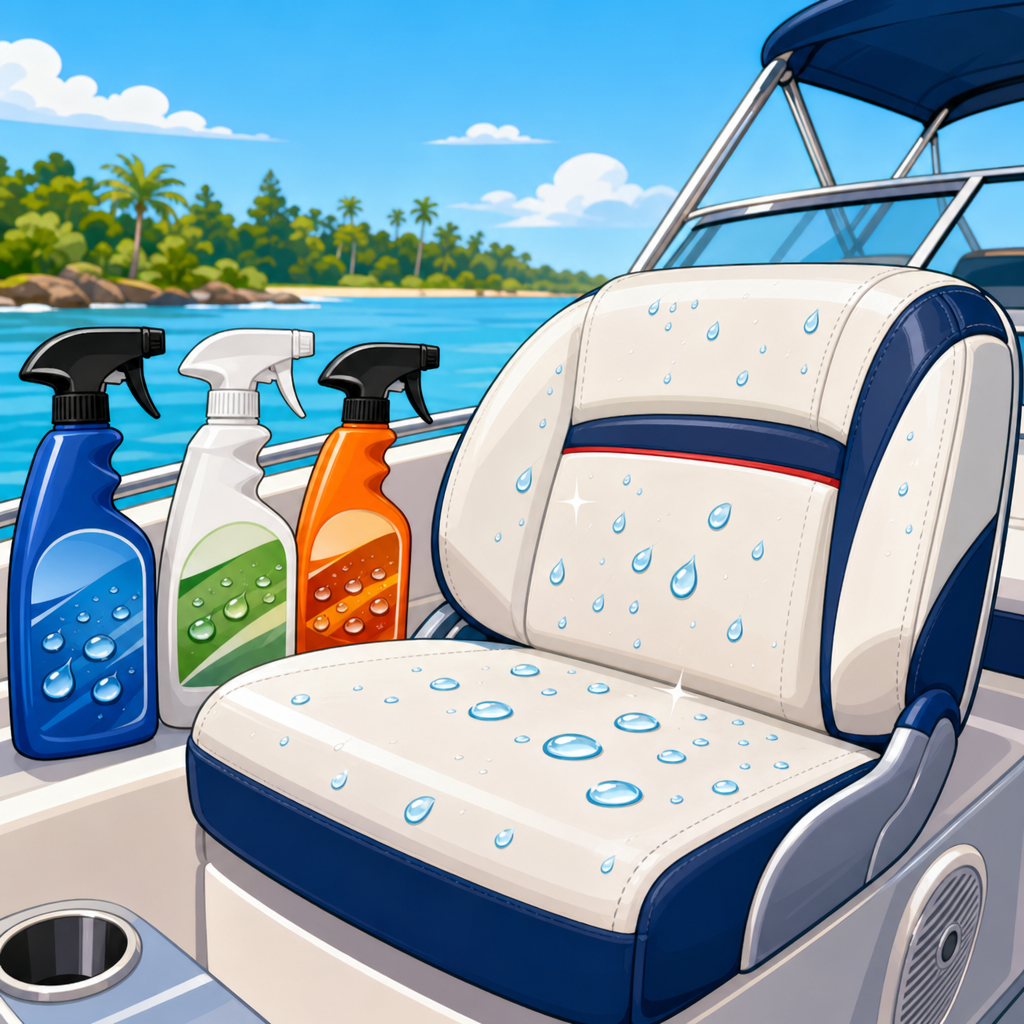
Cabin and cockpit care is more than appearance. Mildew, softened decking, stained headliners, and musty lockers usually indicate trapped moisture or failed seals. Clean vinyl with marine-safe products, condition it if the manufacturer recommends it, and avoid harsh bleach mixtures that can weaken stitching. Check freshwater pumps, sump boxes, seacocks, marine heads, and sanitation hoses for leaks or odor permeation. Operate every valve periodically so it does not seize. If your boat has through-hulls below the waterline, inspect clamps, hoses, and backing areas carefully; failed plumbing fittings can sink a boat at the slip.
Trailer maintenance is often ignored because the boat gets the attention. Yet wheel bearings, brakes, bunks, winches, lights, and tires determine whether the boat reaches the water safely. Repack bearings on schedule or inspect oil-bath hubs closely, replace cracked sidewall tires regardless of tread depth, flush brakes after saltwater use, and inspect leaf springs or torsion axles for corrosion. Trailer tire failures are especially common because many boat trailers age out before they wear out.
Seasonal service ties the entire DIY boat maintenance guide together. In spring, inspect all systems before launch, renew safety gear, charge batteries, and test pumps and lights. During peak season, follow pre-trip and monthly checks religiously. In fall, stabilize fuel when recommended, fog engines if specified, change oil before storage on applicable engines, drain or winterize water systems, and protect the boat with proper ventilation. A simple schedule keeps the work manageable.
| Interval | Key DIY Tasks | Main Benefit |
|---|---|---|
| Before every trip | Check batteries, bilge pump, lights, drain plug, fuel level, controls, safety gear | Prevents launch-ramp failures and unsafe departures |
| After every trip | Rinse, flush engine, dry bilge, clean surfaces, log issues | Reduces corrosion and catches problems early |
| Monthly | Inspect hoses, clamps, propeller, trailer tires, battery voltage, sealants | Finds wear before it causes breakdowns |
| Annually | Change filters and fluids, service lower unit, inspect wiring, renew antifouling as needed | Preserves reliability and long-term value |
| Seasonally | Launch prep, winterization, storage ventilation, cover inspection | Protects the boat during off-season exposure |
Some jobs still belong to professionals. Structural transom damage, major fiberglass delamination, persistent electrical faults, advanced fuel injection diagnostics, and work on critical steering or control systems should be handled by qualified marine technicians. The smart DIY approach is not doing everything yourself; it is knowing what to maintain, what to inspect, and when expert intervention protects safety and budget.
The ultimate DIY boat maintenance checklist is really a repeatable system: inspect often, clean thoroughly, service on schedule, and document every issue before it grows. When owners focus on engines, fuel, cooling, batteries, bilge equipment, hull condition, plumbing, and trailer components, they prevent the vast majority of avoidable breakdowns. They also make every other boat maintenance and repairs task easier because the boat stays cleaner, drier, and more predictable. That consistency is what turns maintenance from a reactive expense into a practical operating habit.
If you use this DIY boat maintenance guide as your hub, build separate checklists for your engine type, your electrical layout, your plumbing setup, and your storage climate. Keep manuals on board, save part numbers, log service dates, and inspect with intention rather than from memory. A boat that is maintained methodically is safer to operate, cheaper to own, and easier to sell. Start with the pre-trip checklist, add the monthly and annual items next, and make preventive care part of every outing.
Frequently Asked Questions
What should be included in a complete DIY boat maintenance checklist?
A complete DIY boat maintenance checklist should cover every major system that affects safety, reliability, and long-term value. Start with the hull and exterior by checking for cracks, blisters, loose hardware, damaged rub rails, worn sealant, and signs of corrosion around fittings. Clean the hull regularly to remove grime, algae, and salt deposits, and inspect the bottom finish or antifouling coating if the boat spends extended time in the water. Move on to the deck and topsides, where you should verify that cleats, rails, hatches, windshields, seats, and storage compartments are secure and in good condition.
Your engine and fuel system should be a top priority on any DIY checklist. Inspect oil level and condition, cooling hoses, belts, clamps, fuel lines, fuel filters, and the propeller. Look for leaks, unusual vibration, or corrosion around the motor and mounting points. Check the battery for clean terminals, secure hold-downs, and proper charge level, and test navigation lights, bilge pumps, horn, electronics, and switches. Plumbing items matter too, especially on larger boats, so examine freshwater lines, pumps, drains, seacocks, livewells, and marine sanitation components for cracks, blockage, or leaks.
Do not overlook the trailer if your boat is trailered. Tires, wheel bearings, bunks, rollers, winch strap, safety chains, lights, and brakes all need regular attention. Finally, include seasonal tasks such as winterizing, de-winterizing, changing fluids, replacing sacrificial anodes, lubricating moving parts, and reviewing safety gear. A well-built checklist is not just a reminder list; it is a preventive maintenance system that helps you spot small issues before they become major repairs.
How often should I perform DIY boat maintenance tasks?
The right maintenance schedule depends on how often you use the boat, where you operate it, and whether it is stored on a trailer, lift, or in the water. Some tasks should happen before every outing, including checking fuel level, battery condition, bilge pump operation, navigation lights, engine oil, cooling water flow, steering response, and visible safety gear. After every trip, especially in saltwater, rinse the boat thoroughly, flush the engine if applicable, wipe down metal components, and inspect for any new damage, leaks, or loose hardware.
Monthly maintenance usually includes a more detailed inspection of the hull, propeller, belts, hoses, fuel system connections, electrical wiring, battery terminals, trailer tires, and wheel hubs. This is also a good time to lubricate hinges, latches, steering components, and other moving parts, and to confirm that pumps and onboard electronics are functioning correctly. If the boat is used heavily, those monthly checks may need to happen more often. Boats in saltwater environments generally require more frequent cleaning and corrosion control than boats used only in freshwater.
At the start and end of each season, plan for deeper service. That includes fluid changes, filter replacement, spark plug inspection or replacement where applicable, checking sacrificial anodes, inspecting bottom paint, reviewing registration and safety equipment, and preparing the engine and plumbing system for storage or active use. Even if your boat seems to be running well, regular intervals matter because many failures begin with wear you cannot notice during casual use. Consistency is what makes a DIY boat maintenance checklist effective.
Which boat maintenance tasks are safe to do yourself, and when should you call a professional?
Many routine maintenance tasks are well within the ability of a careful boat owner. Cleaning the hull and deck, washing and waxing exterior surfaces, inspecting hoses and clamps, changing engine oil and filters on accessible systems, replacing spark plugs, greasing trailer fittings, checking tire pressure, replacing burned-out navigation bulbs, testing battery voltage, cleaning terminals, lubricating cables and hinges, and flushing the engine are all common DIY jobs. Owners can also handle basic plumbing inspections, bilge cleaning, propeller checks, and replacing simple wearable items such as wiper blades, fuses, and fuel-water separator elements.
That said, DIY maintenance should stay within the limits of your tools, experience, and the manufacturer’s guidance. If you are dealing with major fuel system repairs, complicated electrical faults, structural fiberglass damage, internal engine problems, steering system failure, advanced electronics installation, or anything involving pressurized or safety-critical systems that you do not fully understand, it is wise to involve a qualified marine technician. Marine environments are unforgiving, and mistakes with wiring, fuel vapors, or hull integrity can create serious safety risks.
A good rule is this: if the task is preventive, accessible, and clearly outlined in the owner’s manual, it is often suitable for DIY work. If the issue requires specialized diagnostic equipment, major disassembly, or affects seaworthiness in a way you cannot confidently verify, bring in a professional. The goal of a DIY boat maintenance checklist is not to replace expert service entirely. It is to reduce avoidable breakdowns, extend service life, and help you identify when professional attention is needed before a problem escalates.
What are the most commonly overlooked areas in boat maintenance?
Some of the most expensive boat problems come from areas owners do not check often enough. Battery terminals and electrical connections are a major example. Even a small amount of corrosion can lead to hard starts, weak electronics, intermittent power loss, or charging issues. Bilge areas are another commonly ignored zone. Water, oil residue, debris, and neglected pumps can create odors, damage equipment, and hide leaks until they become serious. The same goes for hose clamps, seacocks, and hidden plumbing runs, which can deteriorate slowly without obvious warning signs.
Trailer maintenance is also frequently underestimated. Owners may focus on the boat itself while forgetting that worn tires, dry wheel bearings, faulty trailer lights, corroded brake components, and a frayed winch strap can ruin a trip before the boat ever reaches the water. Propellers and lower units are often given only a quick glance, yet a nicked prop, damaged skeg, or fishing line wrapped around the prop shaft can affect performance and lead to seal damage. Rubber parts such as bellows, impellers, fuel lines, and weather seals also deserve close attention because they age even when the boat is not being used regularly.
Another overlooked category is safety gear. Fire extinguishers, life jackets, flares, sound devices, first aid supplies, and emergency communication equipment should all be inspected on a schedule, not just assumed to be ready. The reason these items get missed is simple: they do not always fail dramatically. They degrade quietly. A strong maintenance checklist forces you to inspect what is easy to forget, which is often where preventable failures begin.
How can a DIY boat maintenance checklist help save money and extend the life of a boat?
A DIY boat maintenance checklist saves money by turning maintenance into a planned routine instead of a reaction to failure. Small issues such as a loose hose clamp, dirty battery terminal, worn belt, minor fuel seep, or chipped propeller are inexpensive to correct when discovered early. Left alone, those same problems can lead to overheating, battery failure, fuel delivery issues, poor performance, water intrusion, or even major engine and drivetrain damage. Routine owner inspections catch developing problems at the lowest possible repair cost.
Regular maintenance also protects the systems that depreciate fastest when neglected. Engines last longer when fluids are changed on schedule, cooling systems are monitored, and fuel contamination is managed before it causes internal damage. Hulls remain in better condition when they are cleaned, protected, and checked for damage before moisture intrusion spreads. Electrical systems stay reliable when corrosion is controlled and connections are kept secure. Even cosmetic upkeep matters, because oxidation, stained upholstery, and neglected hardware reduce resale value and usually signal broader neglect to future buyers.
Just as important, a checklist improves reliability and confidence. A well-maintained boat is more likely to start when it should, run efficiently, trailer safely, and avoid mid-season downtime. That means fewer emergency service calls, fewer canceled outings, and less money spent on rushed repairs during peak boating season. In practical terms, the checklist becomes a habit that protects your investment from avoidable wear. Over time, that discipline is one of the most cost-effective things any boat owner can do.