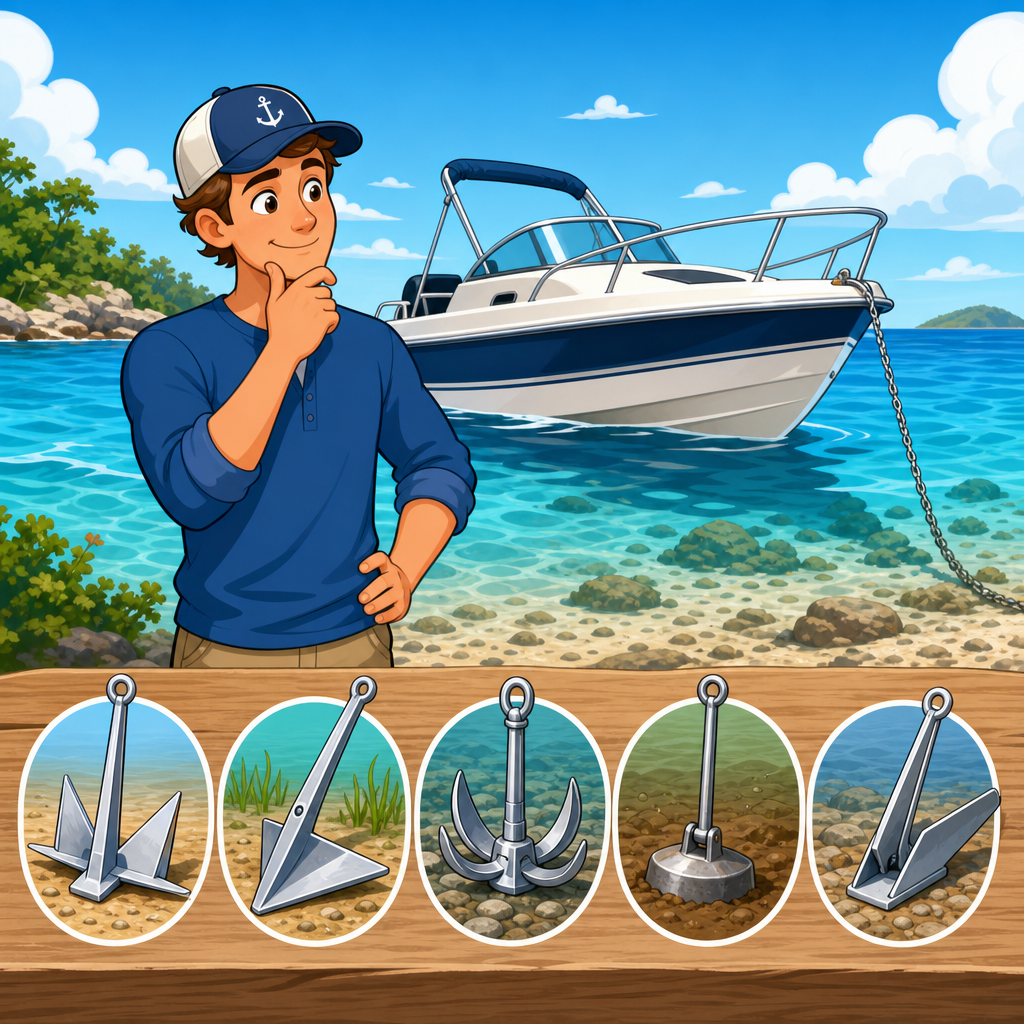
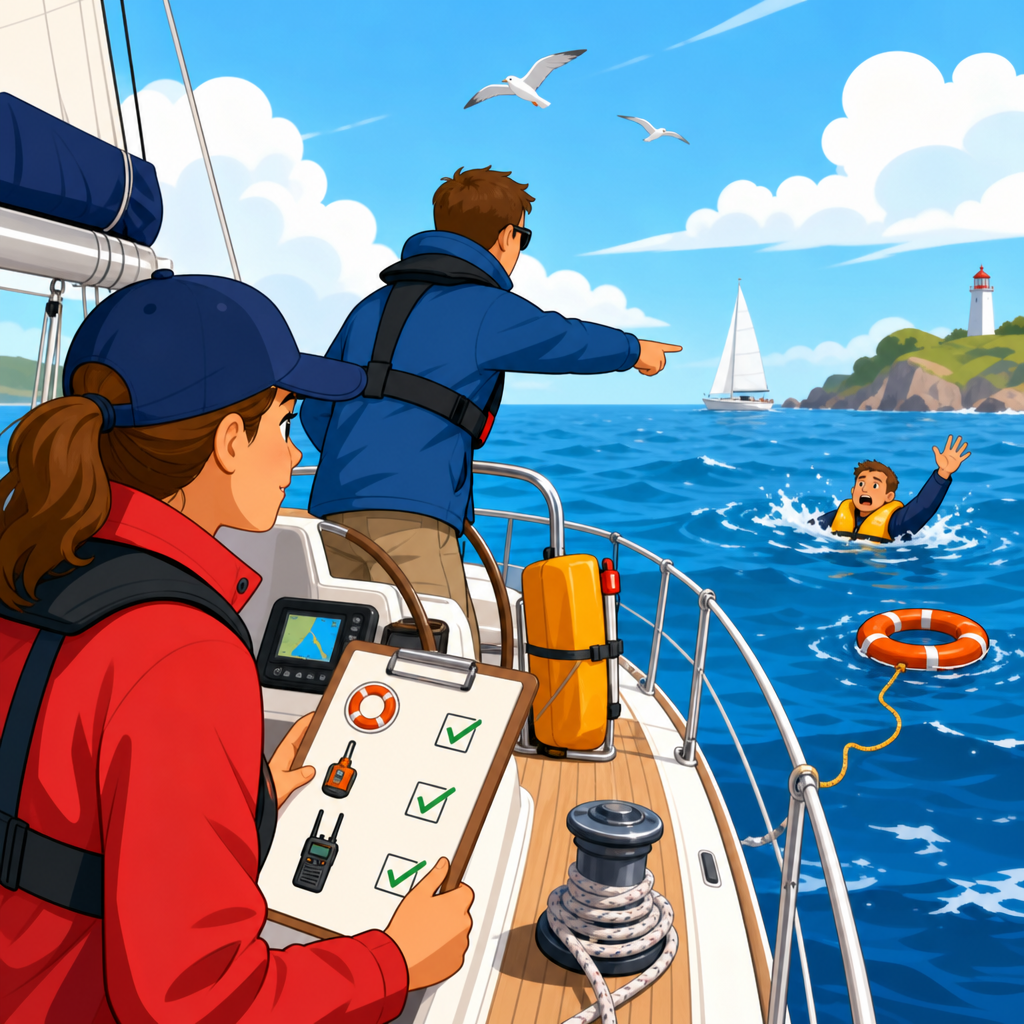
Boating is an exhilarating activity enjoyed by millions, whether for fishing, sailing, or simply basking in the tranquility of open waters. However, as with any recreational pursuit, it comes with inherent risks. Boating accidents can have dire consequences, from personal injury to environmental harm. Therefore, it is imperative to adhere to safety precautions that mitigate these risks and ensure a secure experience on the water. In this article, we delve deep into the critical aspects of boating safety. By thoroughly understanding and implementing these precautions, individuals can contribute to a safer maritime environment for themselves and others.
Boating accidents are more common than many realize, comprising incidents such as collisions, capsizing, and passenger fall-overs. Reports indicate that the majority of these accidents are preventable. Often, mishaps occur due to operator inattention, inexperience, or improper boat maintenance. Consequently, instilling awareness and knowledge among boaters is vital to minimize risks. Understanding and respecting the power and responsibility that come with controlling a vessel can extend beyond personal safety, bolstering community welfare as disruptions, injuries, and fatalities are reduced drastically.
In essence, the roadmap to preventing boating accidents involves a blend of education, preparedness, and vigilance. This begins with equipping oneself with knowledge about the vessel being operated and understanding the environmental factors influencing safe boating. A well-informed boater is empowered to act decisively and responsively, thereby averting potential mishaps. This article covers a wide array of safety measures, from preparing adequate gear to situating yourself properly within legal and ethical frameworks. Let’s chart a course towards comprehensive maritime safety, blending practical advice with important technical know-how to ensure every adventure is a safe and memorable one.
Comprehensive Vessel Inspection
A crucial starting point for any boater is conducting a thorough inspection of their vessel before heading out on the water. This involves checking the hull for any visible damage, ensuring that no cracks or holes have formed since the last trip. Such small fissures can expand under stress, potentially compromising the vessel’s integrity. Regularly inspect all mechanical and electrical components; ensure the engine, fuel system, and electrical wiring are intact and functioning efficiently. A malfunction in these components could lead to engine failure or even fires onboard.
The safety equipment stored on the vessel must be thoroughly examined. Life jackets, fire extinguishers, emergency flares, and first aid kits must be in good condition and easily accessible. Each item has a specific lifespan and maintenance requirement. Check expiry dates on fire extinguishers and ensure flares are not past their active period. Life jackets should be inspected for tears or compromised buoyancy, and new equipment should replace any that seem unreliable. Regular practice of deploying this equipment helps inculcate a natural readiness approach when emergencies arise.
Moreover, verify that all radios and navigation systems are operational. These systems are critical for communication and navigation, especially if you need assistance or encounter adverse weather conditions. Calibrate navigation tools and perform radio checks by testing signals before setting sail. Knowledge of local services and their frequencies can also speed up help during emergencies. The boat’s registration, insurance documents, and manuals should be onboard at all times. These documents ensure compliance and provide a reference point during mechanical failures. A comprehensive inspection is an essential first line of defense against potential mishaps at sea.
Weather and Water Awareness
Understanding and adapting to changing weather patterns is a fundamental aspect of safe boating. Before launching, it is essential to check weather forecasts, paying particular attention to wind speeds, storm warnings, and temperature fluctuations. Sudden squalls or high winds can drastically impact navigational capabilities, making what seems like a serene outing turn quickly perilous. Utilize apps and other technological resources that offer real-time updates to stay informed about local weather conditions.
Additional focus should be directed towards understanding water conditions. Tides, currents, and local aquatic life can significantly affect boating safety. Especially in coastal areas, understanding tidal patterns helps predict the depth changes that might affect navigation. Familiarize yourself with potential underwater hazards such as rocks or sandbars, which can be deceptively close to the surface and pose grave risks of capsizing or getting stranded. Depth charts and nautical maps are useful resources to help navigate these variables, minimizing the chances of unexpected encounters with obstacles.
Education about the body of water you’re navigating is crucial. If you’re new to an area, consulting local maritime guides or joining forums with seasoned boaters from the area can provide insights into navigating tricky passages or known problematic zones. Consider taking a marine meteorology course, as understanding the principles of how weather affects the water can be an invaluable skill. Remember, preparedness and informed decision-making regarding weather and water can be the thin line between a pleasant trip and a precarious situation.
Operator Proficiency and Etiquette
A boater’s proficiency is paramount in maintaining safety on the water. Knowledge of boating laws, vessel control, and emergency procedures is essential. Therefore, taking an accredited boating course that covers these topics is recommended. Such courses provide foundational knowledge, improving operator judgment and fostering a culture of safety. Operators with understanding about various speeds, proper docking procedures, and hazard recognition are significantly better positioned to prevent accidents.
Beyond technical skills, boating etiquette is critically important, impacting the overall environment shared by boaters. This involves staying aware of other vessels, maintaining safe distances, and operating at speeds appropriate for the traffic and environment. Misjudgments in proximity or speed can lead to collisions. Understanding right-of-way rules helps to anticipate the actions of other boaters, reducing the chances for miscommunication and conflict. Avoid reckless behavior, such as showing off with high-speed maneuvers in congested areas.
Finally, patience and politeness should underpin your interactions with other boaters. Sound signals should be used to communicate intentions in busy areas, and hand signals can suffice when verbal communications are not possible. When docking or passing through narrow channels, offer others the space and time they need, ensuring mutual respect and safety. Proper operator skill and etiquette not only safeguard your boating experiences but also enrich the community, reinforcing safety norms and established maritime traditions.
Emergency Preparedness and Response
Preparedness for emergency situations is essential for boating safety. This entails rehearsing response plans for various scenarios, such as capsizing, falling overboard, or encountering a fire onboard. Conducting drills with all passengers ensures everyone knows what to do, reducing panic and confusion during actual emergencies. Assign roles, such as who contacts emergency services or who oversees deploying life jackets, to streamline response efforts.
A well-thought-out emergency kit should be an integral part of your boating gear. This includes waterproof signal devices, extra food and water, medical supplies, a basic toolkit, and thermal blankets. Every passenger should know the location of this kit and how to use its contents effectively. More advanced items like portable radios and EPIRBs (Emergency Position-Indicating Radio Beacons) should also be considered, enhancing your ability to broadcast distress signals if standard communication fails.
Finally, ensure contact information for local rescue and emergency services is easily accessible. Knowing the exact procedures and numbers to call in the event of distress can accelerate response times. Having a float plan, which outlines your trip’s details and expected return, submitted to a responsible party can be crucial if a vessel fails to return on schedule, enabling search efforts to be initiated promptly. Investing in such arrangements can dramatically increase the odds of positive resolutions in emergencies, balancing enjoyment with safety.
Educating Passengers and Promoting Responsibility
Even if all safety measures are taken, it is essential that everyone onboard is informed and respectful of the guidelines. As the boat operator, you hold the responsibility to brief passengers about safety do’s and don’ts. This includes proper seating arrangements, maintaining balance, and times when they should remain seated, particularly during sharp turns or when the water is choppy. Let them know about the safety equipment locations and how to use them in an emergency.
Educating passengers about the potential dangers posed by sudden actions can avert unintentional injuries or accidents. For instance, jumping or leaning overboard might seem innocent but can lead to overboard falls or capsizing in smaller vessels. Encourage passengers to maintain vigilance, report anything unusual, and offer assistance when necessary. A crew mentality where everyone understands their responsibility creates a safer atmosphere that can prevent accidents.
Additionally, promote initiatives like sober boating, ensuring that alcohol consumption is controlled or abstained entirely aboard. Alcohol drastically impairs judgment and reaction times, presenting severe danger when operating boats. While the operator should remain sober, encouraging passengers to do the same creates an inclusive culture of safety. Every boater should prioritize responsibility, safeguarding their lives and those of others through informed participation and cooperation.
Conclusion
Boating safety is an encompassing subject that requires attention and action across various fronts. By integrating comprehensive vessel inspection, staying abreast of weather conditions, fostering operator proficiency, and advocating passenger responsibility, we set the stage for safer aquatic experiences. The synthesis of these elements addresses both proactive and reactive measures, illustrating the necessity of preparedness and knowledge. Familiarization with environmental factors and active participation by all individuals onboard are key to preempting many potential hazards.
Ultimately, adopting a culture of safety prioritizes not only one’s security but also protects the well-being of fellow boaters and marine life. As you embark on your maritime adventures, remember that every precaution you take contributes to a collective safeguarding effort that makes the water a safe space for everyone. Empowerment through education, responsible operation, and disaster readiness culminate in a holistic approach to accident prevention, fostering an environment of trust and enjoyment in our waterways.
In conclusion, the responsibility of safe boating lies with each individual. By committing to a rigorous standard of preparedness and etiquette, every boater contributes to a thriving and secure maritime culture. Let this knowledge not only guide your personal boating practices but inspire others towards a shared commitment to safety. So, let’s embrace these pivotal precautions, steering a course towards safer, more delightful adventures in our aquatic realms.
Frequently Asked Questions
1. What are some of the most important safety equipment items to have on board?
Ensuring that you have the right safety equipment on your boat is crucial for preventing accidents. Some of the most essential items include life jackets, fire extinguishers, visual distress signals, sound-producing devices, and a first aid kit. Properly fitted life jackets are a must for everyone on board, as they are the simplest yet most effective way to prevent drowning in the event of an accident. Fire extinguishers, appropriate for the size and type of your boat, are critical in managing any unexpected fires. Visual distress signals, like flares or signal flags, are used to alert others if you’re in trouble. Having sound-producing devices such as a whistle, bell, or horn will help you communicate your presence and intentions to other vessels, especially in low-visibility conditions. Finally, a comprehensive first aid kit stocked with bandages, antiseptics, and other medical supplies can be a lifesaver in case of injury.
2. How can I ensure my boat is in good condition before heading out?
Before setting sail, conducting a thorough pre-departure inspection of your boat can prevent many safety risks. Start by checking the engine, making sure it’s well-maintained with no leaks or excessive noise when running. Inspect the battery for corrosion, and ensure it is fully charged and secure. Check that all navigation lights are functional and that your boat has enough fuel for your intended trip. Examine the hull for any cracks or damage, and ensure that bilge pumps are operational to manage water onboard. Confirm that your boat’s communication equipment, such as VHF radios, is in working order to ensure you can call for help if needed. Regular maintenance, along with this checklist, helps avoid breakdowns and potential accidents on the water.
3. What effect does weather have on boating, and what precautions should I take?
Weather conditions can greatly affect boating safety. Before departure, always check the weather forecast, including wind speeds, wave heights, and potential storms, as these conditions can greatly impact the safety and comfort of your trip. Carry a reliable weather radio to monitor updates while you’re on the water. Be prepared to adjust your plans if the forecast calls for severe weather conditions. Understand the signals for small craft advisories and heed them. Additionally, knowing basic navigation and understanding how your vessel handles different conditions will help you maneuver safely. If you encounter bad weather, ensure everyone on board wears a life jacket, and head to shore or seek shelter as soon as possible. Being aware and prepared can save lives and prevent accidents.
4. How important is it to take a boating safety course, and what does it entail?
Taking a boating safety course is highly recommended and, in many states, even mandatory for certain ages or boat types. A boating safety course educates you on navigation rules, safety equipment, emergency preparedness, and much more. It covers regulations that apply to local state waters as well as how to react to different emergency scenarios on the water. You’ll learn about navigating different waterways, dealing with unusual situations, understanding weather patterns, and essential skills like docking and anchoring. Completing a boating safety course enhances your understanding and confidence, significantly reducing the risk of accidents. It also familiarizes you with any new boating laws or technologies, ensuring you remain compliant and informed. Overall, it is a small investment of time for the safety and enjoyment of your boating experiences.
5. What is a float plan, and why is it important to your boating trip?
Your float plan is essentially an itinerary with detailed information about your trip and is essential for safety. It includes the description and registration number of your boat, names and contact details of all passengers, expected departure and return times, planned route, and stops en route. You should also detail safety equipment onboard and any communication devices you have, such as radios or cell phones. Share this plan with a trusted friend, family member, or marina dockmaster who will not be onboard with you. In the unfortunate event that you do not return as expected, this person can contact rescue authorities and provide them with your float plan to facilitate search and rescue efforts. It’s a crucial step that can drastically improve response times and outcomes in an emergency, providing peace of mind for everyone involved in your journey.