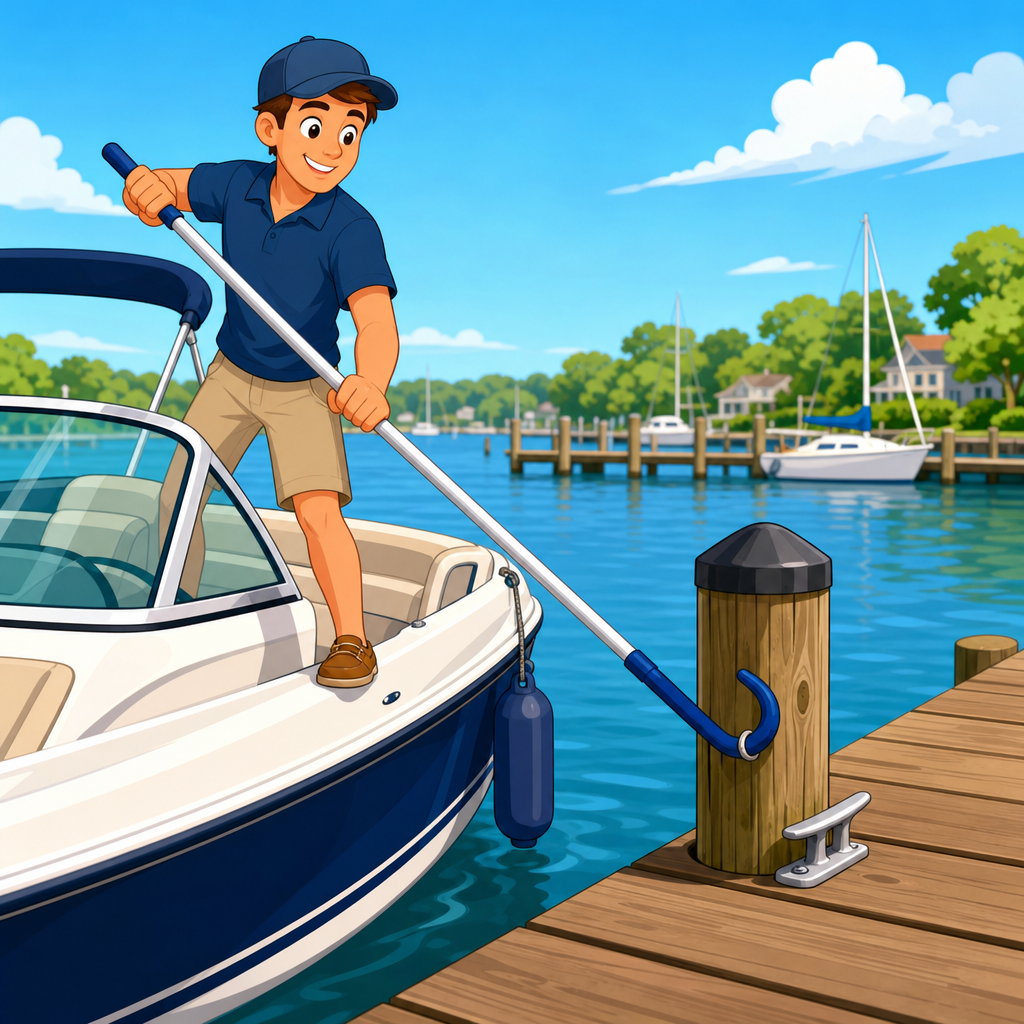
Boat safety equipment is not optional gear you toss into a locker to satisfy a checklist; it is the difference between a manageable problem and a life-threatening emergency. After years around center consoles, sailboats, pontoons, and small inland fishing boats, I have learned that the safest crews treat preparation as part of seamanship, not paperwork. A proper boat safety equipment checklist covers lifesaving devices, signaling tools, firefighting gear, dewatering equipment, navigation lights, communications, medical supplies, and the maintenance habits that make every item work when stress is high and time is short.
In practical terms, boat safety equipment means the devices carried on board to prevent accidents, reduce injury, and help occupants survive or get assistance after an incident. Some items are required by law, especially under U.S. Coast Guard carriage rules, while others are strongly recommended because real emergencies rarely match minimum compliance. A boat that technically meets the baseline can still leave its crew vulnerable if the life jackets are buried, the flares are expired, the radio battery is dead, or the first aid kit lacks trauma supplies.
This topic matters because boating emergencies develop fast and often stack together. A grounding can become flooding, darkness can complicate a man-overboard recovery, and a small fuel fire can turn into an abandonment decision within minutes. According to boating accident reporting trends in the United States, drowning remains a leading cause of death, and lack of life jacket use is repeatedly a major factor. Weather shifts, cold water, propeller injuries, carbon monoxide exposure, and operator inexperience also contribute to incidents that good equipment selection can mitigate.
As a hub page under Boating Gear & Equipment, this guide focuses specifically on safety and emergency equipment: what each category does, what to carry, how to store it, and where boaters often make mistakes. It is designed to answer the questions owners ask before buying gear, preparing for inspection, or upgrading from casual day boating to longer coastal runs. The goal is simple: build a boat safety equipment checklist that is legally sound, easy to inspect, and genuinely useful when conditions get ugly.
Personal flotation devices and throwable lifesaving gear
Every boat safety equipment checklist starts with personal flotation devices because they protect against the highest-consequence failure: ending up in the water unexpectedly. On recreational boats in the United States, wearable life jackets must be Coast Guard approved, appropriately sized for each passenger, in serviceable condition, and readily accessible. Children may also be subject to stricter state wear requirements. “Accessible” does not mean vacuum sealed under tackle trays. I keep primary life jackets in open, marked compartments that a guest can reach without instructions.
Choose life jackets by use case, not just price. Type III foam vests work well for general inland boating and watersports support. Inflatable life jackets are more comfortable for adults on fishing boats or cruisers, but they require cylinder inspection, arming indicators, and user familiarity; they are not ideal for every child or non-swimmer. Offshore crews should also consider integrated harnesses on appropriate vessels where jacklines are used. Fit matters more than marketing. A loose jacket rides up, impairs breathing, and can fail to keep the airway clear.
Most boats sixteen feet and longer, excluding canoes and kayaks in many jurisdictions, also need a throwable device such as a Type IV cushion or ring buoy. The mistake I see often is stowing the throwable under seats where nobody can deploy it in one motion. It should live in the cockpit, visible and unsecured enough to grab instantly. On larger boats, pairing a throwable with a heaving line improves recovery odds, especially when wind or current opens distance quickly after a person goes overboard.
Good practice goes beyond carriage requirements. Count heads before departure, size jackets for actual passengers, and brief new guests on where gear is located. On cold-water trips, I strongly favor wearing PFDs underway because immersion shock can disable even strong swimmers within moments. A boat safety equipment checklist should therefore record not only the number of life jackets carried, but also size range, inspection date, and exact storage location.
Visual distress signals, sound devices, and emergency communications
If your crew needs help, speed and clarity of communication matter as much as the emergency itself. Visual distress signals can include hand-held red flares, aerial flares, orange smoke, and electric distress lights, with specific day and night requirements depending on boat type and waters. Pyrotechnic devices expire, and many owners forget that expired flares may no longer satisfy carriage rules even if they still ignite. I replace them before the season, then retain clearly marked expired units only where local disposal guidance permits and only as supplemental backup.
Sound signaling devices are equally important because reduced visibility, traffic congestion, and collision avoidance often demand immediate audible warnings. Small boats need an efficient sound-producing device, commonly a whistle or horn, while larger recreational vessels may also require a bell. The device should be mounted or clipped where the operator can reach it instantly. A whistle buried in a ditch bag does nothing when a fast-moving runabout crosses your bow in fog.
For communications, a fixed-mount VHF radio with Digital Selective Calling is one of the highest-value upgrades on any coastal or Great Lakes boat. Once connected to GPS and registered for an MMSI, DSC lets you send an automated distress alert with position data. Handheld VHFs add redundancy and are excellent for tenders or small open boats. Cell phones help, but they are not a primary marine communications system because coverage, waterproofing, and battery reliability are inconsistent on the water.
| Equipment | Primary purpose | Best use case | Common mistake |
|---|---|---|---|
| Hand-held flares | Night distress signaling | Coastal or open-water emergencies | Carrying expired units only |
| Orange smoke | Daytime location marking | Man-overboard or rescue approach | Storing where it gets soaked |
| Air horn or whistle | Collision warning and distress signal | Fog, close quarters, rapid alerting | Keeping it out of reach |
| Fixed-mount VHF with DSC | Emergency communication | Coastal cruising and fishing offshore | Not programming MMSI |
| EPIRB or PLB | Satellite distress alert | Offshore passages or remote waters | Failing to register and test |
On offshore boats, an Emergency Position-Indicating Radio Beacon or a Personal Locator Beacon adds another layer of resilience. These 406 MHz beacons alert search and rescue through satellite networks and are indispensable beyond reliable radio range. Register the beacon, test it per manufacturer guidance, and mount it where it can be deployed fast. In my own checklists, communication gear always includes battery dates, registration status, and a monthly test log, because electronics fail silently when they are ignored.
Fire suppression, bilge control, and damage containment
Fire, flooding, and sudden hull damage are among the most time-critical onboard emergencies, which is why every serious boat safety equipment checklist gives them dedicated space. Portable marine fire extinguishers must match the boat’s size and configuration, and they need to be readily accessible, not hidden behind stored gear. Modern classification and labeling have evolved, so owners should verify the required type and quantity for their vessel under current regulations rather than relying on old stickers or dockside advice.
Engine spaces, galleys, battery compartments, and fuel systems deserve special attention. I mount extinguishers at likely exit points so a crew member can fight a small fire while keeping an escape route open. Extinguishers should be checked for charge status, corrosion, cracked nozzles, and secure brackets. Boats with enclosed engine compartments may also benefit from fixed automatic suppression systems. Those systems are not cheap, but they buy precious time in spaces that become inaccessible almost immediately once a fire starts.
Bilge pumps are another area where minimum compliance can create false confidence. An automatic electric bilge pump is essential, but it should not be the only line of defense. Float switches fail, wiring corrodes, strainers clog, and pump capacity drops with poor hose routing or low voltage. I always recommend a manual bilge pump or at least a large bailer on smaller craft, plus softwood plugs or tapered bungs tied near through-hull fittings. If a hose pops off a seacock, those cheap plugs can save the boat.
Damage containment also includes leak control materials such as waterproof repair tape, collision mats for larger boats, spare hose clamps, and emergency epoxy appropriate for temporary patches. None of these items replaces proper repair, but they can stabilize a situation long enough to return to port or await assistance. Boat owners who trailer frequently should also inspect transom drain plugs, livewell plumbing, and bilge access before every launch; I have seen more than one preventable flooding scare begin at the ramp, not offshore.
Navigation lights, visibility gear, and avoiding collisions
Many safety incidents are not dramatic rescue scenarios but ordinary collisions caused by poor visibility, weak lookout practices, or inoperative lights. Navigation lights are legally required for operation during darkness and reduced visibility, and they must display the correct color, arc, and placement for the boat. The details matter. A dim all-round white light, a missing sidelens, or wiring reversed after a DIY repair can make another skipper misread your heading and intentions.
Before each trip, confirm that the bow lights, stern or all-round light, anchor light if fitted, and instrument lighting all function correctly. Corrosion at sockets and trailer damage are common failures. I carry spare bulbs when the fixture design uses them, along with dielectric grease and basic tools. On boats with LED assemblies, the routine shifts from bulb replacement to connector inspection and moisture control. The checklist should include both operational testing and visibility verification from a distance, not just flipping a switch at the helm.
Visibility gear extends beyond lights. A powerful waterproof flashlight or spotlight helps identify markers, floating debris, and dock obstacles. Radar reflectors can improve detectability for sailboats and small craft in traffic lanes. In fog-prone areas, radar and AIS significantly improve situational awareness, though they are supplements to lookout and prudent speed, not substitutes. If a boat routinely runs at dawn, dusk, or at night, the operator should also keep spare headlamps and know the sound signal rules for restricted visibility.
Avoiding collisions is ultimately a systems issue: reliable equipment, clear lines of sight, current charts, and disciplined scanning. I advise skippers to treat visibility equipment the same way pilots treat checklists. Verify it, test it, and assume another operator may not see you as early as you expect. That mindset reduces near misses more effectively than any single gadget.
First aid, exposure protection, and the often-missed essentials
A well-built first aid kit for boating is different from a generic household box. It should address lacerations from hooks and knives, burns, motion sickness, sun exposure, hypothermia risk, sprains from unstable decks, and delayed access to emergency care. At minimum, include trauma pads, adhesive bandages, sterile gauze, cohesive wrap, triangular bandages, antiseptic, burn gel, tweezers, nitrile gloves, scissors, pain relievers, seasickness medication where appropriate, CPR barrier protection, and an emergency blanket. On larger boats, I add a tourniquet and wound-packing supplies with training to match.
Exposure protection is one of the most underestimated parts of a boat safety equipment checklist. Sun, wind, cold spray, and sudden immersion degrade judgment before people realize it. Pack drinking water, thermal layers in dry bags, rain gear, sunscreen, hats, and extra towels. In shoulder-season boating, a throwable blanket and chemical heat packs can make a major difference after an unplanned swim. Carbon monoxide alarms are also critical on enclosed or generator-equipped boats because swim platforms and cockpit enclosures can create dangerous accumulation zones.
Several small items regularly prove their worth: a sharp rescue knife accessible from the helm or life jacket, a multitool, spare dock lines, an anchor with adequate rode, a boarding ladder for re-entry, and a ditch bag containing backups for the essentials. Reboarding matters more than many owners appreciate. People who fall overboard, especially from higher-freeboard boats, often cannot climb back in without assistance. A folding ladder or rescue sling turns a survivable event into a realistic recovery.
Finally, no equipment list is complete without inspection discipline. Set a recurring schedule before the season and before every trip. Check expiration dates, batteries, inflation cylinders, light function, radio operation, medical supplies, and mounting hardware. Replace what has degraded, and train your crew on use. The best boat safety equipment checklist is not the longest one. It is the one you maintain, understand, and can execute under pressure. Review your gear today, fill the gaps, and make your next outing safer for everyone aboard.
Frequently Asked Questions
What safety equipment is legally required on most recreational boats?
The exact legal requirements depend on your boat’s size, propulsion type, where you operate, and local regulations, but most recreational boats need a core group of safety items on board at all times. In practical terms, that usually starts with properly sized, Coast Guard-approved life jackets for every person aboard, plus a throwable flotation device on many boats over a certain length. You also generally need visual distress signals when operating in coastal waters or on larger bodies of water, a sound-producing device such as a horn or whistle, and navigation lights if you operate from sunset to sunrise or in reduced visibility. Many boats must also carry fire extinguishers, especially if they have enclosed fuel or engine spaces, installed fuel tanks, or other fire risks built into the design.
Beyond the legal minimum, a serious boat safety equipment checklist should include items that may not always be required by law but are essential for real-world emergencies. That means an anchor and rode, a first aid kit, a bilge pump or bucket for dewatering, a VHF radio or other reliable communication device, spare fuses, a flashlight, and basic tools. If you boat on inland lakes, rivers, bays, or offshore waters, the smart approach is to exceed the legal baseline. Regulations are the floor, not the standard of excellence. A well-prepared skipper checks current federal, state, and local rules before every season and makes sure every required item is not just present, but accessible, in good condition, and understood by everyone on board.
How many life jackets should I carry, and what kind is best for my boat?
You should carry at least one properly fitting, wearable life jacket for every person on board, and on many boats you should also have at least one throwable flotation device readily available. That is the minimum. The better standard is to carry extra life jackets in a few common sizes, especially if you frequently bring guests, children, or anglers who may not have their own gear. The most important point is fit and accessibility. A life jacket stuffed under gear in a forward locker does not help in a sudden man-overboard incident, collision, or capsize. Each passenger should know where their life jacket is, how to put it on, and when they are expected to wear it.
As for type, the best life jacket depends on your style of boating. Standard foam jackets are reliable, durable, and ideal for children, non-swimmers, and active situations where accidental water entry is possible. Inflatable life jackets are popular with experienced adults because they are comfortable and more likely to be worn consistently, but they require inspection, maintenance, and an understanding of how the inflation system works. For offshore trips, rough conditions, or cold water, many experienced boaters choose higher-buoyancy options and may also consider safety harnesses and tethers where appropriate. The best rule is simple: choose approved life jackets that match the passenger, the conditions, and the trip, then make wearing them part of your safety culture rather than an afterthought.
What signaling devices should be on a boat in case of emergency?
A well-equipped boat should carry both visual and audible signaling tools, and ideally more than one method in each category. Visual distress signals often include handheld flares, aerial flares, orange distress flags, and electric distress lights, depending on where you operate and what regulations apply. Audible signals usually include a horn, whistle, or similar sound-producing device capable of attracting attention or complying with navigation rules in reduced visibility. In real emergencies, redundancy matters. Flares can expire, batteries can fail, and weather can reduce visibility, so relying on only one signaling method is poor seamanship.
For practical preparedness, many seasoned boaters go beyond the minimum and carry a fixed-mount or handheld VHF radio, a waterproof flashlight, an emergency strobe, and if boating offshore or in remote areas, an EPIRB or personal locator beacon. On inland waters, your phone may help, but it should never be your only communication plan. A VHF radio allows direct contact with nearby vessels and emergency responders, which is often faster and more reliable than a cellular call. The key is to store signaling gear where it can be reached immediately, keep expiration dates current, test electronics regularly, and make sure everyone aboard knows what each device is for. Signaling equipment is not just about satisfying a regulation; it is how you turn an unseen emergency into a rescue.
Why are fire extinguishers and dewatering equipment so important on small boats?
On small boats, emergencies develop fast and give you very little room for error. A minor fuel leak, electrical short, overheated engine component, or galley mishap can become a serious fire in seconds. The same is true for taking on water. A loose hose clamp, cracked fitting, failed bilge pump, damaged hull, or unexpected boarding sea can put a boat in danger quickly, especially if the crew notices the problem late. That is why fire extinguishers and dewatering equipment belong on every serious boat safety equipment checklist, even when owners are tempted to focus only on life jackets and signaling gear.
You should carry the correct number and type of marine fire extinguishers for your vessel and mount them where they can be reached quickly, not buried in storage. Everyone aboard should know where they are and how to use them. They also need regular inspection to confirm pressure, condition, and serviceability. Dewatering equipment matters just as much. A functioning bilge pump is essential, but it should not be your only defense. A manual pump, bucket, or bailing device provides backup if the electrical system fails or the pump becomes clogged. Good boaters routinely check bilge areas, hoses, clamps, and pump operation before leaving the dock. In many cases, the difference between returning safely and calling for rescue comes down to how early you detect a fire or leak and whether your equipment is ready to respond immediately.
How often should I inspect and update my boat safety equipment checklist?
You should review your full boat safety equipment checklist before the boating season starts, before every trip, and any time you change crew, destination, or operating conditions. A seasonal inspection is the time to check expiration dates on flares, confirm that fire extinguishers are charged, test navigation lights, inspect life jackets for damage, verify battery condition, and make sure radios, bilge pumps, and horns all work correctly. Before each outing, do a shorter operational check: count life jackets, confirm fuel and battery status, test lights if there is any chance you will return late, inspect the bilge, verify communication devices are charged, and make sure critical gear is accessible rather than buried under coolers and bags.
You should also update your checklist as your boating changes. A short afternoon cruise on a protected lake does not demand the same preparation as a pre-dawn fishing run, a coastal passage, or a trip with children and inexperienced passengers. If your boat is upgraded, repowered, used at night more often, or taken into rougher or more remote waters, your safety equipment should evolve with it. The best captains treat the checklist as a living system, not a static piece of paperwork. Equipment wears out, rules change, and habits slip over time. Regular inspections keep small oversights from becoming major emergencies, and they reinforce the mindset that preparation is part of good seamanship every time the boat leaves the dock.