
Boating is a delightful way for families to spend quality time together. The thrill of the open waters, the refreshing breeze, and the opportunity to explore nature create a perfect environment for adventures. However, when children are part of the boating party, extra precautions are necessary to ensure everyone’s safety. Childproofing your boat involves several critical steps that help prevent accidents and mishaps. In this detailed guide, we aim to provide comprehensive information on how to make your boating experience safe and enjoyable, especially for children. As a responsible guardian or parent, it’s vital to ensure your boat is equipped, prepared, and organized to keep the little ones safe from potential dangers. Childproofing a boat goes beyond basic safety measures; it’s about thinking ahead, foreseeing potential hazards, and taking actionable steps to mitigate risks. The right preparation can turn a potentially hazardous environment into a secure, fun-filled adventure for your children.
Body Sections
Understanding Boat Safety Regulations
One of the first steps toward childproofing your boat involves understanding and adhering to boat safety regulations. Each state or region may have specific requirements regarding boat safety equipment, such as life jackets, fire extinguishers, and signaling devices. It is your duty to familiarize yourself with these rules and ensure your boat is compliant. Life jackets, especially for children, are not negotiable. They should be the correct size, fit snugly, and be Coast Guard-approved. Even if your child knows how to swim, a life jacket is essential in preventing drowning accidents. Regularly inspect these jackets for wear and tear and replace them as needed.
Install Safety Gates and Barriers
The physical layout of your boat may include areas that pose hazards to children, such as open decks and staircases. To prevent accidental falls into the water or within the boat, consider installing temporary safety gates and barriers. These barriers are essential when the boat is in motion or when docked. Safety gates can prevent children from wandering unsupervised and can act as a visual reminder for adults to keep an eye on the kids. Make sure gates are mounted securely and are easy for adults to open, but challenging for children to manipulate.
Secure Loose Items and Equipment
On any watercraft, unsecured items can become dangerous projectiles or tripping hazards in rough water conditions. Take inventory of loose equipment, such as fishing gear, ropes, and electrical wires. Secure them or store them in locked compartments or hold them down using bungee cords. The same goes for personal belongings and any equipment that may tempt little fingers. Consider child-locked compartments for items you use regularly but don’t wish to leave out in the open. Keeping the boat organized reduces chaos and minimizes the chance of injuries resulting from clutter.
Safety Drills and Emergency Preparedness
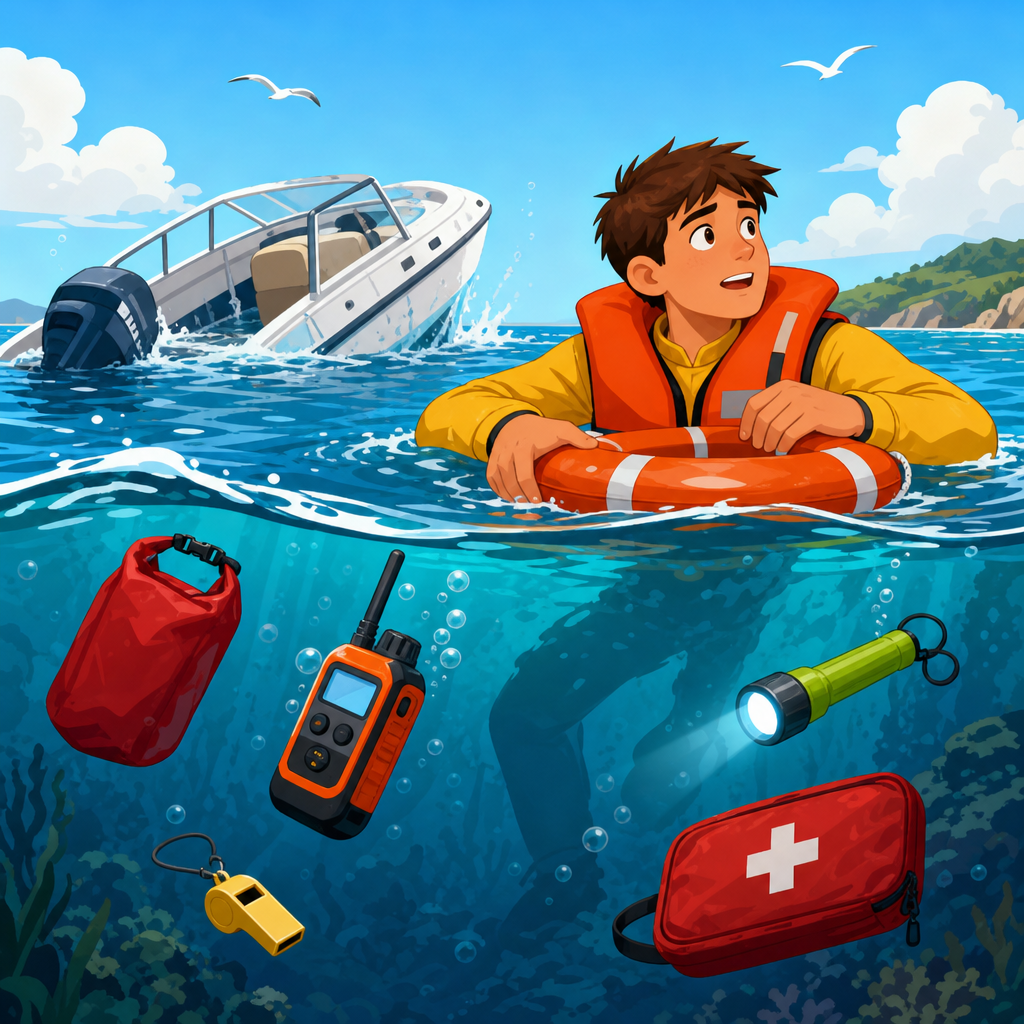
Conduct regular safety drills that involve the entire family, including the children. Children may find these drills exciting and educational. These exercises should cover life jacket application, ‘man overboard’ scenarios, and what to do in case of an emergency. Teaching children basic boat terminology, such as the meaning of port, starboard, and stern, may help them understand instructions better during emergencies. In addition to drills, prepare an emergency kit stocked with first-aid supplies, emergency contact numbers, and basic survival tools. Educate the children about the contents of this kit and on how they might use it in a basic way.
Educating Children on Boat Safety
Education is a crucial component in childproofing your boat. Teach your children about boat rules before setting sail. Explain why it’s essential to wear a life jacket at all times, stay seated while the boat is moving, and listen to adult instructions. Reinforce these rules consistently to ensure they become second nature. You can employ engaging storytelling or role-playing methods to impart lessons on boating safety. Present positive feedback when they heed instructions well. Moreover, explain the reasons behind certain rules, as understanding can foster eagerness in following them.
Check the Engine and Electrical Systems
Children are naturally curious, and their explorations can lead them into engine rooms or electrical areas. Ensure these sections of the boat are locked and made inaccessible to them. Regular maintenance of these systems not only guarantees smooth boating experiences but also removes potential hazards, such as fuel leaks or electrical shorts, which can be dangerous for children if touched or tampered with. Engage a professional to perform routine inspections and resolve any issues promptly. Children venturing into restricted areas can be a concern; therefore, reinforce barriers and provide stern warnings.
Prepare for Weather Conditions
Weather conditions can change rapidly on the water, presenting risks, especially for children. Prepare by checking weather forecasts before departure and ensuring all passengers are dressed appropriately for unexpected changes in temperature or precipitation. Keep extra layers of clothing, waterproof gear, and hats on board to protect children from exposure. Explain to children the possible effects of extreme weather, such as hypothermia or heatstroke, and make them aware of the precautions you’re taking. Allow children to explore how raingear or sun hats protect them from elements, and involve them in checking the weather before trips as part of the safety routine.
Install Onboard Alarms and Safety Systems
Advanced technology can be an asset in childproofing your boat. Consider installing alarms that alert you if someone goes overboard, enters a restricted area, or if the boat exceeds certain speed limits. These alarms provide an additional layer of security when supervising multiple children or when your attention is divided among several activities. Some systems may also include GPS tracking for early detection of unusual movements or drifts. Equip your boat with a VHF radio or other communication devices to report emergencies swiftly. Familiarize children with these devices and teach them basic communication procedures in case they ever need to utilize them independently.
Set Boundaries and Designated Areas
While childproofing your boat, designating specific areas for children to play or sit during the journey can enhance their safety. Use color-coded mats or tape to visually demarcate these zones. Inside these areas, ensure the ground is non-slippery and clear of potential hazards. Such boundaries signal to children where they should remain while the boat is in motion or during docking procedures. Clearly define off-limit areas, and continue to emphasize their purpose. Reiterate these guidelines while on the water, rewarding compliance with verbal praise or small incentives to encourage observance of these boundaries.
Equip Adequately for Child-Friendly Activities
Engaging children with onboard activities can deter them from wandering into unsafe areas. Consider including age-appropriate games, educational books about marine life, or safe water toys to keep them entertained during the journey. Interactive activities, like searching for wildlife or learning to skipper under supervision, can provide enjoyable learning experiences. Though activities are valuable for keeping children engaged, it’s essential to maintain constant supervision, regardless of how focused the children appear to be. Rotate supervision responsibilities among adults to maintain diligent watch over playful children.
Ensure Hygiene and Health Preparedness
Maintain hygienic conditions on board to prevent health-related complications, which can be especially concerning for young children. Stock the boat with antiseptic wipes, hand sanitizers, and portable cleaning supplies. Don’t forget sunscreen and bug repellent to protect sensitive skin. Keep drinking water readily available, ensuring children stay hydrated in sunny climates. Seasickness can suddenly affect young boat passengers, so consider motion sickness bands or pediatrician-approved remedies for combating nausea. Equip first-aid kits with child-focused supplies alongside adult necessities. Regularly cleaning surfaces and ensuring sanitary conditions should become part of your routine preparations.
Conclusion
Childproofing your boat involves a multifaceted approach that focuses on vigilance, preparation, education, and the appropriate use of safety equipment and technology. Understanding the nuances of safe boating practices and the intrinsic hazards associated with watercraft is essential in ensuring a safe environment for children. By implementing these guidelines, you can create a secure, enjoyable, and memorable boating experience for the entire family. Remember to communicate openly with your children, reinforcing the importance of safety while also nurturing a sense of curiosity and adventure. Preventing accidents requires anticipating potential dangers and acting proactively to avoid them.
A safe boat trip is as much about the journey as it is about the destination, and crafting these adventures with safety at the forefront is crucial. Stay informed on new safety technologies and continually assess your childproofing strategies to enhance their effectiveness. Informed, engaged, and well-prepared, you are creating lasting boating memories that prioritize both fun and safety. Equip your vessel with appropriate safety tools and create an atmosphere of teamwork and responsibility. Above all, remember that diligent supervision, coupled with structured play and learning, goes a long way in keeping your young explorers safe and happily afloat.
[Word Count: X]
Frequently Asked Questions
1. How can I ensure my child wears a life jacket at all times while on the boat?
Ensuring that your child wears a life jacket at all times while on a boat is one of the essential steps in childproofing your boat. Start by choosing a life jacket that fits your child properly—look for one that is specifically designed for kids and appropriate for their weight and size. It should also be U.S. Coast Guard-approved. When you first introduce your child to boating, make the life jacket a part of the boating experience by integrating it into your routine before they get accustomed to being on the water. It should be worn even while on deck or in shallow waters, as accidents can happen in any situation.
Teach your child about the importance of wearing a life jacket by explaining its purpose and how it helps in emergencies. You can also set a good example by wearing one yourself; this reinforces the habit and signifies to your child that it’s an important safety measure for everyone aboard. Additionally, consider incorporating the life jacket into fun water-related activities so your child associates wearing it with enjoyment, not just safety protocol. Regularly check for wear and tear on the life jacket, and replace it as needed to ensure ongoing safety effectiveness.
2. What are some effective ways to communicate safety rules to kids before and during the boat trip?
Communicating safety rules to kids before and during a boat trip is crucial for their well-being. Before embarking, have a sit-down conversation with your children to discuss the fundamental safety guidelines. You can start by using simple language to explain the rules, such as no running on the boat, sitting down while the boat is moving, and staying away from the edges unless accompanied by an adult. It’s also important to explain why these rules exist, which helps children understand the consequences and take them seriously.
During the trip, reinforce these rules by having periodic reminders, especially if the kids seem to get excited or distracted. Use role-playing and scenario exercises prior to the trip to make the learning more interactive and memorable. Games and quizzes can also be useful to ensure they remember the instructions. Additionally, maintaining a calm and authoritative tone when reminding them of the rules during the trip helps convey their importance without causing alarm or fear.
Finally, ensure they can visually identify the person in charge of safety. Let them know who the captain is and who to go to if they need assistance or have questions. Establishing this hierarchy helps them grasp the organized structure needed for a safe boating experience.
3. What equipment should I ensure is on board to enhance child safety?
Stocking your boat with the right safety equipment is essential for childproofing your vessel. Beyond life jackets, make sure you have a well-equipped first-aid kit that includes supplies tailored for children, such as plasters and medications suitable for various minor injuries. An emergency radio or fully charged communication device is crucial for instant access to help in case of an emergency, especially when traveling in remote areas.
Beyond the basics, consider installing child-friendly safety gear such as gate latches for doors that lead to dangerous areas. Anti-slip mats are great for preventing slips and falls, especially after a swim or a wave splash. Safety nets or railings installed around the perimeter of the boat’s deck can prevent accidental falls into the water, offering an additional layer of security.
Binoculars and a whistle can serve multiple purposes: they allow children to spot other boats and oncoming obstacles from afar, and the whistle can be blown in case of distress to alert others. Always ensure your onboard safety equipment is regularly inspected and maintained so that it remains in prime working condition whenever needed.
4. How should I plan a boating route considering the kids on board?
Planning a boating route with children on board requires extra thoughtfulness to ensure both safety and enjoyment. Begin with assessing the weather conditions for your intended day of travel. Calm water conditions are preferable to minimize the risk of sudden jolts that can startle or injure a child. Check for weather forecasts that predict calm winds and clear skies, and have a Plan B if weather conditions change unexpectedly.
Choose routes that have ample places to stop that provide facilities and opportunities to rest or enjoy activities. Routes that lead to safe, shallow swimming areas that are ideal for children give them a chance to enjoy the water safely and offer a break from the confines of the boat. Another advantage is ensuring there are landmarks and sights to engage the children and make the trip more adventurous.
Being conservative with the timeline of the trip is also crucial. Plan for extra time to handle any emergencies or rest breaks that kids may need. Having a flexible schedule reduces stress and allows kids to comfortably acclimate to both the water and the adventure around them. Always ensure you have an updated map and navigation tools, and keep a close eye on your location relative to your planned route for added safety measures.
5. How should I handle unexpected emergencies with children on board?
In the event of an unexpected emergency when children are onboard, preparation beforehand can make a significant difference. Start by practicing simple emergency drills with the children to role-play scenarios such as what to do if someone falls overboard or if there’s a need to evacuate the boat. Ensure they know where to go and whom to alert immediately in such cases.
Maintain a calm demeanor, as children often mirror the emotional state of adults around them. Panicking can exacerbate the situation, making it more difficult to manage effectively. Understand and designate safety roles for all adults on board. This clear division ensures someone is always tasked with specifically attending to the children, so they are never left confused or unassisted.
Keep emergency contact information handy and visible to all, including phone numbers for emergency services and nearby facilities that can provide assistance. Additionally, familiarize yourself and any accompanying adults with CPR and basic first aid training to ensure readiness in case of injury or health emergency.
By preparing for a variety of scenarios and establishing a protocol, you can handle unexpected emergencies more efficiently, keeping children safe and calm throughout the ordeal.