Launching and retrieving a boat might appear to be overwhelming for beginners, but with practice and a bit of insider knowledge, you can perform these tasks like a pro. The ability to launch and retrieve your boat efficiently not only saves time but also ensures the safety and integrity of your vessel. Moreover, mastering these skills makes boating more pleasurable and reduces stress, allowing you to focus on the enjoyable aspects of being on the water. This guide will delve into the step-by-step processes for launching and retrieving a boat successfully. Whether you’re a novice boater or someone who wants to refine their skills, understanding these procedures in detail can make your boating experience seamless and enjoyable.
There’s more to launching and retrieving a boat than simply pushing it in and pulling it out of the water. Many factors come into play, including assessing the ramp conditions to understanding your boat’s needs and knowing how to work efficiently with others if necessary. Preparing thoroughly before hitting the launch site is crucial, maintaining composure throughout the task is critical, and recognizing common mistakes can prevent you from mishaps and potential damages. This article is tailored to walk you through the specifics and empower you with the confidence needed to handle your boat like an expert.
In the following sections, we’ll explore vital tips to ensure smooth launching and retrieving of your boat. We’ll cover preparation steps, execution, and post-operation checks. A comprehensive understanding of these elements can make a significant difference. Whether you have a small fishing boat or a luxurious yacht, these principles remain applicable and helpful. Prepare to turn your launching and retrieving experience from a daunting task to a straightforward part of your boating journey. Read on for a thorough breakdown of all these aspects, and soon, you’ll gain the proficiency to manage your boat not only effectively but also safely.
Preparation Steps
Before arriving at the boat ramp, preparation is key. This stage begins well in advance, ensuring that you cover all essentials. Start by performing a detailed inspection of your vehicle, trailer, and boat. It’s crucial to ensure all components are in working order to prevent any road or water mishaps. Check your vehicle’s brakes, lights, and tire pressure, considering extra load when the boat is hitched. Examine the trailer for any visible damage or loose parts and confirm that the trailer hitch is secure. The boat itself should be assessed for readiness, including battery check, fuel levels, and emergency equipment such as life jackets and flares.
As you approach the launch site, compile a detailed checklist of gear you might need during the launching process. Essential items include dock lines, fenders, safety equipment, and boat registration. Completing these tasks in advance prevents last-minute confusion at the ramp. Allocate roles to passengers if you’re not launching solo — clear communication is crucial in assigning tasks to make the process smooth.
Convey your travel plan to someone not on board, implementing a float plan, a safety precaution that ensures someone knows your intended route and expected return time. This step is often overlooked but is important for boating safety. Moreover, confirm that weather and water conditions are suitable either by checking online forecasts or utilizing marine apps. Unsuitable conditions can complicate the process and compromise safety. These meticulous preparation steps establish a solid foundation for successful boat launching and retrieval.
Launching Your Boat
Once preparations are complete, proceed to the actual launch. Position your vehicle and trailer in the designated pre-launch area to avoid obstructing the ramp. Remove all securing straps from the boat, with the exception of the bow winch strap — this prevents the boat from prematurely sliding off. Install the drain plug if removed during transport — forgetting this step can lead to significant issues.
Carefully back your vehicle and trailer down the ramp. Make use of side mirrors for guidance, taking things slow to maintain control. It’s recommended to have another person help guide you with signals to ensure alignment on the ramp. When the trailer is in the water, ensure that whole or most of the boat’s hull is submerged, allowing for an easy boat slide-off. Again, communication with passengers is fundamental to guarantee the boat slides smoothly into the water.
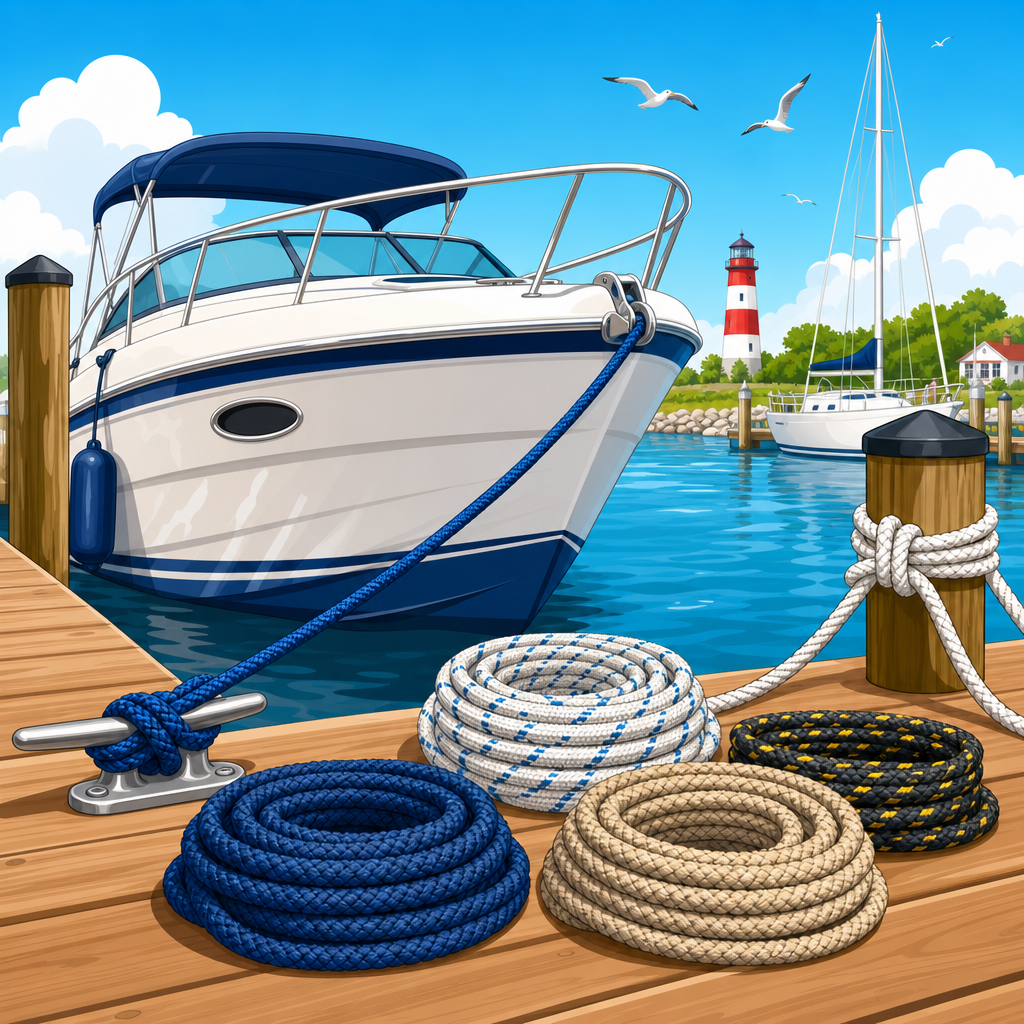
Once the boat is set afloat, secure it to the dock with ropes. This prevents the vessel from drifting away in case of currents or wind. If alone, you might find it beneficial to use a bowline, ensuring the boat is safely moored. Finally, drive your vehicle and trailer out of the ramp area to free up space for others, before boarding your boat to set off your nautical expedition.
Retrieving Your Boat
As with launching, retrieving requires preparation and familiarity with your equipment. Open communication with any helpers is advisable, and weather conditions should always be taken into account. Returning to the ramp with a clear strategy in mind simplifies the process.
Upon approach, reduce your speed gradually to decrease your wake, considering other boats and potential swimmers near the dock. Maneuver the boat gently into alignment with the trailer, ensuring you maintain a slow and controlled approach. Motor the boat slowly onto the trailer until it’s well-positioned. If someone is assisting, they can help confirm alignment before you secure it. A bow hook may benefit solo retrievers, helping guide the boat while being pulled onto the trailer.
Once aligned, secure the bow winch strap tightly before turning off the engine. This is crucial to eliminate the risk of slippage. Reinforce these with safety chains to further stabilize the boat. It’s worth noting that choppy conditions may necessitate extra caution and patience.
Safeguard the boat completely before pulling it out of the water. Double-check that the engine is turned off and the motor is raised to prevent damage during transport. Evaluate whether the load is balanced and secure additional straps as needed. Once verified, drive the trailer out of the water gradually. Upon parking the boat and trailer, remove the drain plug to allow any water taken on during the voyage to evacuate.
Post-Operation Checks and Maintenance
After retrieving the boat, perform post-operation checks and maintenance diligently. These measures ensure the boat remains in top condition and reduce the risk of issues in future outings. Flush the engine with fresh water to remove salt, algae, and sand, essential if operating in saltwater conditions. Neglecting this can lead to corrosion over time. Clear the deck and bilge to maintain cleanliness.
Check fuel lines and filters for leaks, addressing any detected promptly. Examine hull conditions and propellers for possible damage. Regular maintenance checks extend the vessel’s lifespan. Additionally, clean the boat’s exterior to remove any residues from the journey. Attention to these finer details enhances the vessel’s appearance and performance.
Secure the boat and trailer properly when storing. For extended durations, consider using a boat cover to protect against weather effects and debris. Trailer maintenance should not be overlooked, including checking tires, brakes, and electrical systems routinely. This vigilance increases the trailer’s reliability and durability.
Conclusion
Mastering the art of launching and retrieving a boat is an accomplishment and marks a milestone in any boater’s journey. The process demands awareness, preparation, and precision but becomes second nature with practice. From pre-launch inspections to post-retrieval maintenance, each step plays a role in ensuring smooth operations and maximum enjoyment on the water.
Confidence and skill not only enhance safety but also foster a stress-free environment. Pursuing this process proficiently ensures that both your time on the water and the care of your equipment are optimally handled. Consistency is king; incorporating these guidelines into regular practice leads to improved boating experiences.
Preparation remains fundamental, while relaxed yet vigilant handling aids in avoiding mishaps. Consequently, fostering these habits leads to successful boating outings every time. Set your sights on making the most of your experiences by arming yourself with the know-how outlined here. Applying these insights positions you as an effective and responsible boater.
As you continue your boating ventures, remember that knowledge and preparation go hand-in-hand. Now, with the insights gained from this extensive guide, embark on your next nautical adventure equipped to launch and retrieve your boat like a pro.