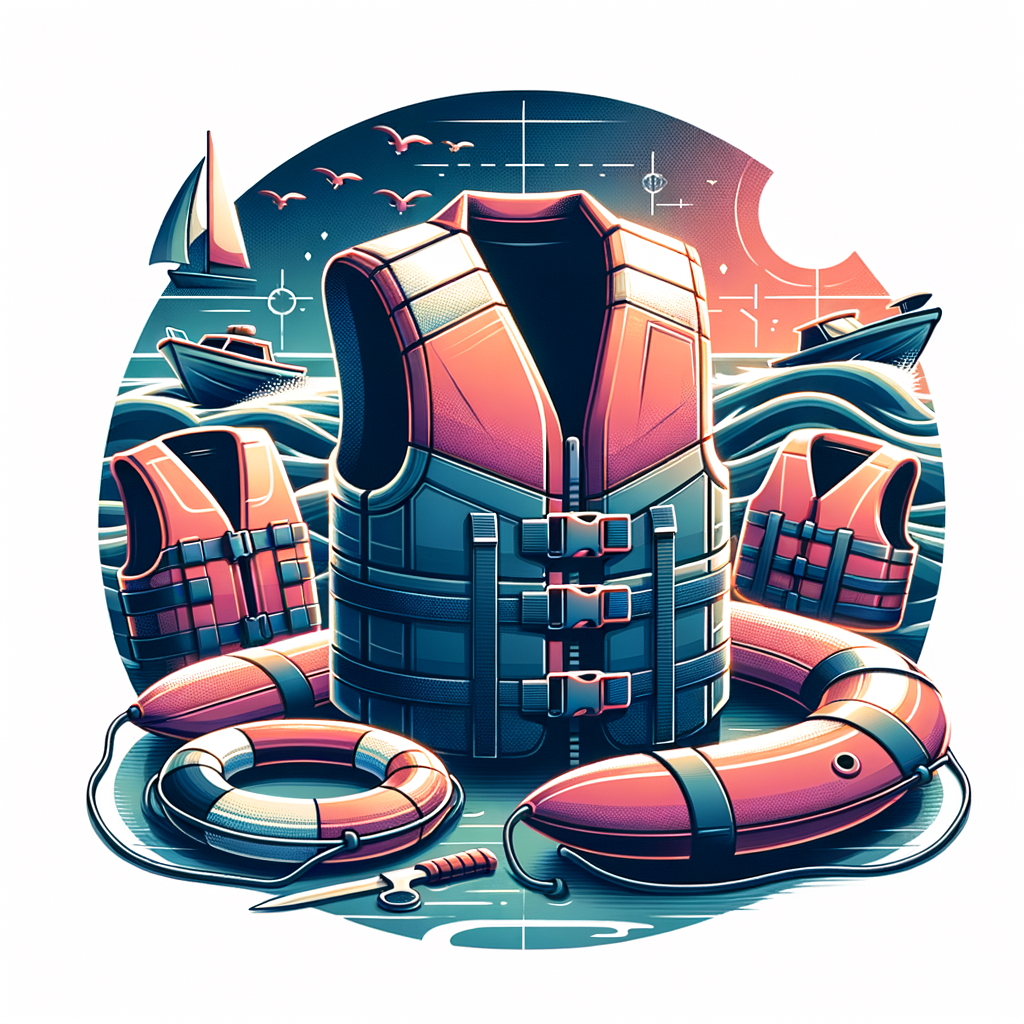
When it comes to boating, safety is paramount. One of the most crucial pieces of safety equipment any boater can invest in is a life jacket. Whether you are leisurely cruising on a pontoon, fishing in a small skiff, or embarking on an adventurous sailing trip, the right life jacket can mean the difference between life and death. Unfortunately, many boaters overlook this fundamental piece of equipment, either due to discomfort, lack of style, or because they are unsure which type is the best for their needs. This guide aims to demystify the process of selecting the best life jackets for boating. We will explore various types of life jackets, discuss their specific features and uses, and help you make an informed decision based on your specific boating activities. The boating community deserves to be educated to prioritize safety without sacrificing comfort and style. From inflatable life jackets to inherently buoyant ones and hybrids, we’ve got you covered.
Understanding the importance of life jackets is just the first step. The real challenge lies in sifting through the myriad options available on the market today. Life jackets vary widely in terms of material, buoyancy, fit, and additional features. Some are designed specifically for high-speed activities, while others are better suited for leisurely paddling or sailing. There are even life jackets tailored for particular climatic conditions or specific water sports. Price points vary, as do brands, leading to confusion for even the most seasoned boaters. This guide intends to highlight top-rated options based on a variety of boating needs, while also keeping considerations like price and comfort in mind. By the end of this comprehensive guide, you’ll be better equipped to make a decision that keeps you safe while enhancing your boating experience.
Types of Life Jackets
Life jackets, often called Personal Flotation Devices (PFDs), come in various types and are divided into five main categories, each designed with specific features targeted at different boating scenarios. Knowing these classifications is fundamental to making the right choice for any boater.
The first type is the Offshore Life Jacket. Often referred to as Type I PFDs, these are the most substantial in terms of buoyancy, designed to keep users afloat even in open, rough waters far from shore. They are capable of turning most unconscious wearers face-up, meaning they are ideal for situations where rescue may be delayed. Generally bulkier than other types, their design prioritizes maximum safety and buoyancy over comfort and mobility.
Next, we have Near-Shore Buoyant Vests or Type II PFDs. These are slightly less buoyant than Type I PFDs and are generally recommended for calm, inland waters where quick rescue may be expected. Although relatively less bulky, they may not turn all unconscious wearers face-up, making them more suitable for environments where immediate assistance is available.
Then there are Flotation Aids, categorically known as Type III PFDs. These are very popular among boaters who prefer mobility with added comfort, making them ideal for supervised activities like sailing, kayaking, and canoeing. However, these devices are not designed to automatically turn unconscious users face-up. The emphasis here is more on style and comfort, including vests that come in a variety of colors and designs.
Inflatable Life Jackets, commonly known as Type V PFDs, are fairly new to the market but have grown popular due to their compact design. They offer high buoyancy when inflated manually or automatically upon water immersion. Suited for more experienced users who are comfortable deploying the inflation mechanism if needed, they are often employed during activities where free movement is essential.
The last category, Special Use Devices or Type V PFDs, are tailored for niche activities. This category can include anything from deck suits to hybrids and come with specific functionalities for particular sports like windsurfing or water skiing.
Key Features to Consider
When selecting a life jacket, it is crucial to consider a range of features that align with your specific needs. The material plays a significant role in determining both comfort and durability. Most life jackets are made from nylon or neoprene. Nylon offers a lightweight and budget-friendly option, whereas neoprene provides a snug fit that is ideal for high-speed activities. Buoyancy is the next critical factor to consider. Measured in pounds, buoyancy levels can be matched to a boater’s weight and the environment they plan to navigate.
Fit is another essential factor; a life jacket that doesn’t fit well won’t perform as expected. Brands offer a range of sizes, so checking the manufacturer’s sizing guide is paramount to ensuring a proper fit. Adjustability is also key: many life jackets come with straps and belts to provide a customizable experience. Comfort and mobility are no less important, as these attributes often dictate whether a boater will wear the vest throughout the outing. Ergonomically designed vests with wide armholes and soft padding are beneficial for prolonged use.
Visibility adds an extra layer of safety, especially in low-light conditions or during overnight trips. Bright colors and reflective strips enhance a boater’s visibility to rescuers. Additionally, pockets, D-rings, and other accessory-friendly features may add convenience, allowing boaters to carry essentials such as whistles or small navigation tools securely. Balance these additional features with the fundamental aspects like buoyancy, material, and fit to ensure a comprehensive approach to selecting your life jacket.
Recommended Life Jackets
For those seeking a versatile option, the Onyx MoveVent Dynamic Paddle Sports Life Vest stands out. Combining comfort with functionality, it features mesh drainage, SOLAS-grade reflective material, and paddle-specific arm openings for full-range motion. Available in multiple sizes, it is a Type III PFD designed to blend into various rowing activities.
The Mustang Survival Corp M.I.T. 100 Auto Activation PFD is perfect for boaters who demand high buoyancy and a compact form. This Type V inflatable model uses Membrane Inflatable Technology to produce its larger-than-average buoyancy while being one of the lightest life jackets on the market. It features an automatic inflation mechanism as well as a manual inflation cord.
For offshore requirements, the Stearns 2000011394 Commercial Life Jacket is an excellent candidate. Classified as a Type I PFD, it offers immense buoyancy and is equipped to turn most unconscious wearers face-up. Its bright orange outer shell ensures visibility, while the adjustable straps provide a tailored fit for a range of sizes.
The O’Neill Men’s Superlite USCG Life Vest is highly recommended for water sports enthusiasts. This Type III flotation aid features a durable coated polyester shell for long-lasting service. Its lightweight polyethylene foam provides optimal buoyancy and comfort, with four buckles ensuring a secure fit even in turbulent waters.
Additional Considerations
The importance of regulatory compliance should never be overlooked when selecting a life jacket. Always ensure that the product you choose meets Coast Guard approval, as this indicates it has passed stringent testing to guarantee safety. Beyond USCG approval, verification of any additional ISO certifications can further validate a vest’s quality.
Child and pet safety also requires special consideration. Specialized life jackets designed for children feature enhancements like padded headrests and grab handles that support easy rescue. For pet owners, dog life jackets offer buoyancy and easy-grab handles, making them vital for family outings with furry companions.
Budget constraints may influence your choice, but it is essential to remember that a life jacket’s cost often reflects its quality and features. While budget-friendly models may seem attractive, they should not compromise essential safety features. Ultimately, consider these options as an investment in safety and peace of mind when you’re out on the water.
Conclusion
Choosing the ideal life jacket for boating is an essential step to ensure your safety and enhance your overall experience on the water. Understanding the different types of life jackets, as well as the critical features tailored to specific boating activities, helps create a safer and more enjoyable outing. Whether you’re traversing calm lakes or facing the open seas, the right life jacket provides not only buoyancy but also a secure and comfortable fit that encourages use without hesitation.
Investing in a high-quality life jacket is far more than a legal obligation or an added precaution; it is an affirmation of your commitment to safety for yourself, your passengers, and any companions that accompany you on your boating trips. By prioritizing factors such as buoyancy, material, fit, and visibility, you set the groundwork for an enjoyable, worry-free experience on the water. Consider each aspect carefully, aligning your choice with the specific requirements of your boating endeavors, and you will find the perfect life jacket to complement your journeys. Empower yourself with knowledge and safeguard your adventures, ensuring that you and your family remain secure and comfortable as you explore the world’s waterways.