Anchoring a boat may seem straightforward, but it requires careful consideration and respect for others sharing the water. Improper anchoring can lead to disturbances, damage to the seabed, and conflicts with fellow boaters. Learning how to anchor properly without disturbing others is an essential skill for any responsible boater. In this article, we’ll explore the significance of mindful anchoring, the steps involved in setting an anchor correctly, and how to assess the surroundings to ensure your actions do not impact other vessel operators negatively. Whether you’re new to boating or an experienced sailor, understanding the nuances of considerate anchoring enhances safety, promotes harmony on the water, and contributes to the protection of marine environments. Let’s delve into the principles and practices that characterize respectful and effective anchoring.
Anchoring is not just about dropping your anchor overboard. It involves selecting a safe location, using the right gear, and applying a technique that ensures security for your boat while maintaining respect for others around you. Improper anchoring can inconvenience other boaters by drifting into their paths or creating hazards through poor placement. More importantly, it can also have environmental repercussions, such as damaging sensitive habitats like coral reefs or sea grasses, which serve as vital ecosystems for marine life.
Respectful anchoring begins with understanding the impact of your actions on the natural environment and other water users. Before setting anchor, boaters must consider weather conditions, bottom characteristics, nearby vessels, and regulatory requirements. Being proactive in these considerations safeguards not only the integrity of your vessel but also the surrounding environment. Additionally, continuity in learning and adapting to updated anchoring guidelines strengthens community relations and ensures a positive and sustainable boating experience for everyone involved. As we go through this article, keep in mind that a practical approach to anchoring is rooted in knowledge, environmental awareness, and common courtesy.
Choosing the Right Spot
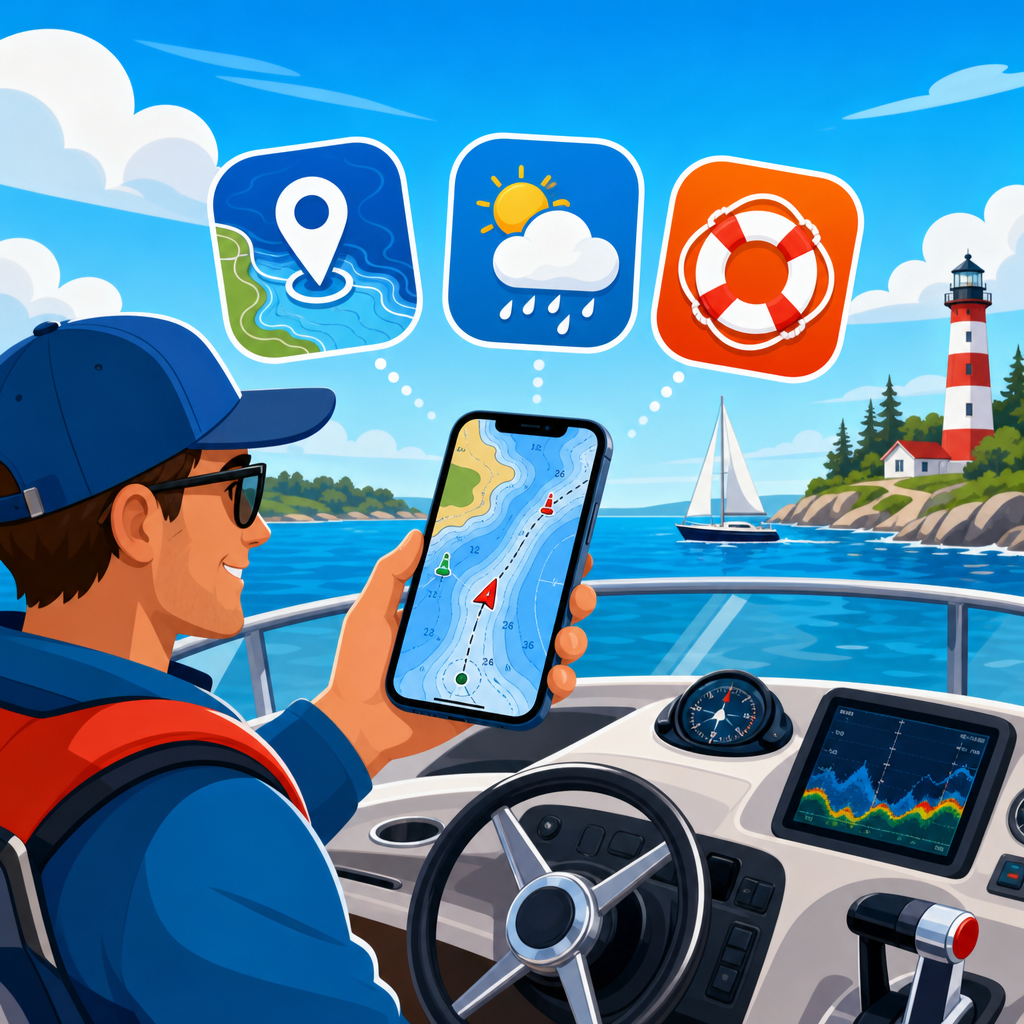
Selecting an appropriate anchoring spot is critical. Your choice should balance safety for your vessel with consideration for nearby boats and environmental protection. When scouting for a suitable location, start by identifying an anchorage that offers natural protection against expected wind directions and currents. A sheltered bay or cove often provides reduced wave action and more stable conditions. Check nautical charts and local guidelines, which detail recommended anchoring areas and provide insights on seabed types, depths, and potential hazards. Avoid anchoring close to navigation channels or in high-traffic areas where your vessel could become an obstruction to navigation. Also, maintain a respectful distance from protected areas to minimize your environmental footprint.
When choosing an anchoring spot, assess the seabed’s composition to determine whether it will offer good holding for your anchor. Sandy and muddy bottoms generally provide reliable anchoring, while rocky or densely vegetated areas can complicate anchor setting, sometimes causing dragging or difficulty in retrieval. Use your depth sounder or other onboard technology to ascertain depth and bottom conditions. Ensure you have adequate depth for both high tide and anticipated swing room, allowing space for your boat to shift with changing conditions without risk of collision with nearby vessels. It’s advisable to observe boats already anchored in your desired location, assessing their placement and swing patterns to choose a compatible spot that maintains adequate spacing.
Selecting the Right Anchor
The type of anchor you use plays a significant role in ensuring a secure and respectful anchoring. Different anchors are designed for specific bottom conditions, making it crucial to choose one that suits the environment where you intend to anchor. Common anchor types include plow, fluke, and mushroom anchors, each suited to different substrates. A plow anchor works well in sandy or muddy areas but may not penetrate hard bottoms effectively. Fluke anchors are efficient in soft sediments, providing excellent holding power for a lighter weight. Mushroom anchors are often used for permanent moorings due to their weight and holding characteristics, particularly on soft bottoms.
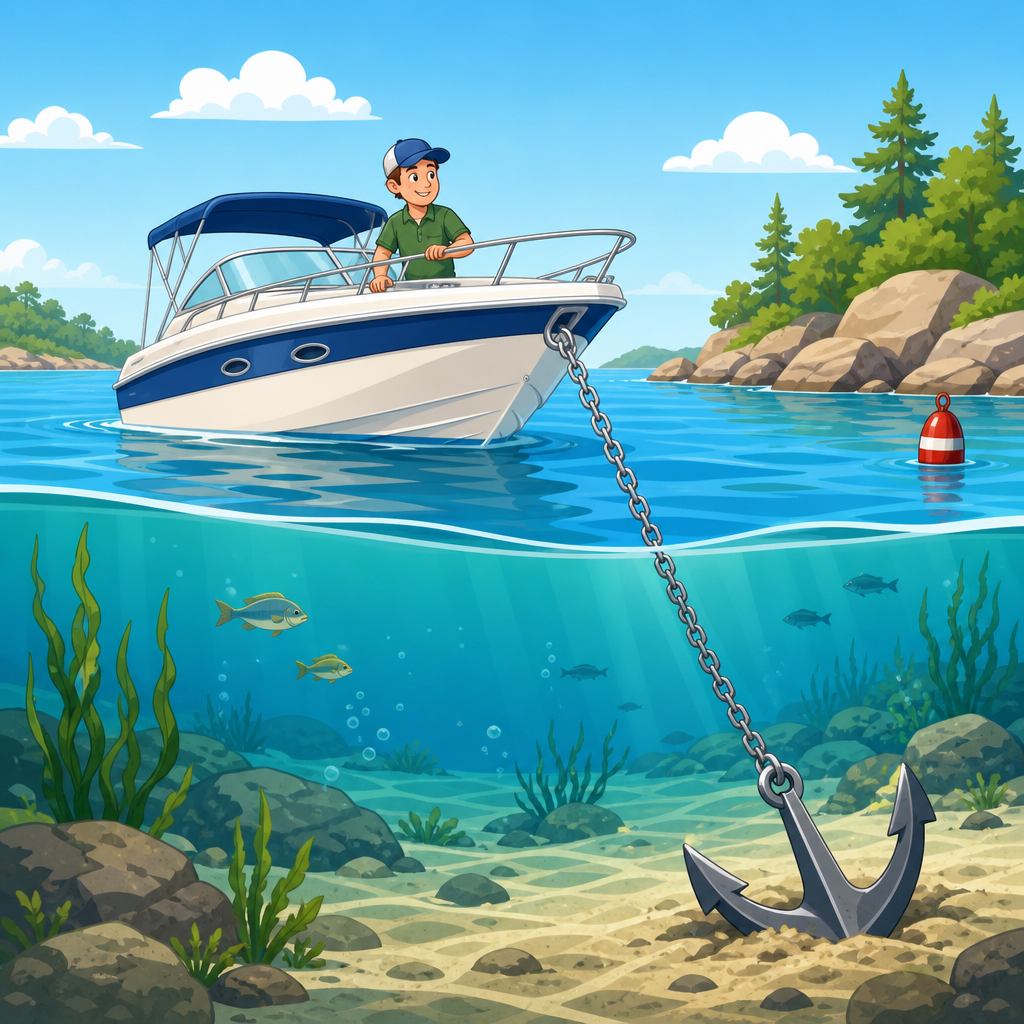
Consider your vessel size when selecting an anchor; larger boats require heavier anchors to ensure proper holding. Rope and chain combinations are typically used as anchor rod components, with the chain playing an essential role in maintaining the angle of pull on the anchor. This setup enhances overall holding power and reduces the likelihood of dragging. It’s crucial to understand the scope—the ratio of the length of anchor line paid out to the water depth. A typical scope of 5:1 to 7:1 is recommended for adequate security. Deploy enough rod to achieve the necessary scope, accounting for varying tide and weather conditions that might cause your boat to ride higher or lower in the water.
Deploying the Anchor
Proper deployment of the anchor is critical in establishing secure anchorage without affecting surrounding vessels or environments. Begin by positioning your boat into the wind or tide, as this helps maintain control while the anchor is being set. Approach your chosen spot at a slow and controlled speed, then bring your vessel to a complete stop. Lower—not drop—the anchor over the bow professionally and with caution. Controlled lowering minimizes disturbance to the seabed and reduces the risk of tangling or damaging the anchor.
After the anchor touches the bottom, continue to pay out the line according to the predetermined scope. Set the anchor by gently putting your boat in reverse, allowing the anchor to dig into the seabed. Once you feel resistance or notice that your vessel no longer drifts backward, your anchor is probably set. To confirm, look for changes in the waterway or the vessel’s position relative to fixed landmarks. A securely set anchor means your boat should remain stable despite moderate shifts in wind direction or current strength.
In instances where the anchor does not set correctly or begins to drag, retrieve and attempt to reset it, potentially choosing another location if necessary. Multiple attempts may be required to ensure the anchor is set solidly. Monitoring is key; even after successful anchoring, continuously check your position against landmarks or GPS to catch any accidental drifts early. Staying vigilant helps prevent conflicts with other vessels and protects against unforeseen weather changes affecting your anchorage.
Maintaining an Anchor Watch
Maintaining an anchor watch can significantly enhance vessel security and reduce the likelihood of disturbances to others. An anchor watch involves regularly checking your boat’s position to catch early signs of dragging or unintentional movement. Assign someone on your crew to stay awake and alert, especially during periods of adverse weather or in busy anchorages. Utilize onboard technology, such as GPS tracking systems or anchor alarms, to automate position monitoring. These devices can alert you to any deviations in your position, allowing prompt corrective measures.
Regular checks include visually assessing the surroundings in relation to fixed points ashore or other vessels. If movement is detected and suspected due to a shifting anchor, assess environmental factors—such as changes in wind or current—before attempting to reset the anchor. During the anchor watch, it’s also crucial to maintain clear communication with nearby vessels if your boat begins to drag towards them. Quick, polite notifications can help mitigate potential collisions or conflicts.
Dealing with Multiple Boats
When anchoring in areas with multiple vessels, additional considerations are necessary to prevent disturbances. Be aware of the swinging circles of other boats and ensure they have enough space, especially if conditions change. Assess the density of the anchorage and avoid overcrowding, which increases collision risks. It’s not only considerate but often required by local regulations to maintain a specific distance. If in doubt, consult local bylaws or marina personnel for anchoring guidelines.
When arriving in a populated anchorage, observe the layout and follow any local anchoring customs or orders. Anchor in a position that minimizes interference with others, and adjust your placement if necessary based on feedback or changes in your boat’s swing pattern. When in tight quarters, consider alternatives such as using a stern anchor to limit your swing or selecting another anchoring spot when feasible. Courtesy hailing on designated VHF radio channels or signaling to neighboring boats can help communicate intentions, preventing disputes before they arise.
Environmental Considerations
Anchoring with consideration for the environment is essential in preserving aquatic ecosystems and ensuring sustainability. Disturbing the seabed or anchoring in ecologically sensitive areas, such as coral reefs or marine reserves, can disrupt habitats. Before anchoring, research the local environment to avoid causing damage to protected zones or delicate marine life. Utilize charts and available resources to identify no-anchor zones, adjusting your plans accordingly.
When possible, use designated mooring buoys, as they offer a sustainable anchoring alternative that prevents seabed and habitat damage. If mooring buoys are unavailable, adhere strictly to anchor placement guidelines to prevent unwanted ecological impact. Educate yourself and your crew about local marine conservation efforts and engage in responsible boating practices to support these initiatives. Clean up and dispose of trash responsibly to ensure everything you bring aboard also leaves with you, maintaining a pristine environment for other visitors and wildlife.
Conclusion
Knowing how to anchor properly without disturbing others is a fundamental aspect of responsible boating. A mindful approach respects fellow boaters while safeguarding our shared waters and regulating the human impact on aquatic environments. The process encompasses choosing the right spot, deploying the appropriate anchor correctly, and maintaining a watchful presence through regular monitoring. Anchoring is not just a mechanical task but a demonstration of courtesy, environmental awareness, and communal harmony.
As boating popularity grows, it’s increasingly important to reinforce considerate anchoring practices among vessel operators at all experience levels. Collaborative efforts in education, adherence to guidelines, and open communication within the boating community contribute to positive experiences on the water. Empathy and mutual respect ensure safe, enjoyable, and ecologically conscious adventures for all sharing the ocean’s vast playground. By integrating these principles, we set a standard for anchoring that future generations can appreciate and emulate, fostering a commitment to preserve and cherish our natural resources.
Frequently Asked Questions
1. What is the importance of anchoring without disturbing others?
Anchoring without disturbing others is crucial because the water is a shared space, and every boater has the right to enjoy it without unnecessary interference. When you anchor correctly, you help maintain a peaceful environment, prevent potential accidents, and respect the natural ecosystem. Proper anchoring means avoiding physical interference with other boats and ensuring that you’re not damaging the marine environment. By considering others, you contribute to a community of responsible boating where everyone can enjoy the water safely and respectfully. This approach not only enhances your experience but also preserves the harmony and beauty of the waterways.
2. What factors should I consider when choosing a spot to anchor?
Choosing the right spot to anchor is critical to avoid disturbances. First, assess the water depth to ensure that it’s suitable for your anchor and that there’s enough room for your boat to swing with any wind or current changes. Check the seabed type – sand or mud are generally ideal for anchoring, while rocky or densely vegetated areas could cause your anchor to drag. Always observe your surroundings: look for other boats, buoys, and any marked swimming areas and maintain a safe distance to prevent entanglements or collisions. Keep an eye on the wind and tide predictions, as these can alter your positioning over time. By doing a thorough evaluation, you guarantee a steady anchoring spot that won’t impact nearby vessels or the environment.
3. How can I set my anchor correctly to ensure it holds?
To set your anchor correctly, start by slowly moving your boat to the spot you’ve chosen. Once there, gradually lower your anchor to the seabed, allowing it to settle properly – don’t just drop it quickly, as this can cause tangling or disruption. Then, let out enough anchor line, calculated as a ratio between five and seven times the depth of the water, known as the “scope.” This length ensures that your anchor can set firmly into the seabed, providing better hold. After releasing the proper line amount, slowly reverse your boat while keeping tension on the line; this action helps the anchor to dig in and secure its position. Double-check your anchor’s hold by observing any movement of your boat relative to fixed markers or through a GPS to confirm you’re not drifting.
4. What are some common mistakes to avoid when anchoring?
A few common mistakes can significantly upset others or disturb the environment. Don’t anchor too close to others, giving yourself and other boats enough space to swing without risk of collision. Avoid anchoring in restricted areas such as marine protected zones or near sub-aquatic cables; always respect regulatory signage. Avoid cutting the anchor rode too short; without sufficient scope, your anchor is less likely to hold, leading to drifting. Always double-check the boat’s position to ensure its stability before you settle in. Lastly, don’t forget to monitor the weather as sudden changes can affect your anchor’s effectiveness and your boat’s movements unexpectedly. Awareness and readiness to adjust are key in preventing complications.
5. How can I ensure that I’m respecting the marine ecosystem while anchoring?
Respecting the marine ecosystem is a vital part of responsible anchoring. Begin by avoiding anchoring in sensitive areas such as coral reefs, which can be easily damaged by anchors. Use anchoring techniques and equipment designed to minimize seabed disturbance, such as specific types of anchors suited for the seabed material. If possible, use mooring buoys instead of anchoring, as they eliminate direct seabed impact. Be mindful not to dispose of waste or discharge pollutants into the water. Maintaining a clean anchorage not only protects the aquatic life but also ensures a healthy environment for future usage. Responsible anchoring involves vigilance and care, ensuring you enjoy nature without harming it.