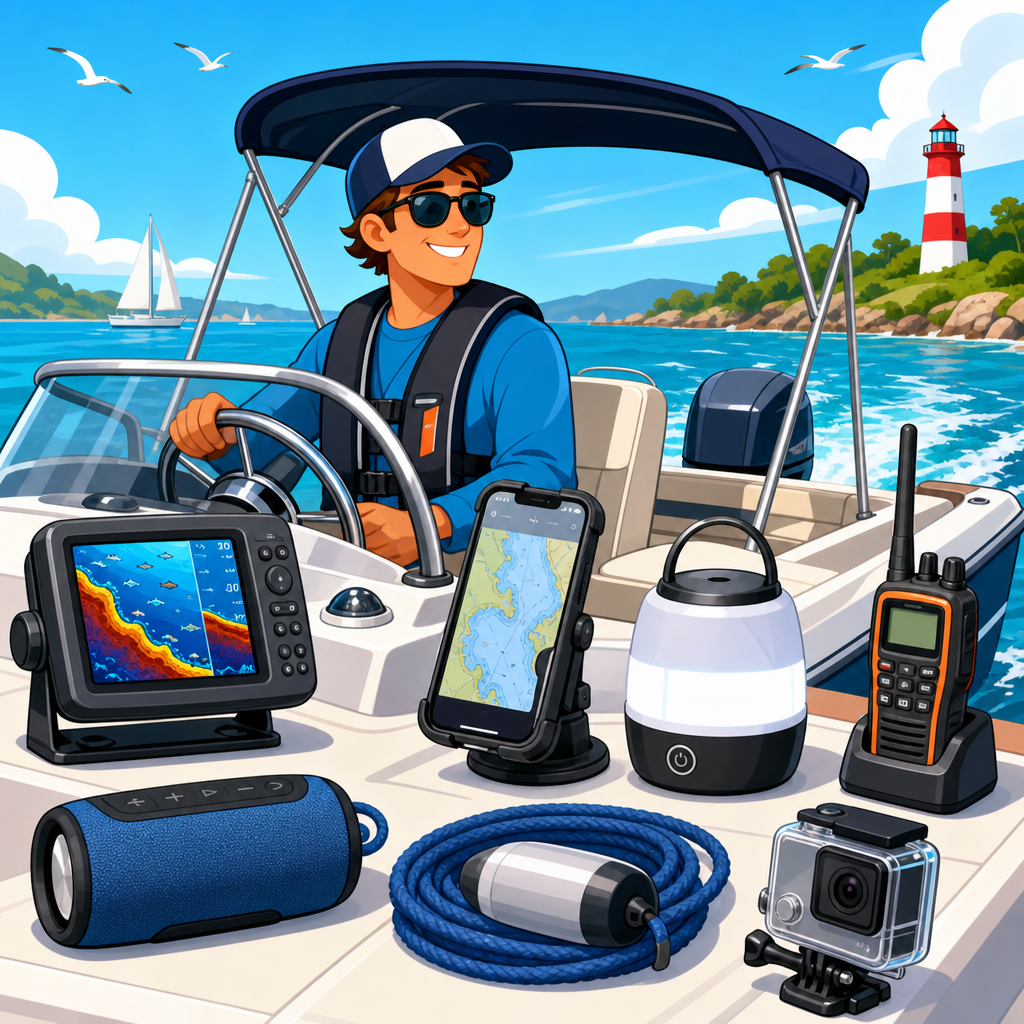
Encountering a “man overboard” situation is one of the most critical emergencies that can occur in any maritime setting. Whether you’re on a massive cargo ship, a small sailboat, or a commercial fishing vessel, the immediate actions taken can mean the difference between life and death. The open sea is an unforgiving environment, and being thrown overboard exposes individuals to various threats such as hypothermia, drowning, and even wildlife encounters. Having a clear understanding of how to respond effectively and swiftly is paramount. Although the occurrence of someone falling overboard might seem rare, it’s a scenario that everyone should be prepared for, as it can notably increase survival odds. This comprehensive guide will delve into actionable steps and protocols you can follow when faced with this daunting situation. Equipped with this knowledge, individuals at sea stand a better chance of successfully rescuing the person in water and ensuring their safety. Let’s navigate through the critical components of responding efficiently to a man overboard situation.
The initial reaction to a man overboard incident involves managing panic, shouting “man overboard,” and maintaining visual contact. Subsequent steps require quick thinking, coordination, and sometimes even physical strength. Therefore, staying composed and alert can significantly influence the rescue operation’s effectiveness. Effective preparation and awareness are vital aspects of safeguarding lives on the sea. It’s essential to note that different vessels may have specific procedures and equipment, influencing the chosen response strategies. Highly trained crew members might find these actions familiar. However, anyone, regardless of experience level, can benefit significantly from this detailed guide. This training can prove invaluable not only in practice scenarios but in real, potentially life-threatening situations. Navigating these waters with proper protocol readiness can indeed save lives.
Immediate First Response Actions
When realizing that someone has fallen overboard, the utmost urgency is necessary. The initial step is to raise the alarm rapidly. Yelling “Man overboard!” alerts all crew members and passengers to the emergency situation. This must be done instantaneously to maximize the chances of a successful rescue. After alerting everyone, designate one person to keep constant eye contact with the victim in the water if possible. Maintaining this visual is crucial, as losing sight of the person can greatly complicate the rescue operation.
In conjunction with keeping visual contact, it’s essential to mark the location where the person fell overboard. Throwing a lifebuoy or a marker buoy to the spot provides a reference point, especially helpful in rough seas or low visibility conditions. The buoy also serves as floatation support for the individual in water. As communication forms a critical part of the response, ensure to use the ship’s radio to call attention to the incident and involve established maritime rescue services if needed.
Depending on the vessel’s size, the immediate actions could also involve reducing speed or executing a maneuver to halt forward progress, such as stopping the engine or adjusting sails. However, in busy waters, the ship’s position should always be carefully managed to avoid collisions. Each of these steps, if taken swiftly, can ensure a more successful retrieval of the individual.
Executing the Rescue Operation
Once immediate actions are in place, executing the rescue operation is the next critical task. Ideally, a few crew members should be designated to take charge of the rescue. They will need to assess the quickest method to safely retrieve the person in water, considering weather conditions, water temperature, and the vessel’s size. The crew members should equip themselves with life jackets before carrying out any rescue efforts, ensuring that their safety is not jeopardized in the process.
There are several methods to retrieve the person overboard. If the individual is close to the vessel, using a boathook or line to reach them might be sufficient. In cases where the person is beyond immediate reach, deploying a rescue craft, such as an inflatable dinghy, can be an effective method to bring them back onboard. If conditions allow, one or more trained crew members may enter the water to assist the person, though this option should be exercised with caution to prevent additional people from getting into danger.
The choice and execution of the rescue method should be quick yet calculated. Each scenario presents unique challenges based on wave height, wind speed, and the person’s physical state. Continuous communication among the crew is essential to coordinate maneuvers and share observations about the victim’s condition. This cohesive teamwork is a fundamental aspect of a successful recovery.
Providing Post-Rescue Care
After successfully retrieving the person from the water, their care doesn’t end. Immediate medical evaluation is necessary, as the person might be experiencing hypothermia, shock, or other injuries. First aid should be administered as soon as possible, focusing on warming the individual, particularly if they have been exposed to cold water temperatures. It’s important to remove any wet clothing and replace it with dry, warm materials.
Conduct a thorough check for cuts, bruises, or other visible injuries, and ensure that they are sitting or lying in a comfortable position. Hydrate the individual with warm fluids if they are conscious and ask general questions to assess their mental state. Zooming in on observation, check for signs of confusion or disorientation. These symptoms might indicate that professional medical help is needed urgently.
Communication with medical professionals via radio or another suitable method of contact must be established to gain further instruction or determine the necessity of an emergency evacuation. While waiting for medical assistance, keep the rescued person calm, and continually monitor their condition. A crew member should stay alongside them, ready to relay updates to medical personnel once they arrive.
Developing Preparedness and Training
Preparation and practice play a crucial role in handling man overboard events effectively. Regular training drills should be implemented, allowing crew members to practice procedures in a controlled environment. These exercises should cover identifying emergencies, coordinating with team members, executing rescue operations, and administering first aid, ensuring all personnel are familiar with their roles.
An informed crew is the most effective line of defense against tragedies at sea. Each vessel varies in response practice; however, comprehensive training sessions help reduce reaction time and increase proficiency in rescue maneuvers. These drills can also highlight gaps in existing protocols, presenting opportunities for maritime organizations to refine and improve their emergency action plans continuously.
In addition to the regular practice, equipment checks are equally vital. Life-saving apparatus such as lifejackets, throw rings, boathooks, and rescue boats must be maintained and inspected regularly to ensure they function optimally when needed. Adopting a proactive mindset cultivates an environment where every crew member remains vigilant and prepared, ready to act decisively without hesitation should a man overboard situation occur.
Conclusion
Responding effectively to a man overboard situation can make a stark difference in survival outcomes, emphasizing the tremendous responsibility borne by everyone aboard a vessel. The acute awareness of surrounding circumstances, coupled with steadfast preparedness, embodies the heartbeat of successful maritime operations. Following structured protocols — from the initial alarm phase to post-rescue medical care — are the pivotal threads weaving the fabric of effective emergency management.
Despite varying conditions and vessel types, the fundamental principles of quick communication, unyielding vigilance, and decisive action form the backbone of responding to these emergencies. Timely and coordinated responses depend on each crew member understanding their tasks and having hands-on experience through regular drills and training. This not only sharpens skills but also builds confidence in handling real-life incidents.
Letting preparedness permeate the culture within maritime fleets fosters an environment where safety is prioritized and readiness is ingrained. Thus, should personnel ever find themselves in the precarious situation of a man overboard, they possess not only the knowledge to act but the practiced skill to ensure the best possible outcome. Navigating treacherous waters is contingent upon this synergy of strategy, equipment, and human action aligned for one critical mission: saving lives at sea.
Frequently Asked Questions
1. What are the immediate steps to take when someone falls overboard?
The moment someone falls overboard, it’s crucial to act quickly and methodically. The very first step is to raise the alarm by yelling “Man Overboard!” as loud as possible to alert everyone on board. Quickly, have someone else ensure they press the “man overboard” button on the GPS if one is available to mark the location. Simultaneously, a person should grab a life ring or any flotation device and throw it towards the person in the water. The next critical step is appointing a spotter who will keep their eyes on the overboard individual at all times; losing sight of them even for a second can make retrieval much harder. After these initial responses, one should start strategizing the vessel’s return to the vicinity of the individual while preparing for the actual retrieval process.
2. Why is it important to assign a spotter, and what should they be focusing on?
Assigning a spotter in a “man overboard” scenario is absolutely essential as it dramatically increases the odds of a successful rescue. The spotter has one main responsibility: keeping continuous visual contact with the person in the water. This involves pointing at them directly to help guide the vessel and using distinctive landmarks or references when possible, especially during poor visibility conditions such as at night or in rough seas. Making sure the spotter has no distractions and their sole focus is on the individual in the water is paramount, as losing sight even momentarily in the vast, dynamic environment of the open sea can result in losing the person altogether.
3. What should you consider when maneuvering the boat back to the overboard person?
Maneuvering the boat back to a person overboard should be done with extreme care and precision. The primary consideration is to avoid causing any additional risk to the person in the water by running over them or causing injury from the boat’s propellers. Approach slowly, typically bringing the stern towards the individual since it’s easier to see them and deploy rescue equipment without the risk of propellers presenting a danger. Assess the conditions, such as wind and current directions, and adjust your approach accordingly to come in upwind or up-current. Communication with the spotter is vital throughout this process to ensure they are accurately directing you to the person’s location. Also, prepare all necessary rescue equipment, such as ladders or lines, so you’re ready when reaching them.
4. How can you safely retrieve the person once you’re in close proximity?
Once the vessel is close to the individual, ensuring their retrieval is conducted safely without causing additional harm is crucial. As you near, maintain a slow, steady speed to keep control over the boat. If the person is conscious and able to assist themselves, toss a life ring attached to a line that they can grab onto. Ensure they are secured and drawn in towards a ladder or platform on your boat. If they are unable to assist due to injury or fatigue, you’ll need to implement a more hands-on approach using lifelines or rescue slings, empowering someone on the crew trained for physical retrieval to properly assist by entering the water safely if necessary. It’s vital to monitor them constantly for signs of hypothermia or shock and to provide appropriate first aid immediately upon safely getting them aboard the vessel.
5. What are the post-rescue procedures after successfully bringing the person back on board?
Post-rescue procedures are as important as the rescue itself for ensuring the well-being of the overboard individual. Once safely on board, the first step is to quickly assess their physical condition. Remove any wet clothing immediately and replace it with warm, dry substitutes to help prevent or address hypothermia. Administer first aid if there are visible injuries, such as cuts or bruises, and check for signs of shock, which could include paleness, confusion, or disorientation. It’s also essential to keep them warm – supply blankets and encourage fluid intake if they’re alert and without risk of choking. In the event of severe symptoms, seek medical attention at the earliest opportunity by communicating with the coast guard or marine authorities for further assistance. Lastly, it’s beneficial to debrief the crew about the event to review actions taken, discuss what went well, and identify areas for potential improvement to enhance readiness for any future incidents.