Boating during cold weather offers a unique and serene experience, distinct from the warmer seasons where waters are crowded with vessels and the air echoes with the chatter and laughter of families enjoying the sunshine. There is something immensely captivating about the tranquility and raw beauty of nature that cold weather boating provides. Snow-capped mountains reflected on the glassy surface of a lake, a soft blanket of snow coating the deck, and the crisp, biting air invigorating your senses—all these make the experience unforgettable.
However, with the beauty and serenity of cold-weather boating come inherent risks and challenges that must not be underestimated. Boating in cold temperatures introduces hazards that are not as prominent during warmer seasons. The threat of hypothermia, icy decks, and quickly changing weather patterns are all factors that demand increased vigilance and preparation. Hence, understanding and applying the necessary safety measures is critically important to ensure a safe and enjoyable adventure on the water. Boating safety is not just about the mechanics of navigating a vessel but also about being fully prepared for the unexpected and knowing how to handle potential emergencies. This guide explores the crucial safety precautions you should take while boating in cold weather, ensuring your adventure is both safe and enjoyable.
Dressing Appropriately for Cold Weather
The first line of defense against the cold is proper attire. When you’re boating in cold weather, wearing the right gear can be the difference between life and death. Begin with a quality waterproof and windproof outer layer to protect against the elements. Underneath, wear thermal layers made of wool or synthetic materials which retain heat and wick moisture away from your skin. Cotton should be avoided, as it retains moisture and loses insulating properties when wet.
Footwear is equally important; insulated, waterproof boots will keep your feet warm and dry. Don a hat and a pair of gloves, as a significant amount of body heat is lost through the head and extremities. Additionally, ensure your clothing allows for ease of movement, enabling you to operate the vessel and respond to emergencies effectively. Bright colors or reflective gear can significantly enhance your visibility, which is crucial during overcast days or when visibility is limited.
Ensuring Your Vessel is Ready for Cold Conditions
Your boat should be as prepared for the cold as you are. Check that your vessel is in good working order before venturing out. Inspect and test your boat’s battery, as cold temperatures can reduce its efficiency. Examine the fuel system for any leaks or cracks that might worsen in cold weather. Ensure all navigation lights are operational and that your vessel’s heater, if available, is in good condition.
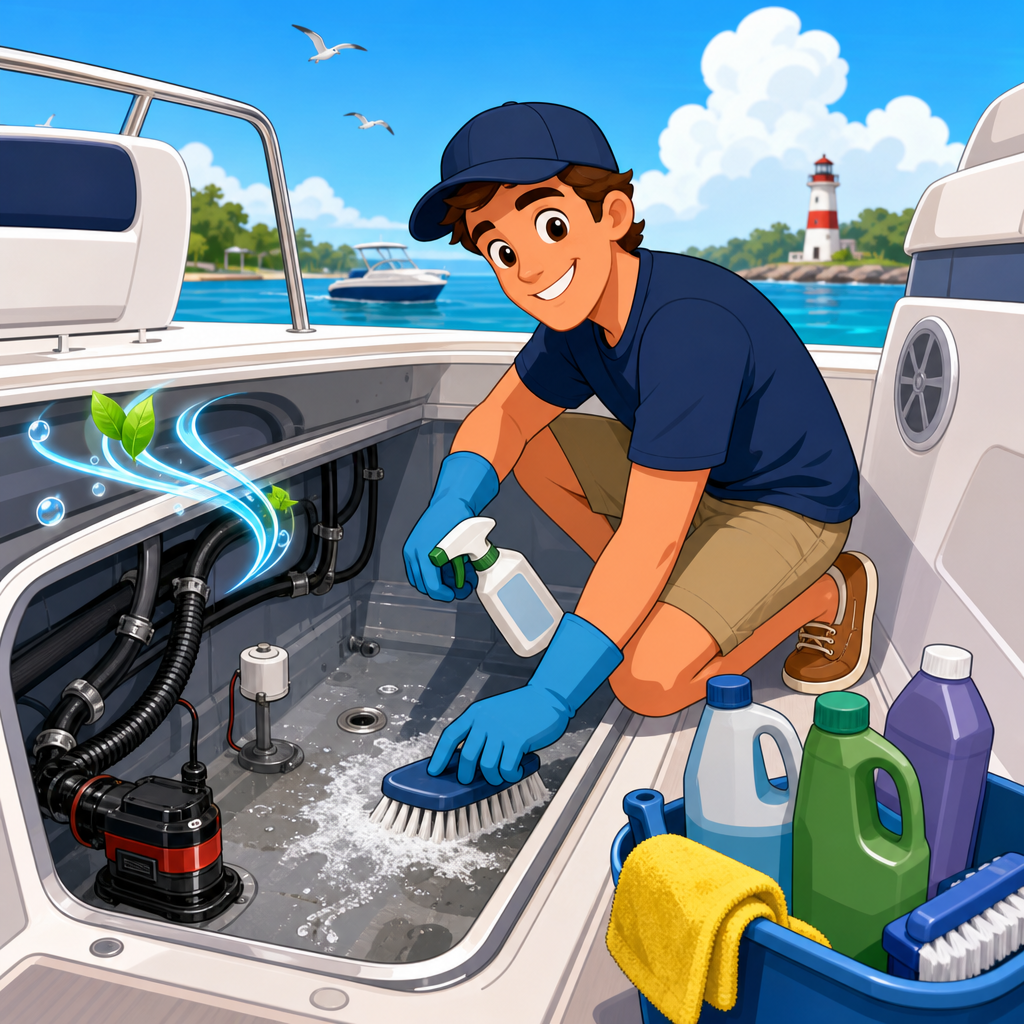
Cold weather can cause engine components to contract, making them harder to start. Thus, it’s important to keep essential tools for potential repairs onboard and ensure you have enough fuel to get to safety if the engine begins to give trouble. Inspect your bilge pump and make sure it is functioning correctly to prevent onboard flooding. Synthetic oils and antifreeze are highly recommended in your boat’s systems to maintain functionality even as temperatures drop.
Understanding Weather Patterns and Risks
Embarking on a cold-weather boating trip necessitates a thorough understanding of weather conditions. Cold weather often brings unpredictable changes that can lead to hazardous situations. Before departure, check and continuously monitor the weather reports for your boating area. Understand the wind patterns and be aware of any weather watches or warnings issued that might affect your trip.
Apart from monitoring meteorological reports, being able to read local weather signs, such as sudden cloud formations or changes in wind patterns, is also essential. Cold fronts can move swiftly, bringing rapid drops in temperature and increased wind speeds. These changes can significantly affect water conditions, increasing risks of capsizing or creating perilous navigation conditions. Knowing when to quickly return to shore or seek a protected area is a vital skill. Always plan your trip allowing adequate time to return before dark, as nightfall brings additional risks.
Safety Gear and Contingency Plans
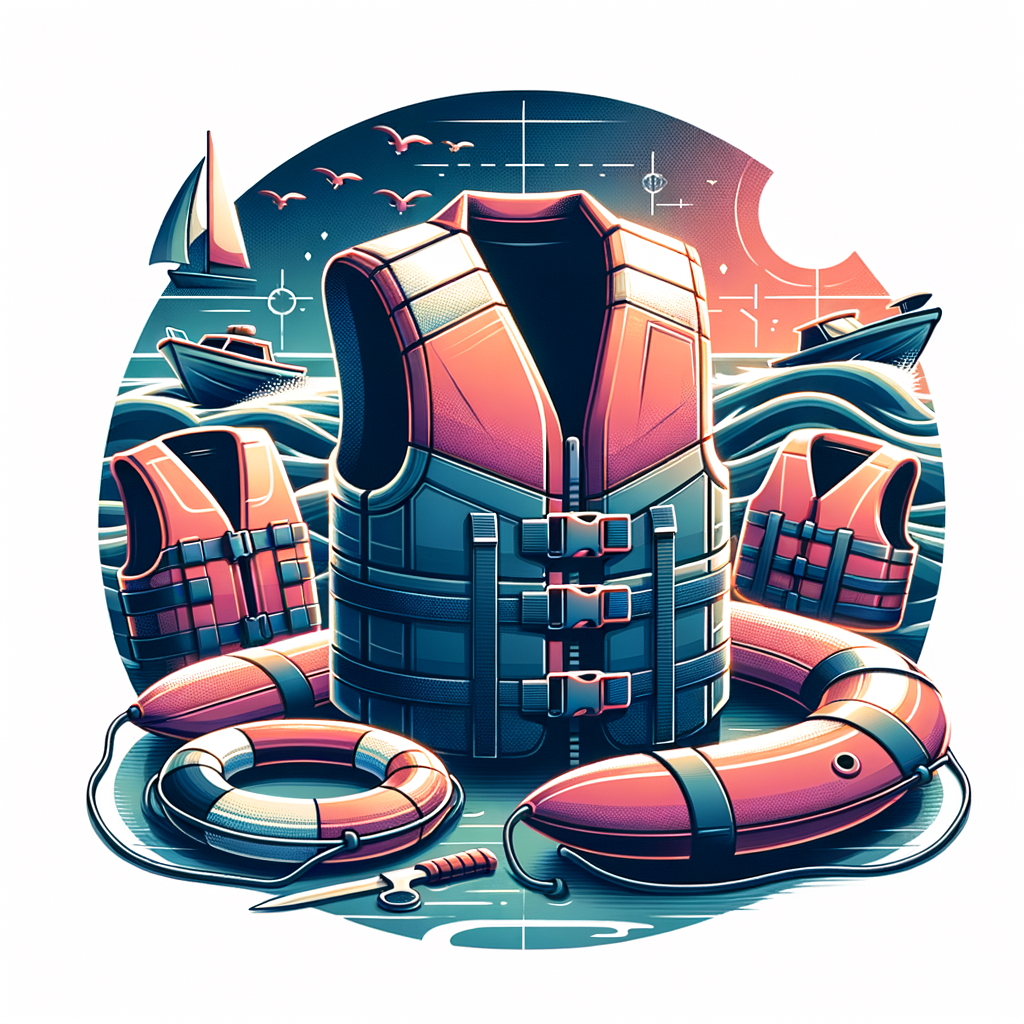
Equipping your boat with essential safety gear is obligatory and often required by boating regulations, regardless of the weather. For cold weather, these precautions extend further. Ensure every passenger has a properly fitting life jacket that can be layered over warm clothing without impairing movement. Carry thermal blankets and dry clothing in waterproof bags in case someone requires emergency warming.
A marine radio is indispensable in conditions where mobile phone coverage might fail or be affected by weather patterns. Moreover, maintaining a well-stocked first-aid kit is necessary for addressing any injuries or health concerns quickly. Include anti-hypothermia equipment like hot water bottles or chemical heat packs to counteract temperature drops.
Develop a contingency plan and communicate it to your passengers. Designate what steps must be taken if an individual goes overboard, how to respond if someone shows signs of hypothermia, and identify nearby safe harbors or points of safety if the weather turns perilous. Ensure everyone aboard understands these procedures clearly before setting off to sea.
Dealing with Cold Water Immersion
The threat of falling into icy waters is a grave risk with severe consequences due to rapid loss of core body temperature. Knowing how to handle such a situation can reduce panic and potential fatalities. If anyone falls overboard, prompt retrieval is vital. Cold water carries heat away from the body far quicker than air. Hypothermia can set in within minutes, leading to shock and unconsciousness.
Inhabitants should practice the HELP (Heat Escape Lessening Position) technique, which conserves body heat by minimizing heat loss from vital areas. Get the person out of the water as soon as possible and remove any wet clothing. Replace them with dry garments, warm blankets, and initiate warming strategies such as warm beverages if the individual is conscious. Avoid direct heat, such as hot water or heating pads, which might cause shock due to blood rushing away from major organs unattended.
Operational Safety and Emergency Readiness
Cold weather can affect operational equipment, so it’s important to ensure all your navigational and operational equipment is fully functional. Routine checks before departure should cover steering systems, emergency controls, GPS units, and other communication devices. Know the waterways well, and plan your route strategically to minimize exposure to open and rougher water locations.
Being vigilant and maintaining contact with marinas or the coastguard concerning your travel route and expected return time ensures that there will be a timely response in case assistance is required. Avoid consuming alcohol while on board, as it impairs judgment and can increase the risk of hypothermia.
Training sessions simulating emergencies and how to handle them can boost confidence and preparedness. Understanding and rehearsing rescue procedures like the Williamson Turn for man-overboard situations, radio distress call instructions, or proper use of safety equipment makes the difference in highly vulnerable moments.
Conclusion
Boating in cold weather, while exhilarating and beautiful, presents unique challenges requiring equable respect and preparation. As we have discussed, every detail from the clothing you wear, to the gear on your boat, to the awareness of the weather and emergency procedures can dramatically influence the outcome of your trip. It is paramount not to underestimate these risks or dismiss thorough preparation and planning as over-cautious.
Safety is paramount in recreational boating, and ensuring that all precautions are thoroughly examined is the primary key to enjoying the splendor of winter waterscapes. Not only does it protect you and your passengers, but it ultimately enhances the experience, allowing you to focus on the unparalleled beauty and solitude offered by the cold season. Boating safely in cold weather enables you to immerse yourself in nature’s majestic winter landscape, making each adventure memorable for the right reasons.
By adhering to these guidelines and fostering an atmosphere of vigilance and preparedness, not only are immediate dangers minimized, but it also encourages respect towards both the power of nature and the vessel that carries you. This conscientious approach ensures that each journey remains safe, sustainable, and enjoyable for all winter season enthusiasts. Remember, the treasures that await on cold glistening waters are best savored when every measure has been undertaken to cherish them safely and responsibly.
Frequently Asked Questions
1. What are the key safety precautions I should take when boating in cold weather?
Boating in cold weather is indeed a breathtaking and serene adventure, but it comes with its own set of risks that we need to prepare for. First and foremost, always check the weather forecast before your trip. Understand that conditions can change rapidly, and having up-to-date information is crucial. Dress in layers to retain body heat, and make sure your outer layer is waterproof. Hypothermia is a significant risk, so it is important to wear a life jacket, even if you’re an excellent swimmer, as it helps maintain body heat. Also, ensure that your boat is properly winterized and has all the necessary emergency supplies. This includes items such as a first aid kit, thermal blankets, spare dry clothes, and a means to signal for help. It’s wise to plan your route meticulously and share it with someone not joining your trip, so they know where you are expected to be at any given time. Finally, always have a reliable communication device like a VHF radio – mobile phones can sometimes be unreliable in remote locations or during extreme weather.
2. Why is a life jacket so essential during cold weather boating?
Life jackets are important for safety in any boating excursion, but in cold weather, they are absolutely critical. Unfortunately, cold water temperatures can lead to cold water shock once you fall in, causing immediate heart rate acceleration and potentially panic. A life jacket keeps you buoyant without exerting energy, which is vital as cold water significantly diminishes muscle strength and coordination. Additionally, it provides thermal protection against the biting cold, reducing the risk of hypothermia. Hypothermia can set in quickly and without you realizing it, which is why every moment counts when you’re in the water. Ensuring that everyone on board is wearing a well-fitting life jacket enhances not just personal safety but the ability to survive an unexpected fall into frigid waters. Consider ones with bright colors or reflective patches to increase visibility, an important factor during rescues or low visibility conditions commonly encountered in chilly weather.
3. How can I better prepare my boat for cold weather conditions?
Preparing your boat for the cold not only ensures your safety but also preserves the integrity of your vessel amidst harsher conditions. Start with a thorough inspection of your boat’s engine and other vital systems, checking for any signs of deterioration brought on by previous boating seasons. Replace any worn or weathered parts, especially focusing on fuel lines, which can crack or become brittle in cold temperatures. Utilize anti-freeze in water systems where applicable, and frequently check for frozen water in bilges and tanks that could cause additional issues. It’s crucial to have all onboard electronics in good working order, as they may experience malfunctions in colder weather. Always carry adequate fuel and an additional safety reserve especially considering that navigation can sometimes take longer in cold, inclement weather. Ensure that you have emergency equipment aboard such as a distress kit, whistle, and flares that function effectively even in cold or icy conditions. Additionally, plan for visibility challenges like low sunlight and fog by double-checking lights and having a spotlight accessible.
4. What potential hazards should I be aware of when boating in winter?
Boating in winter presents unique challenges, and awareness of these hazards is key to a safe journey. Ice is the most obvious risk; iced-over sections of water require careful navigation to avoid dangerous collisions or getting trapped. Weather conditions, including snowstorms or strong winds, may develop rapidly and unpredictably, reducing visibility, which can lead to disorientation. Keeping a detailed map or GPS system handy is indispensable. The low temperatures themselves are a hazard, making prolonged exposure outside the boat extremely risky if the wind chill adds to the cold. It’s crucial to have strategies ready to combat cold weather and potential hypothermia cases. Fog can also settle very quickly over bodies of water in cold months, demanding extra caution and the use of foghorns or signal lights for navigation. Lastly, be prudent about journey times; darkness falls much more quickly in winter, making it imperative to plan boating excursions with shorter daylight available.
5. How do I respond to emergencies, such as falling overboard, in cold weather?
In the unfortunate event someone falls overboard in cold weather, swift action is necessary. The first priority is to alert everyone and stop the boat. Immediately throw a life buoy or throwable flotation device to the person in the water. If you’re the one who fell into the water, remain as calm as possible and conserve energy while making your way to the device. Once contact is made, don’t attempt to swim unless absolutely necessary—minimal movement reduces heat loss. Use the “HELP” (Heat Escape Lessening Posture) position to conserve body heat. The person in charge on board should keep eyes on the person in the water at all times and maneuver the boat carefully to reach them without delay. As soon as you bring them aboard, get them into warm, dry clothes or blankets right away. If they show signs of hypothermia, medical attention is critical: it’s imperative to warm them gradually and not with direct heat, which could cause shock. Always ensure you have rapid access to emergency services or nearby ports that offer assistance when planning your route.