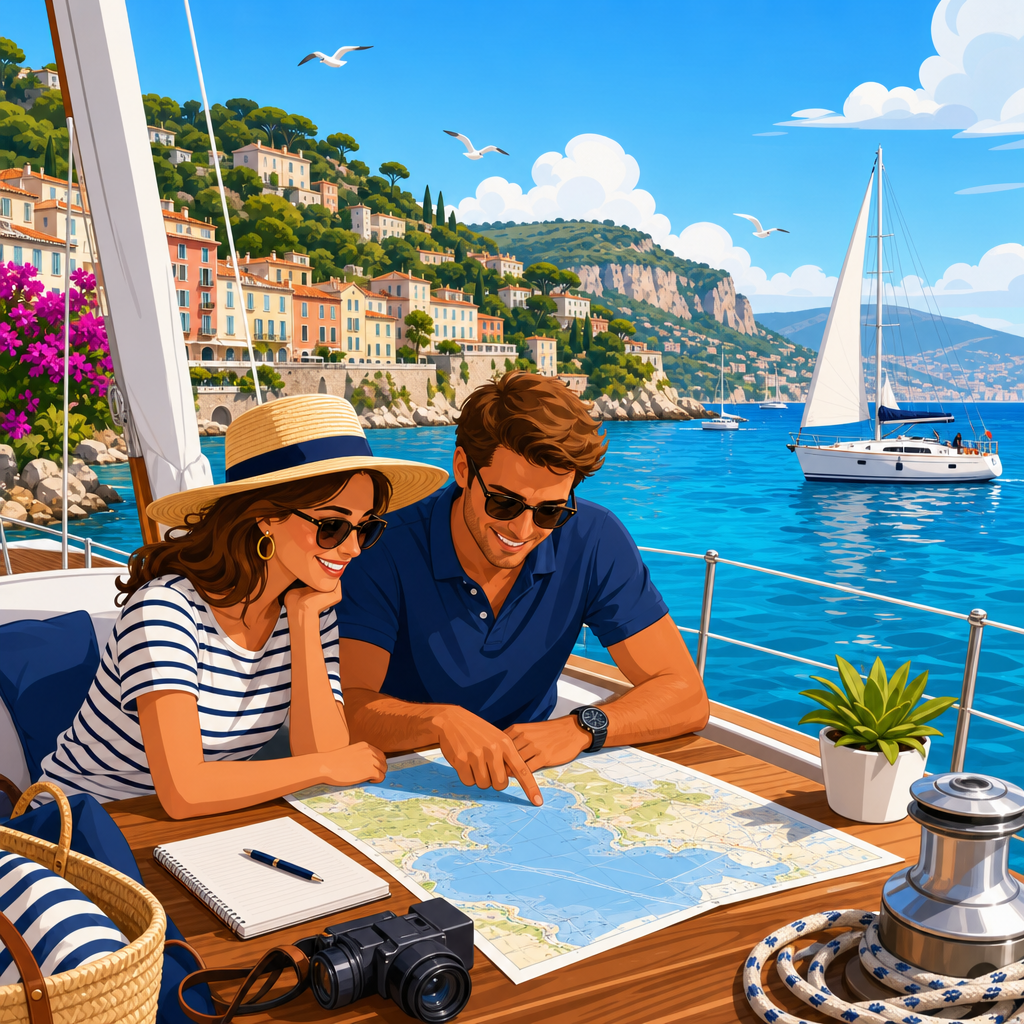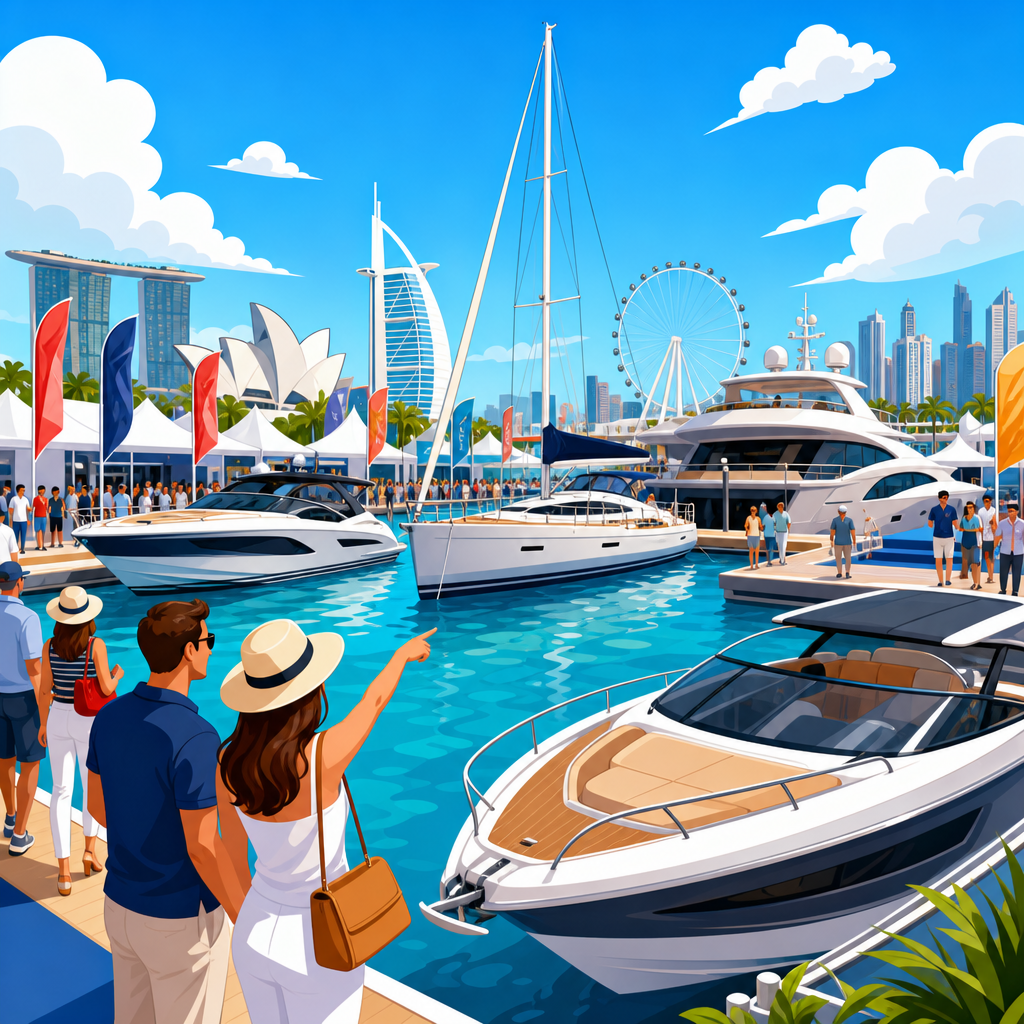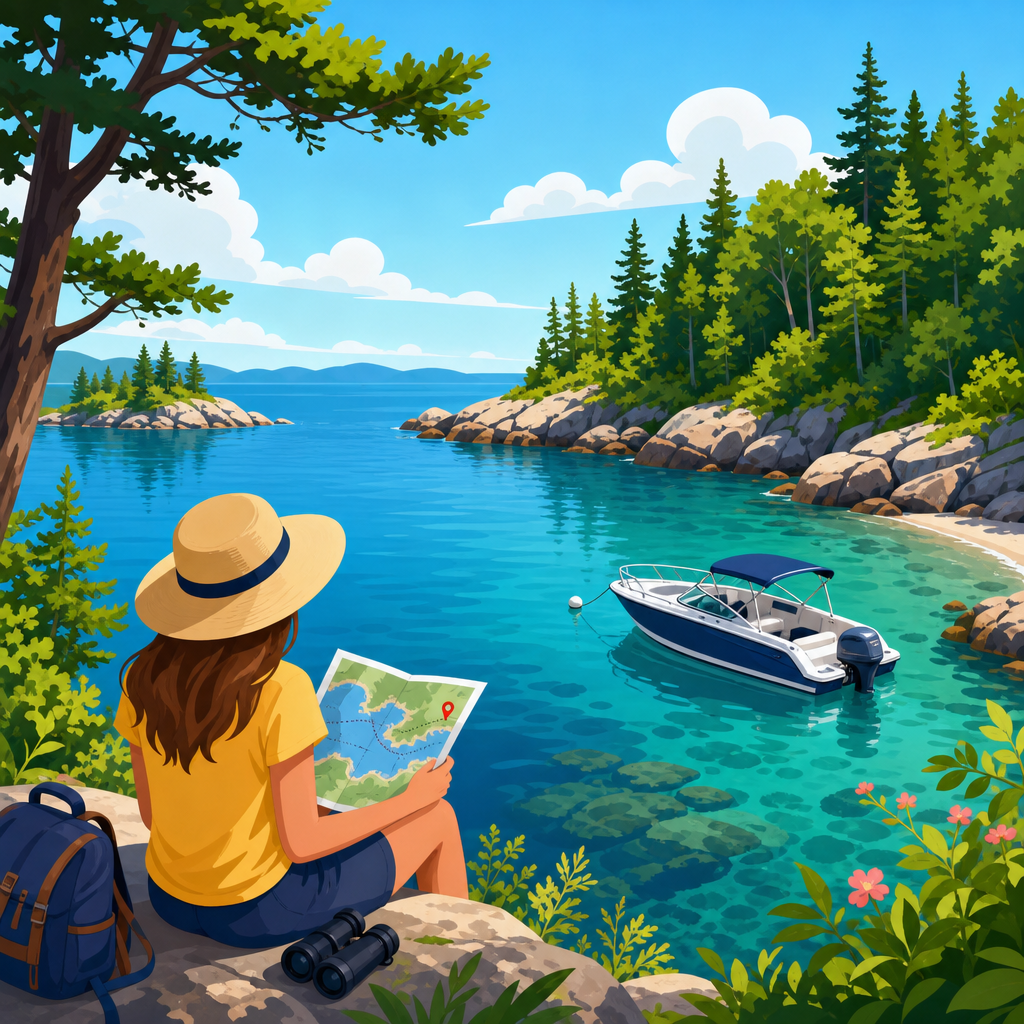
The Pacific Northwest rewards boaters who prefer coves over crowds, working harbors over glossy marinas, and journeys measured by tide tables instead of traffic reports. Exploring the Pacific Northwest by boat means cruising a varied coastline that stretches from Washington’s San Juan Islands to Oregon’s rugged ports and into the protected inlets, fjords, and island chains that define this corner of North America. In practical terms, coastal cruising is multi-day travel along shorelines and between ports, while island hopping focuses on short passages linking anchorages, villages, parks, and marinas. Together, they form one of the most satisfying ways to experience the region.
I have planned and run routes here in everything from trailerable pilothouse boats to cruising sailboats, and the appeal is always the same: every leg feels different. One morning may bring flat water through a forest-lined passage; by afternoon, a tide rip can stand up outside a headland. You can tie up beside a fishing fleet, walk to a bakery, then anchor that evening under cliffs where harbor seals surface at dusk. That mix of seamanship, scenery, and shore access is why Pacific Northwest boating remains a bucket-list trip for experienced cruisers and ambitious newcomers alike.
This region matters because it compresses extraordinary range into a manageable cruising ground. Within a single itinerary, boaters can visit Victoria-style waterfront towns, Indigenous cultural sites, state marine parks, shellfish farms, whale habitat, and deep natural harbors shaped by glaciers. It also demands respect. Cold water, current, fog, and wind-against-tide conditions can turn a casual day run into a serious navigational exercise. The reward for good planning is immense: hidden gems that are inaccessible by car, shoulder-season solitude, and coastal towns whose economies still revolve around the waterfront. As a hub for coastal cruising and island hopping, this guide maps the major subregions, highlights standout stops, and explains how to cruise them safely and efficiently.
Why the Pacific Northwest is Built for Coastal Cruising
The Pacific Northwest is unusually well suited to boat-based travel because it combines protected inland waters with enough exposed coastline to feel adventurous. The Inside Passage influence is strong in Washington and British Columbia: islands break up swell, shorelines provide lee, and countless coves offer all-weather alternatives when conditions change. Even where the outer coast is more exposed, such as Oregon or the west side of Vancouver Island, the spacing of ports and river bars creates logical passage-planning decisions. Boaters are not simply moving from marina to marina; they are navigating a living marine system shaped by current, bathymetry, weather windows, and vessel capability.
Infrastructure is another major advantage. Washington State Parks marine facilities, Port of Bellingham marinas, Port of Friday Harbor, Roche Harbor, and municipal docks throughout Puget Sound and the San Juans make trip staging straightforward. Canadian cruisers rely on an equally strong network, including Sidney, Ganges, Montague Harbour, and the Gulf Islands National Park Reserve area. For route planning, Navionics, Garmin BlueChart, C-MAP, and paper charts from NOAA or the Canadian Hydrographic Service remain standard tools. On the weather side, NOAA Marine Forecasts, Environment Canada marine bulletins, Windy, PredictWind, and local buoy observations are part of every serious skipper’s routine.
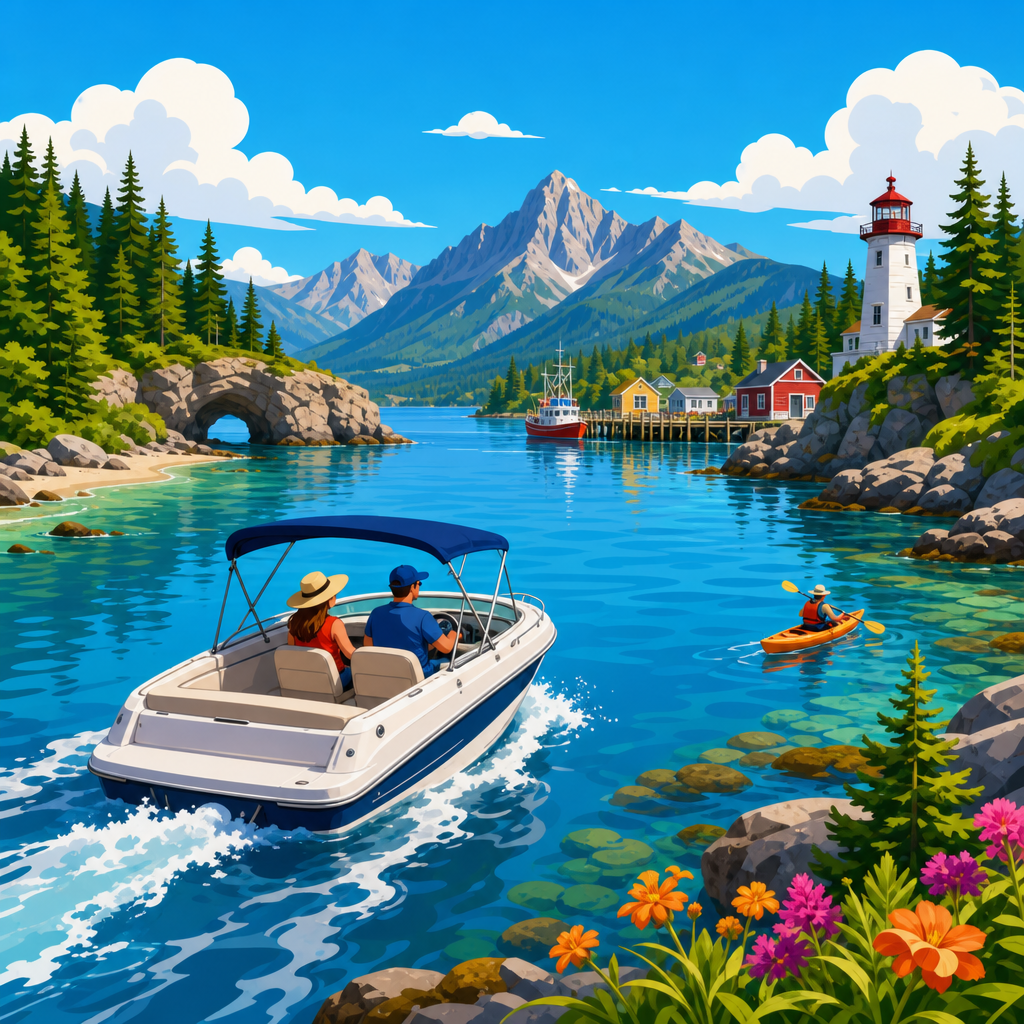
The region also supports multiple cruising styles. A family in a 22-foot C-Dory can trailer to Anacortes and spend a week hopping between parks. A trawler crew may run from Seattle through Deception Pass, on to the San Juans, and continue north into Desolation Sound. Sailors can build itineraries around prevailing summer patterns and reliable provisioning stops. Kayak support boats, expedition RIBs, and pocket cruisers all have a place here because the route network scales well. That flexibility is a defining strength of Pacific Northwest coastal cruising.
San Juan Islands: The Classic Island-Hopping Hub
If one area best represents island hopping in the Pacific Northwest, it is the San Juan Islands. The chain sits between mainland Washington and Vancouver Island, creating a compact but diverse cruising ground where short passages lead to dramatically different stops. Friday Harbor is the best-known service center, with fuel, groceries, repair services, pump-out, restaurants, and customs options nearby when paired with cross-border travel. Roche Harbor offers polished resort amenities and dependable transient moorage, but the hidden gems are often the state parks and smaller coves that sit one or two hops away.
Stuart Island is a favorite example. Reid Harbor and Prevost Harbor provide protected anchoring, and a shore walk leads to Turn Point Lighthouse, where views across Boundary Pass remind you how commercial shipping and small-craft cruising coexist here. Sucia Island is another standout because of its sandstone formations, mooring buoys, hiking trails, and multiple bays, including Echo Bay and Fossil Bay. On busy summer weekends it fills early, yet it still deserves its reputation. Jones Island, blind to many first-time visitors focused only on larger ports, delivers quiet coves, deer sightings, and one of the most peaceful overnight stops in the state park system.
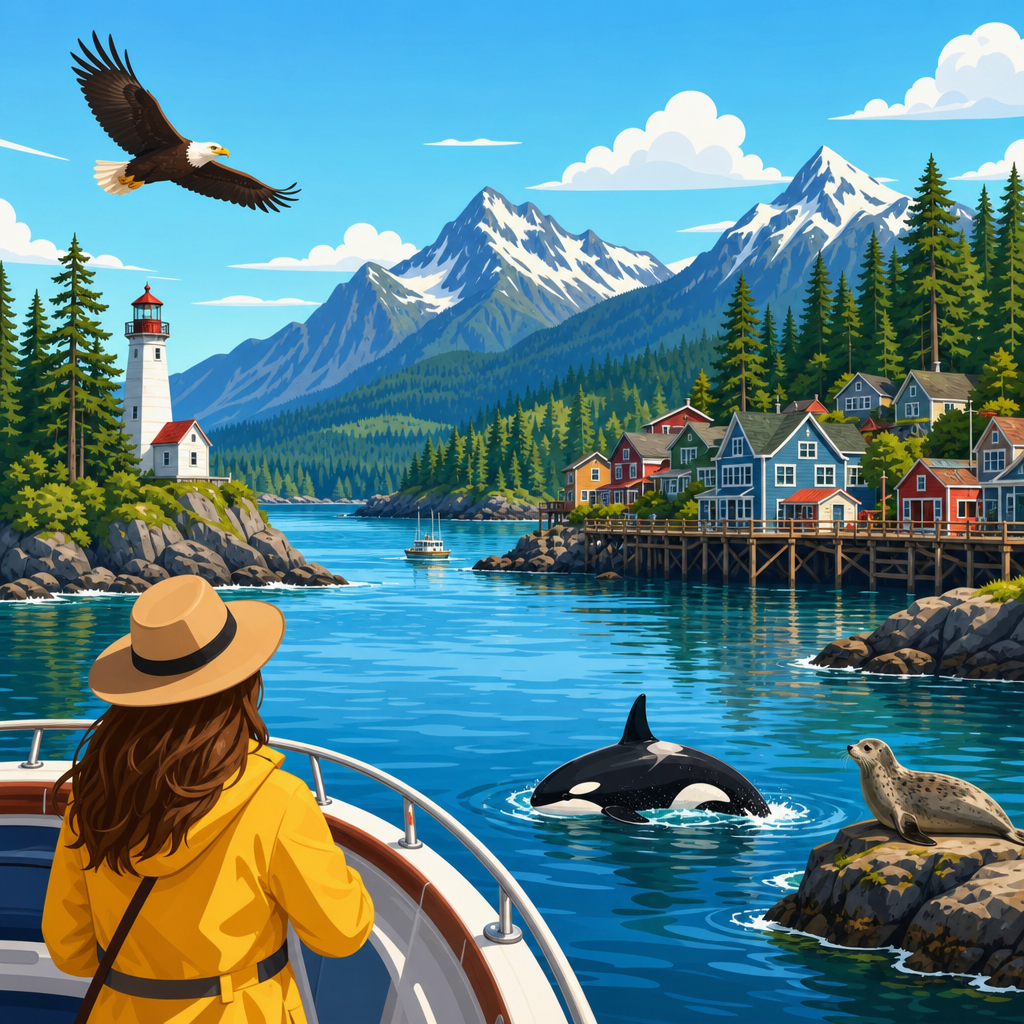
The operational challenge in the San Juans is current management. Rosario Strait, Cattle Pass, Spieden Channel, and the approaches to Deception Pass all deserve attention. Current can increase speed over ground significantly or create steep chop when opposed by wind. I plan these passages backward from slack or favorable flow, not forward from desired arrival time. That single habit improves comfort, fuel efficiency, and safety. Wildlife adds another layer. Southern resident and transient orcas, humpback whales, porpoises, sea lions, and bald eagles make this region remarkable, but federal and provincial viewing distances must be followed carefully.
Gulf Islands and Vancouver Island Gateways
North of the San Juans, the Gulf Islands and southern Vancouver Island expand the island-hopping experience into a broader cross-border cruising circuit. Sidney is often the first Canadian stop because it offers customs access, good marina facilities, and efficient provisioning. From there, cruisers can branch west toward Brentwood Bay and Butchart Gardens access, or east and north into the Gulf Islands. Salt Spring Island, especially Ganges Harbour, combines practical services with a strong local identity built around markets, galleries, and food producers. The harbor stays busy, but that bustle reflects why these towns work so well for cruising: they remain functional waterfront communities rather than purely seasonal destinations.
Montague Harbour on Galiano Island is a textbook Pacific Northwest stop. It offers mooring buoys, anchorage room, parkland, and relatively easy shore access, making it ideal for boaters who want a night at anchor without giving up a walk on land. Poet’s Cove on South Pender and Bedwell Harbour provide different experiences, one more resort oriented and one more village-like, both useful depending on weather and trip goals. Farther west, Cowichan Bay introduces a working-boat atmosphere, floating homes, and food-centric shoreside stops that feel distinctly local instead of curated for tourism.
For crews ready to sample more exposed water, the east coast of Vancouver Island opens a pathway toward Nanaimo, Tribune Bay on Hornby Island, and eventually Desolation Sound. Each step increases the need for careful weather selection, but the payoff is scale. Distances widen, anchorages deepen, and the landscape feels more remote. This is where many boaters discover the Pacific Northwest’s signature rhythm: marina night for water and laundry, anchorage night for silence, repeat.
Washington Coast and Puget Sound Towns Worth the Detour
Not every memorable Pacific Northwest cruise happens among famous islands. Puget Sound and the Washington coast contain towns that are easy to overlook when boaters rush north. Port Townsend is one of the most important. Its maritime heritage is visible in boatyards, chandlers, Victorian streetscapes, and the annual Wooden Boat Festival. For cruising crews, it is more than attractive: it is a serious stop for repairs, weather waiting, and route decisions before crossing the Strait of Juan de Fuca or entering the San Juans.
Gig Harbor, Poulsbo, Langley, and La Conner serve a different role. They show how accessible coastal cruising can be for shorter itineraries. Gig Harbor is sheltered, walkable, and practical for a weekend circuit. Poulsbo adds strong marina services with a recognizable downtown. Langley, on Whidbey Island, gives small-town waterfront charm with easy shore leave. La Conner, reached through Swinomish Channel, is especially valuable for boaters moving between Puget Sound and the San Juans because it offers a strategic pause with fuel, restaurants, and timing options for channel transit.
On the outer coast, Westport and Ilwaco are less about leisurely harbor hopping and more about capable passage planning. They are gateways to the Pacific, shaped by bar conditions, commercial traffic, and weather windows. Yet they are worth including in a sub-pillar hub because they broaden the definition of coastal cruising beyond protected inland water. For the right boat and crew, they connect salmon ports, beach towns, and offshore fishing culture with the same destination-driven pleasure found in the islands.
Oregon’s Harbors, River Mouths, and Overlooked Stops
Oregon cruising is more specialized than Washington island hopping, but it contains underrated gems for boaters prepared for ocean conditions and bar awareness. The state’s shoreline is punctuated by ports at river mouths and bays, creating a chain of practical refuges rather than continuous protected cruising water. Astoria anchors the north coast and deserves special attention. It sits at the Columbia River’s mouth, where maritime history, commercial shipping, sportfishing, and dramatic geography combine. For many skippers, Astoria is both a destination and an education in tide-driven current, fog, and traffic management.
South of Astoria, Garibaldi on Tillamook Bay, Depoe Bay, Newport, Charleston, and Brookings each serve a distinct boating audience. Newport stands out because Yaquina Bay supports charter fleets, research vessels, and transient recreational traffic with reliable services nearby. Charleston, by Coos Bay, feels more workmanlike but provides excellent access to fishing grounds and dune-backed scenery. Depoe Bay’s claim as the world’s smallest navigable harbor is more than trivia; it reflects the compact, highly localized nature of some Oregon boating experiences, where timing and local knowledge matter as much as distance.
These ports are not ideal for casual first-time overnight cruisers unless accompanied by strong preparation, but they are essential to understanding Pacific Northwest coastal travel. They show that hidden gems are not always secluded anchorages. Sometimes they are resilient waterfront towns where the marina café opens before dawn because the fleet crosses the bar at first light.
How to Plan a Safe and Efficient Coastal Itinerary
Successful Pacific Northwest boating begins with route discipline. Distances that look short on a map can become long days once current, no-wake zones, customs clearance, and fuel planning are added. I build itineraries around conservative daily ranges, then identify one primary stop and at least two alternatives for every leg. The region offers enough marinas, docks, and anchorages that flexibility usually beats rigid scheduling. Fuel margins should account for current and weather detours, especially on planing boats whose consumption rises sharply in chop.
Season matters. July through early September offers the most reliable cruising weather, yet shoulder months often deliver the best balance of availability and atmosphere. In May and June, daylight is long and marinas are less crowded, though water temperatures remain cold. September can be outstanding, with stable weather and fewer peak-season visitors. Regardless of month, cold-water safety is non-negotiable. Immersion protection, accessible life jackets, VHF discipline, functioning AIS where appropriate, radar competency for fog, and current paper-chart backup remain prudent standards.
| Planning Factor | Best Practice | Why It Matters |
|---|---|---|
| Tides and currents | Time narrow passes and headlands for slack or favorable flow | Improves comfort, fuel efficiency, and boat control |
| Weather | Compare forecast models with buoy observations on departure day | Local wind can differ sharply from regional forecasts |
| Moorage | Reserve popular marinas; arrive early at first-come anchorages | San Juans and Gulf Islands fill quickly in peak season |
| Customs | Confirm reporting requirements before crossing the border | Avoids delays, fines, and itinerary disruptions |
| Provisioning | Restock in major hubs such as Anacortes, Friday Harbor, Sidney, or Nanaimo | Smaller islands offer charm, not always full inventory |
One final planning principle is to match itinerary ambition to boat capability. A 25-foot outboard cruiser can cover impressive ground here, but not by pretending it is a 40-foot diesel trawler. Tankage, weather tolerance, overnight comfort, and redundancy shape what is realistic. The best trips are designed around those realities, not against them.
What Makes a Hidden Gem in the Pacific Northwest
A hidden gem is not simply a place with fewer people. In this region, it is usually a stop that delivers a strong sense of place without requiring complicated logistics or premium pricing. Deer Harbor on Orcas Island, for example, is quieter than Friday Harbor but still practical. Blind Bay on Shaw Island feels understated until you realize that its appeal lies in exactly that understatement: protected water, modest facilities, and a slower pace. On the Canadian side, Telegraph Harbour on Thetis Island retains a marina culture that feels personal and unhurried.
Some hidden gems are best measured by shore experiences. A town with a public dock, good coffee, and a grocery within walking distance can be more valuable than a picturesque but inconvenient anchorage. Others are memorable because of timing. Arriving at Matia Island on a calm weekday evening, or entering Princess Louisa Inlet at first light farther north, transforms a charted location into a lasting cruising memory. The practical lesson is simple: look beyond the headline destinations, but do not chase obscurity for its own sake. The best coastal towns and anchorages earn repeat visits because they make cruising easier as well as prettier.
Exploring the Pacific Northwest by boat is ultimately about range: geographic range, weather range, cultural range, and the range of experiences available between one tide change and the next. Few cruising regions let you move so easily from urban waterfronts to marine parks, from polished resort docks to working fishing towns, from sheltered channels to genuine coastal passages. That variety is why coastal cruising and island hopping are not niche activities here; they are the clearest expression of how the region is meant to be traveled.
The key takeaways are straightforward. Start with the right subregion for your boat and experience level. Use the San Juan Islands and Gulf Islands for classic island hopping, add Puget Sound towns for shorter heritage-rich itineraries, and approach Oregon’s ports as rewarding but more technical cruising grounds. Plan around current, weather, customs, and realistic daily range. Prioritize cold-water safety and keep alternatives open. Most importantly, build your route around both destination quality and transit quality, because in the Pacific Northwest the passage is often as memorable as the harbor.
If you are building your next boating travel plan, use this hub as your launch point and map a route that mixes marquee stops with lesser-known coves and towns. Choose one cruising corridor, study its currents and harbor options, and give yourself enough time to linger. The Pacific Northwest reveals its best places to boaters who do not rush past them.
Frequently Asked Questions
What makes the Pacific Northwest especially appealing for a boat-based trip?
The Pacific Northwest is one of the most rewarding regions in North America for travelers who prefer to experience a place from the water. Instead of a single uniform coastline, boaters encounter a patchwork of sheltered sounds, narrow passages, forested islands, working waterfronts, fishing villages, and dramatic open stretches of coast. That variety is a major part of the appeal. In a single trip, you might move from the protected anchorages of the San Juan Islands to a lively harbor town, then continue into quieter coves where the loudest sounds are gulls, seals, and wind in the trees. The journey feels immersive in a way that road travel rarely can match.
Another reason the region stands out is that many of its most memorable places are best approached by boat. Hidden bays, marine parks, and small harbors often reveal their character only from the water, and arriving by boat gives travelers a front-row view of tide changes, wildlife movement, and the working rhythms of the coast. You are not just visiting the Pacific Northwest; you are traveling through the systems that shaped it. Ferries, fishing fleets, tidal currents, and island communities all become part of the experience. For boaters who enjoy routes defined by weather windows and tide tables rather than crowded highways, the Pacific Northwest offers a style of travel that feels both adventurous and deeply connected to place.
Which hidden gems and coastal towns are worth adding to a Pacific Northwest boating itinerary?
Some of the best stops are the ones that balance practical access with strong local character. In Washington, Friday Harbor is often the best-known name, but many boaters find equal or greater charm in places like Roche Harbor, Deer Harbor, or Lopez Island stops that feel slower and more intimate. Sucia Island is frequently considered a standout for anchoring, with protected coves, sandstone formations, and an unmistakable wilderness feel despite its popularity. Port Townsend is another excellent addition because it combines maritime history, Victorian architecture, a serious boating culture, and easy access to surrounding waters. It feels like a town that genuinely belongs to the coast rather than one merely built beside it.
Farther south, Oregon’s boating destinations tend to feel more rugged and weather-shaped. Towns such as Astoria offer a rich maritime identity, with river-meets-ocean drama, commercial traffic, seafood culture, and historic waterfront views. Depoe Bay, while small and highly exposed compared with many inland Northwest harbors, is memorable for its tiny harbor and whale-watching reputation. Newport brings a stronger working-port atmosphere with a mix of fishing industry, marine science, and visitor-friendly waterfront areas. Depending on your vessel and route, less-publicized inlets, state mooring areas, and side anchorages can become the true highlights of the trip. In the Pacific Northwest, the “hidden gem” is often not the biggest town or most photographed marina, but a protected cove, a dockside seafood shack, or a small harbor where the commercial fleet still defines the mood of the place.
When is the best time of year to explore the Pacific Northwest by boat?
For most recreational boaters, late spring through early fall offers the most favorable balance of daylight, weather, and marina services. From roughly May through September, conditions are generally more manageable, with longer days that make route planning easier and more enjoyable. Summer is the most popular season because it often brings calmer conditions, better visibility, and a more predictable cruising pattern, especially in inland and semi-protected waters like Puget Sound, the San Juan Islands, and parts of the Inside Passage-connected cruising grounds. This is also when many coastal towns are most active, with seasonal markets, open restaurants, marine services, and community events that add a lot to the trip.
That said, the “best” time depends on your priorities and your boating experience. Shoulder-season cruising in May, early June, or September can be ideal for travelers who want fewer crowds and more dock availability while still enjoying relatively workable weather. Open coastal passages in Oregon and exposed sections of the outer coast demand more caution at any time of year, because ocean swell, fog, bar conditions, and rapidly changing weather can complicate travel quickly. Winter cruising is generally better suited to highly experienced mariners with appropriate vessels, equipment, and local knowledge. In the Pacific Northwest, seasonality matters, but daily conditions matter even more. Successful trips are planned around marine forecasts, tides, currents, and the realities of each harbor entrance, not simply around the calendar.
What should boaters know about tides, weather, and navigation in the Pacific Northwest?
The Pacific Northwest is a region where seamanship and planning matter. Tides and currents can strongly influence both comfort and safety, particularly in narrow passes, inlets, and channels. A route that looks short on a chart may become significantly more challenging if it involves adverse current, a shallow entrance at low water, or a timing-sensitive pass. Boaters should pay close attention to tide tables, current predictions, depth information, and local notices before getting underway. In many areas, especially around islands and constricted waterways, timing a departure correctly can make the difference between an easy transit and a rough, fuel-consuming one.
Weather is equally important because conditions can change rapidly. Morning fog, afternoon wind build-up, and local variations caused by topography are common. Protected waters may appear calm while exposed sections become uncomfortable or even unsafe. On the outer coast, ocean swell and harbor bar conditions require special respect, and not every vessel or crew is suited for those passages. Reliable charts, up-to-date electronics, backup navigation tools, VHF radio use, and conservative decision-making are all part of boating responsibly here. Local knowledge is invaluable, whether it comes from marina staff, harbormasters, cruising guides, or seasoned regional boaters. The Pacific Northwest rewards preparation. It is not necessarily difficult for well-equipped travelers, but it is a place where attention to detail improves every part of the trip.
How can travelers plan a multi-day Pacific Northwest boating trip that feels adventurous without becoming overwhelming?
The best approach is to build an itinerary with flexibility rather than trying to cover too much coastline too quickly. One of the most common mistakes first-time visitors make is assuming they can treat a boating route like a driving vacation, stacking stops close together without accounting for weather delays, current timing, fuel logistics, marina availability, or the simple pleasure of staying an extra night somewhere beautiful. A more realistic and enjoyable plan includes shorter travel days, a mix of dock and anchorage nights, and at least one or two buffer days for changes. This makes the journey feel adventurous but not rushed, and it gives you room to respond to the conditions that define boating in the region.
It also helps to choose a cruising zone that matches your vessel and experience. For some travelers, that may mean focusing on the San Juan Islands and nearby Washington ports, where there is a strong network of marinas, mooring fields, parks, and services. For others, a route that includes selected Oregon harbors may be the goal, but those plans usually require more attention to offshore conditions and harbor access. Provisioning in advance, identifying fuel stops, reviewing anchorage protection for expected wind direction, and confirming marina reservations during peak season all make a difference. Most importantly, leave room for discovery. Some of the best moments on a Pacific Northwest boating trip come from unplanned pauses: an extra evening in a quiet cove, a conversation on a working dock, or a small coastal town that was meant to be a quick stop and becomes the highlight of the voyage.