Boating is an exhilarating activity that draws millions to the water every year. Whether you’re sailing on a small lake, navigating through rivers, or exploring the open seas, boating offers a unique sense of freedom and adventure. However, like any recreational activity, it carries its risks. An integral part of mitigating these risks is ensuring you have the right safety equipment on board. Proper preparation can mean the difference between a great day on the water and a potentially dangerous situation. Understanding the necessary safety equipment for boating is not just a good practice—it’s a legal requirement in many regions. This article provides a comprehensive checklist of must-have gear to keep everyone safe while enjoying your boating experience.
Safety on the water involves more than just wearing a life jacket. From communication devices that ensure you can call for help, to fire extinguishers that prevent small onboard fires from becoming catastrophic, each piece of equipment plays a crucial role in emergency preparedness. Boating in different environments may require additional gear, and knowing what’s essential can empower you to handle every circumstance effectively. Many people underestimate the dangers associated with boating, believing that the idyllic setting minimizes risk. However, unpredictable weather, mechanical failures, or accidents can quickly turn an adventure into a nightmare if one is unprepared.
This guide is tailored to help you identify the critical safety gear necessary for any boating excursion. Whether you’re a seasoned sailor or a novice boater, adhering to a safety equipment checklist can ensure you’re prepared for the unexpected. This article will delve into the specific gear that every modern-day boater should have, discussing its importance and the circumstances under which each piece becomes invaluable. After reading this, you will have a solid baseline from which to assess and enhance your safety setup for a responsive and prepared maritime experience.
Personal Flotation Devices (PFDs)
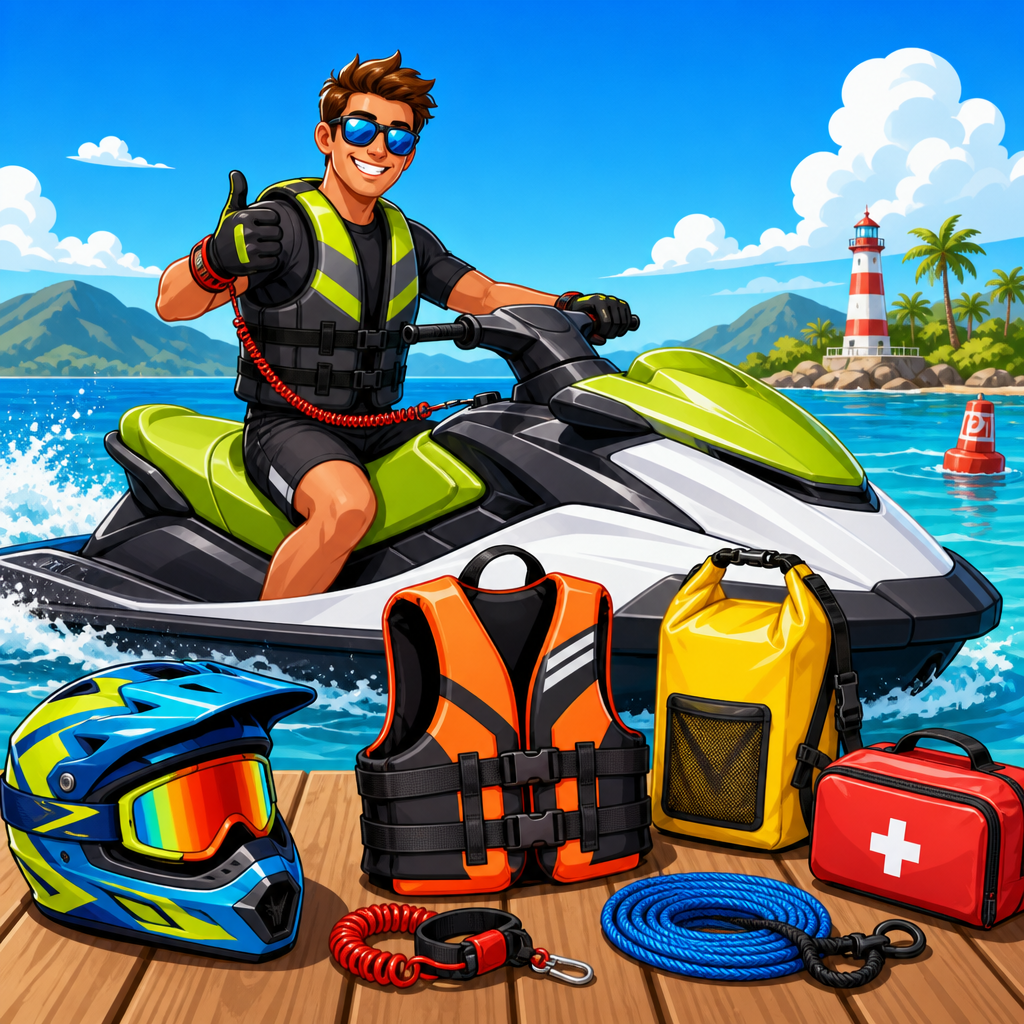
Personal Flotation Devices, or life jackets, are non-negotiable on any boat. They are vital safety components designed to keep occupants afloat in an overboard scenario. Each individual aboard should have a properly fitting PFD, as ill-fitting devices can lead to inadequate flotation and safety. Different PFDs are rated for different types of waters and activities, so selecting the correct one is crucial. Ensure PFDs are approved by relevant authorities and regularly checked for wear and tear.
There are mainly four types of PFDs: Offshore Life Jackets (Type I), Near-Shore Vests (Type II), Flotation Aids (Type III), and Throwable Devices (Type IV). Offshore Life Jackets are ideal for distant or rough waters where rescue might not be immediate. Near-Shore Vests are suitable in calm, inland waters. Flotation Aids serve well for continuous wear in water sports, while Throwable Devices are for quick responses to sudden overboard situations. Maintaining these PFDs by checking for leaks or damages and ensuring visibility from reflective materials also enhances safety.
Communication and Navigation Tools
Effective communication is vital during any boating expedition, and having the right communication equipment can save lives. VHF radios are generally considered essential as they enable clear communication with nearby vessels and emergency services. Carrying a mobile phone may seem adequate, but it often falls short in remote areas or during severe weather conditions. A VHF radio has broader coverage and functions even during power failures.
Equipping your boat with a GPS device is also recommended. It helps in navigation and is particularly useful when visibility is poor or in unfamiliar waters. Some sophisticated GPS systems integrate chart plotters, offering a digital representation of nautical charts and other relevant data. These devices help avoid hazards and assist in charting clear paths during travel. Additionally, an Emergency Position Indicating Radio Beacon (EPIRB) serves as a distress signal to alert rescue services of your position during dire emergencies, making it a crucial addition for open water ventures.
Fire Extinguishers
Fire safety on boats cannot be overstated, with fire extinguishers being indispensable equipment for every vessel. Marine fire extinguishers are specifically designed for types of fires more likely on boats, such as gas or electric fires. They should be placed strategically around the boat for accessibility during an emergency. Knowing the classification and limitations of your fire extinguisher is just as important as knowing how to use it. A multipurpose dry chemical extinguisher might cover Class A, B, and C fires, making it versatile.
Regularly inspecting and servicing your fire extinguisher is paramount for ensuring its efficacy. Many extinguishers feature a pressure gauge that indicates whether it is fully charged. Expiry dates should be noted, and annual checks implemented to replace or maintain them. Offering fire extinguisher training to your passengers enhances emergency response, minimizing potential threats due to fires.
First Aid Kit
No boat should set sail without a comprehensive first aid kit. A properly stocked kit can address minor injuries and provide necessary care until professional help becomes available. Bandages, antiseptics, over-the-counter pain relief, and burn creams are essential supplies. The first aid kit should be stored in a waterproof container to protect contents from water damage and placed in an easily accessible location.
Consider tailoring your first aid kit to suit your specific needs and destinations. If traveling to remote areas, more advanced equipment like splints, tourniquets, and prescription medications might be necessary. Carbon monoxide detectors are also essential, given the confined spaces onboard and potential for gas accumulation. Ensuring that someone aboard is trained in first aid and CPR reinforces proper care during medical emergencies, turning potentially catastrophic scenarios into manageable ones.
Visual and Sound Signaling Devices
In times of distress, signaling devices are critical for attracting help. Flares, flags, horns, and whistles are typically part of this category. Flares are visible over long distances and recommended for signaling at night or in poor visibility conditions. Different types of flares include hand-held ones, parachute rockets, and smoke signals. Knowing local regulations about flare types and recommended usage areas is integral for compliance and safety.
Sound-producing devices like horns and whistles serve as audible alerts, crucial for signaling distress as well as during fog or heavy rain. Larger vessels may also be equipped with bells and gongs as a part of navigation rules. Store these signaling devices in an accessible location and regularly check and replace expired products to ensure functionality when needed most. Familiarizing oneself with international codes and local regulations about signaling can guide proper usage during critical incidents.
Anchor and Emergency Gear
An anchor is more than just a tool for mooring; it is vital for stabilizing your boat in strong currents or protecting against drift during engine failure. Each vessel should have a suitable anchor complemented by adequate cable or chain. Additionally, knowledge about the local sea bed composition aids in choosing the right type of anchor. For example, a fluke anchor is ideal for dense mud, whereas a plough anchor works well in weed or rock areas.
Carrying a toolkit onboard allows you to tackle minor repairs during emergencies. Basic tools such as wrenches, screwdrivers, pliers, and spare parts like belts and hoses can be lifesavers. Jumper cables and extra batteries are useful for electrical issues. Weather-appropriate clothing, rations, water supplies, and survival gear are essentials in unpredictable conditions, ensuring safety and sustenance until rescue or self-recovery is possible.
Navigation Lights
Navigation lights are essential for visibility, signaling, and safety during low light or night operations. These lights indicate your vessel’s position, orientation, and status to other boats nearby. Correctly installed and maintained navigation lights prevent accidents and facilitate safe passage in congested or narrow waters. A vessel over 16 feet typically requires red and green sidelights, a white stern light, and a masthead light. Following maritime guidelines on specific light configurations is crucial, as different vessels have distinctive lighting requirements.
Regularly testing and maintaining navigation lights ensures reliability. Spare bulbs and batteries should be on hand, and the lights should be checked before every trip. Understanding local light configurations reduces miscommunication in navigation situations, promoting overall maritime safety.
Conclusion
Ensuring boating safety begins with thorough preparation and the right equipment. This comprehensive checklist provides a foundational approach to be ready for unforeseen events. Equipment such as personal flotation devices, communication tools, fire extinguishers, a first aid kit, signaling devices, anchors, and navigation lights are crucial for a reliable safety setup on any vessel.
Adhering to established safety guidelines not only complies with legal requirements but significantly enhances security for all aboard. Implementing a routine for regular checks and maintenance magnifies the efficacy of each item and extends the service life, providing peace of mind during boating endeavors.
The role of safety equipment is indispensable, turning potential emergencies into manageable situations through preparedness and resilience. Skippers and crew that commit to an exhaustive safety protocol safeguard the joys of boating while minimizing risks effectively. As the natural beauty of the waters beckons, let your safety gear be your guide to a secure voyage. Safe waters bring lasting memories, with preparation on every boater’s checklist ensuring a seamless and enjoyable maritime experience.