Boating is a cherished activity, offering enthusiasts the thrill of the open water, the serenity of nature, and the camaraderie of fellow sailors. However, as with any activity involving powerful machinery and vast, unpredictable environments, it comes with inherent risks. Every year, a significant number of boating accidents occur worldwide, often caused by easily avoidable mistakes. Understanding the common errors that lead to these mishaps is crucial for both novice and experienced boaters. By identifying and mitigating these mistakes, boaters can significantly reduce the risk of accidents, ensuring a safer experience on the water for themselves and others.
Boating mistakes can happen to anyone, regardless of their level of expertise. Even seasoned professionals are not immune to errors. These mistakes often arise from a combination of overconfidence, lack of preparation, and unfamiliarity with essential boating procedures. Underestimating the importance of safety protocols or failing to update navigational knowledge can quickly lead to hazardous situations. The good news is that with the right knowledge and preparation, these mistakes can be identified and avoided.
This comprehensive guide will explore how to steer clear of the most common boating mistakes. We will delve into critical safety measures, the importance of proper preparation, and the necessity of understanding the maritime environment. Additionally, we will highlight the significance of regular equipment maintenance, the value of training, and the critical role of effective communication and weather awareness. By understanding and implementing these strategies, boaters can make informed decisions that promote safety and enhance their overall boating experience.
Proper Preparation and Planning
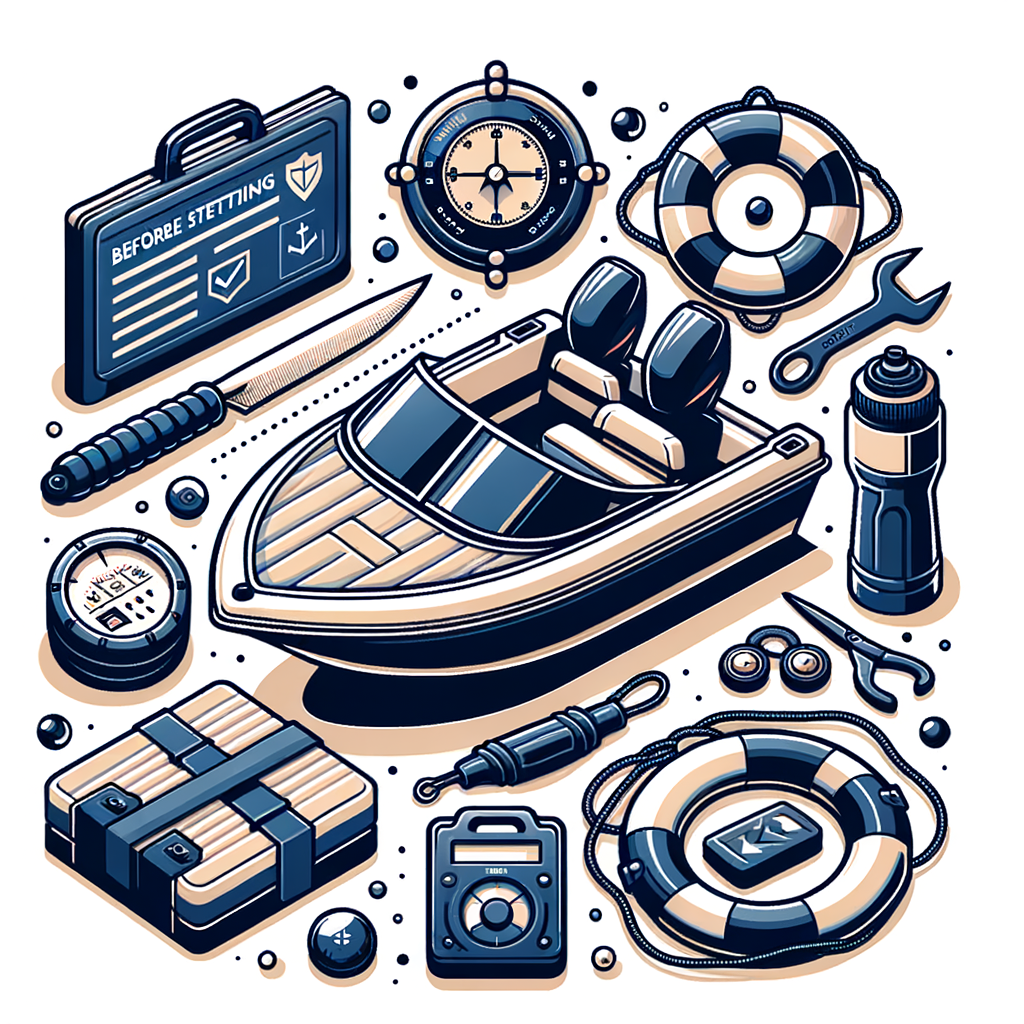
Preparation is the cornerstone of a safe and enjoyable boating experience. Lack of preparation often leads to critical mistakes that result in accidents. Before setting sail, boaters must conduct thorough checks of their vessel and its equipment. This includes ensuring that the boat is in good working condition, with particular attention paid to its engine, fuel systems, and safety gear. A comprehensive checklist should include verifying that life jackets, flares, fire extinguishers, and first aid kits are in good condition and easily accessible. Regular maintenance and inspections are essential, as mechanical failures can lead to dangerous situations on the water.
Planning your route is another crucial aspect of preparation. A detailed navigation plan helps avoid areas with hazardous conditions and allows captains to anticipate potential obstacles. It’s essential to familiarize oneself with the intended route, identify potential hazards, and have contingency plans for emergencies. Additionally, informing someone on land of your itinerary and expected return time is a prudent safety measure, ensuring that help can be mobilized if needed.
Understanding Boating Equipment
To avoid accidents, it is vital for boaters to have a thorough understanding of their vessel and its equipment. Each boat is unique, and knowing how to operate the specific controls and systems is paramount to avoiding operational errors. Boaters should be well-versed in starting and stopping the engine, handling emergencies, and utilizing navigational equipment. Comprehensive understanding of boat dynamics, such as rules governing speed limits and wake zones, can prevent common mishaps that often occur due to excessive speed or reckless driving.
Regular practice in handling the boat in various conditions is invaluable. Practicing skills such as docking, anchoring, and maneuvering in tight spaces dramatically reduces the chances of causing or encountering accidents. For less experienced boaters, enrolling in a boating safety course that covers practical handling, navigation, and maritime laws is strongly advisable. These courses offer valuable insights and reinforce safe boating practices.
Essential Communication Protocols
Effective communication on the water cannot be overstated. Many boating accidents occur due to miscommunication or lack of communication between vessels, crew members, or emergency services. Boaters should understand and use maritime communication devices such as VHF radios. Knowing the channels to use for communication and the correct terms and phrases can significantly enhance safety. VHF radios are pivotal in transmitting distress signals or communicating location to rescuers.
Communication protocols also extend to the boat’s crew and passengers. Clear and concise instructions before and during the trip ensure everyone is informed about the boat’s operations. Crew members should be briefed on emergency procedures and assigned roles in case of a crisis. Encouraging open communication from all onboard helps to identify potential problems before they escalate into emergencies. If everyone on board knows what is expected and how to react in different situations, the likelihood of accidents decreases significantly.
Importance of Weather Awareness
Understanding and monitoring weather conditions is a fundamental aspect of boating safety. Weather can change rapidly on the water, and a beautiful day can turn dangerous swiftly if changes are not anticipated. Before departing, boaters should check weather forecasts and keep an eye on developments throughout the journey. Modern technology allows boaters to use smartphones and other devices to track weather patterns in real time. Understanding weather symbols and alerts, as well as recognizing signs of changing weather, such as sudden changes in wind direction or cloud formations, can make the difference between a safe trip and a hazardous one.
Knowing how to react to different conditions is also crucial. Boaters should be prepared to adjust their plans if the weather deteriorates, including returning to port if necessary. Developing a proactive mindset when it comes to weather changes helps in avoiding unnecessary risks. Even if something seems inconvenient at the time, it is always better to err on the side of caution and safety.
Regular Equipment Maintenance
Maintaining the boat and its equipment at peak condition is essential in preventing accidents. Regular maintenance checks help identify and fix potential issues before they become dangerous. Failing to maintain equipment can lead to malfunctions at crucial moments. Ensuring that the engine runs smoothly, maintaining clean fuel systems, and inspecting all mechanical and electrical components can prevent unexpected failures. It is advisable to have a professional inspect the boat periodically, especially before the start of the boating season.
In addition to mechanical components, safety gear such as life jackets, distress signals, and communication devices must be checked regularly. Equipment that is not in good working order may not function correctly in an emergency, leading to disastrous results. Keeping a detailed maintenance log aids in keeping track of service intervals and identifying recurring issues that need professional attention.
Increase of Training and Skill Development
Continuous learning and skill development are vital in avoiding common boating mistakes. Boating is not only about operating a vessel; it requires knowledge and skill across several domains. Boaters should consider engaging in ongoing training to stay updated with the latest safety practices and technological advancements. Participating in advanced courses that offer in-depth training and certifications provides a competitive edge and ensures competency in the maritime environment.
Simulation exercises and attending safety seminars are invaluable for honing skills such as emergency response, navigation, and equipment handling. Actively seeking opportunities to practice skills and gain hands-on experience enhances confidence and ability, significantly reducing error chances. Experienced boaters share knowledge by participating in community forums or peer review events, contributing to the broader safety culture.
Conclusion
Boating involves a blend of excitement and responsibility. As thrilling as it is to navigate through open waters, it is imperative to prioritize safety by avoiding common mistakes that lead to accidents. A comprehensive approach to avoiding these errors includes thorough preparation, understanding the equipment, effective communication, weather awareness, regular maintenance, and ongoing training. By committing to these principles, boaters can drastically reduce risk factors and ensure safer experiences on the water.
The success of a safe boating experience lies in preparation and continuous improvement. Boaters need to embrace a proactive approach, learning from past mistakes and adapting in real time to new challenges. Each boater plays a crucial role in creating a safe environment on the water, thereby promoting a culture of responsibility and safety. Whether you are setting sail for leisure or embarking on a fishing expedition, understanding how to avoid critical boating mistakes is the key to enjoying every moment without compromise.
Ultimately, the pursuit of a safe, accident-free boating environment benefits everyone. By implementing these practices, leveraging available resources, and fostering a spirit of respect and responsibility on the water, boating remains a pleasurable and secure activity for all enthusiasts.