Boating offers a sense of freedom and a chance to connect with nature, but it also comes with a set of responsibilities that are crucial to ensuring a safe and enjoyable experience for all. In many ways, navigating the waterways is similar to driving; it requires a firm understanding of rules, both written and unwritten, that help maintain order and safety on the water. However, unlike on-road traffic regulations, many aspects of boating etiquette are not codified into law but are equally important to follow. These unwritten rules are passed down through generations of boating enthusiasts, each intent on preserving the enjoyment and safety of everyone who ventures out onto the water. Mastering boating etiquette not only enhances your own experience but also demonstrates respect for fellow boaters, ensuring harmonious coexistence on lakes, rivers, and seas worldwide. This guide covers the essential aspects of boating etiquette—from understanding the right of way and appropriate anchoring techniques to proper communication with other vessels. Whether you’re a seasoned sailor or a novice motorboat operator, it’s crucial to familiarize yourself with these guidelines to sail smoothly and safely.
Understanding the Right of Way
One of the fundamental aspects of boating etiquette is understanding and respecting the “right of way” or “rules of the road.” Similar to driving, these guidelines determine which vessel should yield in various scenarios, thus preventing collisions and ensuring a smooth flow of traffic on the water. As a general rule, boats on the starboard (right) side have the right of way over those approaching from the port (left) side. However, different types of vessels, including powerboats, sailboats, and human-powered crafts like kayaks and canoes, may have unique considerations regarding right of way. For instance, powerboats should generally yield to sailboats when both are under way. Being educated about these nuances, particularly those concerning sailing vessels, which are at the mercy of the wind and harder to maneuver quickly, is crucial to practicing good etiquette. Additionally, when overtaking another vessel, it is important to do so on the appropriate side and maintain a safe distance, ensuring not to disturb its course with your wake.
Maintaining Safe Speeds
Speed is a critical factor that significantly influences boating safety and etiquette. Every boater should be aware of speed limits, or “no wake” zones, which are often clearly marked by buoys or signage onshore. Adhering to these speed restrictions is not only a matter of legal compliance but also of courtesy, as excessive speed can create large wakes that may endanger smaller vessels or disturb the tranquility of nearby shorelines. When traveling in congested areas, near marinas, or close to swimming areas, it’s particularly crucial to maintain a speed that allows for quick maneuverability and prevents any disturbances to other boats or individuals enjoying the water. Speed should also be adjusted according to weather and water conditions, as sudden storms or choppy waters can make high-speed navigation hazardous.
Effective Communication
Clear and effective communication between vessels is another cornerstone of good boating etiquette. The use of VHF marine radios is standard among those navigating open waters and is a reliable method for alerting nearby boats of your intentions, such as passing or crossing. Understanding and using proper radio protocol, such as monitoring public channels and being concise in your communications, helps avoid confusion and ensures your messages are promptly received and understood. Additionally, simple hand signals can be instrumental when operating without radio or in close proximity, allowing one to signal intentions quickly and effectively. Beyond safety, courteous communication is about acknowledging the presence of others, offering a wave, and generally fostering goodwill among fellow boaters. This mutual respect helps create a cooperative community on the water, making for a more pleasant outing for everyone involved.
Anchoring Considerations
Proper anchoring is another key component of boating etiquette. When selecting a location to set anchor, it’s crucial to ensure adequate space between your vessel and others, taking into consideration tides, current strengths, and potential for anchor drag. This prevents collisions and ensures multiple parties can enjoy the same anchorage without conflict. Quiet, remote anchorages can be particularly sensitive environments, where noise pollution is not only inconsiderate to fellow boaters but potentially disruptive to local wildlife. Practicing minimal noise and light pollution is an essential part of responsible boating. Furthermore, mishandling an anchor can cause significant environmental damage, such as to coral reefs or seagrass beds, so it is vital to avoid these sensitive sites and to use mooring balls if available. Always be mindful of how your anchoring choices affect other boats and the surrounding environment.
Respecting the Environment
Respect for the environment is a crucial element of boating etiquette, given how our actions directly impact the health of water bodies and marine life. This begins with following local environmental guidelines, including prohibitions on discharges of certain materials or chemicals into the water. Boaters should always ensure that waste, particularly plastics and hazardous materials, is disposed of properly onshore. Keeping refuse securely aboard until it can be disposed of in dedicated facilities is a basic expectation. Pollution, including noise and light, should be minimized to preserve the serenity and ecological balance of the waterways. Fishing enthusiasts should adhere to catch limits and size regulations and practice catch and release with species that are at risk. These practices help maintain the natural beauty and ecological function of the environments we cherish and rely on for recreation and inspiration. By integrating respectful environmental practices into your boating routine, you set an example for others and contribute to the ongoing preservation of natural resources.
Rules for Personal Watercraft
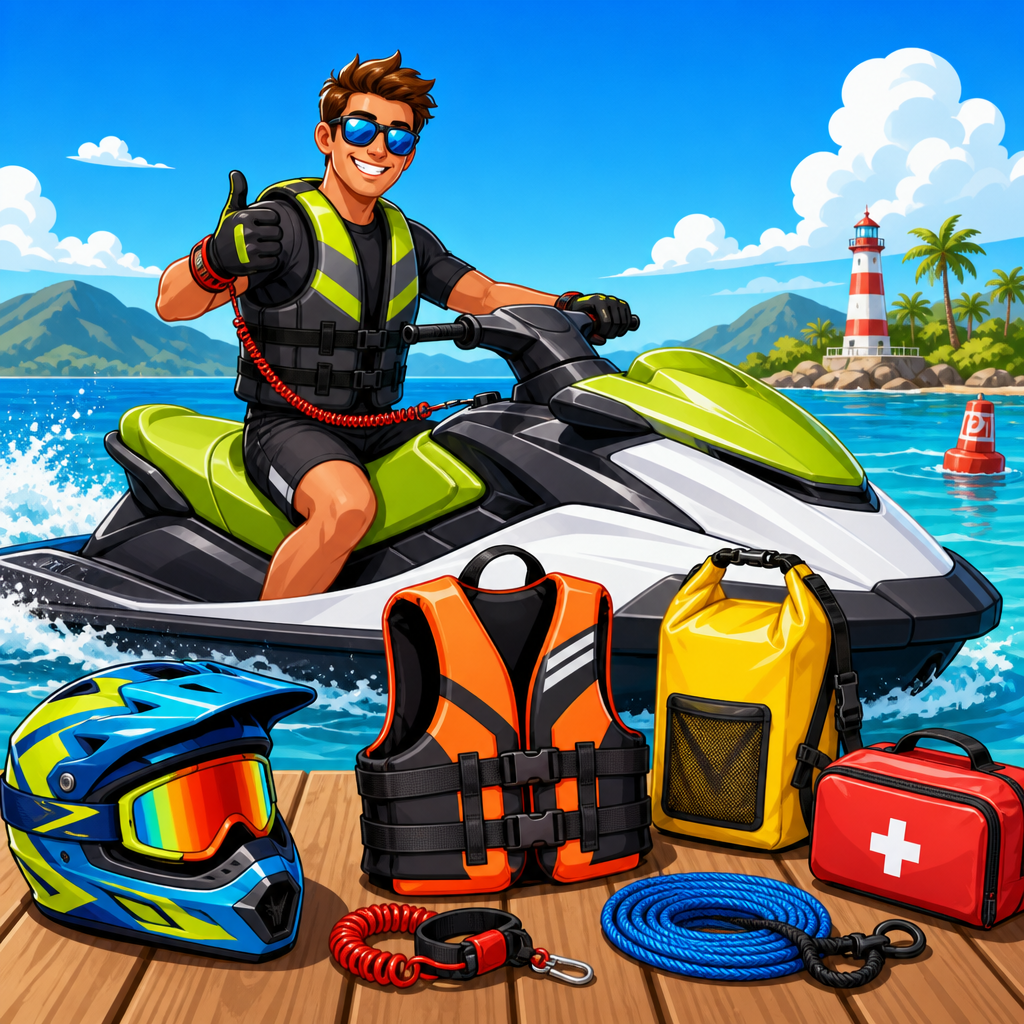
Personal watercraft (PWC), such as Jet Skis and wave runners, have gained immense popularity in recent years due to their small size and agility. However, their operation requires special attention to etiquette due to the high speed and maneuverability these crafts afford. PWC operators must abide by the same right-of-way rules as larger vessels, always being aware of their surroundings, especially in heavily-trafficked areas. It’s important to maintain a safe distance from other boats, swimmers, and wildlife, and to avoid areas where quiet is expected. Excessive noise can disturb both people and animals nearby, so operating them thoughtfully is essential. Additionally, complying with local laws regarding safety equipment, age limits, and operational boundaries ensures everyone’s safety and enjoyment on the water.
Social Considerations
Boating is often a social activity that involves friends and family. As such, there are etiquette considerations regarding human interaction both on and off your vessel. When passing by marinas, docks, or vessels at anchor, reducing speed and minimizing wake shows respect and consideration for others’ safety and comfort. Socializing ashore, whether at a marina bar or an island picnic, requires awareness of common courtesy. Littering, excessive noise, or heightened activity are detrimental to the peaceful enjoyment of all. Hospitality on the water extends to other boaters in distress—offering assistance if a fellow mariner signals a need, whether they are in need of mechanical help or simply directions. This collective spirit enhances the boating community and ensures a more enriching experience, where help is always available should you need assistance yourself in the future.
Conclusion
Boating etiquette encompasses more than simply avoiding collisions; it’s about maintaining a spirit of cooperation, consideration, and respect that enhances the pleasure and safety of the experience for everyone on the water. As seasoned sailors and new enthusiasts alike continue to explore these vast and beautiful expanses, understanding and adhering to these unwritten rules become even more paramount. They serve as a compass that guides behavior toward a shared goal: preserving the joy, liberty, and safety that boating promises for all who venture out. By internalizing these principles and leading by example, we help safeguard the integrity and enjoyment of our waterways for future generations. Whether it’s respecting right of way, ensuring environmentally conscious practices, or offering a friendly wave to a passing boater, these small gestures collectively foster a vibrant and enduring community devoted to respectful and responsible boating. Let us all commit to a higher standard of conduct on the water, making each trip not only a personal adventure but a harmonious community experience. By mastering boating etiquette, you’re not only charting a course for safety and success; you’re participating in a cultural legacy that honors and enhances our shared waterways.
Frequently Asked Questions
What is the importance of understanding right-of-way rules in boating?
Understanding right-of-way rules in boating is crucial because it is a big part of ensuring safety and preventing collisions on the water. These rules help dictate who has the priority in passing or crossing situations and can sometimes resemble the rules of the road. For instance, powerboats typically give way to sailboats, unless the sailboat is overtaking the powerboat. Just like you stop at a red light to prevent accidents while driving, respecting right-of-way when you’re on the water keeps everyone safe and sound. It’s about anticipating others’ movements and acting in a predictable manner, all of which contribute to a harmonious and enjoyable time out on the water. Remember, water spaces don’t have the clear demarcations that roads do, making it even more essential to understand and follow these unwritten traffic conventions.
How important is noise control when boating?
Noise control on a boat is incredibly important, not just for the comfort of those onboard but also for everyone else sharing the waterway. Excessive noise from loud engines, music, or even rowdy behavior can quickly turn a serene day on the water into an unpleasant experience for others. Consider the boats anchored nearby – they might be fishing, reading, or simply enjoying the peace. At night, sound travels even further over water, so it’s polite to keep volumes down, especially in areas where boats are docked or anchored close together. Keeping noise to a minimum is part of good boating etiquette and shows respect for the shared environment. Plus, a quieter boat means you’re more likely to enjoy the sounds of nature around you, enhancing your own experience out there.
Why is it important to follow ‘No Wake’ zones?
‘No Wake’ zones are designated areas where boats must travel at slow speeds to minimize the wake produced. These areas are typically near docks, marinas, or environments sensitive to boat traffic, like manatee habitats or erosive shorelines. Ignoring ‘No Wake’ zones can lead to damaging consequences such as eroding shorelines, damaging docks, or even causing injury to swimmers or other smaller watercraft. Additionally, a heavy wake can rock boats anchored at the dock or disrupt those embarking or disembarking, leading to possible accidents. Following ‘No Wake’ guidelines is not just a matter of etiquette but also of safety and environmental stewardship. By slowing down, you protect your surroundings and contribute positively to the community of boaters and other water enthusiasts.
Is it really necessary to log the boating trip details before and after the journey?
Yes, logging your boating trip details is a prudent measure that is highly encouraged. Much like filing a flight plan for pilots, logging your trip ensures that someone on land knows your intended route, destination, and expected return time. This is vital in case of unexpected delays or emergencies, allowing search and rescue units to locate you more efficiently if necessary. Details that should be recorded include the names of all passengers, the planned route, weather conditions, and any deviations from the original plan during the trip. While it may seem mundane, this practice is a key part of boating safety and etiquette, underscoring your respect for the responsibilities that come with your role as a boater. It’s all about creating a culture of safety and preparedness in the boating community.
What’s the proper protocol for anchoring and mooring near other boats?
Anchoring and mooring near other boats require a respectful distance to avoid encroaching on their space and to allow room for swings if the wind or current shifts. When you drop anchor, ensure there’s enough space around you for the boat to move naturally without impacting others. A good rule of thumb is to allow for a circle around your boat, two to three times the length of your anchor rope, to account for changes in tide or wind direction. It’s courteous to anchor far enough to avoid any possible collision but close enough so as not to block another boater’s path. Also, when entering a mooring field, proceed slowly and stay alert to ensure you don’t inadvertently cross over anchor lines or get too close to others. Communication can also go a long way; if you’re uncertain about your proximity to other boats, don’t hesitate to discuss it with nearby boaters, maintaining clarity and goodwill.