Jet ski accessories can transform a personal watercraft from a basic ride into a safer, more comfortable, and more versatile machine for family recreation, watersports, and day-long exploring. In practical terms, the best jet ski accessories for safety and fun are the add-ons that protect the rider, improve control, simplify storage, and expand what you can do on the water without compromising reliability. Because this article serves as a hub within boating gear and equipment, it also covers the wider world of water sports and recreational equipment that connects naturally to jet skiing, from tow ropes and action cameras to anchors and dry bags.
I have outfitted personal watercraft for casual shoreline cruising, tow sports, and marina-to-beach day trips, and the pattern is always the same: riders usually buy for speed first, then quickly realize the most valuable gear solves practical problems. A well-fitted life jacket prevents fatigue and helps with impact protection. A floating lanyard and spare kill switch key prevent stranded returns. A compact anchor keeps the craft off rocks while you swim or picnic. Fun matters, but on a jet ski, fun lasts longer when your setup is organized and your safety equipment is not an afterthought.
Jet ski accessories matter because personal watercraft operate in a demanding environment. Salt, sun, vibration, spray, and constant movement expose weaknesses in cheap gear fast. Unlike larger boats, a PWC has limited onboard storage and little margin for clutter, so every accessory has to earn its place. The best choices are durable, corrosion resistant, easy to secure, and useful across several situations. They should also align with manufacturer guidance, local boating regulations, and the way you actually ride, whether that means solo dawn runs, towing a tube, or carrying a passenger for a full afternoon.
For readers building a complete boating gear and equipment setup, think of this page as the starting map for the entire water sports and recreational equipment category. The sections below explain what to buy first, what adds convenience, what enhances watersports, and what is worth skipping if your riding style does not support it. If you are asking which accessories are essential, which are optional, and how to prioritize spending, the direct answer is simple: start with safety, then storage, then towing and entertainment gear, then comfort upgrades.
Safety accessories every jet ski owner should buy first
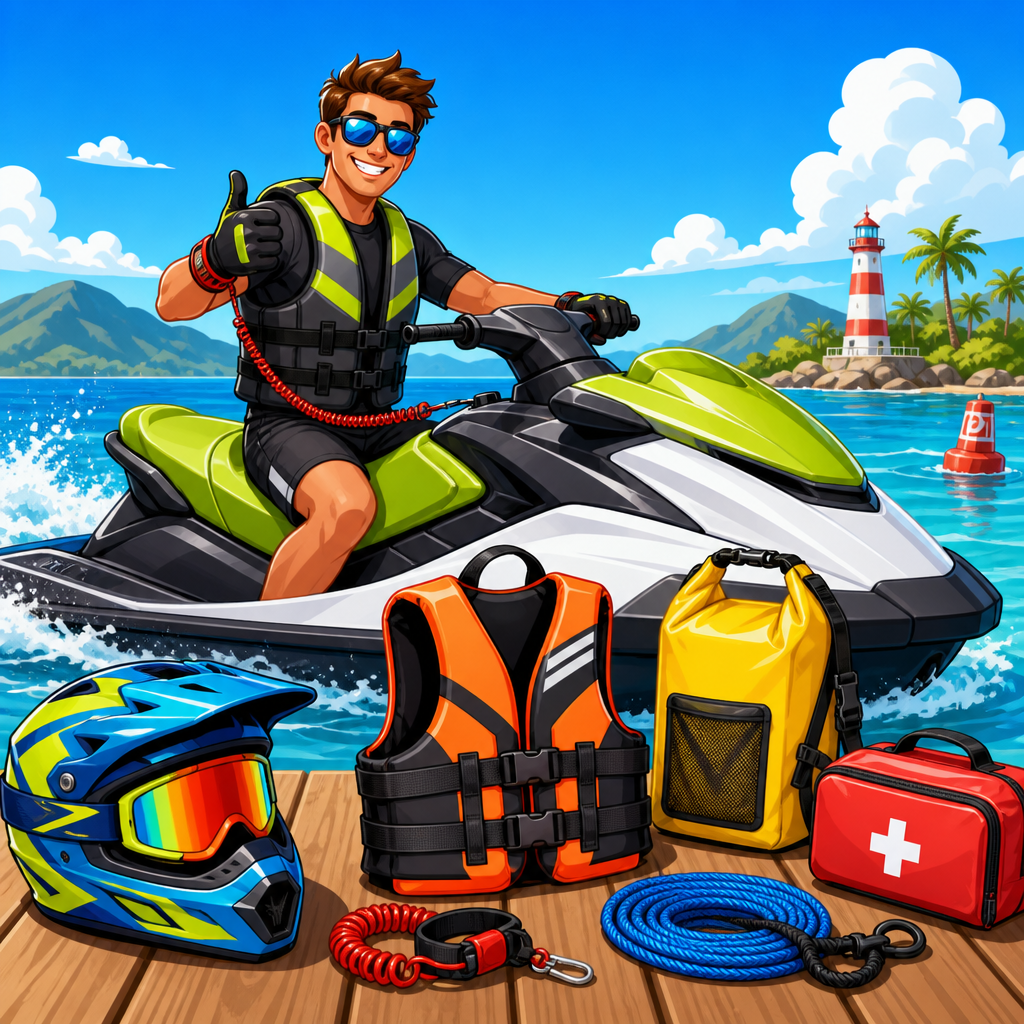
The first accessories for any jet ski should be a U.S. Coast Guard approved life jacket, a reliable engine cut-off lanyard, emergency signaling gear, and a basic rescue-ready storage kit. Those items are not glamorous, but they address the most common risk points on a PWC: sudden falls, separation from the craft, reduced visibility, and delayed assistance. In many states and riding areas, they are also required or strongly recommended by law or marina policy.
A proper life jacket for jet ski use is not the same as a loose fishing vest. Look for a Type III or harmonized buoyancy aid designed for high-impact watersports, with snug arm openings, secure buckles, and a cut that stays put at speed. Brands like O’Neill, Sea-Doo, Yamaha, and JetPilot make PWC-specific vests that reduce chafing and avoid bunching when seated. In my experience, riders who upgrade from generic rental vests immediately notice better mobility and less fatigue through the shoulders and ribs.
The emergency lanyard deserves equal attention. Most modern PWCs include a safety cut-off system, but many owners never buy a spare key or floating attachment. If the rider is ejected, the lanyard kills the engine, preventing the craft from circling or drifting under power. Keep one attached to the driver and a backup in a dry compartment. Add a whistle, waterproof flashlight, and compact distress flag if you ride beyond crowded nearshore areas or at dawn and dusk.
Fire extinguishers, first aid kits, and communication tools round out the safety setup. A small marine-rated extinguisher is essential on larger personal watercraft with storage capacity. A waterproof first aid pouch should include antiseptic wipes, bandages, tweezers, and pain relief. For communication, a floating VHF radio is best where marine traffic is active, while a fully sealed phone case works for inland lakes with strong coverage. None of these accessories eliminate risk, but together they create redundancy, which is the real foundation of small-craft safety.
Storage, protection, and maintenance gear that prevents expensive problems
After safety gear, the best jet ski accessories are the ones that reduce wear, protect belongings, and help the craft last longer. The core list includes a dry bag, dock lines, bumpers, a cover, corrosion protection products, and a boarding step or reboarding aid. These items do not just add convenience; they prevent common damage such as hull scuffs, sun fading, electronics loss, and awkward deep-water remounts after swimming.
A quality dry bag is indispensable because PWC storage compartments are not always fully waterproof. Even on premium models, spray intrusion happens. A 10-liter or 20-liter roll-top bag can protect phones, wallets, towels, snacks, and an extra layer. For docking, use purpose-built PWC lines and small fenders rather than improvised rope. Jet skis sit low, move abruptly in wakes, and can rub heavily against floating docks if the lines are too long or the bumpers are misplaced.
Covers are often undervalued, yet they save money by preserving seats, plastics, and controls from ultraviolet exposure. A trailerable cover with reinforced tie-down points protects the craft both at home and during transport. If you ride in salt water, flush the engine after every outing and use a corrosion inhibitor such as CRC 656 or Salt-Away on metal components according to manufacturer instructions. Lubricate steering and reverse mechanisms where specified, and inspect intake grates for debris before loading back onto the trailer.
One accessory I now consider nearly essential is a reboarding step. Many riders underestimate how hard it can be to climb back onto a jet ski from the water, especially with a life jacket on or after towing a tube. Modern retractable ladders and stern steps from Sea-Doo and aftermarket suppliers make deep-water recovery much safer for passengers, older riders, and anyone tired after a long swim. That is a textbook example of an accessory that improves both safety and fun simultaneously.
Accessories that make towing, watersports, and group riding better
Jet skis often serve as gateways into the larger world of water sports and recreational equipment, especially for families who want more than point-to-point riding. The right accessories can support tubing, wake-style play, snorkeling stops, sandbar gatherings, and social day trips. The key is to match the accessory to the craft’s towing capacity, boarding layout, and local rules. Not every PWC is equally suited for every tow activity, and towing without the right hardware can be unsafe.
For tube towing, start with a rated tow rope, a towable designed for the rider’s age and skill, and a proper tow point approved by the manufacturer. Some PWCs offer dedicated tow hooks or ski pylons, while others are suitable only for light towing. Rope length matters: too short increases spray and whip, too long reduces control in traffic. A spotter seat, where legal and practical, adds safety because the driver should not be turning around repeatedly to monitor the rider.
Wakeboard and kneeboard use behind a jet ski is possible on some larger three-seat models, but requires power, stability, and disciplined communication. Hand signals, gradual throttle application, and wide safety buffers are non-negotiable. For snorkeling or swim-stop recreation, useful accessories include a floating cooler, waterproof speaker secured inside a compartment, and a compact anchor system. A mushroom anchor or folding grapnel paired with the correct line length can hold a stopped PWC in calmer conditions, though riders should avoid anchoring in heavy current, surf zones, or seagrass-protected areas.
| Accessory | Best Use | Main Benefit | Key Buying Tip |
|---|---|---|---|
| Tow rope | Tube or board towing | Safe load handling | Match rope rating to rider count and towable size |
| Dry bag | Day trips and beach stops | Protects valuables from spray | Choose roll-top marine fabric with welded seams |
| Anchor kit | Swimming and sandbar stops | Keeps craft from drifting | Use a compact anchor suited to bottom type |
| Reboarding step | Swimming and towing breaks | Easier water re-entry | Pick a model designed for your exact PWC hull |
| Action camera mount | Recording rides and tow sessions | Captures memories and technique | Use tether backups and vibration-resistant mounts |
For group riding, communication and planning accessories matter more than flashy upgrades. A GPS-enabled phone in a marine case, a printed local chart if venturing farther out, and color-coded dry storage help riders coordinate fuel stops, meeting points, and emergency contacts. If your broader interest includes paddleboards, towables, snorkeling kits, or beach camping gear, the jet ski becomes part of a larger recreational equipment system. That is why this subtopic connects naturally to articles on towables, marine electronics, life jackets, anchors, and waterproof storage.
Comfort, navigation, and tech upgrades worth considering
Once the essentials are covered, comfort and technology accessories can meaningfully improve the riding experience. The most worthwhile upgrades include a phone or GPS mount, non-slip traction mats, waterproof audio solutions, polarized eyewear retainers, and small fuel-planning tools. These are not mandatory, but they can reduce fatigue, improve orientation, and make longer outings feel more controlled and enjoyable.
Navigation on a jet ski is often underestimated because riders assume the shoreline will always remain obvious. On large reservoirs, coastal inlets, and island chains, that assumption fails quickly. A secure mount for a waterproof phone running Navionics, Garmin ActiveCaptain, or another marine chart app can prevent wrong turns and fuel anxiety. The mount must be robust enough to withstand repeated pounding. Suction-cup automotive mounts usually fail; marine RAM mounts and manufacturer-integrated systems hold up far better.
Traction upgrades are another smart investment, especially on older PWCs with worn deck surfaces. EVA traction mats improve footing during boarding, towing, and aggressive turns. They also reduce slips when riders climb aboard from a dock. For eye comfort, polarized floating sunglasses with a retainer help cut glare and reduce strain, but never rely on expensive eyewear alone; conditions can change fast, and backup eyewear belongs in a dry pouch.
Audio and filming accessories are popular, but they need discipline. A compact action camera mounted to the bow or handlebars can record routes, wildlife sightings, and tow sessions, and it can even help review riding habits after the fact. Waterproof Bluetooth speakers should stay inside designed compartments or dedicated mounts, not loose on deck. Every added device increases battery draw, clutter, and the chance of losing gear overboard, so the best approach is selective, not maximalist.
How to choose the best jet ski accessories for your riding style
The best jet ski accessories for safety and fun depend on where you ride, who rides with you, and how often the craft leaves the trailer. A solo rider on a small inland lake needs a different setup than a family using a three-seat PWC for tubing on a busy reservoir or a coastal rider making longer runs between marinas. Start by dividing accessories into four groups: legally required, strongly recommended, trip-specific, and comfort-only. That framework prevents overspending and keeps storage organized.
If you mainly cruise alone, prioritize a premium life jacket, dry storage, communication gear, a cover, and maintenance supplies. If you carry passengers, add a reboarding step, extra eyewear retainers, more secure grab handles where available, and a better first aid kit. If towing is central to your weekends, invest in rated ropes, approved tow points, hand-signal practice, and rider-specific gear such as helmets where local conditions justify them. For long exploration rides, navigation, hydration storage, and fuel awareness rise to the top.
Compatibility is critical. Always verify model-specific fitment for covers, ladders, mats, and mounts, because hull shape and storage layout vary widely between Sea-Doo, Yamaha WaveRunner, and Kawasaki Jet Ski models. Avoid drilling unnecessary holes into fiberglass or plastic when an engineered mount exists. Read the owner’s manual for towing limits, passenger count, and maintenance intervals. The accessories that perform best over time are usually those installed with the manufacturer’s layout, load distribution, and drainage pathways in mind.
Budget matters, but false economy is common in this category. Cheap straps corrode, bargain phone cases leak, and low-grade ropes fray when exposed to sun and repeated shock loads. A good buying rule is simple: spend most on safety-critical gear, moderately on high-use accessories, and cautiously on novelty items. Build your kit in stages, test each addition on short rides, and remove anything that creates clutter or interferes with boarding, steering, or visibility.
Choosing jet ski accessories well means treating your PWC like a compact adventure platform rather than a toy. The right gear protects riders, extends the life of the craft, and opens the door to tubing, swimming, exploring, and relaxed social outings without adding unnecessary risk. Start with the non-negotiables: a quality life jacket, kill switch lanyard, signaling tools, dry storage, and proper maintenance supplies. Then add practical upgrades such as a cover, dock lines, a reboarding step, and an anchor kit based on how and where you ride.
From there, expand into the wider water sports and recreational equipment category with purpose. Tow ropes, towables, action cameras, traction mats, navigation mounts, and waterproof storage all have a place when they match your riding style and your craft’s capabilities. The best jet ski accessories for safety and fun are not simply the most popular ones; they are the ones that solve real problems on the water, fit your exact model, and hold up through sun, spray, and repeated use. That is what turns occasional rides into consistently enjoyable days.
As a hub within boating gear and equipment, this guide should help you decide what to buy first and where to go next. Use it to build a smarter checklist, compare accessories by function, and identify the related water sports gear that supports your time on the water. Review your current setup before your next ride, replace weak links, and invest in the accessories that make every launch safer, easier, and more fun.
Frequently Asked Questions
What are the most important jet ski accessories to buy first for safety and everyday use?
The best first accessories are the ones that improve rider safety, control, and preparedness every time you launch. At the top of the list is a properly fitted U.S. Coast Guard-approved life jacket designed for personal watercraft use. A standard boating vest is better than nothing, but a PWC-specific life jacket is usually more secure, more comfortable at speed, and less likely to shift while turning or riding in rough water. A safety lanyard or engine cutoff switch is equally essential because it shuts the engine off if the rider is thrown from the machine, helping prevent the jet ski from circling or drifting away.
After those basics, practical safety accessories include a waterproof phone case or VHF radio for communication, a compact dry bag for keys and documents, a fire extinguisher if required by local regulations, and a small first-aid kit stored in a secure compartment. Many riders also benefit from upgraded mirrors, a reboarding step or boarding ladder, and traction mats. Mirrors improve awareness when towing or riding with passengers, a reboarding step makes it much easier to get back on from the water, and traction mats provide better footing during mounting, launching, and aggressive turns.
For everyday use, storage accessories are among the most valuable upgrades. A waterproof deck bag, glove box organizer, or stern storage solution helps keep sunscreen, tow ropes, snacks, and emergency gear secure and accessible. In other words, the smartest first purchases are not necessarily the flashiest ones. They are the accessories that make every ride safer, reduce stress on the water, and help you stay organized enough to enjoy the machine more often.
Which jet ski accessories make riding more fun for families, guests, and watersports?
If your goal is to get more enjoyment out of a jet ski with family and friends, the most useful accessories are the ones that expand what the craft can do comfortably and safely. Tow sports accessories are a major category here. A quality tow rope, tow point, or ski pylon system can turn a basic ride into a platform for tubing, wake skating, or beginner water skiing where appropriate for the craft and local rules. Not every personal watercraft is equally suited for towing, so it is important to confirm the manufacturer’s recommendations, passenger limits, and towing capacity before adding gear.
Comfort upgrades can also make a huge difference for recreational use. Seat upgrades, handlebar grips, ergonomic mats, and boarding steps make it easier for riders of different ages and experience levels to enjoy longer sessions without fatigue. A cooler bag or small waterproof storage system is especially useful for day trips, sandbar stops, and family outings because it lets you bring drinks, snacks, towels, and extra gear without cluttering the footwells.
For exploring and all-day fun, GPS units, phone mounts made for marine use, and action camera mounts are popular additions. A GPS helps with route tracking and situational awareness, while camera mounts let riders capture trips without awkward handheld filming. If you regularly ride with kids or less experienced passengers, accessories that improve stability and confidence, such as reboarding aids and extra grab handles where compatible, often end up delivering more real-world fun than performance parts. The best “fun” accessories are the ones that match how you actually use the jet ski, whether that means towing, cruising, swimming off the craft, or spending a full afternoon on the water.
Are aftermarket jet ski accessories safe, and how do you choose the right ones?
Aftermarket accessories can be very safe and extremely worthwhile, but only when they are chosen carefully and installed correctly. The key is to prioritize accessories from reputable marine brands that are specifically designed for your make and model. Personal watercraft operate in a harsh environment with constant vibration, spray, UV exposure, and repeated impact loads, so automotive or generic outdoor gear often does not hold up well. A low-cost mount, strap, or storage system may seem fine at the dock but fail at speed or in chop.
When evaluating an accessory, start with fit and compatibility. Look for products that clearly list the exact models they are intended for and avoid modifications that require questionable drilling, strain factory components, or interfere with rider movement. Read manufacturer instructions carefully and pay attention to weight distribution, secure mounting points, and clearance around the handlebars, seat, intake, and boarding areas. Accessories should never block controls, reduce visibility, interfere with reboarding, or create entanglement risks.
It is also wise to think beyond installation day. Good accessories should be corrosion-resistant, easy to inspect, and simple to maintain. Stainless hardware, marine-grade polymers, UV-resistant fabrics, and sealed electronics generally perform better over time. If an accessory affects towing, navigation, lighting, seating, or fuel and storage access, test it under calm conditions before relying on it for a long outing. In short, aftermarket upgrades are safest when they support the craft’s intended use rather than trying to force it into something it was never designed to be.
What accessories help with jet ski storage, transport, and long-term protection?
Some of the most valuable jet ski accessories are the ones you use off the water. A high-quality cover is one of the best investments because it protects against sun damage, dirt, moisture intrusion, and fading during storage and trailering. The best covers are model-specific, breathable, tightly secured, and reinforced in high-wear areas so they do not flap excessively at highway speed. If the jet ski lives outdoors, a cover is not just a convenience item; it directly helps preserve the seat, finish, controls, and storage compartments.
For transport, trailer accessories matter just as much. Transom tie-down straps, a winch strap in good condition, bow security hardware, trailer guides, and proper lighting all contribute to safer loading and towing. Trailer steps or guide-ons can make launch and retrieval much easier, especially for solo riders or those using unfamiliar ramps. If you frequently transport gear, storage bins or trailer-mounted accessory racks may also help keep ropes, life jackets, and maintenance supplies organized.
Long-term protection also includes maintenance-oriented accessories such as a battery tender, flush kit, fuel stabilizer system, and corrosion-inhibiting sprays approved for marine use. A battery maintainer helps prevent frustrating no-start situations, while a flush connection makes it easier to clean the cooling system after saltwater or silty use. Depending on your setup, a dolly or lift system can reduce strain during garage storage and help protect the hull from unnecessary wear. While these products may not feel as exciting as performance or watersports upgrades, they are often the accessories that save the most money and keep the jet ski reliable season after season.
How do you choose the best jet ski accessories without overspending on unnecessary gear?
The easiest way to avoid overspending is to shop according to how you actually ride rather than buying accessories based on marketing or appearance alone. Start by dividing your needs into four categories: safety, convenience, storage, and recreation. Safety items should always come first, including a proper life jacket, lanyard, communication solution, emergency kit, and any legally required equipment. After that, convenience upgrades such as reboarding steps, traction mats, mirrors, and dry storage often deliver more daily value than expensive cosmetic parts or speed-focused modifications.
It also helps to think in terms of common use cases. If you ride solo for short sessions, you may need only basic safety gear, a phone case, and a small storage bag. If you ride with family, tow inflatables, or spend full days exploring, you may benefit more from coolers, tow gear, boarding aids, navigation accessories, and larger waterproof storage. This approach keeps your purchases practical and tailored to your lifestyle instead of random.
Another smart strategy is to prioritize quality over quantity. One well-made marine cooler bag, one dependable cover, or one solid mount system is usually better than several cheaper items that fail quickly. Before buying, check owner reviews, verify compatibility, and compare the accessory against the craft’s available storage, passenger capacity, and intended use. The best jet ski accessory setup is not the one with the most add-ons. It is the one that makes the machine safer, easier to use, and more enjoyable on every ride without creating clutter, maintenance headaches, or reliability issues.