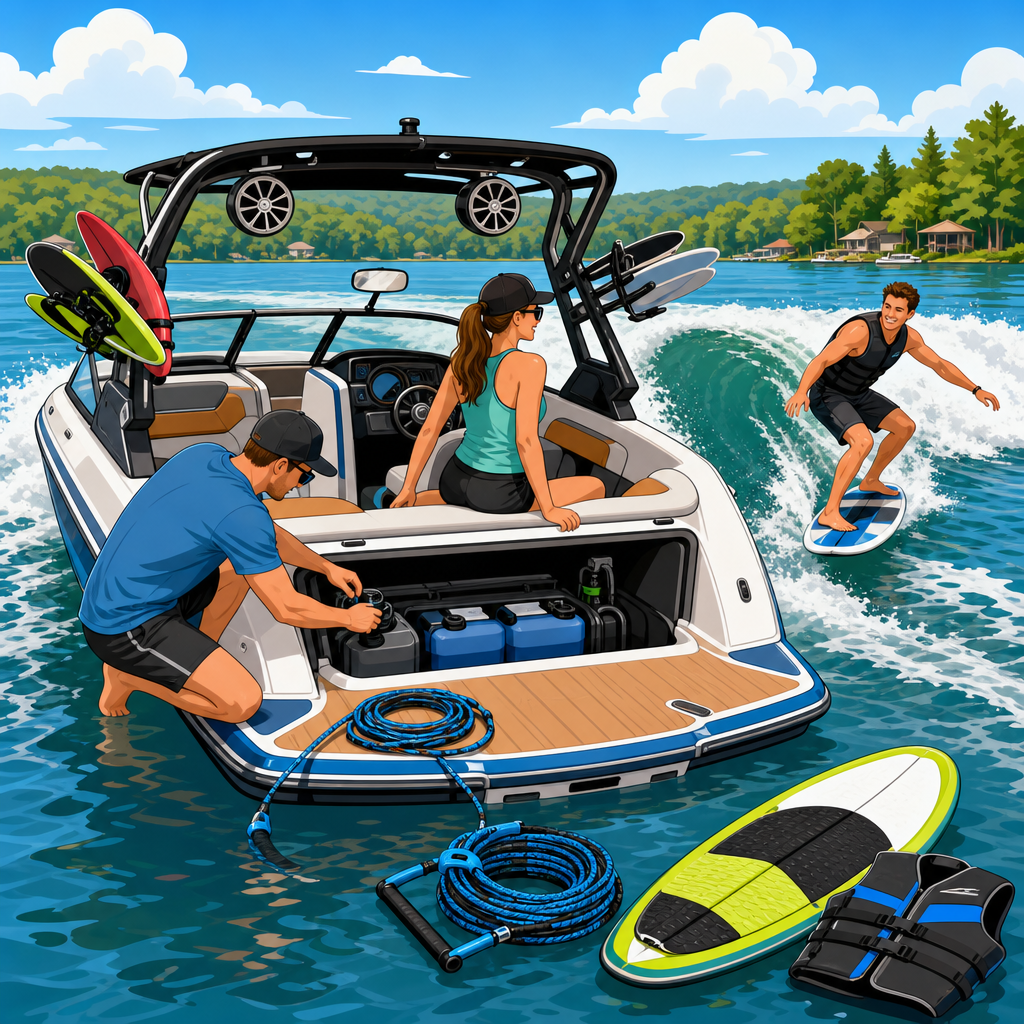
Setting up a boat for wake surfing and water sports starts with understanding how hull shape, ballast, propulsion, tow points, seating, and safety gear work together to create a clean wake, protect riders, and keep the crew comfortable. In practical terms, wake surfing means riding the boat’s wave without being directly pulled once the rider drops the rope, while water sports is the broader category that includes wakeboarding, waterskiing, tubing, kneeboarding, and beginner towables. As a hub within boating gear and equipment, this topic matters because the wrong setup produces poor wave shape, inconsistent pulls, wasted fuel, and avoidable safety risks. I have rigged boats for surf sessions, family tubing days, and multisport afternoons, and the pattern is always the same: a great day on the water comes from system-level setup, not one accessory purchase. The best results come from matching the boat’s capabilities to the activity, the rider’s skill, and the water conditions.
For wake surfing specifically, the essential goal is a surfable wave with enough push, length, and face height for the rider to stay in the pocket. That depends on displacement, speed control, ballast placement, trim devices, and the location of passengers. For skiing or tubing, the priorities change. You want a flatter wake for slalom, a predictable pull from a rated tow point, and cockpit organization that keeps lines clear and observers attentive. Many owners buy a wake shaper, a rope, or a tower and expect immediate results, but those parts only work when the underlying boat setup is correct. This guide explains the core gear, the setup process, and the tradeoffs between activities, so you can configure one boat for multiple forms of recreation without guessing.
There are also important equipment and legal distinctions. Inboard towboats and V-drive surf boats are the standard for wake surfing because the propeller sits well under the hull, away from the rider. Outboard and sterndrive boats can pull tubes and skiers effectively, but wake surfing behind them is generally unsafe because the propeller is too close to the rider at the stern, even with some aftermarket attachments. The National Association of State Boating Law Administrators, U.S. Coast Guard carriage requirements, and most manufacturer guidance all support a safety-first approach: use the right boat for the right sport, carry required life jackets, assign an observer where required, and never improvise towing hardware. Once those basics are clear, setup becomes much easier and much more effective.
Choose the Right Boat Platform and Powertrain
The best boat for wake surfing is a purpose-built inboard, usually a V-drive, with integrated ballast, surf tabs, and precise speed control. These boats place the engine near the stern to increase displacement where wave formation matters most, and they route the propeller under the hull, creating a safer environment for a rider surfing close to the transom. Popular examples include surf-focused models from MasterCraft, Malibu, Nautique, Centurion, and Supra. In my experience, these systems are not marketing extras; they materially change setup time and consistency. Factory ballast fills faster, surf tabs switch sides quickly, and speed holds better than on improvised setups. For families planning regular wake surfing, this category is the benchmark.
If your primary use is broader water sports, not surfing alone, a versatile towboat or deck boat may be more sensible. Direct-drive inboards are often favored by slalom skiers because their weight distribution creates a smaller, cleaner wake through the course. Outboards and sterndrives work well for tubing, kneeboarding, and recreational wakeboarding when equipped with a proper tow pylon or tower, but they are not a wake surf solution. Horsepower matters less than torque delivery and load-carrying ability. A heavily ballasted surf boat may run a 6.0L or larger inboard to maintain 10.5 to 12 mph with a full crew and 2,000 pounds or more of ballast. By contrast, tubing may demand strong acceleration but not the same sustained loaded efficiency.
Hull design also changes everything. Deep-V runabouts handle chop better, but many produce washed-out wakes at surf speeds. Surf hulls are shaped to displace more water cleanly and respond to tab adjustments. Before buying accessories, check your owner’s manual for rated capacity, tow point limits, and whether the manufacturer approves additional ballast. Overloading a boat with bags, passengers, and coolers can exceed the maximum person-and-gear rating, reduce freeboard, and create dangerous handling characteristics. Setup begins with respecting the platform’s design limits.
Build the Wave: Ballast, Speed, Trim, and Passenger Placement
A surf wave is created by displacing water, then shaping the flow so one side of the wake becomes steep, clean, and powerful. Ballast is the main lever. Factory hard tanks or soft bags add weight low in the hull, which increases displacement. More weight generally creates a larger wave, but only if the boat still runs at the correct attitude and speed. On most modern surf boats, a baseline setup starts with rear ballast heavily filled, center ballast full or near full, and bow ballast adjusted to lengthen the pocket. Too much stern weight makes the wave tall but short and can increase prop slip; too much bow weight can flatten the face. Fine-tuning matters more than simply adding pounds.
Speed is the second lever. Many surf setups land between 10.2 and 11.8 mph, though exact numbers depend on hull, rider weight, board style, and ballast. Slower speeds produce a steeper, shorter wave; slightly faster speeds often clean the lip and extend the pocket. This is why GPS-based cruise systems such as Zero Off or factory surf speed control are valuable. A difference of three-tenths of a mile per hour can be visible to the rider. Passenger placement acts like movable ballast. If the wave lacks push, shifting one adult from the bow to the surf-side corner can change face height immediately. I always adjust crew position before adding more gear because it is faster and often enough.
| Setup Factor | Wake Surfing | Wakeboarding | Waterskiing | Tubing |
|---|---|---|---|---|
| Typical Speed | 10.2-11.8 mph | 18-23 mph | 26-34 mph | 15-22 mph, rider dependent |
| Preferred Wake | Large, clean, surf-side wave | Firm, symmetrical wake | Small, soft wake | Stable pull, wake less critical |
| Ballast Use | High | Moderate to high | Minimal | Minimal |
| Tow Point | Surf rope, rider releases | Tower or pylon | Low pylon often preferred | Rated tow eye or pylon |
Trim tabs, surf gates, and wake shapers refine the wave after ballast and speed are close. Factory systems like Malibu Surf Gate, Nautique Surf System, and Centurion QuickSurf redirect water flow to clean and lengthen the surf side. On non-surf-specific inboards, aftermarket wake shapers can help, but they are not a substitute for proper hull design. For wakeboarding, many riders want more symmetrical ballast and centerline tracking, while for skiing you often remove ballast entirely and use neutral trim. The key principle is simple: setup should match the pull sport, not the owner’s default ballast habit.
Rig the Right Equipment for Each Water Sport
Ropes and handles are not interchangeable. A wake surf rope is usually thicker, shorter, and designed for easy retrieval once the rider drops it; many include sections to shorten the line during starts. Wakeboard ropes are commonly non-stretch or low-stretch and around 55 to 75 feet, helping the rider edge consistently into the wake. Waterski ropes vary by discipline and may include sectioned mainlines to tune course length. Tubing ropes are built for higher shock loads and should be selected by tube capacity, often one-, two-, or four-rider ratings. Using a general-purpose rope for tubing is a common mistake because dynamic loads during whip turns can exceed what a ski handle setup is designed for.
The tow point must also match the sport. Wakeboarders often benefit from a tower because the elevated pull helps with line tension and aerial tricks. Slalom skiers typically prefer a lower pylon that keeps the pull flatter and more direct. Tubes should attach only to manufacturer-rated tow eyes, pylons, or bridle systems approved for your stern layout. Never clip a tow rope to cleats, grab handles, or transom hardware not intended for towing. I have seen bent hardware and cracked fiberglass caused by improvised attachment points, and the repair cost usually exceeds the price of proper gear.
Boards, skis, and tubes should be chosen by rider size and skill. A beginner surf rider often progresses faster on a larger, more stable board with more volume and a forgiving fin setup. Heavier riders need larger boards to stay in the wave. Beginner wakeboards usually feature continuous rocker and more predictable tracking fins, while advanced riders may want a three-stage rocker for stronger pop. Combo skis help first-timers with deep-water starts before moving to a single slalom ski. Tubes vary from cockpit styles with more security to deck styles that feel faster and looser. The hub idea here is important: your boat setup should support multiple equipment categories, but each category still needs sport-specific hardware.
Prioritize Safety Systems, Legal Requirements, and Crew Procedures
Safe water sports setup is built on redundancy. Every rider needs a properly fitted U.S. Coast Guard-approved life jacket suited to the activity, and impact vests used in wake sports should only be used where they meet local carriage and wear rules. Keep a dedicated observer seat with clear sightlines, because many states require an observer in addition to the driver when towing. Mirrors help, but they do not replace a human spotter where the law requires one. A kill switch lanyard or wireless engine cutoff should be standard practice, especially when operating at rider pickup speeds near other boats or in narrow channels.
Propeller awareness is nonnegotiable. Wake surfing should only be done behind approved inboards where the propulsion layout keeps the prop under the boat and away from the rider. For all tow sports, shut the engine down or shift to neutral according to manufacturer guidance when a person is in the water near the stern, and keep hands clear of the swim platform ladder while the engine is running. Basic communication reduces incidents: establish hand signals for speed up, slow down, stop, cut, and return to dock before anyone enters the water. I also recommend a pre-run checklist that includes line condition, drain plug, fuel level, observer assignment, and no-gear zones around feet and prop controls.
Environmental conditions matter as much as gear. Morning water is typically calmer and safer for beginners. Strong wind can wash out a surf wave, create rope slack problems, and make tube tracking unpredictable. Water depth affects wake quality too. Very shallow water can harden the wake and alter boat handling, while local regulations may restrict towing near shore, swimmers, or marked channels. Review your state boating handbook, insurance conditions, and manufacturer warnings, then build procedures that your whole crew follows every time.
Organize the Boat for Comfort, Storage, and Fast Transitions
A boat that is physically organized performs better during water sports because transitions are faster and the cockpit stays safer. Store ropes in separate, labeled bags so surf, wakeboard, ski, and tube lines do not tangle. Keep boards in racks or padded lockers rather than on seats where fins damage upholstery and wet decks become slippery. If your boat serves as a family platform, use removable bins for vests, gloves, pumps, sunscreen, and spare hardware. The goal is simple: when changing from surfing to tubing, you should not need to unload half the cockpit to find the right rope or patch kit.
Electronics and maintenance support the experience more than many owners realize. A reliable depth finder helps you avoid surfing in water that is too shallow for your hull and propeller. Battery management matters when ballast pumps, stereo amplifiers, and screens are running for hours; dual batteries with an isolator or switch reduce the risk of ending the day with a dead starting battery. Aftermarket upgrades worth considering include board racks, heated observer seats in colder climates, non-skid flooring, and ballast monitoring systems. Less glamorous items matter too: spare drain plugs, prop tools, an air pump for inflatables, and a line cutter solve real on-water problems.
Comfort affects safety and session quality. Hydration, shade, and seating layout determine whether your crew stays attentive through a long afternoon. Keep heavy coolers low and centered, especially when surfing with significant ballast, and avoid piling loose gear in the walkthrough where passengers shift sides during rider changes. A well-set-up boat feels intentional: the driver can hold speed, the observer can see the rider, the rope is ready, and every person on board knows where to sit when shaping the wake or crossing rough water.
Conclusion: Build a Repeatable Setup That Matches the Sport
The best way to set up your boat for wake surfing and water sports is to treat the boat as a coordinated system. Start with the right platform, use propulsion and tow points appropriate to the activity, then dial in ballast, speed, trim, and passenger placement for the specific ride you want. Match ropes, boards, skis, and tubes to the sport rather than trying to make one setup do everything poorly. Most important, make safety procedures part of the routine, not an afterthought. That means approved life jackets, a dedicated observer, legal tow practices, clear hand signals, and strict respect for propulsion hazards.
As a hub for water sports and recreational equipment, this topic connects every gear decision you will make later, from choosing a surf board to upgrading ballast pumps or adding tower racks. When the foundation is right, every specialized article and every future accessory choice becomes easier because you already understand the principles behind wake shape, towing geometry, and onboard organization. Review your boat’s manual, confirm your local towing laws, inspect your gear, and create one written checklist for launch day. Then test one change at a time on the water. That disciplined approach will give you cleaner wakes, smoother pulls, safer sessions, and more fun from the boat you already own.
Frequently Asked Questions
1. What kind of boat setup is best for wake surfing versus other tow sports like wakeboarding, tubing, and waterskiing?
Wake surfing and other tow sports can use the same boat, but the setup goals are different. For wake surfing, the priority is creating a large, clean, well-shaped wave close behind the boat so the rider can eventually drop the rope and surf the face of the wake. That usually means a boat with an inboard or V-drive layout, a surf-capable hull, properly placed ballast, and speed control tuned to the rider’s skill level. The hull shape matters because it influences how the boat displaces water, and ballast matters because added weight changes the size and steepness of the surf wave. Surf systems, trim devices, and wake-shaping tabs also help fine-tune the wave so it has a cleaner face and a longer pocket.
For wakeboarding, the target is different. Riders typically want a defined, symmetrical wake with enough pop to jump, so ballast may be more evenly distributed side to side than it would be for surfing. Tow speed is higher than surfing, and the tow point is a bigger factor because wakeboarders usually pull from a tower or elevated tow point that helps with line tension and lift. Waterskiing generally requires yet another setup: less ballast, flatter water, higher speed, and as little wake as possible. Tubing and beginner towables tend to prioritize stability, safe spacing, moderate speed, and secure tow attachments over wake shape. In short, the best setup depends on the sport, but the safest and most versatile approach is a boat that lets you adjust ballast, speed, tow point use, and crew seating so you can tailor the wake and ride characteristics for each activity.
2. How do hull shape and ballast affect the wake, and how should I balance weight in the boat?
Hull shape and ballast are two of the biggest factors in how your boat performs for wake surfing and water sports. The hull determines how the boat moves through and displaces water, which directly affects wake size, cleanliness, and consistency. Deep-V and surf-oriented hulls generally produce fuller, more controllable wakes for recreational towing and surfing, while flatter hulls may be more efficient or better suited for other uses but less ideal for generating a powerful surf wave. A well-designed hull gives you a better starting point, but ballast is what helps you fine-tune the result.
Ballast works by adding weight to push the hull deeper into the water, increasing displacement and building a bigger wake or wave. For wake surfing, ballast is often concentrated more heavily on the surf side or adjusted with surf tabs and wake-shaping systems to produce a clean face and longer pocket on one side of the boat. For wakeboarding, ballast is usually more balanced from side to side to build a centered wake. The key is not simply adding as much weight as possible. Weight placement matters just as much as total weight. Rear ballast can make the wake steeper, bow weight can lengthen and clean it up, and side-to-side distribution can dramatically change whether the wake is clean or washed out.
Balancing weight also involves your passengers, fuel load, gear, and coolers. Even a few people moving seats can change the wake shape. That is why many experienced operators treat seating and storage as part of the setup, not an afterthought. The safest approach is to follow the manufacturer’s capacity limits, use factory or approved ballast systems when possible, and make adjustments gradually. Overloading a boat or placing weight carelessly can hurt handling, increase risk at low speeds, and compromise visibility or freeboard. If you want a clean wake and predictable performance, think of the boat as a complete system where hull, ballast, trim, and passenger placement all work together.
3. Why is propulsion type so important for wake surfing safety, and what tow points should I use for different sports?
Propulsion type is one of the most important safety considerations in wake surfing. In wake surfing, the rider is very close to the stern once the rope is dropped, which means the propeller location matters enormously. Inboard propulsion systems place the propeller underneath the hull, farther forward and away from the rider, making them the accepted choice for wake surfing. By contrast, stern-drive and outboard propellers are mounted at or near the transom, much closer to the rider’s position in the water. Because wake surfers operate directly in the boat’s wave at close range, those propulsion types are generally not considered safe for surfing behind the boat.
For other water sports, tow point selection also matters. Wakeboarding often benefits from a tower-mounted tow point because the elevated pull can improve rider posture, line angle, and aerial performance. Waterskiing may use a lower, centered tow point depending on the boat and skiing style, while tubing and beginner towables should always use manufacturer-approved tow eyes or tow attachment points designed for that purpose. Not every cleat, rail, or tower is rated for every activity, and using the wrong attachment point can damage the boat or create a serious safety hazard.
Good tow setup also includes rope selection. Wake surf ropes are shorter and designed for the sport, while wakeboard, ski, and tube ropes have different lengths, stretch characteristics, and handle designs. It is important to match the rope to the activity and to inspect it regularly for wear, knots, and fraying. Just as important, the driver should know exactly when the rider plans to drop the rope in surfing and should keep speed steady rather than making abrupt throttle changes. Safe propulsion and tow point decisions are not minor details; they are foundational to protecting riders and making the boat suitable for each sport.
4. How should I arrange seating, storage, and onboard safety gear when setting up a boat for wake surfing and water sports?
A smart interior setup makes a major difference in comfort, performance, and safety. Seating should support good visibility for the driver, clear communication with the observer, and balanced weight distribution across the boat. In practical terms, that means avoiding random passenger movement during a pull, keeping heavy gear secured, and using seating positions strategically when fine-tuning the wake. For example, shifting a few passengers to one side can affect a surf wave, but those adjustments should be deliberate and controlled, not chaotic. The driver should always maintain a clear forward view, and the observer should be seated where they can watch the rider continuously without distracting the driver.
Storage matters more than many people expect. Boards, ropes, pumps, life jackets, ballast accessories, and coolers should all have designated places so walkways stay clear and nothing shifts unexpectedly when accelerating, turning, or crossing chop. A cluttered cockpit creates trip hazards and slows down rider changes, especially when you are managing multiple sports in one outing. Keeping ropes coiled and out of the water also reduces the chance of tangles around feet, hardware, or propulsion components. If your boat has lockers or under-seat storage, use them intentionally so the deck remains clean and the crew can move safely.
Safety gear should be easy to reach, not buried under bags. Every rider should have a properly fitted life jacket appropriate for the sport, and the boat should carry all legally required equipment such as throwable flotation, fire extinguisher, sound-signaling device, navigation lights, and any other items required in your area. A first-aid kit, propeller emergency cutoff lanyard if applicable, basic tool kit, spare rope, and communication device are also wise additions. Many crews also keep a boarding ladder ready for easy reentry and a mirror or camera system to assist rider monitoring. The best setups feel organized because they are organized: everyone knows where gear goes, where safety equipment is stored, and who is responsible for spotting, driving, and helping riders enter and exit the water.
5. What are the most important beginner tips for dialing in speed, wake shape, and overall safety on the water?
For beginners, consistency matters more than chasing the biggest wake possible. Start by setting the boat up conservatively, using moderate ballast, manufacturer-recommended settings, and a speed appropriate for the sport and rider experience. In wake surfing, small adjustments in speed can dramatically affect the wave. A slight increase may clean up a washed-out face, while a slight decrease may make the wave steeper or less stable. The same principle applies to wakeboarding and skiing, where speed influences wake firmness, rope tension, and rider control. Rather than guessing, make one change at a time and observe the result.
Communication is equally important. Before every pull, confirm the rider’s sport, hand signals, start procedure, and whether they intend to drop the rope. The driver should accelerate smoothly, hold a steady line, and avoid sudden turns or throttle movements. The spotter should watch the rider continuously and relay clear information. When a rider falls, return cautiously, keeping them on the driver’s side whenever possible for better visibility and always staying clear of the rope. Engine neutral and propeller awareness are critical anytime someone is in the water near the boat.
Beginners should also resist the urge to overload the boat or imitate advanced setups without understanding the tradeoffs. A huge wave is not automatically a better or safer wave. Cleanliness, predictability, and rider confidence are better goals at the learning stage. Pay attention to weather, water depth, traffic, and local rules, especially in busy recreational areas where wake size and spacing may be regulated.