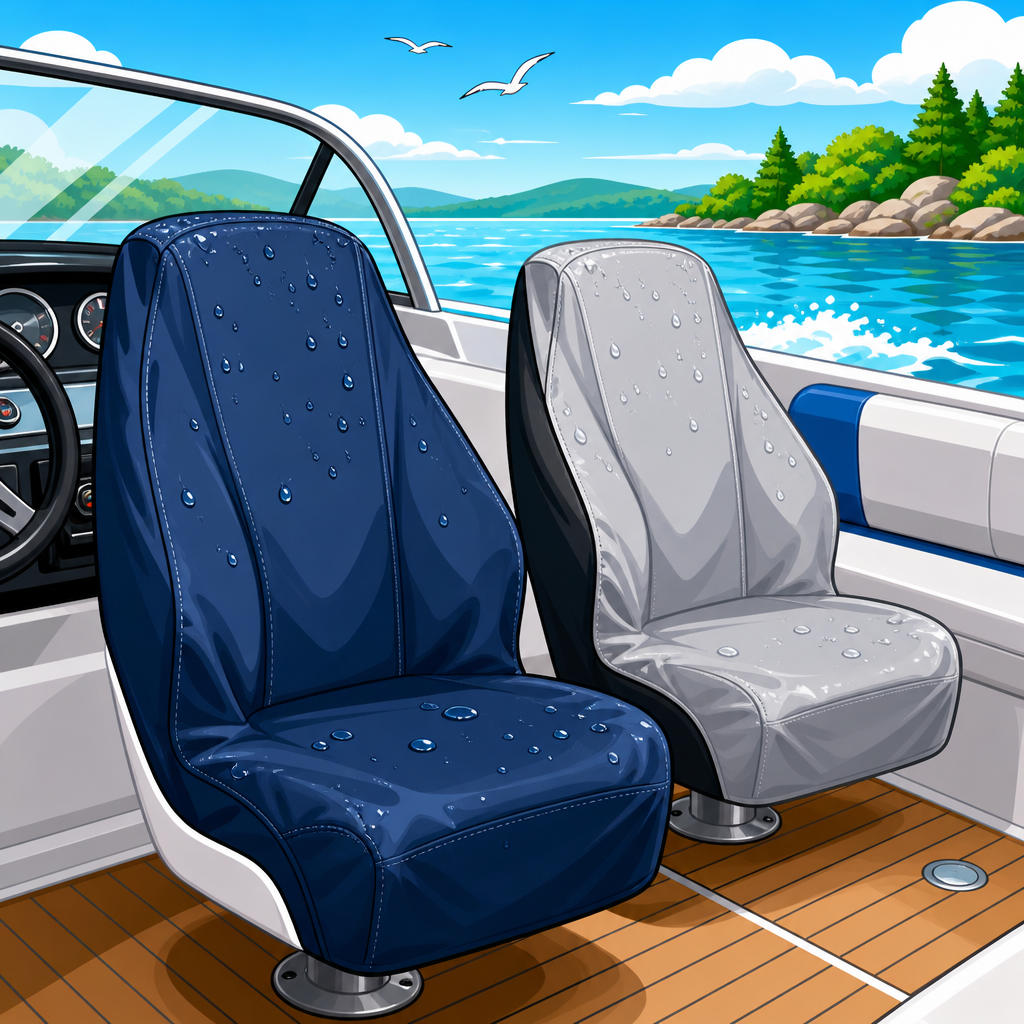
Waterproof boat seat covers protect one of the most abused surfaces on any vessel: the upholstery exposed to spray, sun, dirt, fish slime, and long storage periods between trips. In practical terms, a seat cover is a removable barrier designed to shield marine vinyl, stitching, foam, and seat frames from moisture intrusion, ultraviolet degradation, abrasion, mildew, and staining. When boat owners ask for the best waterproof boat seat covers for durability, they are usually trying to solve several problems at once: keeping seats dry after rain, slowing sun damage, reducing cleaning time, and extending the life of expensive factory upholstery. After fitting covers on center consoles, pontoons, bass boats, and trailer boats over multiple seasons, I have found that the durable options always balance material quality, fit, attachment method, and ventilation rather than relying on waterproof fabric claims alone.
This topic matters because seat replacement costs climb quickly. A single premium helm chair can cost hundreds of dollars, and reupholstering an entire runabout or pontoon interior can move into the thousands. Marine environments are especially punishing. Water works through seams, ultraviolet exposure hardens vinyl, trapped humidity encourages mildew, and loose covers flap until stitching fails. The wider category of boat covers and protection also extends beyond seats to console covers, full mooring covers, bimini storage boots, engine covers, and fender protection, all of which work together as a protection system. As a hub page, this guide explains what makes a durable waterproof seat cover, which materials and construction details matter most, how to choose the right style for your boat, and how seat covers fit into a complete protection strategy for boating gear and equipment.
What durable waterproof boat seat covers actually need to do
The best waterproof boat seat covers do more than repel rainwater. They must block liquid penetration while limiting heat buildup and trapped condensation. This distinction is important. A completely impermeable cover can keep rain off the seat surface, but if it seals moisture underneath after a washdown or humid night, mildew can still form. In marine textiles, durable protection comes from the full construction: coated polyester or solution-dyed fabric, reinforced seams, UV-resistant thread, and a fit that sheds water instead of pooling it. On fishing boats, pedestal seats often fail first at the top panel because water sits in a low spot and eventually pushes through stitching holes. On pontoon lounges, the failure point is often the side seam where wind movement abrades the cover against corners and piping.
Boat owners also need to match expectations to usage. A cover for trailering at highway speed needs stronger hems, tighter retention, and reduced slack compared with a dockside rain cover. A cover for seasonal outdoor storage must handle weeks of ultraviolet exposure and standing weather, while a cover used between weekend trips may prioritize quick on-off installation. In my experience, many warranty complaints come from using a light-duty seat cover like a long-term storage tarp. The durable choice is the one rated for the actual environment: marina slip, lift, trailer, backyard storage, or year-round outdoor mooring.
Materials, coatings, and construction details that determine longevity
Material selection is the clearest predictor of service life. Heavy-duty marine-grade polyester with polyurethane or PVC backing is common because it combines decent waterproof performance with abrasion resistance. Solution-dyed acrylic fabrics, known from premium marine cover brands, deliver superior fade resistance and long UV life, although not every acrylic seat cover is fully waterproof without an additional coating or seam treatment. Vinyl-backed fabrics resist water effectively but can become stiff in cold weather and may trap more heat. Lighter generic polyester covers sold as universal fits often fail when their thin coatings crack after repeated folding and sun exposure.
Stitching and seam design matter as much as face fabric. Look for double-stitched or bound seams, rot-resistant thread, and stress reinforcement at corners, buckle points, and elastic hems. Waterproof claims are weakest at needle holes, so seam sealing, overlap construction, or flaps that channel water away from critical joints add real value. Hardware also affects durability. UV-stable webbing, acetal buckles, corrosion-resistant snaps, and shock cord or heavy elastic hems hold up better than low-grade rubber drawcords. A breathable liner or vent panel can reduce condensation and vinyl-to-cover sticking, especially in hot climates. Inferior covers usually fail in a pattern I have seen repeatedly: fading first, then thread breakdown, then seam separation, then water intrusion.
| Feature | Why it matters | Best use case |
|---|---|---|
| 600D to 900D marine polyester | Good balance of waterproofing, abrasion resistance, and cost | General outdoor storage and regular use |
| Solution-dyed acrylic | Excellent UV stability and color retention | Sunny climates and premium long-term protection |
| PVC or PU backing | Improves water resistance | Rain exposure and moored boats |
| Double-stitched seams with reinforced corners | Reduces seam failure under wind load | Trailering and exposed docks |
| Elastic hem plus straps or buckles | Keeps cover secure and limits flapping | High-wind storage and transport |
| Vent panels or breathable construction | Helps prevent condensation and mildew | Humid regions and covered wet seats |
Best waterproof boat seat cover styles for different boats and seating layouts
There is no single best style for every boat. Pedestal fishing seats benefit from tailored cap-style covers that wrap the crown and side panels tightly. These are common on bass boats and bay boats where elevated seats catch weather and sun all day. Helm seat covers work best when they include allowances for armrests, back bolsters, or flip-up leaning post cushions. Pontoon seat covers are a category of their own because lounge furniture has long horizontal cushions and multiple corners. In many cases, sectional lounge covers outperform one-piece generic wraps because they shed water better and are easier to tension. For bowriders and deck boats, bucket seat covers should fit around contours without crushing bolsters or leaving loose fabric to flutter.
Bench and lounge covers are often the smartest choice for family boats because those seats are expensive to reupholster and collect sunscreen, drinks, and wet towels. Universal sizes can work when dimensions are close, but measured custom covers usually last longer because they place tension where the fabric is strongest and avoid abrasion from excessive movement. I have seen custom console and helm seating covers outlast cheap universal covers by several seasons simply because they were cut to avoid water pockets and secured with proper strap geometry. If your boat has multiple seat types, treat each zone separately rather than forcing one cover style across the entire cockpit.
How to choose the right fit, measure correctly, and avoid common buying mistakes
Choosing the right waterproof boat seat cover starts with accurate measurements. For pedestal seats, record seat back height, top width, bottom width, and depth. For helm chairs, measure overall height, armrest-to-armrest width, seat depth, and any protruding hardware. For pontoon lounges, measure each cushion section independently, including radius corners and hinge breaks. Manufacturers often publish fit ranges, but broad ranges can hide sloppy results. A cover that technically fits a 20- to 24-inch seat may still sag badly on the small end of that range.
The most common mistake is buying solely by price or by the word waterproof. The second most common mistake is ignoring retention. A well-made cover with poor fastening will chafe itself apart. Check whether the cover uses under-seat straps, buckle closures, adjustable webbing, or heavy elastic. For trailer use, straps should create downward force, not just inward tension around the perimeter. Also review whether the inside surface is soft enough for marine vinyl. Rough backings can dull or mark seat surfaces over time. If the boat is stored outdoors in a humid region, prioritize venting and quick-drying inner surfaces. If it stays on a lift in intense sun, prioritize UV resistance and colorfastness.
Top brands, fabrics, and product tiers boat owners should know
Several established marine cover manufacturers set the standard for durability. Westland, Taylor Made, Classic Accessories, SavvyCraft, and iCover are frequently considered for universal and semi-custom seat protection, while custom marine canvas shops often build the longest-lasting solutions using Sunbrella or similar premium fabrics. Sunbrella is widely respected for UV stability and breathability, though the final waterproof performance depends on pattern design, seam handling, and finish treatments. For budget-conscious buyers, 600D marine polyester covers can be a strong value if they use reinforced stitching and secure straps. Premium buyers should look at custom-cut covers with heavier fabric weights, venting, and exact patterning for helm seats and pontoon lounges.
Product tiers generally divide into light-duty universal covers, midrange heavy-duty universal or semi-custom options, and true custom marine canvas. Light-duty options are acceptable for indoor storage or short off-season use but rarely deliver top durability in full weather exposure. Midrange covers serve most boat owners well, especially when matched to the right seat type. Custom covers cost more upfront but usually deliver lower cost per season on boats kept outdoors. In yards and marinas, I consistently see premium marine canvas survive after cheaper covers have faded, cracked, or torn. The better investment depends on how long you keep the boat, whether it is stored outside, and how costly the original upholstery would be to replace.
How boat seat covers fit into a complete boat covers and protection strategy
Seat covers work best as one part of a full protection system. If rain is blowing into the cockpit because the mooring cover is loose, seat covers are doing cleanup duty instead of primary defense. A proper setup layers protection: a fitted mooring or storage cover for the whole boat, seat covers for high-wear upholstery, console covers for electronics, engine covers where needed, and support poles or frame structure to prevent water pooling. In saltwater environments, this system also reduces corrosion on hinges, bases, and fasteners attached to seating. For trailered boats, add transom tie-down protection and check that the main boat cover and seat covers do not rub against each other.
This hub topic connects directly to related decisions across boating gear and equipment. Choosing the right full boat cover affects whether interior seat covers need maximum waterproofing or mainly dust and UV protection. Bimini tops and enclosures reduce direct sun load on seats while underway or at anchor. Upholstery cleaners and marine protectants help preserve vinyl under the covers, but they should be fully dry before installation. Storage habits matter too. A cover thrown on over wet cushions after every trip can shorten seat life even if the fabric itself is waterproof. The goal is a complete protection routine, not a single miracle product.
Maintenance practices that extend cover life and preserve seat upholstery
Even the best waterproof boat seat covers require maintenance. Rinse salt and grit off regularly because abrasive particles wear coatings and stitching when the cover moves. Wash with mild soap rather than harsh detergents that strip water-repellent finishes. Let covers dry fully before folding and storing them. Reapply fabric guard when the manufacturer recommends it, especially on woven marine fabrics used in high-UV regions. Inspect seams, buckles, and hems at the start and end of each season. Small repairs done early prevent the common progression from loose stitch to torn panel.
The seats beneath the covers need maintenance as well. Clean marine vinyl with products designed for upholstery, not household cleaners containing bleach or solvents. Dry cushions before covering them. If mildew appears, identify the source of trapped moisture rather than repeatedly treating the stain alone. Ventilation, support poles, and correct fit are often the real fix. Durable protection comes from combining the right cover, the right installation, and routine care. For most boat owners, the best waterproof boat seat covers are the ones that fit properly, resist UV, secure tightly, and breathe enough to prevent hidden moisture damage. Measure carefully, buy for your storage conditions, and build your broader boat covers and protection plan around long-term preservation rather than short-term convenience.
Frequently Asked Questions
What makes a boat seat cover truly waterproof and durable?
A truly waterproof and durable boat seat cover does more than simply repel a light splash. The best options are built from marine-grade materials designed to handle constant exposure to water, UV radiation, salt, dirt, and temperature swings without cracking, fading, or leaking. In most cases, that means heavy-duty polyester or similar synthetic fabrics with a waterproof backing or coating, reinforced seams, and a fit that reduces gaps where water can pool or blow underneath. Some covers are water-resistant rather than fully waterproof, which may be fine for short-term use, but for long-term durability and real protection during storage or harsh weather, a cover should prevent moisture from soaking through to the vinyl and foam beneath.
Durability also depends on how well the cover resists abrasion, stretching, mildew, and sun damage over time. A cover that looks thick but breaks down quickly under UV exposure is not a durable choice in marine conditions. Strong stitching, secure fasteners, and materials that stay flexible instead of becoming brittle are all signs of a better product. In practical use, the best waterproof boat seat covers protect against more than rain. They create a barrier against fish slime, sunscreen, spilled drinks, muddy shoes, salt spray, and long idle periods when seats are left vulnerable at the dock or in storage. That combination of waterproof performance and long-term material stability is what separates a durable marine seat cover from a basic protective layer.
Are universal boat seat covers good enough, or is a custom-fit cover better for durability?
Universal boat seat covers can work well when they are properly sized and made from quality marine materials, but custom-fit covers generally offer better long-term durability because they match the seat shape more precisely. A snug, accurate fit matters because loose material tends to flap in the wind, rub against corners, trap debris, and allow water to collect in low spots. Over time, that movement creates wear on both the cover and the upholstery underneath. A custom-fit cover reduces those issues by staying in place more securely and maintaining more consistent protection across the seat surface.
That said, a well-designed universal cover is often a practical and cost-effective choice for many boat owners, especially if the seat style is common and measurements are checked carefully before buying. The key is not just whether the cover is universal or custom, but whether it fits tightly enough to shed water and resist movement. Elastic hems, adjustable straps, buckle systems, and reinforced corners all improve performance. If your boat is stored outdoors for long stretches, travels frequently on a trailer, or has seats with unusual shapes, custom-fit covers are usually worth the investment for better durability. If your use is more occasional and the cover is removed often, a premium universal cover may provide plenty of protection as long as the material quality and fit are both strong.
How do waterproof seat covers help prevent mildew, fading, and upholstery damage?
Waterproof seat covers help protect marine upholstery by blocking one of the biggest sources of damage on a boat: repeated exposure to moisture and sunlight. When water seeps into seams, stitching holes, or worn vinyl, it can penetrate the foam and internal structure of the seat. That trapped moisture creates ideal conditions for mildew, unpleasant odors, staining, and even deterioration of the seat base or frame over time. A waterproof cover acts as the first line of defense, keeping rain, spray, dew, and splashes off the upholstery and reducing the chances that water reaches those vulnerable layers.
They also play a major role in reducing UV-related damage. Sun exposure dries out vinyl, weakens stitching, fades color, and can eventually lead to cracking or brittleness. A durable cover shields the seat from direct sunlight during storage and between outings, helping preserve the appearance and lifespan of the upholstery. In everyday boating, covers also guard against abrasive dirt, bird droppings, fish residue, sunscreen, and general grime that can stain or wear down seating surfaces. It is important to remember that even waterproof covers perform best when paired with basic ventilation and good storage habits. If moisture is trapped underneath for long periods, mildew can still develop, so breathable construction or occasional airing out is valuable. The best results come from using a waterproof cover consistently and keeping both the seat and cover clean and dry whenever possible.
What features should I look for when choosing the best waterproof boat seat covers for durability?
Start with fabric quality, because that is the foundation of both waterproofing and durability. Look for marine-grade materials with proven resistance to UV rays, mildew, tearing, and abrasion. Heavy-duty polyester with a waterproof coating or backing is a common and reliable choice, especially when it is designed specifically for marine use. Pay close attention to seam construction as well. Double-stitched or reinforced seams hold up better under repeated use, and any weak stitching can become the first point of failure in wet or windy conditions. If the cover includes vents, they should be designed to promote airflow without sacrificing water protection.
Fit and securing systems are just as important. Elastic hems, drawcords, adjustable straps, and buckle closures help keep the cover tight so it does not shift, sag, or blow off while the boat is trailered or stored outdoors. Reinforced stress points are valuable for areas that contact seat corners, hinges, or sharp edges. It is also smart to look for covers that are easy to remove, clean, and reinstall, because products that are cumbersome tend to get used less often. Color can even matter for longevity, since lighter colors may reduce heat buildup, while darker colors may show fading differently over time. Finally, consider your specific boating environment. Freshwater lake use, saltwater exposure, winter storage, and year-round outdoor mooring all place different demands on a cover. The best waterproof boat seat cover for durability is the one that matches your seat dimensions, climate, usage pattern, and maintenance routine without compromising on material quality.
How should I maintain waterproof boat seat covers so they last as long as possible?
Proper maintenance has a direct impact on how long waterproof boat seat covers remain effective. Even the best cover will wear out faster if it is left caked with salt, dirt, mildew, or organic residue. A simple routine makes a big difference: rinse the cover regularly with fresh water, especially after saltwater use, and clean it with a mild soap recommended for marine fabrics when needed. Avoid harsh cleaners, bleach, or stiff brushes unless the manufacturer specifically allows them, because these can damage protective coatings and weaken stitching. Before reinstalling or storing a cover, make sure it is fully dry to reduce the risk of mildew growth and odor buildup.
It is also important to inspect the cover periodically for signs of wear such as seam separation, fraying straps, cracked coatings, or areas where water no longer beads on the surface. Catching these issues early can allow for minor repairs or retreatment before the cover fails completely. Make sure the seats themselves are dry and reasonably clean before covering them, since sealing moisture and grime underneath can damage upholstery even when the cover is in good condition. If the boat is stored for extended periods, remove the cover occasionally to let the seats air out and check for hidden moisture. In off-season storage, fold or roll the cover neatly and keep it in a dry area away from rodents, direct sunlight, and excessive heat. Consistent cleaning, drying, inspection, and proper storage are what turn a good waterproof boat seat cover into a long-lasting protective investment.