For those venturing out onto water, whether the vast expanse of an ocean or the serene surface of a lake, understanding navigational terms is not just beneficial—it’s essential. This lexicon not only aids in the seamless operation of a vessel but also ensures safety and communication efficiency. While sailing or operating a motorboat might seem daunting to those unfamiliar with nautical jargon, the acquisition of these terms will arm you with confidence and competence. The maritime world has its language, and by learning it, you enhance your ability to manage your vessel and collaborate effectively with others on the water. In this guide, we aim to simplify complex terms and explore the crucial vocabulary every boater should master. Knowing the specific meanings of these navigational terms helps in executing commands, ensuring the safety of your vessel, and enjoying a seamless boating experience. As you delve into this article, our objective is to equip you with the fundamental vocabulary of navigation, enabling both novice and experienced boaters to communicate and perform with assurance.
The Importance of Basic Nautical Directions
One of the first steps in understanding maritime language is grasping the basic directions specific to boating. Unlike land navigation, boating terminology relies on unique directional references. The terms “port” and “starboard” replace “left” and “right.” Port refers to the left side of the ship when you are facing forward toward the bow, whereas starboard denotes the right side. This distinction is critical for steering commands and coordinating movement aboard the vessel. Additionally, the front of the boat is called the “bow,” and the back is known as the “stern.” These terms facilitate nuanced navigation and maneuvering, crucial during both calm and emergency conditions. Understanding these basic directions is crucial as they serve as foundations for safe marine operations, allowing for precise movement, positioning, and orientation on the open water.
Understanding Navigation Aids
Navigational aids, or nav aids, are crucial tools assisting boaters in determining their position and course on the water. Buoys, for example, are floating markers that indicate hazards, channels, or land proximity. These are often color-coded; green buoys denote the starboard side of the channel when returning to port, and red buoys mark the port side. Lighthouses and beacons are also instrumental in guiding vessels through treacherous sections. They emit light signals visible over great distances, crucial for night navigation. Navigational charts are another essential tool, providing detailed information on water depths, underwater features, and artificial structures like docks or bridges. These charts are like maps designed for the sea and vital for charting courses and avoiding underwater hazards. Compasses and GPS devices round out the list of fundamental nav aids, offering consistent, reliable information for direction setting and course correction. Together, these tools form the backbone of marine navigation, allowing for safe and efficient travel.
Nautical Charts and Their Symbols
Nautical charts are indispensable in a boater’s toolkit, akin to roadmaps for those traversing on land. These charts use a plethora of symbols to convey comprehensive information about the water bodies they cover. Depth indicators, such as soundings, provide the water’s depth at various locations, helping avoid areas where the boat might ground. A chart will depict submersed rocks, sandbanks, and shipwrecks, all potential navigational hazards. Special symbols indicate currents and tides, information vital for predicting water movement that may impact a vessel’s course. Additionally, nautical charts include key landmarks, aid stations, and safe anchorages, allowing boaters to plan their trips resourcefully. Understanding these symbols is critical for any navigator, ensuring safe passage through potentially hazardous waters. Furthermore, charts are often divided into grids, assisting with precise location plotting and bearing calculations crucial for route planning and emergency situational awareness.
The Significance of Navigational Coordinates
Coordinates are the building blocks of maritime navigation, forming the numerical system through which precise locations at sea are communicated. Latitude and longitude are the backbone of this system, pinpointing any location on the Earth’s surface. Latitude lines run horizontally, marked in degrees, minutes, and seconds north or south of the equator. Longitude lines are vertical, measuring the degrees, minutes, and seconds east or west of the Greenwich meridian. Understanding these coordinates is essential for plotting courses and mapping out journeys on nautical charts. Advanced navigational systems integrate these coordinates with onboard GPS devices, offering real-time data changes in position. Knowing how to read and interpret navigational coordinates means a boater can confidently and accurately determine their current position and where they need to go. Being fluent in these terms is crucial for navigation, rescue operations, and international maritime communications.
Mastering Compass Directions and Bearings
Arguably one of the most critical navigation tools, the compass is a boater’s best companion for directional guidance. Understanding how to read a compass and interpret bearings is vital. The compass rose, a circle showing the 360 degrees of a compass, helps navigate precise directions. True north, different from magnetic north, is the point from which all medial directions are measured. Magnetic variation or declination—how far the magnetic north is from true north—must also be considered, as this discrepancy can affect your course. Bearings, the direction or path along which something moves or along which it lies, are measured in degrees from the north point clockwise. Mastery of compass navigation enables boaters to confidently venture into uncharted waters, plot routes accurately, and anticipate course adjustments critical for ensuring a safe journey, even in adverse weather conditions.
The Role of Weather in Marine Navigation
Weather plays a pivotal role in nautical navigation, making meteorological literacy vital for every boater. Terms such as ‘forecast,’ ‘front,’ and ‘pressure systems’ are as critical as learning knots or compass bearings. Understanding wind direction and speed is vital, as it significantly impacts sailboats and motorboats alike. Wave height, sea state, and swells can alter a boat’s trajectory and stability, thus must be anticipated for safe passage. Familiarity with common weather terms ensures the boater can interpret weather reports and warnings accurately, planning trips to optimize conditions or avoid dangerous ones. Further, learning to read clouds and changes in temperature aids in predicting weather changes without technology. In emergency situations, this understanding could mean the difference between a safe journey and navigational hazards. Ultimately, the boater who respects and comprehends marine weather is equipped to navigate safely and efficiently, capitalizing on favorable conditions while mitigating risks.
Logkeeping: Recording a Voyage
Of all the navigational practices, logkeeping might seem the most procedural, yet its importance is undisputed. Keeping a ship’s log involves recording details of a voyage, including times, locations, weather conditions, and specific events. In doing this, it serves as a comprehensive record, valuable not just during the trip, but afterward in analyzing performance or assisting with legal and commercial functions. Traditional logs were maintained manually, but with technology, digital logs have become common, often integrating automatically recorded data from navigational equipment. Keeping logs demands a thorough understanding of relevant terms, such as ‘latitude and longitude,’ ‘weather conditions,’ and ‘ship events,’ ensuring everything of significance is captured and can be reliably referenced. A well-maintained logbook enhances navigation safety, aids in verifying routes, and supports analyzing and learning from past voyages.
Effective Communication Among Boaters
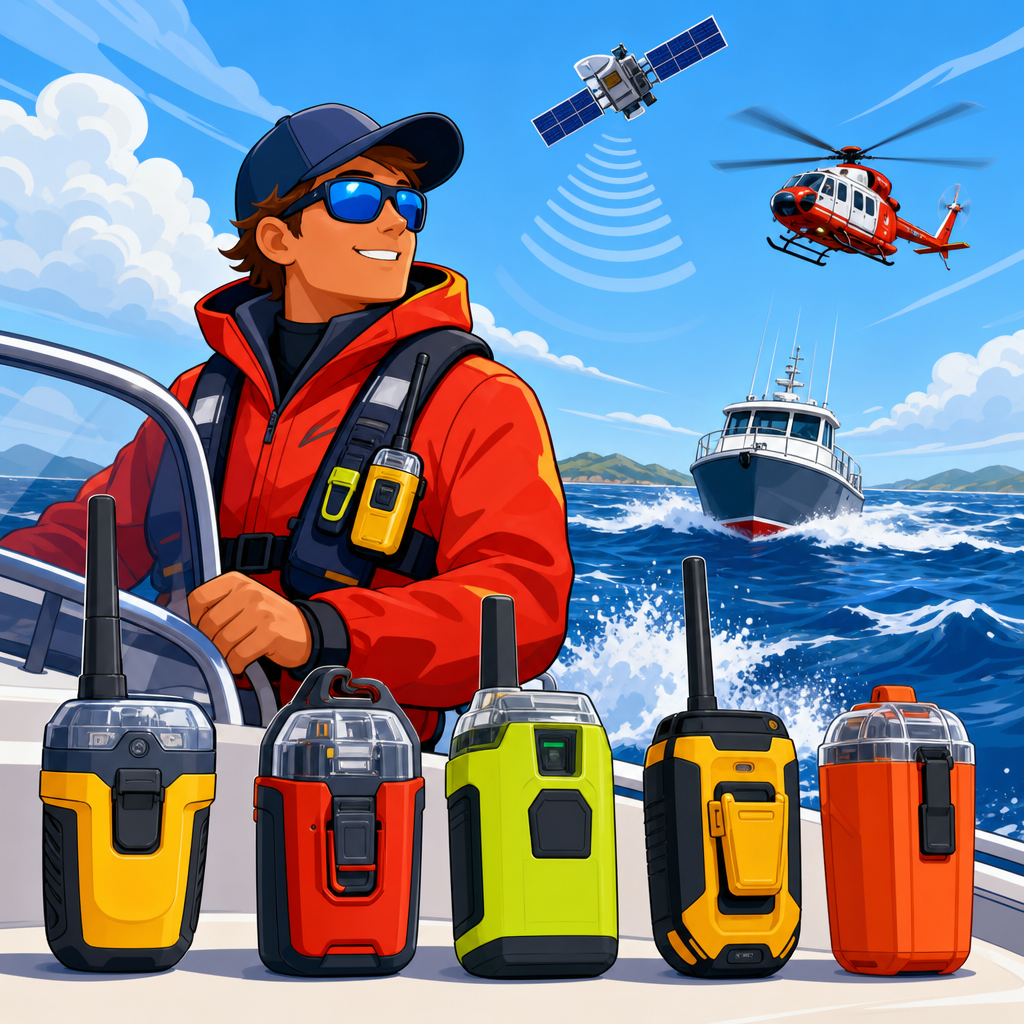
Communication is a core component of successful maritime navigation, emphasizing specific nautical terms for clarity and efficiency. On the water, clear directives are paramount; a misunderstood term might lead to mishaps or emergencies. The VHF radio remains an essential tool for inter-boat communication. Operators should understand terms like “over,” indicating a response is expected, and “out,” signifying the end of a communication. Safety terms like “mayday,” indicating a vessel in grave danger, “pan-pan” for an urgent situation that isn’t immediately life-threatening, and “Securité” for navigational warnings must be known and correctly used. Standard information such as current position, speed, and heading should be conveyed succinctly using proper assets terminology. The use of uniform terms and phrases helps to avoid miscommunication during operations and ensures a safelty. Mastering these communication protocols means more than just operating your vessel effectively; it means ensuring your safety and the well-being of others sharing the waterways.
Conclusion
In summary, mastering navigational terms elevates a boater’s proficiency on the water, making each voyage safer and more enjoyable. These terms form a lexicon that serves as a guide, ensuring swift, accurate communication, weather preparedness, and the effective use of navigational tools. Understanding these terms is crucial for executing marine operations efficiently, guaranteeing accurate route plotting, and fostering cooperation among the maritime community. This knowledge is more than just terminology; it’s the foundation of maritime tradition and safety. For novice boaters, it may seem like a daunting array of jargon, but gradually incorporating these terms into everyday use unlocks more confidence in handling your vessel. Staying informed not only protects your immediate marine environment but links you to the broader boating culture. As technology evolves, so does the ease with which we can navigate, but the need to comprehend and apply these fundamental terms persists. Equipped with this knowledge, you are better poised to explore, adventure, and above all, return safely. As you venture onto the waters, whether for recreation, sport, or transport, let this knowledge guide you and enhance every nautical mile.