Choosing the best types of boat anchors for different water conditions is one of the most practical decisions any skipper makes, because anchoring is never just about stopping a boat; it is about holding power, seabed compatibility, weather margin, rope and chain setup, and safe docking habits when conditions change. In everyday boating conversation, people often use anchor to mean the whole ground tackle system, but professionals separate the anchor itself from rode, chain, shackles, swivels, cleats, chocks, and dock lines. That distinction matters. A well-shaped anchor can still drag if the rode is too short, the chain is undersized, or the shackle pin backs out. After years of rigging small fishing boats, trailerable cruisers, and coastal center consoles, I have seen more failures caused by mismatched systems than by bad anchors alone.
For a hub page on anchors, ropes, and docking essentials, the most useful starting point is a clear definition of terms. Holding power is the amount of resistance an anchor develops before it drags. Scope is the ratio of rode length deployed to the vertical distance from bow chock to seabed; 5:1 is common for fair weather, while 7:1 or more gives better security. Rode refers to the anchor line, often a rope-chain combination. Docking essentials include dock lines, fenders, cleats, chafe gear, snubbers, and proper knots such as the cleat hitch and bowline. Water conditions include bottom composition, depth, current, fetch, tidal swing, and wind shifts. When someone asks what the best boat anchor is, the honest answer is always: best for what bottom, what boat, and what weather window?
This matters because poor anchoring has consequences far beyond inconvenience. A dragging boat can ground, collide, foul propellers, damage seagrass, or create nighttime emergencies when visibility and reaction time are worst. Good anchoring also improves comfort. The right anchor and rode reduce yawing, noise, and shock loads, making overnight stays safer and more restful. For boaters building out their gear under the broader boating gear and equipment category, this topic connects directly to line selection, windlass sizing, dock setup, mooring practices, and routine inspection schedules. A strong anchoring system is not a single purchase; it is a matched package designed for the places you actually boat.
How anchor design matches water conditions
The best types of boat anchors differ because each design solves a different mechanical problem. Fluke anchors, often called Danforth-style anchors, use broad pivoting blades that bury quickly in sand and light mud. They are lightweight for their holding power and common on small recreational boats. Their limitation is equally important: in weeds, rock, or heavy shell bottoms, they may skate without setting. Plow anchors, including the classic CQR pattern and newer hinged or fixed-shank variants, penetrate mixed bottoms reasonably well and reset better during wind shifts than many fluke designs. Claw anchors, modeled after the Bruce style, are forgiving and easy to set, especially on smaller boats, but they generally offer less ultimate holding than modern scoop anchors of similar weight.
Scoop or roll-bar anchors, such as the Rocna, Manson Supreme, and many newer generation designs, have changed what boaters expect from all-around performance. Their geometry forces the tip down, helping fast setting and reliable burial in sand, mud, and many mixed bottoms. In practical use, I have seen these anchors turn a stressful first set into a routine maneuver, particularly when gusts build and boats begin sailing around on the hook. Mushroom anchors are different again. They are mainly used for permanent moorings in soft bottoms, where they sink over time and develop suction. Grapnel anchors are compact and popular for kayaks, dinghies, and temporary use in rocky areas, but they are not the first choice for serious overnight anchoring on larger boats.
Water conditions shape anchor choice more than marketing claims do. Sand usually rewards anchors that can penetrate and bury deeply. Mud demands enough surface area to resist pullout, but soft soupy mud can clog some shapes and reduce effective holding. Weeds create a penetration problem: an anchor must cut through vegetation before reaching firm substrate. Rock and coral rarely allow true burial, so anchoring becomes a matter of hooking crevices, using local knowledge, and often deciding not to anchor at all if environmental damage or poor holding is likely. Current also matters. In tidal rivers and inlets, the load on an anchor can reverse every cycle, so reset performance matters as much as initial set speed. That is why the right answer varies by cruising ground, not just boat length.
Best boat anchors by bottom type and weather exposure
For sand, a fluke anchor remains one of the most efficient options for small to midsize recreational boats, especially where lunch stops and fair-weather anchoring are common. It sets quickly, stores flat, and offers excellent holding for its weight. That said, modern scoop anchors often outperform fluke models when wind increases or the boat swings repeatedly. In soft mud, both fluke and scoop designs can work well, though very soft estuarine mud sometimes favors larger fluke area and longer scope. In firm mud or mixed sand and mud, plow and scoop anchors are dependable choices because they keep digging as load rises. If you boat mostly in bays with predictable bottoms, carrying one primary anchor matched to that substrate plus a lighter backup covers most needs efficiently.
Weedy bottoms are where many weekend boaters discover that anchor labels can be misleading. An anchor that holds beautifully in clean sand may never reach the bottom through eelgrass or lake weed. In these conditions, sharper-tipped plow or scoop anchors usually outperform broad fluke patterns because they are better at slicing through vegetation. The technique matters too: lower the anchor under control, let the boat drift back, then increase reverse power gradually so the anchor can orient and dig instead of tumbling. For rocky bottoms, no anchor is universally ideal. Claw and grapnel designs can snag structure, but retrieval becomes the next challenge. Many experienced skippers rig a tripping line or use a breakaway setup in rough bottom areas, particularly for fishing wrecks or reefs.
Weather exposure changes the recommendation. In protected coves with light overnight forecasts, many anchors will perform adequately if sized correctly and paired with enough scope. In open roadsteads, windy reservoirs, or tidal anchorages with steep chop, design margins matter more. This is where higher-holding modern anchors justify their price. Independent testing published over the years by magazines such as Practical Sailor and by manufacturers using standardized pull methods consistently shows wide differences in holding power among anchor types of similar weight. Numbers vary by bottom and test protocol, but the pattern is stable: newer scoop-style anchors tend to set faster and hold harder across a broader range of conditions. That does not make older designs obsolete; it means the anchorage and forecast should dictate your risk tolerance.
| Water condition | Best anchor types | Why they work | Main limitation |
|---|---|---|---|
| Clean sand | Fluke, scoop | Fast set and deep burial | Fluke resets less reliably in big wind shifts |
| Soft mud | Fluke, scoop | Large surface area develops strong holding | Very soft mud may require extra scope |
| Mixed bottom | Plow, scoop, claw | Good penetration and versatile reset behavior | Claw often needs more weight for equal holding |
| Weeds | Plow, scoop | Sharper geometry cuts through vegetation better | Any anchor may fail if weed mat is dense |
| Rock | Claw, grapnel, local specialty setups | Can hook cracks and structure | Retrieval difficulty and uncertain holding |
Anchor rode, rope, chain, and sizing essentials
An anchor only performs as well as the rode attached to it. For most small and midsize boats, the standard setup is nylon rope spliced to a length of chain. Nylon is preferred because it stretches under load, absorbing shock from wind and chop that would otherwise jerk the anchor free or overload deck hardware. Three-strand nylon remains common because it is economical and easy to splice, while eight-plait nylon stows more compactly and flakes into lockers with less twisting. Chain serves two purposes: it resists abrasion on the bottom and increases the horizontal pull angle at the anchor, which dramatically improves holding. A common mistake is undersized chain chosen only to save bow weight. Weight matters, but so does catenary and chafe resistance.
Sizing should follow the boat manufacturer’s guidance, the anchor maker’s chart, and the reality of your operating area. A 22-foot bay boat anchoring for short periods in calm water has very different needs from a 30-foot cruiser spending nights in tidal creeks. As a baseline, many recreational setups use 6 to 30 feet of chain depending on boat size and depth profile, then enough nylon rode to support at least 7:1 scope in expected anchoring depths. Windlass compatibility is another practical issue often missed on first purchase. Chain must match the gypsy specification exactly by size and calibration, such as BBB, G4, or DIN/ISO metric dimensions. Mismatched chain skips, jams, and creates dangerous foredeck moments when the operator is focused on recovery instead of boat control.
Every connection in the system deserves inspection. Use galvanized or stainless shackles from reputable manufacturers, mouse the pin if appropriate, and check swivel ratings carefully because many attractive polished swivels are weaker than the chain they connect. Add chafe protection where dock lines or snubbers pass through chocks. At the dock, use proper spring lines to control fore-and-aft movement, and size fenders to the boat’s freeboard and berth exposure. These are docking essentials, not accessories. I advise owners to think in systems: primary anchor, backup anchor, primary rode, spare line, dock lines for home berth, transient dock lines, fenders, and hardware maintenance kit. When the wind shifts at 2 a.m., the boater who planned the system sleeps longer than the one who bought only an anchor.
Setting, resetting, and docking with confidence
Even the best boat anchor will underperform if it is set poorly. The process is simple but must be deliberate. Approach the anchoring spot slowly into wind or current, whichever is stronger. Stop the boat, lower the anchor to the bottom rather than throwing it, and begin paying out rode as the boat drifts back. Once the desired scope is nearly out, snub lightly so the anchor can orient and start digging. Then reverse gently to confirm the set, increasing throttle in stages while watching transits on shore or the track on a chartplotter. If the boat continues moving astern, the anchor is dragging. Reset immediately. This controlled method prevents the rode from piling on top of the anchor, one of the most common reasons for failed sets.
Resetting during wind or tide shifts separates adequate anchors from excellent ones. Anchors that roll and reengage quickly reduce the chance of dragging when the boat swings 180 degrees. This is particularly important in tidal estuaries, narrow river anchorages, and crowded overnight spots where boats may not all swing the same way. Technology helps here. Modern multifunction displays can sound anchor drag alarms based on GPS position, and many cruising skippers set a radius that accounts for swing plus a safety margin. Still, electronics do not replace seamanship. Check visual bearings, feel for vibration through the rode, and inspect the forecast before dark. If thunderstorms, frontal shifts, or strong katabatic winds are expected, move early or choose a mooring or marina instead.
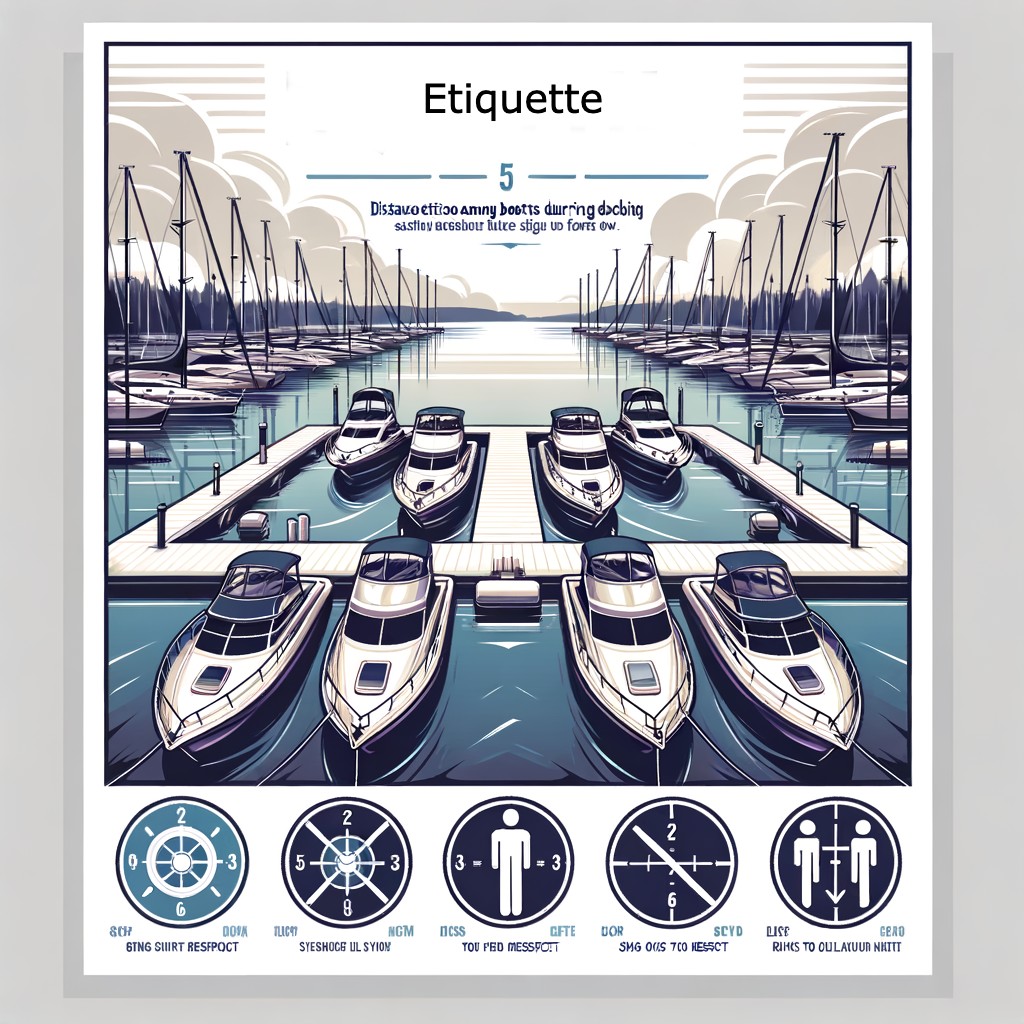
Docking ties directly into anchoring because both depend on understanding load paths, line angles, and chafe. A boat that is properly secured alongside uses bow, stern, and spring lines to limit movement without over-tightening. Nylon dock lines are standard because elasticity reduces shock loading from wakes and tidal movement. Cleats should be backed properly, and lines should lead cleanly without sawing on gelcoat or rail bases. Fenders belong where contact will occur, not where they look tidy from the dock. On boats that alternate between anchoring out and transient slips, keep dedicated dock lines rigged and labeled by length. That small habit saves time under pressure and reduces mistakes when wind, current, and spectators are all working against you.
Building a complete anchoring and docking kit
A complete kit starts with a primary anchor chosen for your most common bottom, then adds redundancy for the exceptions. For many coastal boaters, that means a scoop or plow anchor on the bow roller and a lighter fluke anchor stored as a stern or backup option. Inland anglers who anchor on mud flats and sheltered coves may reverse that priority. Include a marked rode so scope can be deployed accurately; colored thread markers, paint, or commercial depth markers all work if they are maintained. Add a snubber or bridle for larger boats to reduce shock, noise, and wear on the windlass. Keep spare shackles, seizing wire, chafe guard, and a sharp knife accessible. None of this is expensive compared with the cost of one dragging incident.
Maintenance is straightforward and often neglected. Rinse mud and salt from chain and anchor before long storage. Inspect rope for stiffness, glazing, cut strands, and UV damage near the bitter end and at chafe points. Look for galvanizing loss on chain links, distortion on shackles, and bent flukes or roll bars after rough retrievals. At the dock, review line lengths seasonally and replace lines that have gone hard or furry. If your boat carries a windlass, service the gypsy, electrical connections, and circuit protection according to the manual. The best anchor system is the one that works on the day you need it, not the one that looked impressive in a catalog. Audit your setup before the season starts, then practice with it in calm conditions.
The core takeaway is simple: the best types of boat anchors for different water conditions are the anchors that match the bottom, the forecast, and the rest of your ground tackle. No single design dominates every seabed, but some are clearly better generalists, and modern scoop anchors have earned their reputation through faster setting and broad versatility. Fluke anchors remain excellent in sand and mud, plow and claw designs still solve real problems in mixed and rougher bottoms, and rocky areas demand caution more than brand loyalty. Just as important, anchoring cannot be separated from ropes, chain, shackles, dock lines, fenders, and proper technique.
If you are building out your boating gear and equipment, use this hub as the starting point for every decision in anchors, ropes, and docking essentials. Choose one primary anchor for your local waters, size the rode correctly, inspect every connection, and practice setting and resetting before you need to do it in bad weather. Then refine the rest of your system: backup anchor, dock lines, fenders, snubber, and storage plan. A well-matched anchoring kit protects your boat, your crew, and everyone around you. Review your current setup today and upgrade the weak link first.
Frequently Asked Questions
What is the best type of boat anchor for mud, sand, rock, and grassy bottoms?
The best anchor depends heavily on the seabed because anchor performance is really about how well a design can penetrate, set, and stay buried or wedged under load. For sand and mud, plow, scoop, and fluke-style anchors are often the most reliable choices. Scoop anchors are especially popular because they set quickly and develop strong holding power in common recreational boating bottoms. Fluke anchors also perform well in soft mud and sand due to their wide surface area, although they may struggle if the bottom becomes heavily weeded or the wind shifts repeatedly. Plow anchors are versatile and handle mixed bottoms reasonably well, making them a practical all-around option for many skippers.
Rocky bottoms are a different challenge. In rock, an anchor may not bury at all, so the goal is often to hook into cracks or irregularities rather than dig in. Traditional fisherman anchors can work better in these conditions than fluke or scoop models, but they are less efficient in soft bottoms. For grassy or weedy seabeds, anchors that can cut through vegetation and reach firmer material underneath usually outperform designs that skate across the surface. Modern roll-bar or scoop-style anchors often do well here, but thick grass can still reduce holding dramatically. The most dependable approach is to match the anchor to the bottom you use most often, while understanding that no single anchor is perfect everywhere. Experienced boaters often carry more than one anchor type for exactly this reason.
How do I choose the right anchor size for my boat and the conditions I boat in?
Anchor size should never be based on boat length alone. Length is a starting point, but real-world anchor choice should also consider displacement, windage, hull type, and the conditions in which the boat will be anchored. A light center console and a heavy cruising sailboat of the same length may need very different anchor setups because the heavier boat creates more load, while the higher-profile boat may catch more wind. Manufacturers usually publish sizing charts, and those charts are useful, but many experienced skippers intentionally size up if they anchor in exposed areas, strong current, or changing weather.
It is also important to remember that anchor size is only one part of holding power. The complete ground tackle system matters just as much. Chain adds weight low in the system, helps keep the pull on the anchor more horizontal, and improves setting and reset performance. Rode material and diameter matter as well, especially if the boat is anchoring overnight or in rougher conditions. Shackles, swivels, and connection points should be appropriately rated and properly seized where needed. In practice, the right anchor is one that is large enough for the boat, suited to the bottom, and paired with enough chain and rode to maintain a low pulling angle. If there is any doubt, it is generally safer to choose the more conservative setup rather than the minimum recommended size.
Why do some anchors drag even when they seem properly set?
Anchor dragging usually happens because one part of the anchoring system or technique is not matching the conditions. Sometimes the anchor never fully sets in the first place. It may land upside down, skate across hard-packed bottom, foul in weeds, or fail to bury deeply enough before the boat is loaded by wind or current. In other cases, the anchor may set initially but lose grip when the direction of pull changes, especially during tidal reversal or a wind shift. Certain anchor designs reset more reliably than others, which is one reason modern anchor geometry has become so important for cruisers and serious recreational boaters.
Scope is another major factor. If there is not enough rode deployed, the anchor can be pulled upward instead of along the bottom, which weakens its grip dramatically. Bottom composition matters too. Soft mud may require different expectations than compact sand, while rock and grass can be notoriously inconsistent. Dragging can also be caused by undersized chain, poor shackles, worn hardware, or an anchor that is simply too small for the load. Good technique helps prevent all of this: lower the anchor in a controlled way, let the boat drift back naturally, pay out appropriate scope, then gradually apply reverse power to confirm the set. Once anchored, use landmarks, electronics, or anchor alarms to verify the boat is staying put. A properly chosen anchor with correct setup and careful technique greatly reduces dragging, but vigilance is always part of safe anchoring.
How much chain and rode should I use with a boat anchor?
The amount of chain and rode you need depends on water depth, weather, bottom type, and the size of your boat. The key concept is scope, which is the ratio of deployed rode length to the vertical distance from the bow chock to the seabed. In calm conditions, some boaters may use a lower scope ratio, but in general, more scope provides better holding because it keeps the pull on the anchor low and horizontal. A common baseline for mixed recreational use is around 5:1 to 7:1, with more used for stronger wind, current, or overnight anchoring. In difficult conditions, experienced skippers may go well beyond that if swinging room allows.
Chain plays a critical role because it adds catenary and helps the anchor stay engaged with the bottom. An all-chain rode is common on larger cruising boats and offers excellent abrasion resistance and anchor control, especially with a windlass. Rope-and-chain combinations are common on smaller boats because they reduce weight and are easier to handle manually. The chain section should be long enough to help the anchor set well and resist chafe near the seabed, while the rope portion should be marine-grade and properly sized for strength and shock absorption. Hardware matters too: shackles must match chain size and load ratings, connections should be secure, and chafe protection should be used where needed. There is no universal number that fits every boat, but the right setup is one that provides enough scope for the conditions and enough chain to support reliable setting, holding, and abrasion resistance.
Is one anchor enough, or should I carry multiple anchor types on board?
For many boaters, one primary anchor may be enough for routine use, but carrying multiple anchors is often the smarter and safer strategy. Different water conditions and bottom types can expose the limitations of any single anchor design. A primary anchor is usually chosen for the seabed and weather conditions you encounter most often, with an emphasis on reliable setting and strong holding. However, a secondary anchor can be invaluable if you move into a different region, anchor over a more difficult bottom, or need a backup because the primary anchor is damaged, fouled, or simply not performing well.
There are also practical seamanship reasons to carry more than one anchor. A second anchor can be used for stern anchoring, limiting swing in tight anchorages, kedging off if the boat runs aground, or improving stability in shifting wind and current. In emergencies, having a spare anchor and rode can make a major difference. Many experienced skippers keep one dependable general-purpose anchor on the bow and a second design stowed aboard for specific conditions such as rocks, weeds, or soft mud. The best approach is to think of anchoring as a complete system rather than a single piece of gear. Safe docking and anchoring habits depend on preparation, and part of that preparation is having options when conditions change faster than expected.