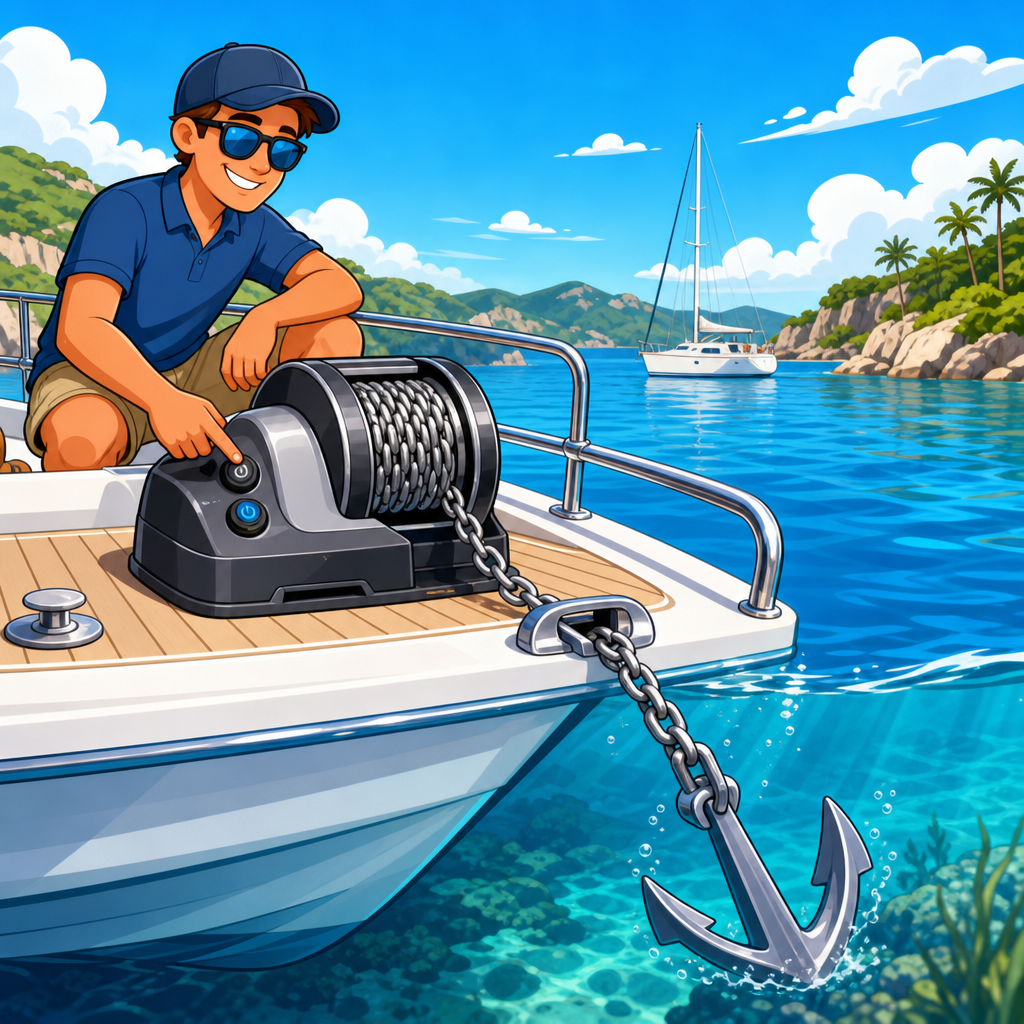
Electric anchor winches turn one of boating’s most tiring jobs into a controlled, repeatable process, and for many owners they are the upgrade that most directly improves safety, comfort, and confidence on the water. In the broad world of boating gear and equipment, the cluster that matters most when you are stopping, holding position, rafting up, or securing overnight is anchors, ropes, and docking essentials. This hub article explains that entire system while focusing on the best electric anchor winches for effortless anchoring, because the winch sits at the center of how anchor, rode, chain, cleats, and docking hardware work together.
An electric anchor winch is a powered device that lowers and retrieves an anchor by pulling rope, chain, or a rope-chain combination called rode. Smaller freshwater boats often use compact drum or deck-mounted units, while cruisers and larger center consoles may use horizontal or vertical windlasses with dedicated gypsies sized for calibrated chain. The goal is not simply convenience. A good setup reduces back strain, shortens retrieval time, improves anchoring accuracy in wind or current, and lowers the risk of someone leaning dangerously over the bow. After installing and troubleshooting these systems on fishing boats, pontoons, and coastal cabin boats, I have seen the difference immediately: crews anchor more often, reset faster, and make fewer rushed decisions.
Choosing the right electric anchor winch means understanding the whole anchoring and docking package. The anchor itself must match bottom conditions such as mud, sand, rock, or grass. Rode length must support the right scope, typically five-to-one to seven-to-one in settled conditions and more in stronger weather. Chain adds weight and abrasion resistance near the seabed, helping the anchor set at a lower pull angle. Dock lines, fenders, cleats, chocks, and snubbers matter too, because the same skipper who wants easier anchoring usually also needs a more reliable system for mooring and docking. This article covers the leading winch types, how to size them, what features matter, where they fit in a broader anchor-and-rope setup, and the practical mistakes that cause most failures.
What makes an electric anchor winch the best choice
The best electric anchor winch is the one that fits the boat’s length, displacement, bow layout, anchor style, and the way the boat is actually used. On a 16- to 24-foot freshwater fishing boat, a Minn Kota Deckhand 40 or similar compact electric anchor winch is popular because it stores line on a spool, includes straightforward controls, and works well for repeated anchoring on lakes and rivers. On larger boats, brands such as Lewmar, Maxwell, Lofrans, and Quick dominate because they build marine windlasses designed for rope-chain rodes, higher loads, and regular saltwater use. These systems use stronger motors, sealed gearboxes, and chain wheels engineered around specific chain standards such as G4 high-test or DIN and ISO calibrated sizes.
Three traits separate a strong product from a frustrating one. First is holding and retrieval performance under load. Manufacturers usually publish maximum pull and working load; the working figure matters more because it reflects normal use rather than a brief peak. Second is control. Helm remotes, foot switches, wireless remotes, and circuit protection all contribute to safer operation. Third is compatibility. A winch that does not match rope diameter, chain pitch, anchor weight, or available locker depth will jam, free-fall poorly, or stack rode badly. The most expensive unit is not automatically best. A properly matched midrange model outperforms an oversized or incompatible premium model almost every time.
Durability depends heavily on materials and sealing. Marine-grade stainless steel, anodized aluminum, UV-stable housings, and protected electrics are worth paying for, especially in saltwater. Motor position also matters. Vertical windlasses usually place the motor below deck, improving deck clearance and often increasing wrap around the gypsy, while horizontal models keep more components above deck and can be easier to service in tight lockers. Neither type is universally superior. The best choice depends on installation space, locker geometry, maintenance access, and whether the rode will self-stow cleanly without piling under the hawse pipe.
Top electric anchor winches by boat type and use case
For small boats and casual anchoring, compact electric anchor winches remain the easiest path to effortless operation. The Minn Kota Deckhand series is a familiar example because it combines anchor deployment, retrieval, and line storage in one package and is simple to retrofit on bows with limited space. Pontoon owners like this format because it avoids a separate anchor locker and keeps operation intuitive. The tradeoff is capacity. These units suit lighter anchors and shorter line lengths; they are not replacements for offshore-capable windlasses handling heavy all-chain rodes.
For trailerable center consoles, dual consoles, and small cruisers, a horizontal windlass from Lewmar or Quick often hits the best balance. Models such as the Lewmar V700 and V1000 are common references because they are compact, support rope-chain combinations, and fit boats in the 20- to low-30-foot range depending on displacement and ground tackle. In practice, they work well for owners anchoring on sandbars, nearshore reefs, or overnight coves, provided chain and rope match the gypsy exactly. A mismatch as small as the wrong chain calibration can cause skipping and premature wear.
For heavier cruising boats, houseboats, and vessels that anchor frequently overnight, Maxwell and Lofrans are often favored for stronger duty cycles, robust gear trains, and broad support for larger rodes. On a 34-foot express cruiser, for example, upgrading from an undersized legacy windlass to a properly sized Maxwell with a modern breaker and deck switches can cut retrieval time noticeably and reduce voltage drop-related stalling. That matters when current is running and the helmsman needs predictable anchor recovery while maneuvering. Commercial-grade expectations are unrealistic on every recreational boat, but consistent operation under repeated load is what separates premium systems from occasional-use hardware.
| Boat type | Common winch style | Typical rode | Best fit example | Main tradeoff |
|---|---|---|---|---|
| Freshwater fishing boat | Compact drum or spool winch | All-rope | Minn Kota Deckhand class | Limited anchor weight and line capacity |
| Pontoon or deck boat | Deck-mounted electric winch | All-rope | Simple bow retrofit systems | Not ideal for rough saltwater duty |
| Center console 22–30 ft | Horizontal windlass | Rope-chain combination | Lewmar V700 or similar | Needs exact chain and locker fit |
| Express cruiser or pilothouse | Vertical windlass | Rope-chain or all-chain | Maxwell, Quick, Lofrans classes | More complex installation below deck |
How to size anchors, rode, and chain for reliable holding
Winch performance starts with correct anchor and rode selection. Boat length is only a rough guide; displacement, windage, and intended conditions matter more. A light 24-foot bay boat and a heavy 24-foot cruiser should not automatically share the same anchor. Common anchor designs include fluke anchors for sand and mud, plow or scoop anchors for varied bottoms, and claw anchors for general-purpose use. Modern scoop designs such as Rocna, Mantus, and Ultra have built strong reputations for fast setting, but the best anchor is still the one that suits the bottom and fits the bow roller securely.
Rode configuration affects both holding power and how well the winch operates. Rope-chain combinations are common because nylon rope offers elasticity while chain resists abrasion and helps maintain a low pull angle at the anchor. Three-strand nylon remains widespread, though many windlasses also support eight-plait rode, which flakes more compactly in shallow lockers. Scope remains fundamental: in normal conditions, a minimum of five times the water depth plus bow height is a practical baseline, while seven-to-one gives a stronger safety margin. In crowded anchorages or changing tides, skippers may compromise, but that decision should be deliberate rather than casual.
Chain is one of the most misunderstood variables. It must be calibrated to the gypsy, not just approximately similar in size. BBB, proof coil, and G4 chain are not interchangeable across every windlass. Standards differ between North American and European chain, and the wrong pitch causes slippage or jamming. If an owner says a windlass “eats chain,” I usually check specification mismatch before blaming the motor. The locker also needs enough fall distance so rode can self-stow. As a rule, manufacturers often call for at least 12 inches and sometimes much more, depending on rope type and volume.
Installation, wiring, and control features that matter
A well-installed electric anchor winch feels effortless. A poor installation feels weak, noisy, and unreliable, even with a quality unit. Start with structure. The mounting area must be reinforced to handle the working load plus dynamic shock when the boat pitches. Backing plates, sealant, and correct fasteners are essential, especially on cored decks where water intrusion can create long-term damage. Bow roller alignment must allow the rode to lead cleanly onto the gypsy without side loading. If the anchor does not self-launch or self-seat securely, daily use becomes awkward and unsafe.
Electrical design matters just as much as mechanical fit. Winches draw significant current, so cable gauge must be sized for amperage and run length to control voltage drop. ABYC guidance is the benchmark many installers follow, and it exists for good reason: undersized conductors make motors run hot and weak. A dedicated breaker or fuse near the battery is mandatory. Solenoids or contactors should be mounted where they stay dry and remain serviceable. On larger boats, placing the house bank closer to the bow or using proper distribution can dramatically improve retrieval performance compared with long, undersized factory runs.
Control options are not just convenience features. Foot switches free both hands at the bow, helm remotes let the operator coordinate boat position and retrieval, and wireless remotes help singlehanded skippers. The best systems include a manual recovery option for power failure, a secure chain stopper or cleat to take load off the gearbox, and overload protection to prevent damage. One important rule is often ignored: the windlass should retrieve and deploy rode, not hold the boat at anchor through every surge. Secure the load to a cleat, bridle, or snubber whenever practical. That single habit extends motor, gearbox, and gypsy life substantially.
Docking essentials and rope management that complete the system
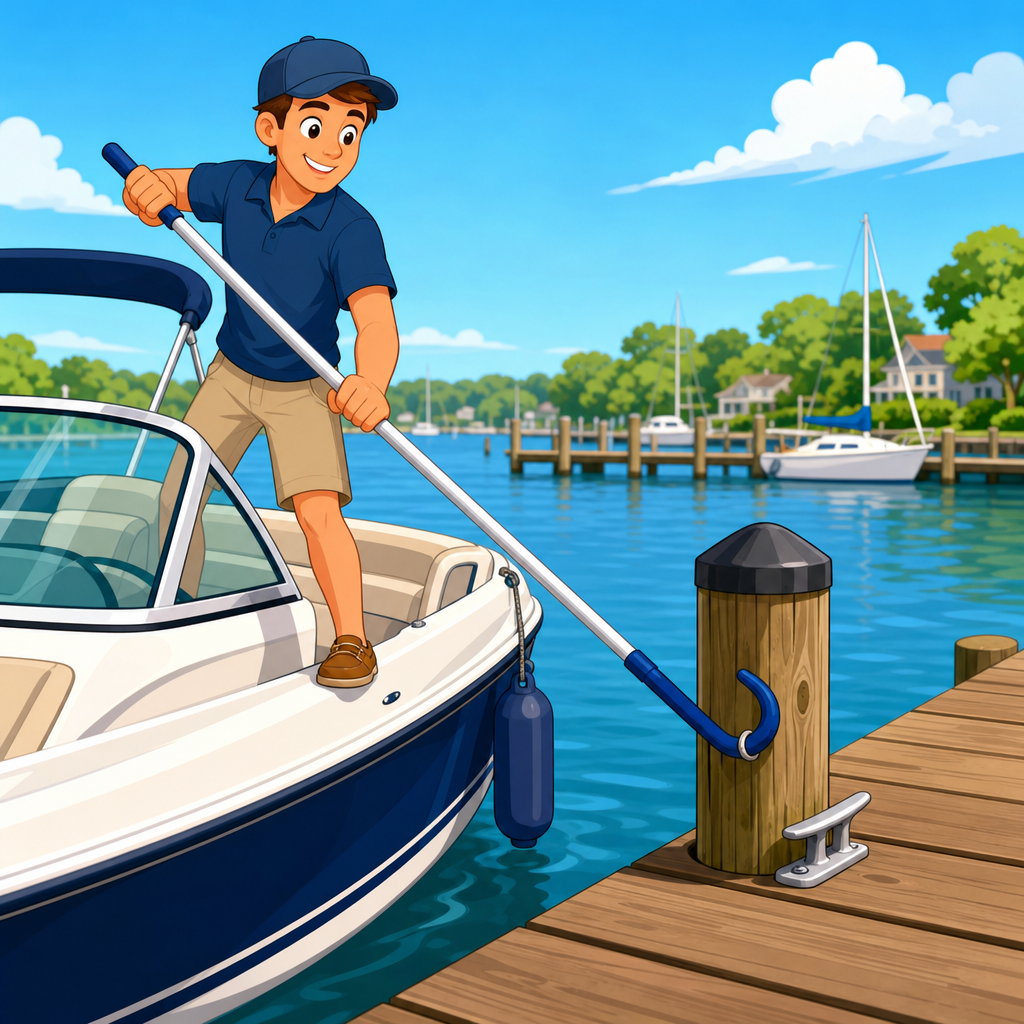
An anchor winch solves only part of boat control. The larger hub for anchors, ropes, and docking essentials includes dock lines, fenders, shackles, swivels, chain hooks, cleats, chafe gear, and storage methods that keep gear ready instead of tangled. Nylon remains the standard for dock lines because of its stretch and shock absorption, while double-braid line is favored for handling and durability. Common docking configurations include bow, stern, and spring lines, with line diameter selected by boat size and cleat strength rather than guesswork. Oversized lines can be stiff and hard to manage; undersized lines chafe faster and provide less safety margin.
Fenders should be positioned for the dock structure and freeboard, not hung randomly. Cylindrical fenders suit slips and pilings, while round fenders are useful for rafting and certain contact points. Chafe protection matters wherever a line crosses a rough chock, hawsehole, or piling. In tidal areas, line length and attachment geometry should account for height changes so the boat can rise and fall without hanging up. These are basic seamanship points, but they directly affect whether your expensive anchoring hardware reduces workload or simply shifts trouble to docking.
Storage and inspection discipline save money. Rodes should be rinsed after muddy or salty use, shackles should be moused or secured correctly, galvanized chain should be inspected for wear and corrosion, and line should be checked for glazing, flattening, or cut strands. I recommend owners mark anchor rode in clear intervals using color-coded markers or stitched indicators so scope can be deployed accurately without guessing. That simple system improves holding more than many hardware upgrades because it turns anchoring from approximate to measurable.
Maintenance, common failures, and buying advice
Most electric anchor winch failures come from neglect, mismatch, or unrealistic expectations rather than catastrophic defects. The recurring problems are low voltage, corroded terminals, seized solenoids, dirty gypsies, incorrect rope-chain combinations, and overloaded retrieval when the boat is not driven gently toward the anchor. Maintenance is straightforward: rinse salt, inspect electrical connections, grease where the manufacturer specifies, service gearboxes on schedule, and test controls before a trip. If retrieval slows, check battery state and voltage at the motor under load before replacing major parts. Electrical diagnosis solves many “bad motor” complaints.
When shopping, prioritize fit and support over marketing language. Ask five direct questions: What is the unit’s working load, not just maximum pull? Which exact rope and chain sizes are approved? What deck thickness and locker fall are required? Is manual recovery available? Where are replacement parts and service accessible? Trusted marine retailers and installers can answer these clearly. If they cannot, move on. A reputable brand with documented specifications and local parts availability is almost always the better long-term buy than a cheaper generic unit with vague ratings.
The main benefit of the best electric anchor winches is not laziness; it is control. Paired with the right anchor, properly matched rode, sound wiring, and disciplined docking practices, a good system makes anchoring safer, faster, and more consistent in real conditions. Build your setup as a complete package, not a single gadget purchase. Review your boat’s anchor, chain, rope, cleats, and dock lines together, then choose the winch that fits that reality. If you want a more capable boat in everyday use, start with the gear that holds it exactly where you intend.
Frequently Asked Questions
What are the main benefits of using an electric anchor winch instead of anchoring by hand?
An electric anchor winch makes anchoring faster, safer, and much more consistent than hauling an anchor and rode by hand. The biggest advantage is controlled deployment and retrieval. Instead of pulling up wet, heavy line and anchor weight manually, you can raise and lower the system with the push of a button, which reduces physical strain and helps prevent fatigue, especially after a long day on the water. That matters even more for larger boats, deeper anchorages, heavier anchor setups, or boaters who anchor frequently.
Safety is another major benefit. A properly installed electric anchor winch allows the operator to manage anchoring with better control and less rushing. That can reduce the chance of back strain, rope burns, hand injuries, and unstable movement on the bow in rough conditions. It also improves repeatability. Because the winch can deploy and retrieve anchor rode in a more predictable way, it becomes easier to follow a consistent anchoring routine, set the anchor properly, and react quickly when conditions change.
Electric anchor winches also improve confidence. For many boat owners, anchoring manually can feel like one of the most stressful parts of boating, especially in current, wind, crowded coves, or unfamiliar bottoms. A winch helps simplify that process, making it easier to focus on anchor placement, scope, boat position, and surrounding traffic rather than on the physical effort alone. In practical terms, that means more comfortable day stops, easier overnight stays, and a smoother overall boating experience. For many owners, it is one of the most useful upgrades in the broader system of anchors, ropes, and docking essentials.
How do I choose the best electric anchor winch for my boat?
The best electric anchor winch for your boat depends on matching the unit to your boat size, anchor weight, rode type, and the way you actually use your boat. Start with the manufacturer’s recommendations for boat length, displacement, and maximum anchor and rode capacity. A winch that is too small may struggle under load, wear prematurely, or retrieve too slowly. A properly sized model should be able to handle your full anchoring setup with a comfortable performance margin, not just the bare minimum.
Next, look closely at your anchor system. Some electric anchor winches are designed primarily for rope, while others are built to manage a combination of rope and chain. That distinction matters because many effective anchoring setups rely on both line and chain for better holding and shock absorption. If your boat anchors in varying depths or changing bottom conditions, make sure the winch is compatible with your intended rode length and diameter. Also confirm that the unit works with the anchor style you use, whether that is a fluke, plow, claw, or another design.
Installation layout is equally important. Bow space, locker depth, deck structure, and electrical routing all affect which winch will fit and perform well. You should also compare motor power, retrieval speed, corrosion resistance, manual override options, and switch or remote-control features. For saltwater use, marine-grade construction and excellent sealing are essential. The best electric anchor winches balance raw pulling ability with dependable operation, clean rope management, and durability in wet, harsh environments. In short, the right choice is not simply the most powerful model available, but the one that integrates properly with your boat’s entire anchoring and docking system.
Are electric anchor winches reliable enough for overnight anchoring and frequent use?
Yes, high-quality electric anchor winches are generally reliable enough for overnight anchoring and regular use, provided they are correctly sized, properly installed, and maintained on schedule. Reliability starts with build quality. Well-made marine winches use corrosion-resistant materials, sealed electrical components, strong gear systems, and motors designed for repetitive operation in wet conditions. When those fundamentals are in place, an electric winch can become a dependable part of your anchoring routine rather than a convenience accessory.
That said, reliability is about the full system, not just the motorized unit itself. Your anchor, chain, rope, bow roller, wiring, battery capacity, breaker protection, and deck mounting all need to work together. A winch cannot compensate for undersized wiring, weak battery voltage, an anchor that does not match the bottom conditions, or poor rode management in the anchor locker. For overnight anchoring in particular, remember that the winch is primarily for deploying and retrieving the anchor. Your security at anchor still depends on proper anchor selection, adequate scope, correct setting technique, and monitoring weather and swing room.
For frequent users, maintenance is the key to long-term dependability. Rinse salt and debris off the unit, inspect electrical connections, check for wear on rope and chain, and follow the service intervals recommended by the manufacturer. Many experienced boaters also prefer having a manual release or emergency retrieval option in case of electrical failure. When treated as part of a well-designed anchoring system rather than a standalone gadget, a quality electric anchor winch is absolutely capable of supporting regular anchoring, weekend cruising, and overnight stays with confidence.
What installation and power considerations should I know before buying an electric anchor winch?
Before buying an electric anchor winch, it is important to think through both mechanical installation and electrical power requirements. On the installation side, the bow area must have enough room for the winch body, anchor roller path, and proper line or chain feed into the anchor locker. The rode needs to fall cleanly without piling up in a way that jams retrieval. Deck strength matters too, because the mounting surface must handle the operational loads created during deployment and retrieval. If the deck or mounting area is not adequately reinforced, even a good winch may perform poorly or develop problems over time.
Electrical planning is just as important. Electric anchor winches draw meaningful current, especially under load, so you need the correct voltage, wire gauge, circuit protection, and battery support. Long cable runs to the bow can create voltage drop if the wiring is undersized, which can reduce motor efficiency and increase strain on the system. That is why marine-rated wiring, sealed connections, proper breakers or fuses, and careful routing are essential. Many installation issues blamed on the winch itself are actually electrical supply problems.
You should also think about control options and user workflow. Some boaters want a simple deck switch at the bow, while others prefer helm controls, foot switches, or wireless remotes for better visibility and convenience during anchoring. In many cases, professional installation is a smart choice because it ensures proper alignment, safe wiring, and compliance with marine electrical best practices. A well-installed electric anchor winch feels smooth, responsive, and predictable. A poorly installed one can create frustration, unnecessary wear, and avoidable safety issues. Planning ahead before purchase saves time, money, and disappointment.
How can I get the best performance and longest life from an electric anchor winch?
To get the best performance and longest service life from an electric anchor winch, focus on correct use, routine inspection, and preventive maintenance. Start with good anchoring habits. Avoid using the winch to pull the entire boat toward the anchor under heavy load whenever possible. Instead, use the boat to move gradually over the anchor as you retrieve rode. This reduces stress on the motor, gearbox, and mounting hardware. Similarly, deploy the anchor in a controlled way rather than free-falling carelessly if the manufacturer advises against it. Smooth operation is easier on the equipment and improves consistency.
Regular cleaning is essential, especially in saltwater environments. Rinse the winch, anchor, roller, and visible rode components with fresh water after use to remove salt crystals, sand, and debris. Inspect the rope for chafe, stiff spots, flattening, or fraying, and check chain for corrosion or worn links. Look at electrical terminals for corrosion, make sure mounting bolts remain tight, and verify that switches and remotes respond properly. If the winch starts sounding different, retrieving slower, or feeding line unevenly, address the issue early before it becomes a larger failure.
It also helps to maintain the entire anchoring system as one package. Store the rode neatly, use an anchor sized for your boat and bottom conditions, and make sure the anchor locker drains well and allows proper line fall. Follow the manufacturer’s lubrication and service guidelines, and replace worn parts before they fail. Finally, practice using the system in calm conditions so that anchoring becomes routine rather than reactive. The best electric anchor winches are built to make anchoring effortless, but they deliver the most value when they are supported by smart operation and consistent care.