Setting out on a boating trip is a thrilling adventure that offers an exhilarating mix of relaxation, exploration, and water-based fun. Whether you are a seasoned sailor or a novice looking to experience the joys of boating, preparing adequately for your voyage is essential to ensuring a safe and enjoyable outing. Besides the breathtaking scenery and liberating sense of freedom that comes with being out on the open water, it’s crucial to prioritize safety. Thorough preparation not only enhances your experience but also protects you, your passengers, and your vessel from potential hazards.
Boating safety involves several key elements, ranging from understanding maritime laws to being well-equipped with the necessary safety gear. Before setting sail, you must consider various factors such as weather conditions, the state of your boat, and the route you plan to take. The importance of a well-thought-out plan cannot be overstressed, as it minimizes risks and equips you to handle unexpected situations effectively. Preparation for a boating trip should encompass safety measures, navigation strategies, emergency readiness, and adherence to environmental protocols to ensure both personal and ecological safety.
This comprehensive guide outlines the crucial steps you need to take to prepare for a safe boating trip. It covers everything from safety equipment checks and route planning to understanding weather implications and engaging in proper boating etiquette. As we delve into the details of creating a safe boating environment, remember that the success of your journey hinges on your commitment to being well-prepared. The subsequent sections will systematically cover how to ensure all aspects of your trip are optimized for safety and enjoyment. With these preparations in place, you can navigate the waters with confidence and make the most of your boating experience. Let’s embark on this journey towards boating safety, ensuring peace of mind as you explore the vast and beautiful waterways.
Pre-Trip Safety Equipment Check
The first crucial step in preparing for a safe boating trip is performing a thorough safety equipment check. Before you even consider leaving the dock, ensure that all your safety gear is in optimal condition. Start with life jackets – these should be readily available and in a serviceable state for every person on board. It’s essential that they fit properly and are appropriate for each passenger’s age and weight. Be reminded that life jackets are not optional, as they are crucial for safety in emergencies where someone ends up overboard.
Next, inspect your boat’s fire extinguisher to ensure it is the correct type for marine use and check if it is fully charged and easily accessible. Fire hazards on boats are particularly dangerous due to the confined space, making a reliable fire extinguisher a must-have. Additionally, flares and signaling devices should be checked for validity and functionality. These are vital for alerting nearby vessels or rescue teams in case of an emergency.
Don’t forget to verify the condition of your boat’s sound signal devices, including air horns and whistles. In low-visibility situations like fog or storm, these devices are essential communication tools. A well-stocked first aid kit should also be a staple in your pre-trip checklist, as minor injuries require prompt care on the water. Ensure that your kit contains bandages, antiseptics, and emergency medications that cater to any specific needs of your crew.
Lastly, make certain that all navigation lights are operational, especially if you plan to sail during dusk or night-time. Being visible is essential for avoiding collisions in low-light conditions. Always conduct these checks systematically, as skipping any one of them could lead to critical issues during your trip. A meticulous pre-trip safety equipment check sets the foundation for a secure and relaxed boating adventure.
Route Planning and Navigation
Once your safety equipment is verified, proceed to the critical task of route planning. An optimal boating route should account for the skill levels of those aboard, the size of your boat, and the local maritime regulations. Utilize nautical charts or GPS systems to map out your course, taking note of locations with shallower depths, potential reefs, and other navigational hazards.
Be sure to plot your path according to the prevailing weather conditions, giving consideration to forecasted winds and currents. Choosing an appropriate route is particularly vital for saving time and fuel while reducing the likelihood of untoward incidents. It also aids in ensuring you don’t stray into protected or restricted maritime areas, which might require adherence to specific environmental protocols or permits to navigate through.
While planning your route, identify safe harbors or alternative docking locations in case of emergencies or unanticipated weather changes. Knowledge of nearby rest stops along your route is valuable for making unplanned halts if necessary. Communication is also a key aspect of route planning; inform someone onshore about your intended route and expected timeline to relay information for help if things go awry.
Utilizing a detailed navigation app or tool enables real-time adjustments while en route, accommodating any deviations as required by the conditions or unforeseen obstacles. Updates for such technologies often include tide tables, weather forecasts, and alerts regarding maritime advisories. Keep this equipment easily accessible and make sure it’s updated to rely on accurate navigational data.
Understanding Weather Implications
Weather conditions profoundly impact the safety and success of your boating trip, making it imperative to understand their implications. Always check weather forecasts before your journey and remain cognizant of changes, as maritime weather can shift rapidly. Reliable weather forecasting will inform you about wind patterns, storms, and temperature changes that could influence your trip.
Cloud formations, wind direction, and wave heights are visual indicators that should never be ignored. Darkening skies, increasing winds, or sudden temperature drops could signal incoming storms, demanding an immediate plan of action to either head back to shore or find a safe anchorage.
Having a marine VHF radio onboard with functioning channels allows you to remain connected with coastguards or other vessels, providing an avenue to receive live weather updates. Familiarizing yourself with weather terminologies like “Small Craft Advisory” or “Gale Warning” enhances your ability to make informed navigational decisions related to safety.
On longer trips, anticipate variations in weather by charting alternative courses and packing supplies for prolonged bivouacs if adverse weather conditions prevent safe travel. Proper preparation includes equipping your vessel with rain and waterproof gear to safeguard electronics and sensitive materials, plus ensuring your boat’s drainage systems are clear and functional.
Ultimately, comprehending how weather dynamics impact your boat’s performance allows you to avert emergencies and contributes substantially to a safe boating expedition.
Passenger Briefing and Coordination
Ensuring that everyone on board is informed and prepared is paramount to safety. Start your trip with a detailed passenger briefing, covering basic safety instructions and emergency protocols. Educate your crew about the location and use of safety equipment, including their designated life jackets and how to deploy the fire extinguisher should the need arise.
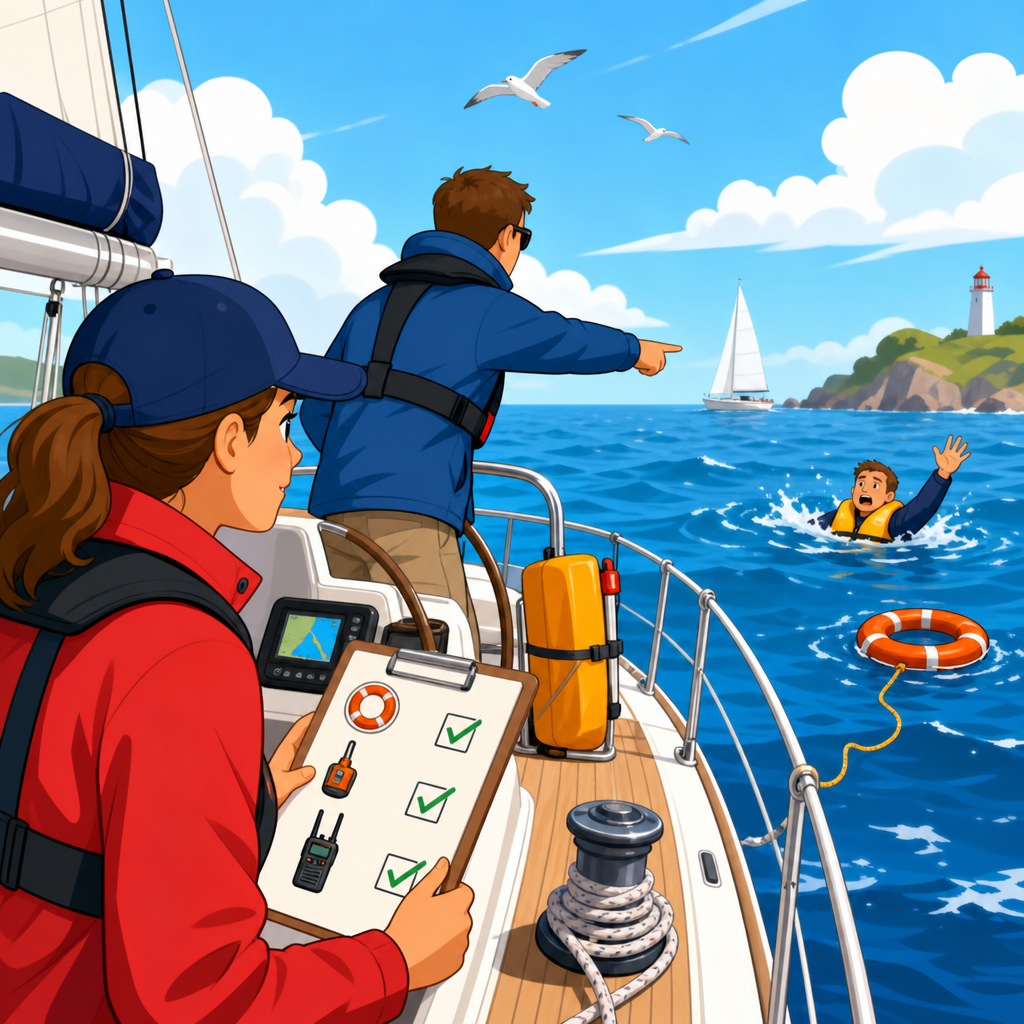
Assign roles based on skills and experience to enhance coordination; ensuring at least one other person on board can operate the boat increases safety redundancy. Before departure, engage your passengers in a quick drill, such as a man-overboard scenario, to practice responses to common emergencies.
Open communication and participation from all members foster a sense of shared responsibility. Encouraging questions during the briefing ensures everyone is comfortable and informed, reducing panic potential in real-time emergency situations.
Moreover, manage expectations concerning weather, sailing hours, planned activities, meal arrangements, and restroom protocols. This clarity promotes cooperation and contributes to a group-centered approach to safety. Implementing a passenger coordination system enhances readiness in handling any issues promptly and effectively, ensuring a protected boating experience.
Emergency Preparedness
Effective emergency preparedness is non-negotiable for a safe boating trip. Understand the types of emergencies you might encounter and develop strategies to handle them. Learn procedures for medical emergencies, mechanical failures, and distress signals.
Equipping your boat with tools such as an emergency locator beacon ensures your location can be pinpointed promptly by rescue services in critical situations. Familiarize yourself with distress call procedures, including how to appropriately use the VHF radio to send an SOS signal.
Keep extra provisions like non-perishable food supplies and a sufficient water reserve in case of breakdowns or extended delays. Map out specific action plans for various scenarios to streamline your crew’s response efforts in real-time emergency situations.
Training sessions on CPR and basic first aid provide additional layers of preparedness, allowing you to manage medical scenarios until professional assistance arrives. Moreover, establish a comprehensive checklist that encompasses all possible emergency needs, ensuring your boat is consistently rescue-ready.
Environmental Responsibility
Proactive environmental stewardship is key to maintaining ecological balance on water bodies. Adopting eco-friendly boating practices safeguards the natural environment and promotes sustainable interactions with aquatic ecosystems.
Ensure your boat has appropriate waste disposal systems. Use pumps with specialized filters to avoid contaminants from bilge discharges entering the water. Avoid discharging sewage overboard, focusing on retaining or treating waste sustainably.
Always maintain a safe speed and adhere to no-wake zones to prevent disturbing local aquatic life. Practicing responsible anchoring minimizes disturbances to delicate seabeds and coral structures, thus preserving native habitats.
Responsible use of fuels and engines reduces pollution, enhancing water purity and biodiversity. Educate your crew on minimizing plastic use and emphasize the importance of securing all litter to avoid marine pollution.
Adopting a proactive disposition towards environmental responsibility prioritizes cleaner waters and promotes longevity for recreational boating experiences.
Conclusion
Preparing for a safe boating trip involves an amalgamation of meticulous planning, preventive measures, and informed decision-making. As we’ve explored, ensuring the readiness of safety equipment, understanding navigational intricacies, respecting weather developments, and promoting coordinated passenger efforts are foundational elements to successful boating safety. Emphasizing emergency preparedness and environmental stewardship further enriches the safety and sustainability of your aquatic venture.
Embarking on a water-based journey with these comprehensive preparations instills confidence and peace of mind. The responsibility for safety is a collective mandate that enhances the experience for everyone on board, fostering enjoyment while mitigating risks. As you set sail, remember that diligent preparation not only yields memorable experiences but also respects the natural majesty of the waterways we cherish.
Maintaining awareness and prioritizing safety equates to responsible boating practices that contribute to a positive, enjoyable, and sustainable outdoor experience. May your voyages be filled with adventure and safety, just as the open waters promise freedom and exploration.