Boating is an adventurous and pleasurable pastime that brings us closer to nature and offers a serene escape from our busy lives. However, while indulging in this leisure activity, it is important to remember that boats have a significant environmental impact. They contribute to water pollution, air pollution, and greenhouse gas emissions. As awareness about environmental sustainability grows, boat owners and enthusiasts are increasingly looking for ways to reduce their carbon footprint to protect the aquatic ecosystems they cherish. This article will delve into numerous practical strategies to minimize your boat’s ecological impact, making conscientious boating both an accessible and achievable goal. Ensuring that your boat operates in an environmentally friendly manner not only helps preserve the beauty and biodiversity of natural landscapes but also ensures that this rewarding activity can be enjoyed by future generations.
Reducing the carbon footprint of boats involves an understanding of various factors, including fuel consumption, engine efficiency, waste management, and even lifestyle choices. Implementing a combination of measures can lead to significant reductions in emissions and other environmental impacts. It’s crucial to address both the technical and behavioral aspects of boating to achieve a more sustainable approach. From choosing the right type of boat and fuel to adopting mindful habits when on the water, this guide covers essential information and strategies to steer your boating practices toward sustainability. Whether you’re a seasoned sailor or a novice, these practical tips will empower you to make informed decisions that favor the environment without compromising the enjoyment that boating provides.
Optimize Fuel Efficiency
One of the most impactful ways to reduce your boat’s carbon footprint is by optimizing fuel efficiency. Efficient fuel use not only cuts costs but also reduces emissions released into the atmosphere. Start by ensuring that your boat’s engine is well-maintained. Regular maintenance, such as timely oil changes and spark plug replacements, can significantly enhance engine efficiency. An efficient engine consumes less fuel, thereby reducing its carbon emissions. Consult your boat’s manual for specific maintenance schedules and tips, or seek advice from professional mechanics to ensure optimal engine performance.
Another critical aspect is selecting the right fuel type. Switching to alternative fuels like biodiesel or marine solar power, if compatible with your engine, can considerably lower carbon emissions. Biodiesel, for instance, is renewable and biodegradable, making it a much greener option than conventional fossil fuels. Moreover, consider retrofitting your boat with a fuel-injection system if it’s not already equipped. Fuel injection systems optimize the fuel-air mix for more efficient combustion, leading to reduced fuel consumption and emissions. Additionally, investing in a fuel flow meter helps you monitor real-time fuel usage, empowering you to make informed decisions about speed and consumption to further enhance fuel efficiency.
Mindful Navigation and Boating Smartly
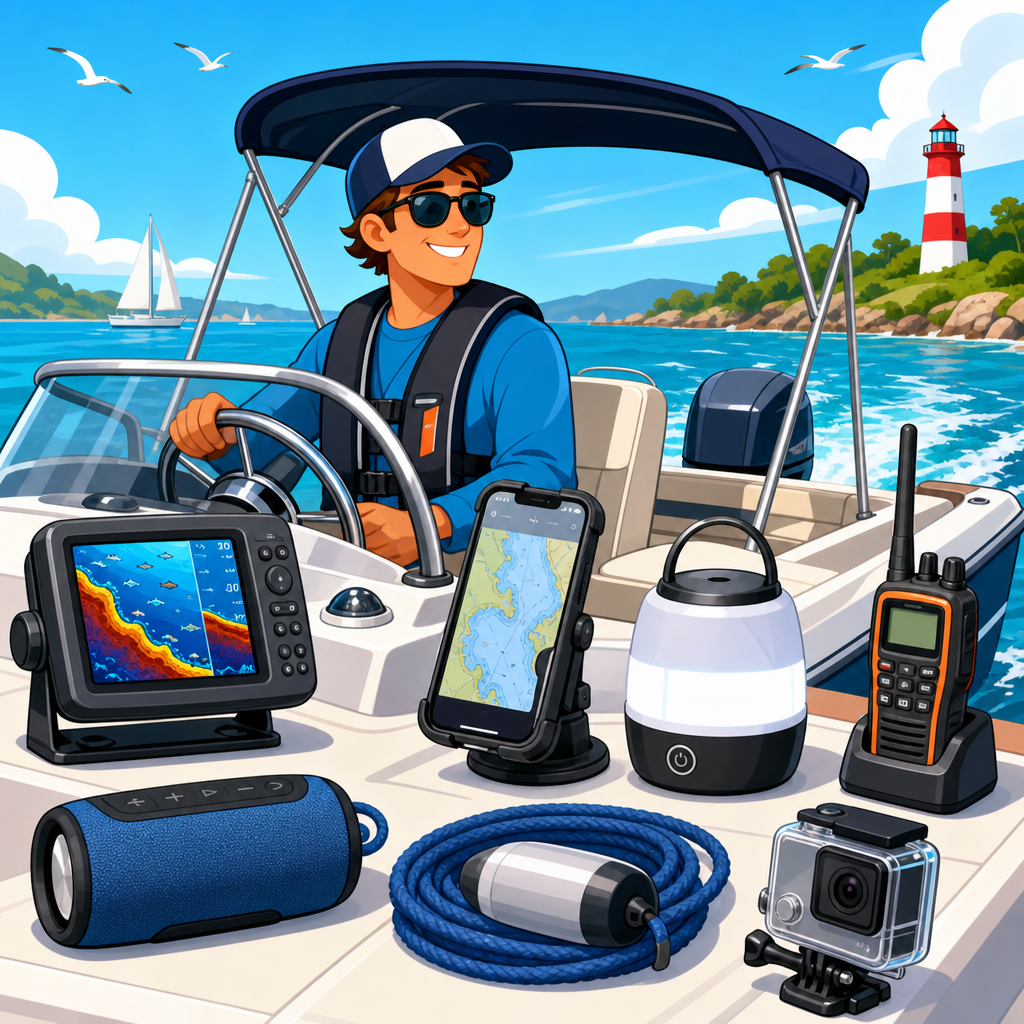
Mindful navigation plays a crucial role in reducing your boat’s environmental impact. Plan your trips to minimize unnecessary travel. Use navigational tools and weather forecasts to chart the most direct course to your destination, avoiding conditions that may cause the boat to work harder, such as strong currents or winds. Navigation apps and GPS technology can assist in plotting efficient routes and identifying safe, fuel-efficient pathways.
Veering away from the practice of high-speed boating can additionally contribute to lowering emissions. Operating at a moderate speed tends to increase fuel efficiency, and consequently, reduce emissions. Most boats reach their optimal fuel economy at a speed significantly lower than their maximum capacity. ÂEngaging in wake-free zones or no-wake zones, where boat speed is restricted, is beneficial as well, protecting the surrounding environment and reducing wave action that can lead to erosion.
Efficient anchoring practices can also cut down emissions. Consider the use of a GPS-anchored system which allows you to hold your position without constant motor adjustments. Beyond fuel savings, this approach protects underwater habitats from anchor damage. Being considerate of your surroundings further ensures that habitats remain undisturbed, allowing ecosystems to thrive unobstructed.
Regular Hull Cleaning and Maintenance
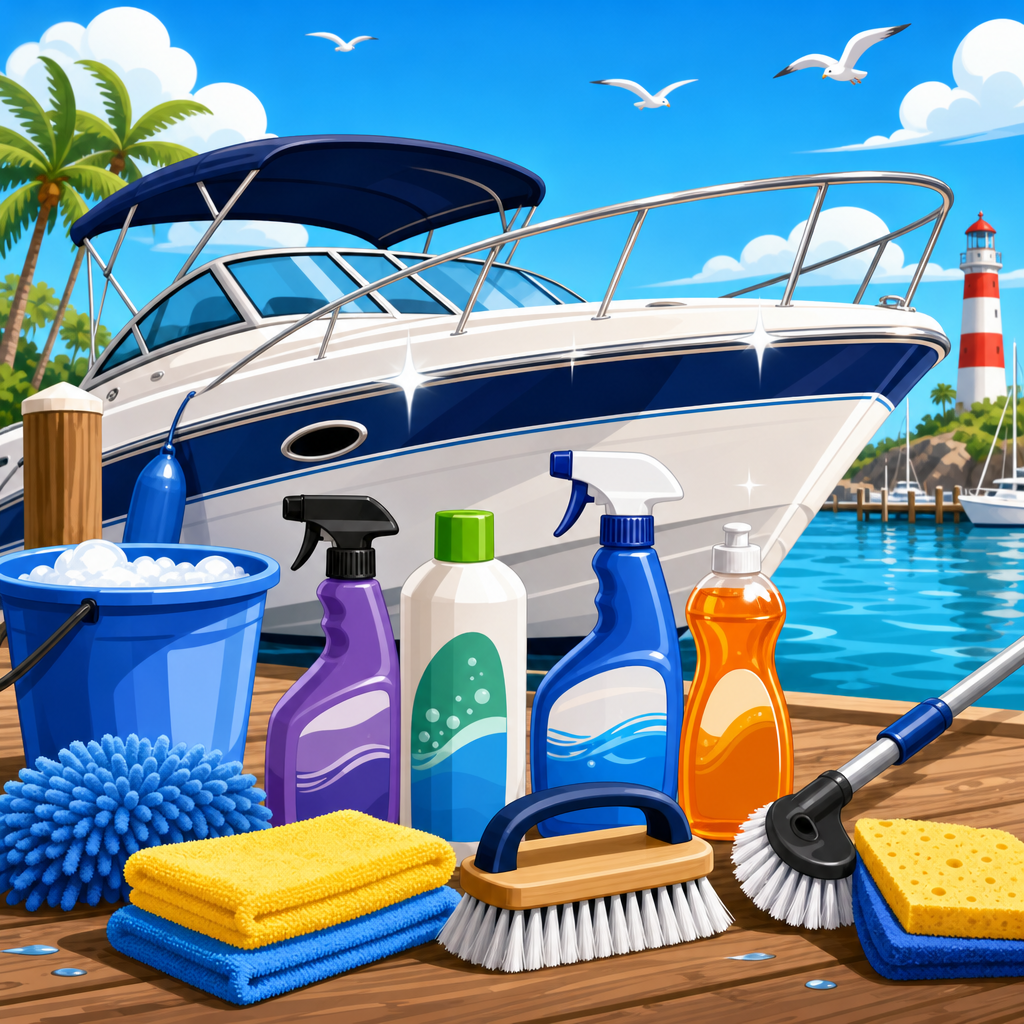
Keeping your boat’s hull clean and ensuring that it is free from marine growth is another vital step in reducing emissions. Marine organisms such as algae, barnacles, and mussels that accrue on the hull increase drag, which in turn forces the engine to consume more fuel to maintain speed. Regularly clean the hull using environmentally-friendly cleaning solutions that do not contain harmful chemicals. Ideally, you should schedule hull cleanings every few weeks during boating season.
In addition to basic cleaning, consider using antifouling paint, specially designed to prevent marine growth on underwater surfaces. Modern antifouling paints often contain eco-friendly ingredients that minimize the impact on marine life. By keeping the hull smooth and clean, you not only increase your boat’s efficiency but also contribute to a healthier marine environment. Working with a professional for these applications ensures that they are done correctly, maximizing effectiveness and extending the time between necessary applications.
Adopt Renewable Energy Sources
Exploring renewable energy sources on your boat can significantly cut down on carbon emissions. Solar panels, for example, provide clean energy that can power various boat systems and appliances. This reduces reliance on fossil fuels and decreases greenhouse gas emissions. Installing solar panels on the deck or cabin roof allows for battery charging, not just during journeys but also while docked. The direct conversion of sunlight into electricity ensures a renewable source of energy and reduces the need for conventional power supplies.
Wind turbines are another potential source of green energy for boaters. Though less common, they can be used in tandem with solar panels, particularly on sailboats where they complement the natural resource of wind. Wind turbines work by harnessing wind energy to produce electricity and are a practical choice for continuous power generation.
Additionally, lithium battery systems are more efficient and environmentally-friendly alternatives to traditional lead-acid batteries. They last longer and operate more efficiently, minimizing environmental impact. Integrating these energy sources to create a hybrid system ensures you have a sustainable source of power while onboard, significantly reducing your overall carbon footprint.
Implement Water Conservation Practices
Water conservation is an often understated yet critical part of reducing a boat’s carbon footprint. Use freshwater conservatively by installing low-flow faucets and showerheads to minimize water usage. Limit shower times and use biodegradable, marine-safe soap to prevent water contamination. Consider installing a water purification system onboard to recycle water, consequently reducing the need to carry large quantities of water from shore, thereby minimizing additional weight, which can increase fuel consumption.
Make sure to practice graywater management by ensuring that any household water used onboard, particularly for washing and cleaning, is managed properly and does not get discharged into the sea. Modern boats are equipped with holding tanks meant for graywater, and pumping out graywater at designated facilities prevents pollutants from entering and harming marine ecosystems. As a boater, conscientious disposal of waste not only protects marine environments but also aligns with regulatory compliance.
Minimize Waste Generation
Reducing waste generation onboard directly contributes to lowering the environmental impact of boating activities. Practice low-impact packaging strategies before setting out on your boating trips. Purchase provisions in bulk to reduce packaging waste, and avoid unnecessary disposable items such as plastic water bottles, opting instead for reusable containers. Implement a comprehensive recycling program onboard, ensuring that all recyclable materials are separated and disposed of properly.
Consider the environmental impact at every stage of your journey. For example, bring along reusable kitchenware to minimize single-use waste. Composting biodegradable waste, such as food scraps, if facilities are available, is another method of lowering your footprint. Educate and involve everyone on the boat in these practices to increase awareness and commitment to waste reduction. Being mindful of waste is not only practical but essential for the sustainability of natural environments.
Conclusion
Boating can be a sustainable activity with the right practices in place. By optimizing fuel efficiency, navigating responsibly, maintaining a clean hull, adopting renewable energy, conserving water, and minimizing waste, boat owners can significantly reduce their boat’s carbon footprint. These practices not only benefit the environment but also enhance the boating experience by promoting more efficient and cost-effective operations. Each effort, big or small, contributes to the protection and preservation of our precious aquatic ecosystems.
While there may be initial costs associated with implementing these strategies, the long-term benefits to both the environment and your pocketbook cannot be understated. As environmental stewards, boaters have a responsibility to ensure that their actions do not harm the very environments they cherish. By embracing sustainable practices and leading by example, you can enjoy the pleasures of boating while safeguarding the planet for future generations.
Taking a proactive approach toward reducing your boat’s carbon footprint is a rewarding endeavor. The peace of mind that comes with knowing you are making environmentally-conscious decisions adds value to your boating pursuits, aligning with a larger commitment to ecological stewardship. Let this article serve not only as a guide but as a call to action to all boating enthusiasts to contribute to a cleaner, more sustainable future.
“`
Frequently Asked Questions
1. How can I make my boat more fuel-efficient to reduce its carbon footprint?
Increasing your boat’s fuel efficiency is one of the most effective ways to minimize its carbon footprint. Start by ensuring your boat is well-maintained; clean, regularly serviced engines perform better and consume less fuel. Consider installing a fuel flow meter, which gives real-time data on fuel consumption and can help you economically throttle your engine. Investing in four-stroke engines or newer technology engines can dramatically improve efficiency, as they tend to have lower emissions compared to two-stroke engines.
Moreover, taking note of the loading and boat balance can make a huge difference. Heavier loads mean more resistance, so clear any unnecessary gear from your boat. Ensure the hull is clean and free of growths like algae, which increase friction. Consider the propeller’s condition too; any damage can result in inefficient operation. Don’t overlook the importance of proper weight distribution within the boat to reduce drag.
Modify your speed habits as well. Operating at the optimal speed and avoiding rapid acceleration can noticeably cut fuel use. Try to find the “sweet spot” where fuel consumption is optimized. Keep a detailed log of fuel consumption patterns in various conditions, which will help you identify areas for improvement. Finally, consider transitioning to eco-friendly fuels if your engine supports it. Biofuels and other low-emission fuels can substantially lower the carbon emissions from boating activities.
2. What are some eco-friendly alternatives to traditional boat engines?
Harnessing eco-friendly alternatives is a growing trend among environmentally-conscious boaters. One emerging technology is electric propulsion systems. Electric boats rely on rechargeable batteries and electric motors, offering a clean alternative to gasoline or diesel engines. They produce no direct emissions, making them a top choice for reducing the carbon footprint.
There are also hybrid systems, which combine conventional engines with electric motors. A hybrid setup allows the boat to switch between fuel and electric power, optimizing efficiency and minimizing emissions. Wind-propulsion systems are another interesting technique. Traditional sailing relies vastly on wind power, which is pollution-free. Recent advancements have seen the resurgence of wind assistance in powered boats using sails or other aerodynamic systems that reduce engine load.
If you’re committed to reducing emissions entirely, consider using a vessel with solar panels. These panels capture sunlight to generate electricity for propulsion or to power onboard systems. Matching solar with advanced battery storage provides a sustainable source of energy. Finally, hydrogen fuel cell technology is promising, converting hydrogen into electricity with water vapor as the only byproduct. These options involve varied upfront costs and availability; however, they significantly contribute to creating a future with less boating emissions.
3. In what ways can I reduce water pollution caused by my boat?
Reducing water pollution is a critical aspect of minimizing your boat’s environmental impact. A significant factor to consider is how you manage waste disposal, especially for larger vessels with sanitation systems. Ensure sanitary waste is managed effectively by observing local regulations, using pump-out stations, and treating black and grey water appropriately before disposal. Employ marina facilities for correct waste disposal to mitigate contamination.
Oil leakage is another major pollutant. Using absorbent pads or socks to catch leaks from your bilge is crucial. Consider installing a bilge water filter that separates oil from water. Also, look at using biodegradable, non-toxic cleaning agents and soaps when maintaining your boat to avoid contaminating water sources with harsh chemicals. Encourage the use of eco-friendly products for scrubbing the deck and cleaning boat surfaces.
For antifouling paints, opt for those with less harmful biocides. New technologies prioritize reduced environmental impact by deterring marine organisms with minimal toxicity. Regularly inspect your marine engines for leaks or emissions and handle fuel delivery carefully to prevent spills. Additionally, plan your anchoring wisely. Avoid sensitive habitats like coral reefs and seagrass beds, and utilize eco-moorings when possible to avoid damaging the seabed.
4. What can I do onboard to ensure a more sustainable boating experience?
Creating a sustainable environment onboard significantly contributes to reducing your carbon footprint. Start by addressing energy consumption. Install energy-efficient LED lighting and appliances, further reducing reliance on generators. Solar panels on deck can supplement your energy requirements, thereby decreasing fuel use for auxiliary engines.
Audit your waste management practices. Minimize disposable items and pursue recycling vigorously. Bring reusable containers and utensils on board to cut down on single-use plastics. Ensure you separate and store recyclables correctly for disposal when you return to shore. Choosing products with minimal and biodegradable packaging supports less waste production.
Conscious choice of marine coatings and materials is another pathway. Eco-friendly paints, finishes, and materials contribute to sustainability. Opt for materials with a longer lifecycle and those sourced responsibly. Additionally, engage in sustainable fishing and wildlife observation practices to preserve marine biodiversity. Avoid encroaching into protected habitats and respect wildlife regulations, enhancing the conservation of natural environments you enjoy.
5. How does proper route planning contribute to reducing my boat’s carbon footprint?
Optimizing your route is an intelligent approach for reducing fuel consumption and, consequently, your carbon footprint. Effective route planning involves pinpointing the shortest and safest paths to your destination, minimizing time spent idling or moving at unoptimized speeds, which consumes more fuel. Use up-to-date navigational tools to provide real-time data on tides, currents, and weather, which can greatly influence fuel efficiency.
Adjust your departure times to take advantage of favorable currents and tides rather than working against them. This practice reduces engine strain and fuel use, resulting in lower emissions. Similarly, staying informed about weather conditions helps avoid unnecessary detours or rough water travel, which can demand more power and time. Incorporate technology like GPS and weather apps to consistently refine the navigation process.
Communicate with fellow mariners and utilize marine traffic information available online to prevent congestion at ports and docks, where idling contributes to pollution. Planning for anchorages and moorings in advance ensures a smooth process, decreasing time and fuel expended when searching for suitable spots. Overall, comprehensive route planning streamlines your journey, boosting efficiency and reducing environmental impact.