Teaching kids boating safety and navigation is not just about preparing them for a pleasant day on the water; it’s a critical life skill that ensures their well-being and fosters a lifetime of safe and enjoyable boating experiences. As boating becomes an increasingly popular family activity, emphasizing safety and navigation knowledge for the young ones is imperative. Moreover, kids naturally display curiosity and a willingness to learn new skills, making it an ideal time to ingrain these essential boating principles.
Boating safety encompasses more than just wearing life jackets. It involves understanding boating laws, recognizing potential hazards, and knowing how to respond in emergencies. Navigation, on the other hand, requires the ability to read charts, use compasses, and grasp the basic concepts of direction and position. In this guide, we will explore systematic methods and practical tips that can be used by parents, guardians, and instructors to teach these skills effectively. From the importance of imbibing a safety-first mindset to instilling the confidence needed for navigation, this article will serve as a comprehensive resource for fostering a new generation of responsible boaters.
Let’s embark on this journey together, ensuring that our young adventurers are not only equipped with the knowledge and skills they need for safety and navigation but also are inspired by the joy and freedom that come with exploring the waterways.
Understanding the Importance of Boating Safety
The first step in teaching kids boating safety is helping them understand why it matters. Safety is paramount in any activity, especially those involving water. Begin with discussing general safety principles, such as wearing life jackets and understanding risk factors like bad weather. Explain the purpose of each safety measure and how it directly impacts their safety and the safety of others. Kids need to comprehend that these rules are not just arbitrary but are guidelines put in place to protect them.
Consider using visual aids, such as videos or interactive modules, to demonstrate potential hazards or illustrate safe practices. For young minds, seeing is often believing, and a visual representation of why life jackets are important or how quickly weather can change can leave a lasting impression. Additionally, sharing real-life stories of boating accidents where safety practices were either neglected or adhered to can be enlightening and impactful for children.
Establishing Basic Safety Rules
The foundation of boating safety is built on understanding and respecting a set of basic rules. It is important to instill these rules early and reinforce them regularly. Start with the essential rule: everyone on the boat must wear a life vest. Explain the different types of life jackets and demonstrate their proper use and maintenance.
Another critical rule is to always have a designated adult supervising the boat, ensuring children never operate it without adult presence. Teach them about staying seated while the boat is in motion, the importance of knowing where emergency equipment like flares and fire extinguishers are located, and how to call for help if necessary.
To keep children engaged, create an interactive learning session where they can practice these rules. Set up scenarios where they have to choose the right action or gear, encouraging them to think and decide about safety measures actively. Regular quizzes or games based on boating safety can also cement this knowledge for long-term retention.
Emergency Preparedness
Understanding what to do in an emergency is one of the most crucial aspects of boating safety. Teach kids how to recognize a distress signal—this could be an engine failure, someone overboard, or severe weather suddenly appearing. They should know the steps to take in such scenarios, including how to use a marine radio to call for help.
Run practice drills to help children remember procedures during an emergency. Simulate different emergency situations like a man overboard using a dummy, teaching them the MOB after-action steps. This practical experience can help reinforce muscle memory and decision-making skills. Explain the importance of remaining calm and reiterating the protocols until they become second nature to them.
Introduction to Navigation
Navigation is more than just steering a boat; it involves planning and guiding the vessel efficiently from one location to another. For kids, it’s best to start with the basics – understanding directions, learning about cardinal points, and recognizing landmarks. Use a compass to show them how to determine directions and relate them to the boat’s movements.
To make learning navigation enjoyable, organize treasure hunts where they use compass readings to find locations. This fun approach helps demystify navigation concepts and builds an intuitive understanding of using navigational tools. Show them how maps and charts are read and why they are essential for planning boating trips, emphasizing the principle of ‘knowing before you go’ to foster preparedness.
Learning Modern Navigational Tools
As technology advances, modern navigational tools have become integral to safe boating practices. Introduce kids to GPS devices and electronic navigation systems, explaining how they compare to traditional methods. Teach them the limitations and advantages of technology-led navigation, emphasizing the importance of observational skills and not solely relying on digital instruments.
Allow children to work on simplified computer simulators that mimic real-world navigation scenarios. These systems help them learn how to plot courses, mark waypoints, and simulate rest stops. In doing so, they become familiar with the digital interfaces they are likely to encounter in actual boating environments. For many, this firsthand experience serves as an effective combination of education and engagement.
Understanding Waterway Signs and Markings
Knowledge of the signs and markings that guide waterway navigation is crucial. Kids should learn to recognize and understand the meanings of buoys, channel markers, and other aids to navigation. Explain these signs as the “traffic signs” of the water, giving direction, indicating safe paths, and marking hazards.
Develop activities where kids identify these aids on a chart or during short excursions, quizzing them on meaning and significance. When possible, connecting the theory with on-water practice can establish a direct connection between the charts and actual navigation, effectively creating an unforgettable learning experience.
Practicing Safe Boating Habits
Beyond rules and theoretical learning, instilling everyday safety habits can have long-lasting effects. Stress the importance of regular equipment checks, ensuring fuel levels, and understanding the weather reports before heading out. Kids should feel involved, perhaps taking on roles or responsibilities that reflect these habits.
Help them understand how good habits, like timely safety checks and keeping the boating environment tidy, contribute to the overall experience and safety. Rewarding them for routine adherence reinforces the importance of consistency, making safety second nature.
Teamwork and Responsibility
Boating is often a group activity, hence teaching the importance of teamwork and shared responsibilities can be invaluable. Ensure kids understand their role within a crew, from assisting with docking maneuvers to participating in emergency procedures. Highlight how collaborative efforts promote safety and enjoyable experiences.
Acknowledge their contributions, encouraging them to take initiative while ensuring they remain within safety protocols. This sense of responsibility and pride can boost their confidence and eagerness to learn more about boating and sailing.
Conclusion
Creating an ingrained culture of safety and appreciation for navigation among young boaters requires dedication and persistence. As parents and instructors, leading by example sets the tone, showing kids the value and importance of these skills. Through practical exercises, thoughtful discussions, and engaging activities, we can guide them towards becoming prudent, capable boaters.
Remember, the goal isn’t just to teach safety and navigation but to instill a love for water activities that are conducted responsibly. This endeavor will aid children in building important life skills like problem-solving, critical thinking, and situational awareness, applicable far beyond boating.
Join us in the mission of nurturing a generation that views boating not only as a sport or leisure activity but as a disciplined, engaging adventure, appreciating both its challenges and rewards with a keen sense of responsibility. Happy and safe boating to all!
Frequently Asked Questions
1. Why is it important to teach kids about boating safety and navigation?
Boating safety and navigation are essential life skills that go beyond just having a good time on the water; they play a crucial role in ensuring the well-being of your child. Teaching these skills from a young age instills a respect for the power and unpredictability of nature, fostering a generation of responsible and prepared boaters. Knowing how to navigate and recognize safety protocols helps prevent accidents, equips kids to respond appropriately in emergencies, and builds their confidence in handling various situations on the water. As boating becomes more popular, children exposed to early training are more likely to develop a lifelong passion for safe boating practices.
2. At what age should kids start learning about boating safety?
There is no universally fixed age to begin teaching boating safety and navigation to kids; however, starting as soon as they show interest in boating can be highly beneficial. Many children as young as five or six are capable of understanding basic safety rules, such as wearing life jackets and recognizing dangers on the water. The key is to tailor the lessons to their age and comprehension level, using engaging methods such as games, interactive activities, and visual aids to make the learning process enjoyable. Most children benefit from being gradually introduced to the water environment, starting with supervised play and observation, which slowly builds up to hands-on experiences under careful adult guidance.
3. How can I make learning about boating safety fun for kids?
Incorporating fun into boating safety lessons keeps kids engaged and willing to learn. A few methods include creating themed scavenger hunts where children search for safety equipment onboard, such as life vests, whistles, and maps. Additionally, role-playing exercises where they practice emergencies like “man overboard” or “navigating to safe harbors” can be both entertaining and educational. Integrating technology by using boating apps designed for kids, watching animated videos, or playing online safety games also adds an interactive dimension. Besides, rewarding them with badges or certificates for mastering certain principles can provide an extra motivation boost, making safety lessons memorable and enjoyable.
4. What are the basic safety equipment items every kid should know about?
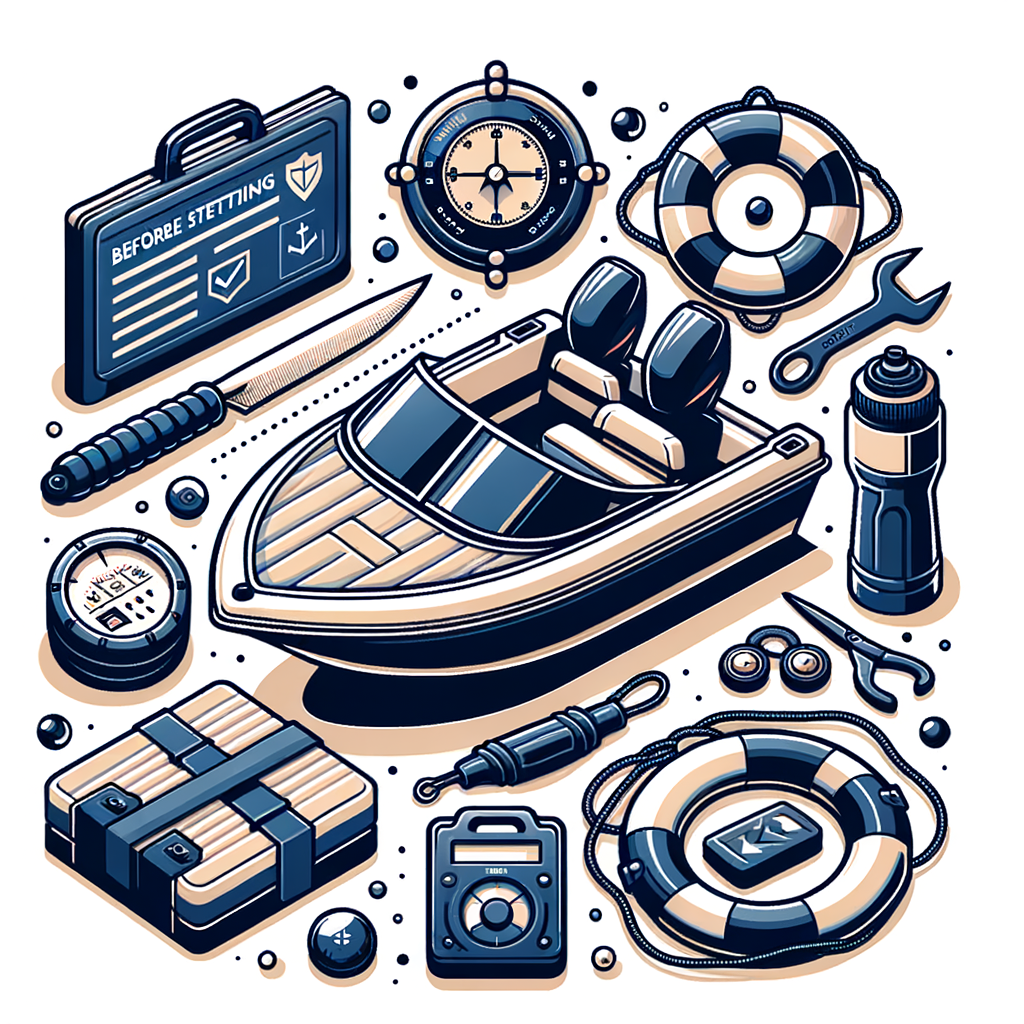
Understanding and recognizing safety equipment is a fundamental part of kids’ boating education. Every young boater should be familiar with life jackets, and not only know how to wear them correctly but also why it is vital to keep them on throughout the trip. Kids should also be aware of emergency signaling devices, like whistles, horns, and flares, understanding their distinct purposes and when to use them. Familiarize them with the purpose and location of the first aid kit, fire extinguishers, and spare paddles. Basic navigation tools, such as compasses and GPS, are vital, even if they may not be using them extensively in their early learning stages. Explaining these items with stories or examples of real-life applications makes their significance clear.
5. What are some essential navigation concepts for kids to know?
Introducing children to navigation shouldn’t be daunting; instead, start with fundamental concepts that build a solid base. Begin with understanding cardinal directions—north, south, east, and west—and how to use a simple compass might be incorporated into their everyday play. Explain the basics of reading simple charts and maps which is often exciting for children, akin to treasure maps from pirate stories. Teach them about buoys, markers, and other navigational aids and their purposes in the waterways to guide and safeguard vessels. Entertaining games involving chart plotting or allowing kids to ‘navigate’ on short trips under supervision can reinforce these lessons. Gradually, as they get more comfortable, introduce them to the basics of GPS technologies and how modern tools aid in safe navigation.