Heading out for a day on the water is a thrilling prospect for many boating enthusiasts. However, before your vessel can glide through the open waves, it must first make its way successfully from the trailer into the water. This initial step might seem straightforward, but it entails a blend of careful technique and respect for others using the facility. Boat ramps, those narrow strips of concrete or specially designed areas, serve as gateways to aquatic adventures, yet they can become potential bottlenecks of frustration and miscommunication without the proper etiquette. Understanding the do’s and don’ts of launching and retrieving your boat is not merely a courtesy—it’s a critical skill that ensures smooth operations and peaceful coexistence with fellow boaters. In this article, we will delve into the key aspects of boat ramp etiquette, equipping you with the knowledge to navigate these shared spaces with precision, patience, and respect. This guide is your map to efficient boat ramp usage, detailing everything from preparations to on-site practices that will help you avoid common pitfalls, reduce ramp mishaps, and foster a friendly atmosphere for everyone involved. By adhering to these guidelines, you’ll not only optimize your boat launching and retrieving process but also contribute to a positive community culture among boaters across every coast. Let’s explore what it takes to become proficient in boat ramp etiquette.
Preparation Before You Arrive
One of the foundational principles of boat ramp etiquette begins long before you arrive at the ramp itself: preparation. Ensuring that your boat and trailer are ready for launch well in advance is paramount. Check your vessel’s fuel, oil, and battery levels the day before you plan to head to the launch. Ensure all necessary safety equipment is aboard, such as life vests, fire extinguishers, and emergency paddles. This pre-emptive organization prevents frustrating delays that could impede traffic flow at the ramp. Verify that tie-down straps are secure yet easy to remove upon arrival. You should conduct a quick walk-around inspection to confirm that your trailer lights and signals are functioning correctly, preventing potential safety hazards.
Moreover, if it is your first time at a particular boat ramp, acquaint yourself with any specific regulations or local practices. These can usually be found online or at the entrance to the facility. This will spare you from rookie mistakes or unintentional rule-breaking that could inconvenience others or lead to fines. A crucial preparatory step is practicing backing up with your trailer in a safe, open space. Proficiency in maneuvering your vehicle and trailer is vital as boat ramps can often be crowded, with little room for error.
Approaching the Ramp
As you near the ramp, observe the surroundings and gauge the level of activity. Patience and observation are key at this stage. Identify any visible signs or instructions which are sometimes critical during peak use periods. Avoid blocking the entrance if there’s a line; instead, find a staging area or pull off to the side where you can finalize any last-minute arrangements. While within the staging area, transfer your gear to the boat, remove the transom tie-downs, attach bow and stern lines for easy handling, and perform any final checks. This is your last chance to make sure everything aboard is secure.
Another critical aspect involves communicating with your passengers. If other individuals are accompanying you, they must understand the plan. Anyone not helping with the launch should position themselves appropriately to avoid unnecessary congestion. Often, having a designated ‘spotter’ who can assist with accuracy and provide clear signals can streamline the process significantly.
Launching the Boat
When your turn arrives at the ramp, act deliberately but efficiently. Align your vehicle and trailer with the dock in a controlled manner; this may require multiple adjustments, but it’s better to proceed slowly than to rush and make mistakes. Ensure all safety chains are removed and check your surroundings one last time before detaching. As your boat slides into the water, maintain control with the bow line. If you have a partner, they can handle this while you park the vehicle.
Be conscious of the environment and nearby boats. Avoid revving the engine unnecessarily, particularly when close to the dock, as this can cause turbulence that might damage other boats. Quick execution balanced with care reduces your time on the ramp, allowing others to move through efficiently.
Retrieving Your Boat
Retrieving your boat is often more complex than launching, particularly when compounded by environmental factors like wind or current. As you approach the ramp, substitute speed for precision. Dock your boat carefully and secure it temporarily while you retrieve your trailer. Communicate with anyone assisting you, as visibility when backing your trailer is limited. Use landmarks or established dock lines to align your trailer perfectly.
Winching your boat onto the trailer requires teamwork if others are present. Slowly drive your boat forward while an assistant guides your alignment onto the trailer rollers. Crank the winch strap until it is tight and secure. Once aboard your trailer, remove the boat promptly from the ramp to facilitate others waiting to use it. Perform your boat tie-downs, load up personal gear, and secure your vessel in a designated staging area nearby.
Post-Launch Procedures
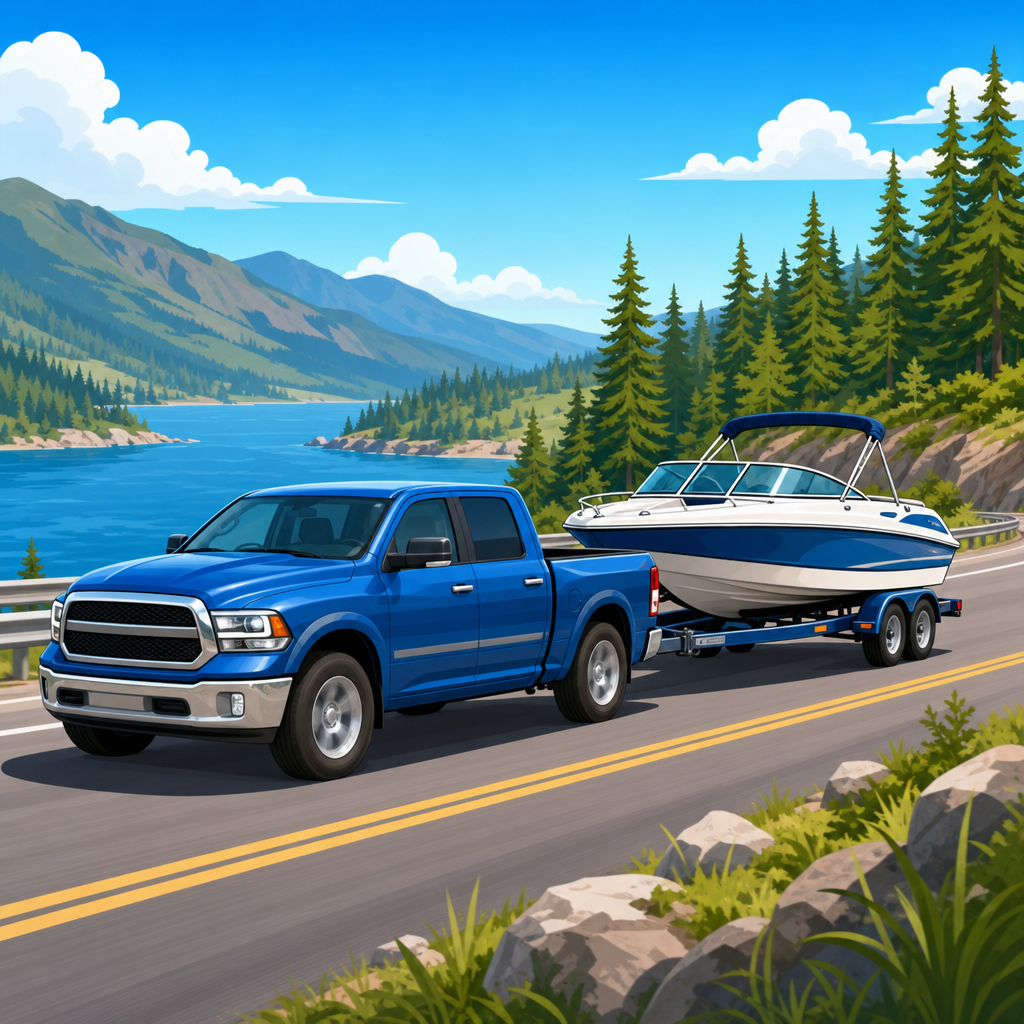
After successfully launching or retrieving, move your vehicle and trailer away from the ramp to prevent obstructing access for others. Use the designated parking area, ensuring that your vehicle occupies a single space and your trailer is well-positioned, avoiding interference with driving lanes. Make any necessary adjustments to your load in these off-ramp areas, not on the ramp itself.
Once situated, return to the ramp on foot if necessary to ensure the area remains clear of debris or belongings. Encourage your passengers to help keep the space tidy, maintaining a clean environment honors other users and the locality involved. If a waiting area exists, be courteous to fellow boaters by exchanging thoughts and tips about the current conditions of the ramp, such as water levels or obstacles. Community building, it’s often these engagements that foster a spirit of cooperation among boaters.
Common Mistakes to Avoid
Throughout the launching and retrieving process, there are some recurring mistakes that can drastically affect efficiency at the ramp. Chief among these is inadequate preparation. Ramping onto the dock unprepared leads to time wastage and mounting frustration from fellow boaters. Nervousness is typical for new boaters, yet this often results in hasty actions or miscommunication.
Improper trailer alignment can also lead to precarious situations or damage, impacting both your equipment and that of others. Launching in rough conditions demands extra vigilance; always ensure your procedures adapt to external changes. Lastly, never assume that unspoken rules apply universally; always check for signage and be responsive to local protocols.
Conclusion
Mastering boat ramp etiquette is about more than just efficiency—it is an essential component of being a conscientious boater. The do’s and don’ts outlined here are designed to build your awareness and skills, ensuring that every launch and retrieval is smooth and respectful to fellow enthusiasts. By preparing ahead of time, practicing patience, and acting with diligence, you are contributing to a system running at peak efficiency.
Consider every outing at the ramp as an event that adds to your confidence and enjoyment of maritime excursions. Avoid common pitfalls by embracing constructive habits and engaging in a culture of mutual respect for shared spaces. Furthermore, remember that the legacy of your interactions affects the reputation of boaters positively, expanding the enjoyment for future generations.
Let this knowledge enhance your enthusiasm for boating, reducing stress and augmenting joy each time you tackle launch and retrieval activities. After all, it’s the small efforts and respect for process that culminate in a successful day out at sea. With polished execution, you will ensure that the spirit of communal boating thrives every time your vessel meets the water.
Frequently Asked Questions
1. What are the essential do’s when it comes to boat ramp etiquette?
Launching your boat successfully while maintaining proper etiquette is crucial to ensuring a smooth experience for everyone at the boat ramp. Here are some essential do’s you should follow:
Preparation is Key: Before heading to the ramp, ensure that your boat is completely ready for launch. This means loading all necessary gear, checking safety equipment, removing tiedowns, and securing any loose items before you arrive at the ramp. This preparation helps minimize your time at the water’s edge.
Wait Your Turn: Always be mindful and respectful of others waiting to launch or retrieve their boats. Patience goes a long way in avoiding conflicts. If the ramp is busy, take your turn in line and avoid cutting in front of others.
Use Two-Person Teams: If possible, designate one person to manage the vehicle and trailering tasks, while the other handles the boat in the water. This coordinated approach helps streamline the process and reduces congestion at the ramp.
Communicate Clearly: Maintain clear and courteous communication with your team and others around the ramp area. Signal your intentions using hand gestures or simple verbal cues to avoid confusion.
Following these guidelines helps keep the boat ramp experience pleasant and efficient for all users.
2. What are the don’ts to avoid when using a boat ramp?
Understanding what to avoid at the boat ramp is just as important as knowing what to do. Here are some don’ts to ensure you don’t disrupt the flow:
Don’t Block the Ramp: One of the biggest mistakes is leaving your vehicle or trailer parked on the ramp for extended periods. Once your boat is launched or retrieved, promptly move your vehicle to a designated parking area to keep the ramp clear for others.
Don’t Hog the Line: If you’re waiting in line, use that time to finish any last-minute checks or preparations. Once it’s your turn, be ready to move quickly so as not to delay those behind you.
Don’t Neglect Safety Protocols: Skipping safety checks or rushing through them at the ramp can lead to accidents. Make sure your boat’s safety equipment is accessible and functional before you approach the ramp.
Don’t Engage in Unnecessary Conversations: While socializing is part of the fun of boating, the ramp is not the place for a lengthy chat. Limit conversations to quick exchanges that don’t impede the flow of activities.
Avoiding these actions can help maintain a harmonious environment at the boat ramp, ensuring a smooth operation for everyone.
3. How should I approach launching my boat if I’m a beginner?
For those new to boating, launching a boat can seem daunting, but with some tips and patience, you can become proficient:
Practice Makes Perfect: Find a down time to practice backing up your trailer in an open space. This will familiarize you with maneuvering your vehicle and give you confidence before hitting the actual ramp.
Observe Others: Watch experienced boaters launch and retrieve their boats. Pay attention to their techniques and etiquette, and don’t hesitate to ask them for advice if you feel comfortable doing so.
Take Your Time: Rushing increases the risk of mistakes. Allow yourself extra time for your first few launches to ensure everything is done correctly, letting you learn the process at your own pace.
Use Visual Cues: Utilize landmarks or temporary markings in the water to help guide your launch path. This visual aid can boost your accuracy when aligning the trailer.
With these tips, beginners can gain confidence and skill in no time, ensuring a stress-free launch every outing.
4. What should I do if the boat ramp is busy and there is a long wait?
A busy boat ramp doesn’t have to lead to frustration. Here’s how you can make the best out of a crowded situation:
Stay Calm and Patient: Remember that everyone is there for the same reason — to enjoy the water. Maintaining a calm demeanor can ease everyone’s stress.
Use Your Time Wisely: While waiting, complete all necessary preparations, like removing the outboard motor support or attaching dock lines, stripping it down to the essentials for immediate boat launching.
Communicate and Coordinate: If people are waiting, communicate politely to coordinate the movements to stay clear of traffic. A little patience can foster a cooperative environment that benefits everyone.
Be Ready To Act: When it’s finally your turn, be ready to move quickly and smoothly. Have a launch plan in place and stick to it to make the transition as seamless as possible.
This approach will help keep the process efficient and friendly, making for an enjoyable start to your day on the water, despite the crowds.
5. Are there any specific tools or equipment that can help with launching and retrieving my boat?
Having the right tools and equipment can make boat launching and retrieval significantly easier. Here’s what you should consider having:
Walkie-Talkies or Headsets: If you’re working as a team, clear communication between the person driving the vehicle and the one guiding the boat can be facilitated with walkie-talkies or headsets for precise coordination.
Trailer Guides: Trailer guides are a great asset for getting your boat lined up correctly during retrieval. They can help stabilize the boat on the trailer, making the process quicker and easier.
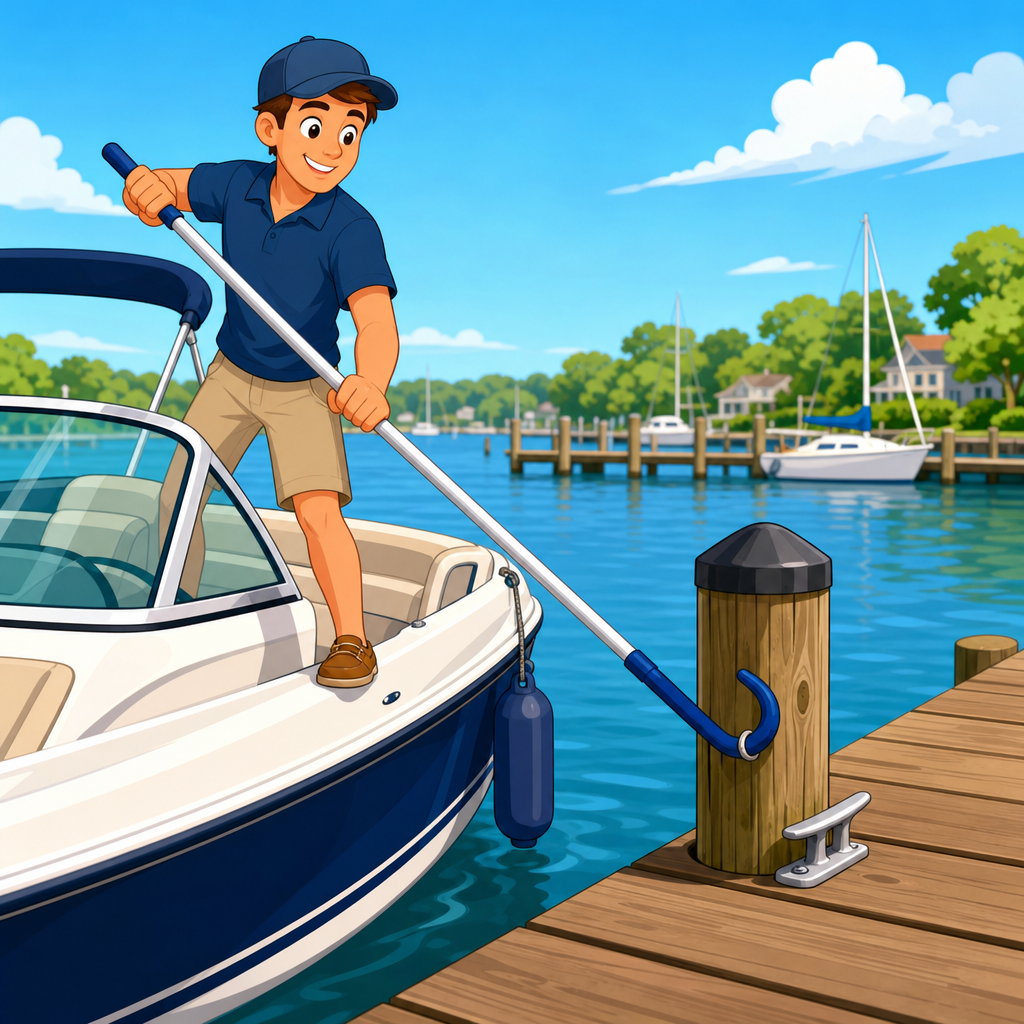
Boat Hooks and Dock Lines: Having these tools ready can help maneuver your boat into position when launching or retrieving, especially in windy conditions or strong currents.
Electric Winch: If your boat is particularly heavy, an electric winch can make the job of pulling the boat onto the trailer much easier, reducing effort and time spent at the ramp.
By investing in these tools, you’ll make launching and retrieving a breeze, allowing more time to enjoy the water.