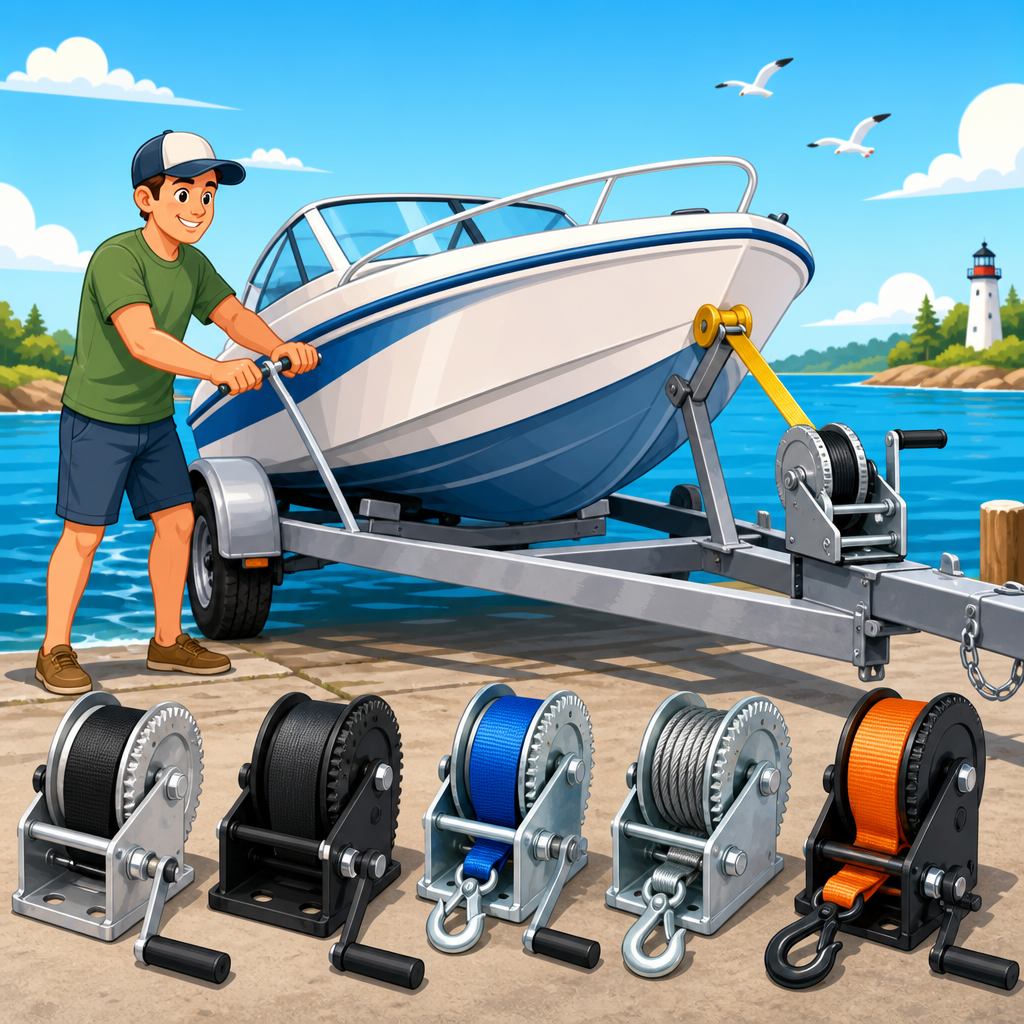
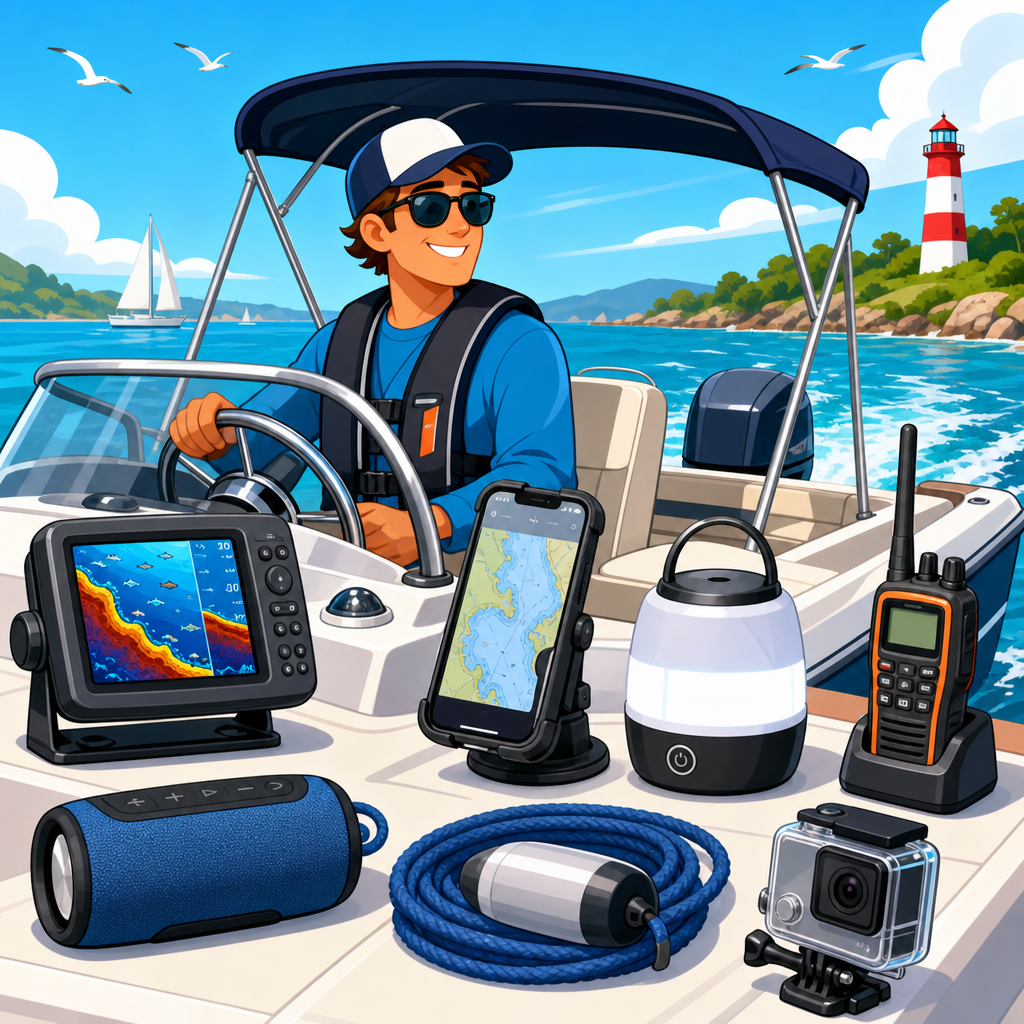
Essential boating gadgets do more than add convenience; they reduce workload, improve safety, protect equipment, and make every hour on the water more enjoyable. In the broad category of must-have boating accessories, “gadgets” refers to practical tools and electronic aids that solve recurring problems onboard, from finding your way in low visibility to keeping phones charged, lines organized, fish fresh, and passengers comfortable. On small fishing boats, family bowriders, pontoons, center consoles, and cruising sailboats, the right accessories often matter as much as engine power or hull design because they influence what daily boating actually feels like. After rigging and testing boats for different uses, I have found that the best gadgets are not necessarily the most expensive; they are the ones that save time, prevent mistakes, and hold up in wet, corrosive conditions.
This hub article covers the essential boating gadgets every owner should evaluate, with a focus on real-world usefulness rather than novelty. It explains what each accessory does, who benefits most, and how to choose gear that matches your boat size, electrical system, and style of boating. If you are searching for must-have boating accessories, start by thinking in five categories: navigation, safety, power management, onboard comfort, and maintenance. A chartplotter is valuable, but less so if your battery management is weak. A premium cooler helps, but not if your deck organization creates tripping hazards. The goal is a complete setup where accessories support each other. That systems approach is what separates a cluttered boat from a well-equipped one, and it is the reason smart gadget selection pays off every time you leave the dock.
Navigation gadgets that prevent confusion and wasted time
Navigation is the first place many boaters should invest because getting lost, misreading depth, or returning after dark creates avoidable risk. The most useful gadget in this category is a modern GPS chartplotter. Good units from Garmin, Simrad, Lowrance, and Raymarine combine electronic charts, waypoint marking, route planning, sonar integration, and speed data in one display. On inland lakes, that means faster runs between ramps, points, and coves. In coastal water, it means seeing channels, shoals, aids to navigation, and track history clearly. I recommend choosing a unit with a bright sunlight-readable screen, IPX-rated water resistance, and compatibility with mapping updates. A seven- to nine-inch display fits many trailerable boats, while offshore setups often benefit from larger networked screens.
Depth finders and fish finders also belong in the must-have boating accessories conversation, even for people who do not fish. Depth awareness prevents lower-unit damage, grounding, and nervous approaches to docks or sandbars. CHIRP sonar offers cleaner target separation than older fixed-frequency systems, and side imaging helps reveal structure and drop-offs to either side of the boat. For anglers, that translates to finding bait, brush piles, and ledges. For families cruising unfamiliar water, it translates to confidence. Handheld GPS devices and navigation apps on waterproofed phones can serve as backups, but they should remain backups. A dedicated marine unit is more reliable in glare, vibration, and spray. Add a fixed-mount VHF radio with Digital Selective Calling and your navigation setup becomes far more resilient because position sharing and emergency communication work together.
Safety gadgets that earn their keep when conditions change
The best safety gadgets are the ones you hope never to use but prepare every trip around. Automatic bilge pumps with float switches are at the top of that list. Water intrusion happens from rain, leaking fittings, livewells, packing glands, or an overlooked drain plug, and a quality bilge pump buys time before a small problem becomes a serious one. Brands such as Rule and Attwood are common because they offer capacities suitable for small runabouts through larger coastal boats. Pair the pump with a high-water alarm so you know immediately when water rises unexpectedly. That audible warning matters because many operators do not notice a flooding issue until the boat’s trim or engine behavior changes.
Another essential safety accessory is a reliable battery monitor or voltage display. Dead starting batteries strand boaters every season, usually because pumps, stereos, lights, and electronics were run longer than expected. A monitor from Victron Energy or a simple marine voltmeter provides visibility into battery state before you commit to a long drift or beach stop. Emergency signaling tools also belong in the gadget category: waterproof handheld VHF radios, personal locator beacons for offshore trips, LED distress lights, and compact radar reflectors for small boats in traffic. None replaces legally required gear, but each improves your margin of safety. If you boat with children, elderly passengers, or inexperienced friends, safety gadgets are not upgrades. They are operating essentials that reduce stress and improve decision-making in bad weather, rough water, or mechanical trouble.
Power, charging, and electrical accessories that support every other system
Most boat gadget frustrations trace back to power. Electronics shut down, phones die, pumps weaken, and speakers cut out because the electrical system was never planned for the load. For that reason, smart charging accessories are among the most useful must-have boating accessories. Start with a marine battery charger or onboard smart charger matched to your battery chemistry. Flooded lead-acid, AGM, and lithium batteries require different charging profiles, and using the wrong one shortens service life. If your boat sits on a trailer or in a slip between outings, a quality multi-bank charger keeps starting and house batteries topped off safely. On larger setups, a battery isolator or automatic charging relay helps ensure house loads do not drain the engine-start battery.
USB charging ports, 12-volt outlets, and marine-grade inverter systems are also more important than many owners expect. Today’s boat crew brings phones, action cameras, trolling motor remotes, tablets, and portable lights, and those devices all compete for power. Flush-mount dual USB-C chargers are a simple upgrade that passengers appreciate immediately. I also recommend installing a fuse block with labeled circuits and tinned marine wire if you plan to add accessories over time. Corrosion-resistant electrical components matter because salt and moisture quickly expose weak installations. Heat-shrink connectors, waterproof circuit protection, and properly crimped terminals are not glamorous gadgets, but they determine whether your accessories work reliably after a season of vibration and spray.
Comfort and convenience gadgets that improve the day for everyone onboard
Comfort gadgets often look secondary on paper, yet they decide whether guests want to come back. A high-performance marine cooler is one of the clearest examples. Rotomolded coolers from YETI, Engel, and RTIC hold ice far longer than discount models, which matters on full-day trips, sandbar outings, and overnight excursions. The benefit is not just cold drinks; it is safer food storage, less meltwater mess, and fewer supply runs. Portable marine refrigerators are even better on cruising boats with adequate battery capacity. Alongside cold storage, shade solutions rank high. Clip-on fans, rechargeable fans, and adjustable bimini-mounted storage systems make hot-weather boating much more tolerable, especially on pontoons and deck boats where people stay exposed for hours.
Lighting is another overlooked convenience category. LED cockpit lighting, spreader lights, and motion-sensor compartment lights reduce fumbling after sunset and make rigging, cleaning, and docking easier. For anglers, task lighting around tackle stations is a practical upgrade, not decoration. Waterproof Bluetooth speakers and stereo remotes can also improve the experience, but only if installed with restraint so they do not drain batteries or clutter helm space. Organization gadgets make an even bigger difference than entertainment accessories. Mesh storage bags, cup-holder caddies, magnetic tool mounts, line hangers, and dry boxes keep essentials off the deck and easy to find. On smaller boats, every loose item becomes a safety and cleanup issue. Good organization preserves space, speeds setup, and prevents small gear from sliding overboard.
Fishing, anchoring, and docking tools that reduce physical effort
Many of the most appreciated boating gadgets are the ones that replace repetitive manual work. Electric trolling motors with GPS anchoring functions are a perfect example. Systems such as Minn Kota Spot-Lock and MotorGuide anchor modes let anglers hold position over structure without dropping a physical anchor, which is transformative in wind or current. On multispecies lakes, that means staying on a hump or weed edge precisely. In saltwater back bays, it means quieter positioning around fish. Even non-anglers benefit from electric anchor winches and shallow-water anchoring systems such as Power-Pole or Minn Kota Raptor because they simplify setup at beaches, flats, and swim stops.
Docking gadgets deserve equal attention because docking is where many owners feel the most stress. Inflatable fenders are useful on boats with limited storage, while fender hangers and quick-release clips make deployment much faster. Mooring whips, docking lights, and stern-view cameras can help depending on your marina layout and boat size, but simpler accessories often provide the best value. A quality telescoping boat hook, line spooler, and cleat-mounted line holder reduce last-minute scrambling at the dock. The following table highlights accessory choices by boating task and explains where each delivers the most benefit.
| Accessory | Best Use | Main Benefit | Ideal Boat Types |
|---|---|---|---|
| GPS chartplotter | Route planning and safe return | Clear positioning, charts, waypoint storage | All powered boats, sailboats |
| CHIRP depth finder | Shallow water awareness and fishing | Better depth reading and bottom detail | Fishing boats, runabouts, pontoons |
| Automatic bilge pump | Water intrusion management | Removes water before it becomes critical | All boats with bilge spaces |
| Onboard smart charger | Battery maintenance between trips | Longer battery life and dependable starts | Trailer boats, slip-kept boats |
| Rotomolded cooler | Food and drink storage | Long ice retention and cleaner cockpit | Family boats, fishing boats |
| GPS trolling motor | Precision boat control | Hands-free position holding | Bass boats, bay boats, pontoons |
| Quick-release fender system | Docking preparation | Faster setup and cleaner line management | Cruisers, center consoles, bowriders |
Maintenance and protection gadgets that save money over time
Some of the most valuable boating accessories are purchased only after owners learn an expensive lesson. Corrosion prevention and maintenance tools belong in every serious setup because boats deteriorate quickly when salt, moisture, and UV exposure are ignored. A handheld salt-removal mixer that connects to a hose simplifies engine flushing and deck rinsing after coastal use. Moisture-absorbing desiccant tubs, ventilating solar fans, and compact dehumidifiers help prevent mildew in cabins, storage lockers, and covered boats. I have seen boats with excellent engines and electronics lose value quickly because upholstery, wiring compartments, and enclosed spaces were not protected from moisture and heat.
Battery terminal protectors, infrared thermometers, and portable jump starters are equally practical. A jump starter rated for marine use can rescue a low battery without requiring another boat, though it should never replace proper battery care. Infrared thermometers help diagnose trailer hub heat, electrical hot spots, and cooling concerns during routine checks. For cleaning, a pressure-adjustable washdown pump and soft-bristle deck brush save effort without damaging gelcoat or non-skid surfaces. If your boat lives outdoors, UV-protective covers for electronics, seats, and console areas are not optional accessories; they are long-term preservation tools. The owners who spend less on repairs usually are not lucky. They are consistent about small protective gadgets that prevent larger failures.
How to choose the right boating gadgets without overcrowding your boat
The best way to choose must-have boating accessories is to match them to your actual boating pattern, not an imagined one. A bass boat used three mornings a week needs different gadgets than a pontoon used for family sandbar trips or a center console that runs offshore. Start by listing your recurring friction points. If batteries run low, prioritize charging and monitoring. If docking raises your stress level, buy fender systems, line management tools, and better lighting before adding audio upgrades. If you routinely boat in unfamiliar water, spend first on navigation and communication. This method keeps your spending tied to real outcomes and prevents the common mistake of filling limited storage with low-value items.
Installation quality should influence every buying decision. Marine gear must tolerate vibration, UV exposure, and corrosion, so marine-grade hardware, sealed connectors, and proper mounting surfaces matter as much as the gadget itself. Check ABYC-aligned installation practices for electrical accessories, confirm amp draw before adding devices to existing circuits, and account for where crew will stand, cast, and walk. Good gadget selection makes a boat feel simpler, not busier. That is the standard to use as you build out your boating gear and equipment setup. Begin with safety, navigation, and power, then add comfort, fishing, and maintenance tools in that order. If you review your boat through that lens, you will create a practical accessory package that protects the vessel, supports every trip, and makes life on the water noticeably easier. Review your current setup, identify the three biggest hassles onboard, and upgrade those first.
Frequently Asked Questions
What boating gadgets are truly essential for everyday use on the water?
The most essential boating gadgets are the ones that solve common problems quickly, reliably, and without adding complexity to your day. For most boaters, that starts with a GPS chartplotter or reliable navigation app setup, a VHF radio, USB charging ports or a waterproof power bank, a quality bilge pump with float switch, LED deck and navigation lights, and a compact fish finder or sonar unit if fishing is part of the plan. These tools are useful because they reduce guesswork, improve safety, and help keep the boat functional and comfortable through changing conditions.
Beyond the core electronics, practical accessories matter just as much. Line and fender organizers, dry storage boxes, waterproof phone cases, marine coolers, and compact anchor retrieval aids can make a noticeable difference in how smoothly a trip goes. A simple gadget that keeps gear dry or prevents tangled rope can save time and frustration every single outing. For families and casual cruisers, portable Bluetooth speakers, clip-on fans, and marine-grade cupholder phone mounts can also improve comfort without taking up much space.
The best way to define “essential” is to think in terms of frequency and impact. If a gadget helps you navigate, communicate, charge devices, monitor conditions, preserve your catch, or protect passengers, it earns its place onboard. A small boat with limited storage benefits most from multi-use gadgets that are compact, waterproof, and easy to mount or remove. Instead of buying trendy accessories, focus on dependable gear that supports safety first, convenience second, and enjoyment throughout the trip.
How do boating gadgets improve safety, not just convenience?
The best boating gadgets improve safety by helping you detect problems earlier, respond faster, and maintain better control of the boat and onboard environment. Navigation electronics such as GPS chartplotters, sonar, and depth finders reduce the risk of running aground, drifting off course, or getting disoriented in fog, darkness, or unfamiliar water. A VHF radio remains one of the most important safety tools because it allows direct communication with marinas, bridges, nearby boaters, and emergency responders when cell service is weak or unavailable.
Other gadgets support safety by protecting the boat’s systems and reducing onboard hazards. Automatic bilge pumps help manage unwanted water before it becomes a serious issue. Battery monitors can alert you before you drain your starting battery and end up stranded. LED lighting improves visibility at night while using less power than older bulbs. Portable floodlights, headlamps, and motion-sensor compartment lights also make moving around the deck or checking equipment much safer in low-light conditions.
There is also a strong safety benefit in reducing clutter and fatigue. Gadgets that organize lines, secure tools, stabilize drinks, or provide quick access to life jackets and emergency gear help prevent slips, tangles, and rushed decision-making. On longer days, comfort items like fans, coolers, and charging stations indirectly improve safety because tired, overheated, and distracted passengers are more likely to make mistakes. In that sense, many boating gadgets are valuable not because they feel luxurious, but because they make the entire onboard experience more controlled, more manageable, and less stressful.
What should I look for when choosing boating gadgets for a small boat or pontoon?
When choosing gadgets for a small boat, pontoon, bowrider, or center console, prioritize durability, space efficiency, and power compatibility. Marine environments are hard on electronics and accessories, so look for waterproof or water-resistant construction, corrosion-resistant hardware, UV-stable materials, and secure mounting systems. A gadget that works perfectly in a garage or truck may fail quickly on a boat if it cannot handle spray, vibration, heat, and sun exposure. Marine-grade design is always worth the extra cost when reliability matters.
Space is another major consideration. Smaller boats benefit from compact gadgets that can be mounted vertically, tucked under a console, clipped to rails, or stored in a dry compartment when not in use. Foldable, rechargeable, and multi-function devices often make more sense than bulky single-purpose tools. For example, a combined GPS/fish finder unit may be more practical than separate screens, and a waterproof charging hub with multiple ports may be more useful than carrying several adapters. The goal is to add capability without crowding the deck or creating new obstacles.
You should also consider how each gadget fits your style of boating. Anglers may prioritize livewell thermometers, tackle lighting, and sonar, while family boaters may get more value from phone chargers, coolers, boarding ladders with improved grip, and shade-enhancing accessories. Pontoon owners often appreciate comfort and entertainment upgrades, while center console owners may focus more on navigation and fish-finding tools. The smartest buying strategy is to identify the repeated annoyances you deal with on every trip, then choose gadgets that solve those specific problems in a simple, marine-ready way.
Are electronic boating gadgets worth the investment, or can simple accessories do the job?
Electronic boating gadgets are often well worth the investment when they improve situational awareness, save time, or protect expensive equipment, but simple accessories still play a major role onboard. Electronics such as chartplotters, battery monitors, sonar, digital switching panels, and solar charging systems offer real advantages that manual methods cannot match. They provide immediate information, automate important tasks, and help you make better decisions faster. For navigation, weather awareness, battery management, and locating fish or structure, electronics can dramatically increase both safety and efficiency.
That said, low-tech accessories should never be underestimated. A well-designed rope organizer, waterproof dry bag, insulated marine cooler, non-slip mat, or gear clip can deliver value on every single outing with no setup, no battery draw, and little maintenance. In many cases, the best onboard setup is not about choosing electronics instead of simple tools, but combining both. A battery monitor tells you power status, while a secure charging station keeps your devices functional. A chartplotter helps you navigate, while a waterproof phone pouch and mount keep your backup system protected and visible.
The right investment comes down to need, frequency of use, and the consequences of going without the gadget. If the tool prevents damage, reduces risk, or solves a recurring problem that affects every outing, it is usually a smart purchase. If it is rarely used or duplicates something you already do effectively, it may not deserve space onboard. In practical terms, boaters usually get the best results by spending first on safety and system reliability, then on comfort and convenience upgrades that make life on the water easier and more enjoyable.
How can I keep boating gadgets reliable and protected in a harsh marine environment?
Keeping boating gadgets reliable starts with choosing marine-grade products and installing them correctly. Salt, humidity, vibration, and direct sun can shorten the life of even expensive gear if it is poorly mounted or improperly wired. Use corrosion-resistant fasteners, marine sealants where needed, tinned marine wire for permanent electrical connections, and waterproof fuse protection. Devices should be mounted where they are visible and accessible, but also shielded from constant spray, impact, and unnecessary heat buildup. Clean installation matters just as much as product quality.
Routine maintenance is equally important. Wipe down screens, connectors, and housings after each trip, especially in saltwater conditions. Inspect charging ports, switches, and cable ends for corrosion or looseness. Recharge portable devices before storing them, and avoid leaving battery-powered gadgets exposed for long periods in intense heat. If a gadget is removable, storing it in a padded dry bag or weatherproof case can significantly extend its lifespan. Simple habits like covering electronics when the boat is docked and using dielectric grease on certain electrical contacts can make a noticeable difference over time.
It also helps to think in terms of redundancy and realistic expectations. No gadget should be treated as indestructible, and critical systems should always have a backup. Keep spare charging cables, extra batteries where appropriate, and manual alternatives for essential functions. For example, electronic navigation is excellent, but basic local knowledge, a backup app, and reliable communication tools still matter. The goal is not just to own helpful gadgets, but to keep them working consistently when conditions are rough and you need them most. A well-maintained gadget is not just more convenient; it is more trustworthy when the day depends on it.