Boating is a favorite pastime for many, yet it can be quite costly, particularly when it comes to fuel consumption. Here, we explore methods to enhance fuel efficiency on your boating trips. Improving your boat’s fuel efficiency not only saves money but also promotes environmental conservation by reducing carbon emissions and other pollutants. In today’s world, where resources are finite, and climate change remains a pressing issue, being fuel-efficient whenever possible is both an economically and environmentally wise decision. From simple maintenance tasks to adopting new technologies, there are numerous strategies you can implement. This article offers a comprehensive guide to boost your boating fuel efficiency, ensuring you enjoy longer trips with fewer stops at the fuel dock.
Boating fuel efficiency involves several factors, including boat maintenance, navigation techniques, and technological upgrades. While the impact of each tip may vary depending on the type of vessel and its usage, combining several strategies will deliver noticeable results. Fuel efficiency starts with understanding how various components of your boat work together. With a solid foundation of knowledge, you can make informed decisions and changes that enhance your overall boating experience. In the sections below, we delve into various techniques and best practices for improving your boat’s fuel efficiency, offering a holistic approach for avid boaters and beginners alike.
Regular Maintenance and Check-Ups
Regular maintenance is a key element of improving fuel efficiency. A well-maintained engine uses less fuel, as it operates smoothly without exertion. Be sure to routinely check and change engine oil, as old or improper oil can result in increased friction and wear on engine components. Check and clean fuel injectors to ensure optimal spray patterns and combustion efficiency, which reduce unnecessary fuel consumption. Engaging in regular engine tune-ups, including checking spark plugs and air filters, is essential. Dirty or aged spark plugs, for example, may cause the engine to misfire, reducing efficiency.
Propeller maintenance is equally crucial. A propeller with dings, bends, or an inappropriate pitch can greatly affect fuel efficiency. Ensure your propeller is in prime condition and matched correctly to your engine’s power and your vessel’s weight. Regular hull cleaning prevents fouling, which causes drag and decreases efficiency. Barnacles, algae, and other marine life can attach themselves to your boat’s hull, increasing resistance through water. A clean hull slices through the water more easily, reducing drag and boosting efficiency.
Pay attention to the boat’s steering system and ensure it is aligned correctly. Misaligned steering can cause the engine to work harder to correct course, thereby wasting fuel. Regularly inspect and maintain the drive system, including the motor mounts, drive belts, and hoses, all contributing to smoother operation.
Optimizing Speed and Navigation
Operating your boat at optimal speed is a straightforward method to save fuel. Many boats have a “sweet spot” speed — typically at mid-throttle — where they operate most efficiently. Consult your boat’s manual or manufacturer for specifics, and monitor your speed often to avoid excessive consumption. While it might be tempting to reach destinations quickly by throttling up, the increased resistance at higher speeds leads to significant fuel wastage. Instead, adopting your boat’s most fuel-efficient speed allows you to enjoy a peaceful cruise while utilizing your resources wisely.
Strategic navigation also contributes to fuel efficiency. Plan your route in advance, taking into account tides, currents, and weather conditions. By charting a course with favorable currents or shorter paths, you can significantly reduce fuel usage. Leveraging technology such as GPS systems ensures precision navigation, reducing the chance of detours and wasted fuel. Understanding local water conditions helps in making informed decisions, such as altering course to avoid battling against a current or finding areas with smoother water for better fuel use.
Weight Management and Balance
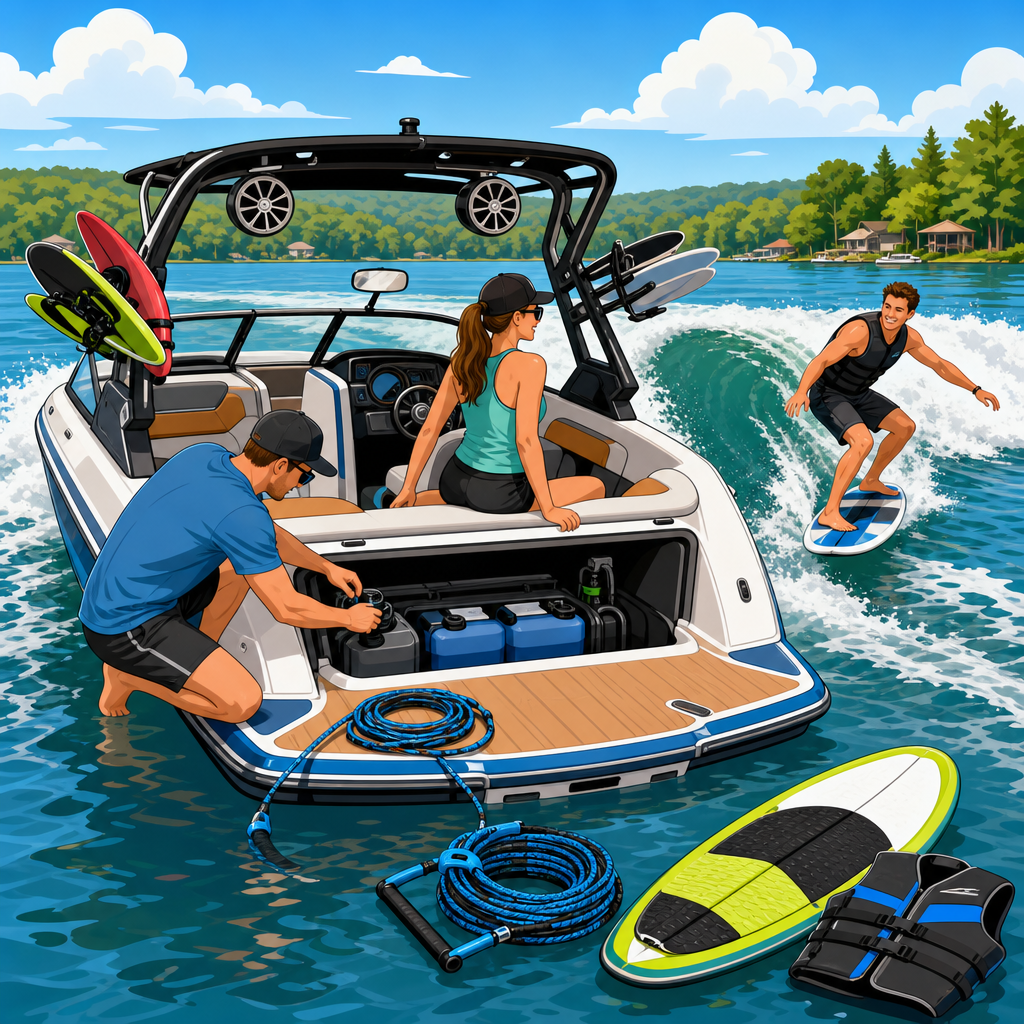
Weight management is another important aspect of fuel efficiency. Boats are designed with specific weight capacities, and exceeding this can diminish performance and efficiency. Distribute weight evenly to maintain balance and ensure all passengers and cargo are positioned correctly. An unbalanced boat requires additional power to maintain course, increasing fuel usage. Regularly audit your boat’s inventory to remove unnecessary items, thus lightening the load and enhancing efficiency.
Consider the placement of heavy equipment and fuel tanks. They should be strategically located to balance the boat’s pitch and plane, optimizing hydrodynamics. By keeping a mindful eye on load and balance, your boat remains agile and consumes less fuel. Some boaters employ ballast adjustments, shifting weight around for optimal trim and minimizing drag.
Improving Aerodynamics and Hydrodynamics
Improving your boat’s aerodynamics and hydrodynamics helps enhance fuel efficiency. For aerodynamics, minimize surface areas that catch wind by lowering biminis, canopies, or mast rigging when not needed. This reduction in resistance allows your boat to cut through the air more smoothly. Clean and wax the hull regularly to improve hydrodynamics, ensuring your vessel slides through water with minimal resistance.
Invest in a hydrodynamic hull design if you’re purchasing a new vessel or consider retrofitting your current one. Modern designs focus on minimizing drag, offering a significant boost in fuel economy. Consider installing trim tabs to aid in leveling the boat, ensuring it planes quickly and efficiently. Trim tabs adjust the angle of the hull, aiding smooth movement and reducing fuel-sapping drag.
Utilizing Technology and Innovation
Incorporating technology and innovation is an effective way to enhance boating fuel efficiency. Consider upgrading to newer engines designed with fuel economy in mind. Modern outboards often employ lean-burn technology, directly contributing to better fuel use without compromising power or performance. Digital fuel flow meters are invaluable for monitoring consumption and pinpointing inefficiencies. These systems allow boaters to track real-time fuel use, identifying areas for improvement and optimizing throttle settings for better efficiency.
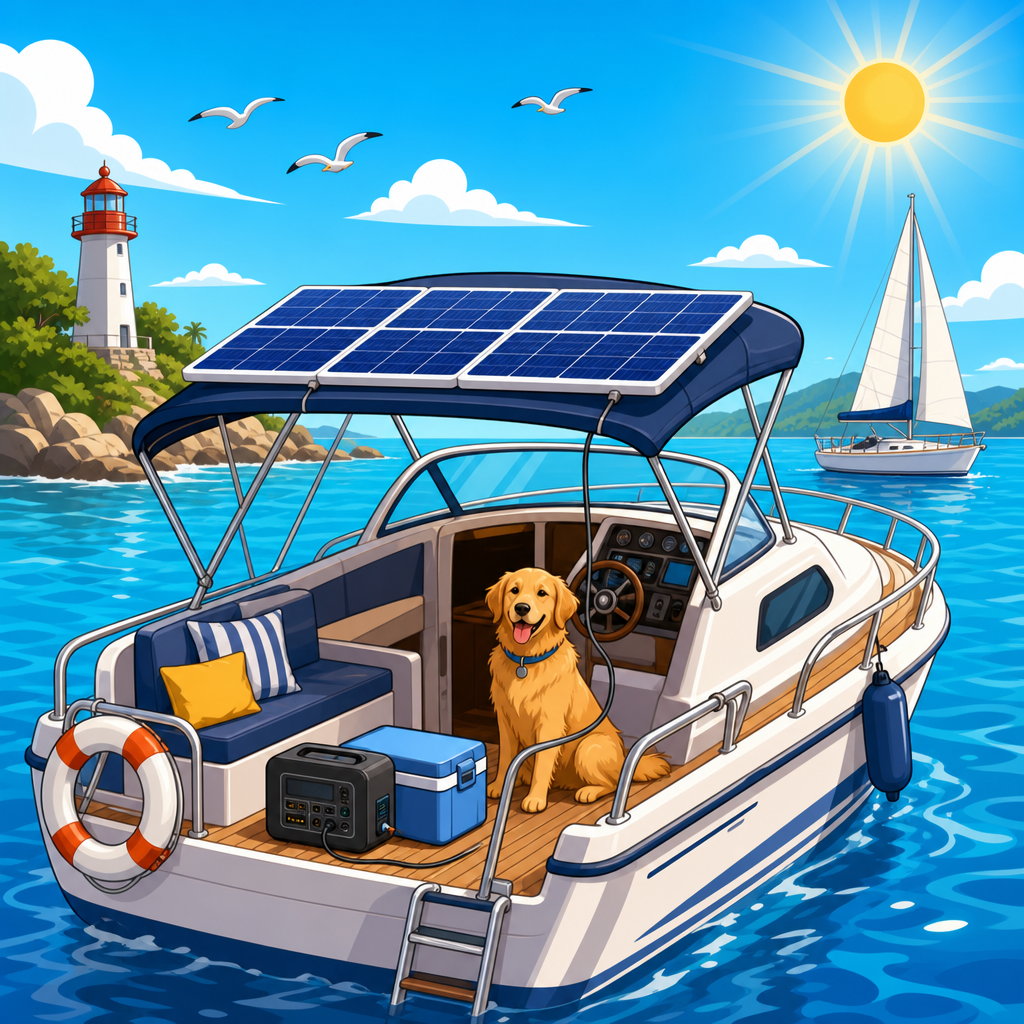
Additionally, electric propulsion systems are gaining traction and can be integrated into certain watercraft. They offer an eco-friendly alternative to traditional combustion engines, significantly decreasing fuel reliance. Pair your system with solar panels to capture renewable energy and extend your vessel’s range while minimizing environmental impact. For those not ready to invest heavily in new systems, portable power packs or energy-efficient trolling motors can supplement your main engine, providing propulsion when needed with less fuel use.
Education and Sustainable Practices
Education and sustainable practices play a critical role in promoting fuel efficiency. Engaging in boater safety courses and eco-friendly workshops broadens your knowledge, equipping you with the skills and understanding necessary for efficient navigation and operations. These courses often highlight additional strategies not widely known, offering you new perspectives on cutting fuel use.
Adopting sustainable practices also involves being mindful of your boating habits. Avoid idling for extended periods; instead, shut off the engine when docked or during prolonged stops. Actively participating in community conservation efforts and sharing your knowledge encourages a broader commitment to sustainability within the boating community. By aligning personal goals with collective efforts, the impact on fuel conservation is magnified, benefiting all involved.
Conclusion
Improving boating fuel efficiency entails a series of small, consistent actions that amount to significant savings. From regular maintenance and strategic navigation to harnessing technology and revisiting old habits, boaters have numerous ways to enhance their vessel’s performance. By focusing on proper upkeep, mindful traveling, and sustainable practices, we promote an environmentally responsible, cost-effective approach to enjoying our time on the water.
This effort requires a continual commitment to learning and adaptation, acknowledging that technology and knowledge in this field continually evolve. Encouraging a change in mindset and attitude towards boating leads to substantial improvements, as small changes can have large cumulative effects. As we become better informed and more aware of our actions, we not only improve our personal experiences but contribute positively to the ocean’s health and our community. Through these efforts, we ensure boating remains an enjoyable and environmentally sustainable activity for future generations.
Frequently Asked Questions
1. What are some practical ways to improve my boat’s fuel efficiency?
Improving your boat’s fuel efficiency can seem like a daunting task at first, but there are several practical steps you can take to ensure you’re getting the most out of your fuel. First, make sure your boat is well-maintained. Regularly check and service the engine – clean and replace fuel filters as needed, and ensure that the propeller is undamaged and the hull is clean of barnacles and other growth that can create drag. Adjust the trim of your boat properly; a well-trimmed boat operates more efficiently. Additionally, try to reduce unnecessary weight on board. Carry the essentials, and avoid overloading the boat, as more weight means more fuel consumption. Finally, practice efficient cruising speeds. Going full throttle might get you to your destination faster, but it consumes significantly more fuel. Find a sustainable speed that keeps you moving efficiently without using an excessive amount of fuel.
2. How does proper trimming affect the fuel efficiency of my boat?
Proper trimming plays a crucial role in the fuel efficiency of your boat. When your boat is correctly trimmed, it planes more effectively across the water, minimizing drag and resistance that the boat encounters. Optimal trim involves adjusting the angle of the boat’s bow relative to the water surface, allowing the hull to glide efficiently, thereby reducing the engine’s workload and fuel consumption. Improper trimming can cause unnecessary drag, increasing resistance and subsequently elevating fuel usage. The key is to achieve a balance where the boat runs smoothly and efficiently, which often means trimming the angle so that the hull nearly skims the surface of the water.
3. Why is regular maintenance so important for my vessel’s fuel efficiency?
Regular maintenance is the backbone of enhancing your boat’s fuel efficiency. Without consistent maintenance, your vessel might be running at less than optimal performance levels, leading to increased fuel consumption. For instance, an engine in need of service can have decreased efficiency, using more fuel to achieve less power output. Keeping the propeller free from damage ensures that it provides the maximum thrust without unnecessary fuel usage. Similarly, a clean hull minimizes drag, allowing for more efficient movement through the water. Routine inspections and timely replacements of parts like fuel filters, spark plugs, and oil can significantly extend efficiency and performance, ultimately leading to fuel savings and better engine health.
4. How does reducing weight impact the fuel usage of my boat?
Reducing weight is a straightforward method to boost your boat’s fuel efficiency. Essentially, the lighter the boat, the less fuel the engine needs to burn to move it. This is similar to how a car works; less weight means less energy is required to propel it forward. When a boat is heavily loaded, the engine must work harder to maintain speed, which translates to greater fuel consumption. By carefully evaluating what you’re storing or bringing along, you can significantly cut down on weight. Take a minimalist approach; carry only the supplies and equipment you need for the specific outing. This approach not only improves fuel efficiency but can also enhance the overall safety of the vessel by ensuring proper weight distribution and balance.
5. Is it cost-effective to invest in new technology for improving my boat’s fuel efficiency?
Investing in new technology can indeed be cost-effective in the long run by significantly improving fuel efficiency. Modern advancements like fuel flow meters can help you track fuel consumption in real-time, allowing you to adjust your boating practices accordingly. Upgrading to a more efficient outboard motor or adding gadgets like hydrofoils can also enhance performance, which directly contributes to better fuel economy. While the initial investment might seem high, these technologies often lead to substantial savings on fuel costs over time. Additionally, environmentally-conscious technologies not only reduce your carbon footprint but can also boost the overall market value of your boat. Consider these upgrades part of an ongoing investment in the efficiency and sustainability of your boating experience.