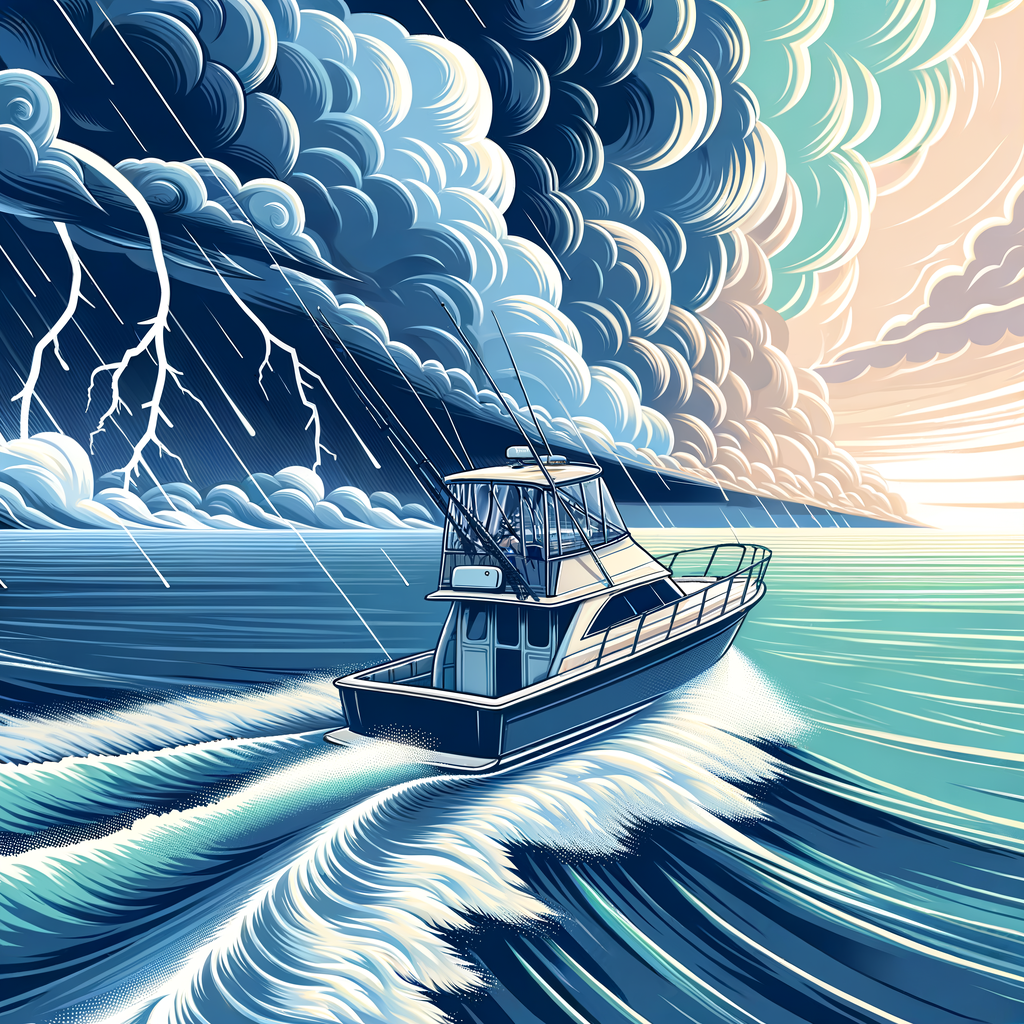
Boating can be an exhilarating experience, offering a unique opportunity to connect with nature and enjoy the open water’s tranquility. However, one of the potential risks that every boater must be prepared for is getting caught in a storm. Inclement weather can transform a pleasant day on the water into a dangerous and challenging situation. Understanding how to navigate these conditions safely is crucial for every boater’s well-being. By following specific guidelines and taking precautionary measures, you can ensure your safety and minimize the risks associated with stormy weather.
In this article, we will discuss comprehensive strategies to help you manage the situation effectively if you get caught in a storm while boating. These strategies will cover all necessary actions, from understanding weather patterns and preparing your vessel before setting out, to implementing safety measures during the storm, and knowing what steps to take if the situation becomes critical. Proper preparation, knowledge of safety protocols, and calm demeanor are vital in turning a potentially hazardous experience into a manageable one. We’ll also explore essential equipment and resources that can support you in these unforeseen circumstances.
This extensive guide aims to equip you with practical advice and expert recommendations to maintain control and ensure your safety on the water. By becoming informed about how to handle unexpected conditions, you are taking a proactive approach to protecting yourself, your passengers, and your vessel. As we walk through the following sections, you’ll gain the confidence needed to face adverse weather with preparedness and poise.
Understanding Weather Patterns and Preparing Before Departure
Before embarking on any boat trip, it’s crucial to gain a comprehensive understanding of weather patterns and forecasts. Start by consulting reliable weather sources such as the National Weather Service, which provides updates specifically tailored for marine environments. Weather apps and marine radios can also be instrumental in delivering real-time information about atmospheric changes. Always check for any storm warnings, wind advisories, or sudden shifts in weather before you set sail. Recognizing these signs early can prevent you from exposing yourself to unnecessary risks.
Preparing your vessel before departure is another critical step. Ensure that your boat is equipped with essential safety gear, including life jackets for all passengers, flares, a first-aid kit, and navigational tools such as a compass or GPS device. Additionally, having a fully functional marine radio is imperative for emergency communication. Check that your onboard bilge pumps are operational and that all electrical systems are working correctly. Securing loose items and reducing excess weight can also help stabilize your boat during turbulent weather.
Recognizing Early Signs of Storms
It’s important to learn how to recognize the early signs of a storm while you’re on the water. Sudden temperature drops, shifts in wind direction or speed, and the rapid development of dark, ominous clouds are strong indicators of an impending storm. Observing changes in sea conditions, such as swelling waves or choppy water, may also suggest that a storm is approaching. Pay attention to these signs and reassess the situation continuously to determine whether it’s prudent to continue or seek shelter.
Once you notice these indicators, communicate with your crew and make a collective decision. Safety must always be the priority and, if needed, start executing your storm contingency plans promptly. Use your marine radio to stay updated on weather alerts and broadcast your current location and intended course, giving updates to local marinas or coast guards as necessary. Practicing proactive communication will ensure that you remain informed and prepared to make quick, informed decisions as circumstances evolve.
Navigational Tips During a Storm
If you find yourself caught in a storm, it’s imperative to remain calm, focused, and deliberate in your actions. Reduce your speed to maintain control over your vessel and prevent damage due to high winds or waves. Heading into the waves at a 45-degree angle can minimize the impact, balancing the stress on your boat and maintaining course stability. Avoid traveling directly into, or parallel to, the waves to reduce the risk of capsizing or encountering broaching conditions.
Keep the bilge pumps on to prevent water accumulation, and consistently check for any signs of leakage or hull damage. Maintain visual contact with fixed navigational points when possible, and consistently refer to your GPS or compass for accurate direction. Be wary of lightning; ensure that metallic objects are avoided and remain inside the cabin or covered areas to minimize the risk of exposure to electrical storms. Constantly assess your surroundings, and make adjustments to your course as necessary to avoid unexpected obstacles or treacherous waters.
Communication and Emergency Protocols
Effective communication is vital during a storm. Use your marine radio to maintain contact with local maritime authorities, and provide them with continuous updates about your situation. Knowing your exact position can expedite rescue missions if necessary, so familiarize yourself with basic navigational beacons and signage around your location. Having a flare gun and signal mirror can provide visual indications of your position during low visibility conditions, allowing rescuers to locate you more efficiently.
Should the situation worsen, activate your Emergency Position Indicating Radio Beacon (EPIRB) or Personal Locator Beacon (PLB), which can send your co-ordinates to rescue teams via satellite. Establish a pre-determined checklist with your crew that includes steps to take in an emergency, ensuring that everyone is aware of their roles and duties. Regular drills before setting sail can keep the crew prepared and responsive in extreme scenarios. Staying composed, resourceful, and communicative will augment your chances of emerging safely from the storm.
Conclusion
Encountering a storm while boating can be a daunting experience, but with the right preparation and awareness, it can be managed safely. Understanding weather patterns, ensuring thorough pre-departure checks, and honing the ability to recognize early storm indicators are your initial lines of defense in avoiding dangerous situations. By equipping your vessel with appropriate safety gear and maintaining constant communication with maritime authorities, you bolster your preparedness and ability to assess and act correctly when conditions degrade.
During the storm, adopting practical navigational techniques, enforcing strict safety protocols, and utilizing emergency communication tools can greatly enhance your safety. Preparing for the unexpected ensures that you can remain steady, wise, and collected throughout the ordeal. Every decision made during these critical times must be informed by practical knowledge, teamwork, and meticulous planning.
Incorporating these strategies into your regular boating practices will not only enhance your confidence but also improve your competence as a sailor. Remember, readiness is key, and by actively taking preventative measures, you can navigate stormy waters with assurance and safety, transforming potentially perilous experiences into testimony of your seamanship and preparedness.
Frequently Asked Questions
1. What should I do immediately if I find myself caught in a storm while boating?
First and foremost, safety should be your top priority. Immediately reduce speed to maintain better control of your vessel and avoid sudden movements that could cause accidents. Ensure that all passengers onboard secure themselves safely, either by sitting low or using available safety lines or hand grips. It is crucial to don life jackets if they aren’t already on. These safeguard you against unexpected falls or if you are forced to abandon the vessel. Next, ensure your boat’s navigation lights are on, even during daylight, as this increases your visibility to other vessels that might also be navigating through the storm.
One of the key actions is to head the bow into the waves at a 45-degree angle. This approach minimizes the chances of taking on water and helps prevent capsizing. Avoid heading directly into the waves or letting them hit the side of your vessel, which could be disastrous. Lastly, constantly monitor the VHF radio for weather updates and emergency broadcasts. Staying informed can give you a significant advantage in anticipation and reaction as the storm evolves.
2. How can I best prepare for sudden weather changes before heading out onto the water?
Preparation begins even before you hit the water. Checking a reliable weather forecast is a crucial initial step. Make sure you’re aware of the day’s weather outlook, focusing on potential changes in weather patterns that might lead to storm conditions. Equipping your boat with essential safety gear such as life jackets, flares, fire extinguisher, first-aid kit, and a VHF radio is non-negotiable. These items could be life-saving if a storm develops.
Additionally, understanding your boat’s limitations is essential. Know what conditions your vessel can handle and how severe weather might impact its performance. It’s also beneficial to familiarize yourself with emergency procedures, including distress signals and how to use the safety gear. Finally, let a trusted person know your float plan, including departure and return times and your boating route. This information is critical, enabling someone on land to alert authorities if you’re overdue or in trouble.
3. How do I navigate effectively through a storm to ensure the safety of everyone on board?
Navigating through a storm demands a calm and decisive approach. Keeping your vessel’s bow angled slightly towards the waves, typically at 45 degrees, helps maintain balance and control, reducing the risk of capsizing. Avoid making any sudden or sharp turns, as these increase the chances of rolling over due to the rough conditions. At the same time, maintain a steady, moderate speed that allows you some maneuverability without compromising the stability of the boat.
It also helps to have a clear understanding of your location and the nearest safe points, such as harbors or sheltered bays. Using onboard navigation systems, like a GPS, can assist with this task. In the absence of sophisticated navigation equipment, having a paper chart and a compass can be invaluable. Moreover, frequent communication with the coast guard or nearby vessels could provide additional support if conditions worsen. Communication is your lifeline, ensuring you can call for help or advice if needed.
4. What role does communication play when caught in a storm, and who should I contact?
Communication is a critical element when facing any dangerous situation at sea, especially during a storm. Use your VHF radio to broadcast your location, situation, and intentions to alert nearby vessels and the coast guard. Channel 16 is the international distress frequency, and reaching out on this channel enables rescuers to react swiftly to any emergency you might encounter.
Informing the coast guard or marine patrol not only gives them the ability to monitor your situation but also expedites any rescue efforts if your circumstances escalate. If your emergency radio isn’t working, use your cellphone or any available device to connect with people onshore or emergency services. Efficient and clear communication helps those capable to assist you directly and preemptively reduces the time it takes for help to arrive should you need it.
5. What common mistakes should I avoid if trapped in a storm while boating?
One of the most common mistakes is to panic. Letting fear dictate your actions can lead to poor decision-making and inadvertently increase the risk to all aboard. Instead, stay calm and focused, working through each step methodically. Another mistake is ignoring the weather by assuming it will quickly pass. This underestimation can prevent timely actions that mitigate danger, such as altering course or heading to shore.
Avoiding proper boat handling techniques, like steering into the waves incorrectly, can quickly lead to dangerous situations like broaching or capsizing. It’s also crucial to not neglect communication; failing to keep others informed of your situation may delay help if required. Lastly, do not ignore the safety behavior of passengers. Secure everyone on deck, insist on life jackets, and ensure they understand the importance of staying calm. Learning from others’ mistakes equips you better to handle a storm safely and responsibly.