
Boating, whether for leisure or competition, is an exhilarating pursuit that demands a keen understanding of various environmental factors, with wind being one of the most crucial. Recognizing and interpreting wind patterns can significantly enhance both the safety and enjoyment of this activity. Wind influences every aspect of boating, from navigation and speed to stability and maneuverability. The relationship between wind and boating is intricate and multifaceted, yet essential for anyone who spends time on the water. Understanding wind dynamics involves grasping fundamental concepts such as wind speed, direction, and its variability. Additionally, boaters must consider the influence of geographical features on wind patterns, which can create unique local conditions. With this knowledge, boaters can make informed decisions to optimize their vessels’ performance while ensuring their safety. This article delves into the nature of wind and its profound effects on boating, offering insights vital for both novice and experienced enthusiasts alike.
Understanding Wind: The Basics
Wind is essentially the movement of air caused by differences in atmospheric pressure. Air flows from areas of high pressure to regions of low pressure, and this movement is what we perceive as wind. Key parameters define wind: speed, direction, gusts, and variability. Wind speed is measured in knots, a nautical term equating to one nautical mile per hour, where one knot equals approximately 1.15 miles per hour. Accurate measurement of wind speed is fundamental as it directly affects a boat’s handling and speed potential. Instruments such as anemometers provide real-time data crucial for navigational decisions.
Wind direction, another vital component, is defined as the direction from which the wind originates, not where it blows towards. Mariners use terms like ‘nor’easter’ to denote winds coming from the northeast. Reliable navigation hinges on understanding both wind speed and direction, allowing sailors to set sails appropriately and plot optimal courses. Wind gusts pose additional challenges. These are sudden, brief increases in wind speed, usually lasting for a few seconds. Boaters must be vigilant and prepared for these potential shifts, which can impact a vessel’s balance and speed.
Local topography and water body characteristics can dramatically influence wind behavior. Hills, cliffs, and urban landscapes can create wind shadows, funneling effects, and turbulence, altering the wind’s impact on a boat. Similarly, bodies of water vary in their response to wind based on size, shape, and geographical positioning, with lakes, rivers, and open seas each presenting unique wind behaviors. For instance, mountain ranges near a coastline may create katabatic winds, which descend rapidly and have the potential to be dangerously powerful.
The Effects of Wind on Boating
Wind significantly affects boating in various ways, from enhancing the experience to posing potential hazards. Sailing, as an activity, is inherently bound to wind as it propels the vessel. By capturing wind in their sails, sailors harness its power, allowing the boat to move. Thus, learning how to trim and set sails in accordance with the wind is essential. Over-trimming or under-trimming can lead to inefficiencies and reduced speeds. Wind influences not only speed but also the boat’s ability to navigate effectively to a chosen destination. Experienced sailors use techniques like tacking and gybing to sail against or with the wind, emphasizing the importance of understanding wind angles and maneuvering skills.
Wind also impacts motorized boats, where directional stability and control can be compromised. High winds challenge a boater’s ability to maintain course, particularly in lighter and smaller vessels which are more susceptible to drifting. This drift occurs when the wind pushes the boat sideways, complicating navigation and requiring corrective steering. Moreover, wind-induced waves can further increase the challenge. Waves and swells, especially in open waters, demand additional skill and attention as they may influence a boat’s motion and stability. Navigating waves involves strategies like avoiding head-on collisions which could lead to an uncomfortable ride, damage, or capsizing in severe conditions.
On a safety level, wind can escalate otherwise manageable weather conditions into potential threats. During a storm, what might begin as a moderate breeze could escalate into dangerous winds, creating rough seas and challenging navigation conditions. Boaters must be prepared for such eventualities by continuously monitoring weather updates and wind forecasts. Preparation involves ensuring that all safety equipment is operational and easily accessible. Knowing when to seek shelter or head back to port is a critical skill that can prevent accidents or mishaps.
The occurrence of microbursts, intense downdrafts that spread out when they hit the water surface, can also affect boating. These events can produce winds of up to 168 mph over a small area, posing immediate risks to boats in the vicinity. While they are unpredictable and can occur with little warning, keeping an eye on sudden weather changes and darkening skies can provide an early cue to seek shelter or prepare for turbulent conditions. Equipping boats with modern weather monitoring devices that alert crews to sudden shifts in wind patterns can prove invaluable in such scenarios.
Navigating Wind Challenges
Managing wind’s impact on boating requires a blend of knowledge, skill, and technology. For starters, understanding weather reports and forecasts is fundamental. Modern technology provides sailors with access to sophisticated tools that predict wind conditions, including dedicated weather apps and maritime forecast services. These tools give comprehensive outlooks on upcoming wind shifts and intensities, enabling boaters to plan their trips accordingly. Proper trip planning encompasses choosing the right days and times to travel, factoring in peak wind periods, and selecting routes that minimize exposure to strong winds.
Meanwhile, mastering sail control can make a significant difference to a sailing experience. Setting sails correctly, based on wind strength and direction, can optimize speed and control. Techniques such as reefing, which reduces the sail area exposed to the wind, can be crucial when facing strong winds. Smaller sails generate less power and facilitate easier steering, offering more control in challenging wind conditions. Newer sail materials and designs also provide options for maximizing efficiency, making it possible for boaters to tailor their sails to match specific wind conditions precisely.
For motorboat operators, understanding how to compensate for wind drift is crucial. Navigating across or into strong winds requires maintaining an angle, known as “crabbing,” to counteract the force of the wind. This technique ensures the boat stays on its intended course without significant deviation. Moreover, maintaining an appropriate speed can aid in controlling the boat’s response to wind pressure and waves. The strategic use of throttles and helm can stabilize the boat, ensuring smoother transitions over waves and better steadiness against gusts.
Additionally, knowing how to read water conditions is valuable. Wind creates ripples and waves whose patterns can reveal much about the wind’s speed and direction as well as changes in its consistency. By learning to interpret these cues, boaters develop the skill to anticipate conditions, allowing for quicker adjustment to sails or throttle settings. Understanding these nuances contributes significantly to a more predictable and controlled boating experience.
Conclusion
In conclusion, understanding wind and its effects on boating is not just a technical necessity but also an art form that enriches the maritime outing. The interplay between wind strength, direction, and a boat’s response transforms each trip into a unique encounter with the elements, demanding a combination of keen observation, tactical planning, and responsive adaptation from the boater. Whether under sail or power, the dynamics of wind challenge and refine navigational skills, teaching respect for nature and the need for preparedness. Equipped with modern technology and enriched by traditional skills passed through generations, today’s boaters are better positioned than ever to engage with the wind safely and sportively.
Ultimately, mastering wind dynamics enhances the joy and safety of boating, allowing enthusiasts at all levels to experience the full delight and challenge that comes with being on the water. By diligently applying knowledge of wind behavior, continually honing skills, and staying abreast of technological advancements, boaters can navigate confidently, making informed choices that lead to rewarding and secure sailing experiences. A well-rounded understanding of wind not only equips boaters to handle adverse conditions but also enables them to harness the wind’s power to create unforgettable journeys. With wind awareness at the forefront of boating activities, individuals can cultivate a symbiotic relationship with their environment, translating respect for natural forces into smoother and more prosperous voyages.
Frequently Asked Questions
1. How does wind direction affect boating?
Wind direction is a pivotal aspect of boating, influencing the course and strategy of your journey. Understanding and determining wind direction can help you decide the safest and most efficient route. When you’re heading into the wind, your boat needs to exert more power to counteract the resistance, effectively slowing it down. This is known as “beating into the wind.” On the other hand, traveling with the wind pushing from behind, often referred to as “running downwind,” allows your boat to move faster with less effort. Additionally, when the wind blows perpendicular to your course, it’s known as being on a “beam reach,” which typically offers an ideal combination of speed and stability. Navigating in each of these scenarios requires different techniques and caution to ensure both maximum performance and safety.
2. Why is it important to understand wind speed when boating?
Wind speed is crucial because it directly influences the stability and controllability of your vessel. High wind speeds can create challenging conditions, generating larger waves and currents that can affect your boat’s handling. The Beaufort Wind Force Scale is often used by boaters to estimate wind speed. It begins at 0, indicating calm conditions, and extends to 12, representing hurricane-force winds. For example, winds at a force of 4 (13-18 mph) are typically manageable for most boating activities but still demand attention for optimal control, while anything above force 8 (39-46 mph) might be too dangerous for small craft to navigate safely. Additionally, adjusting the trim of your sails or throttle appropriately to the wind speed is fundamental in optimizing your boating performance and ensuring safety.
3. What are the effects of gusty winds on a boating experience?
Gusty winds can pose serious challenges while on the water, especially for smaller vessels. These sudden bursts of high-intensity wind can rapidly change your course, stability, and momentum. A gust might cause your boat to heel over sharply, which can be unsettling and, at times, dangerous. Rapid alterations in wind direction and speed require quick reflexes and deft maneuvering to keep the boat stable and on course. When you anticipate navigating through areas known for gusty conditions, it’s wise to stay alert and minimize sail area, which reduces the force exerted by gusts. Understanding your boat’s limitations in such conditions and knowing how to react swiftly ensures that you and your crew remain safe.
4. How does wind impact the maneuverability of a boat?
The maneuverability of a boat is significantly impacted by wind. When you’re looking to make turns or navigate tight channels, a well-practiced understanding of how wind interacts with your boat’s structure is vital. For instance, in strong crosswinds, a phenomenon known as “weather-helm” may occur, where the boat naturally wants to turn into the wind, requiring constant correction from the helm. Conversely, “lee helm” is when a vessel turns away from the wind, which requires plans to counteract these natural tendencies to maintain course. Moreover, when docking or casting off, understanding how the wind will affect your movements helps in planning the right approach and execution. Gaining proficient skills in these wind-dominated maneuvers translates into confident and efficient navigation especially in harbors or close-quarter situations.
5. What safety precautions should be taken considering the wind while boating?
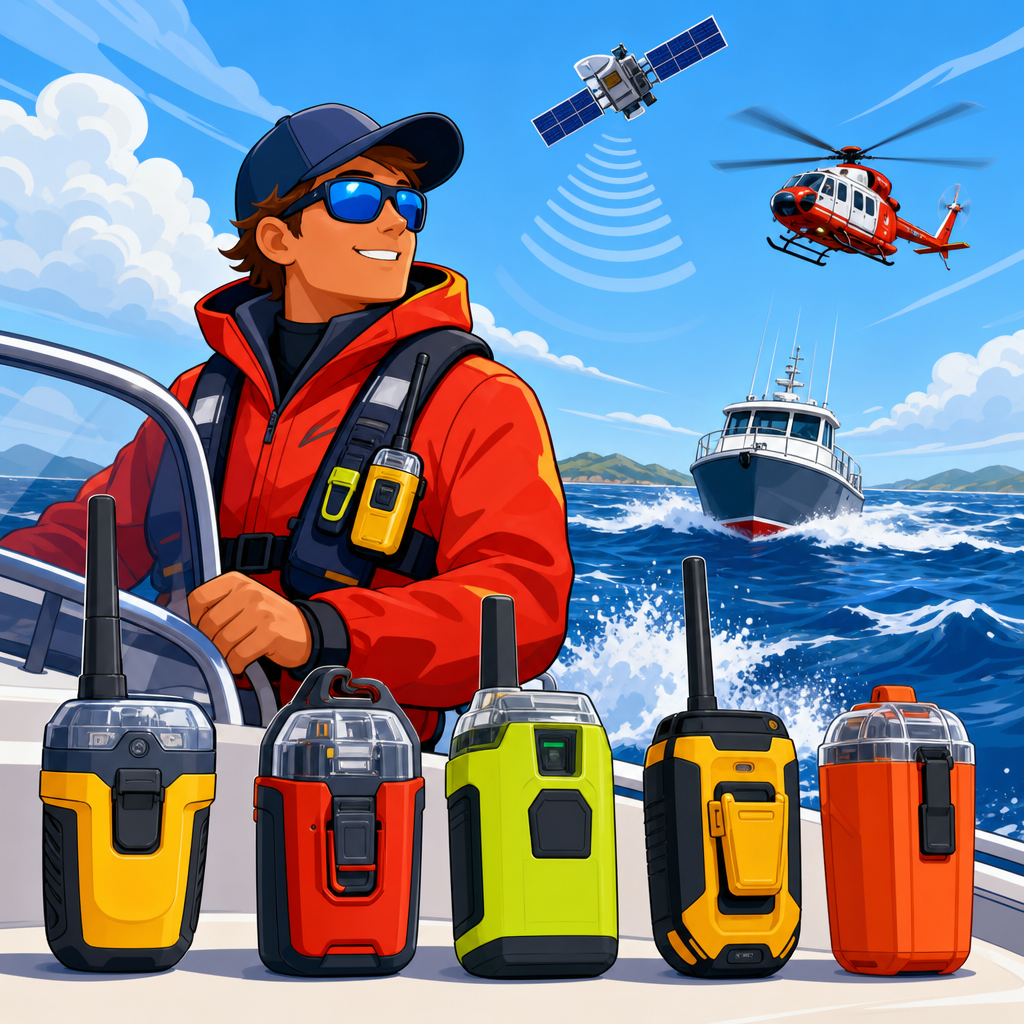
Adopting robust safety precautions relative to wind conditions is paramount to ensure a secure boating experience. To start, always check weather forecasts before you set out. Look for real-time data on wind speeds and directions to understand what you might be facing. Equip your boat with adequate life-saving gear such as life vests or jackets, and ensure you have functional communication devices to call for aid if needed. Adjust your sails or throttle based on wind conditions to avoid overloading your craft. Always have a contingency plan in case of a sudden change in weather, including evacuation routes or safe harbors. Keeping an eye on wind patterns and changes around you can often give you a heads-up, allowing you time to prepare and avoid sudden storms or dangerous situations. Education in recognizing these conditions and thorough preparation trains you to anticipate and handle unforeseen circumstances adeptly.