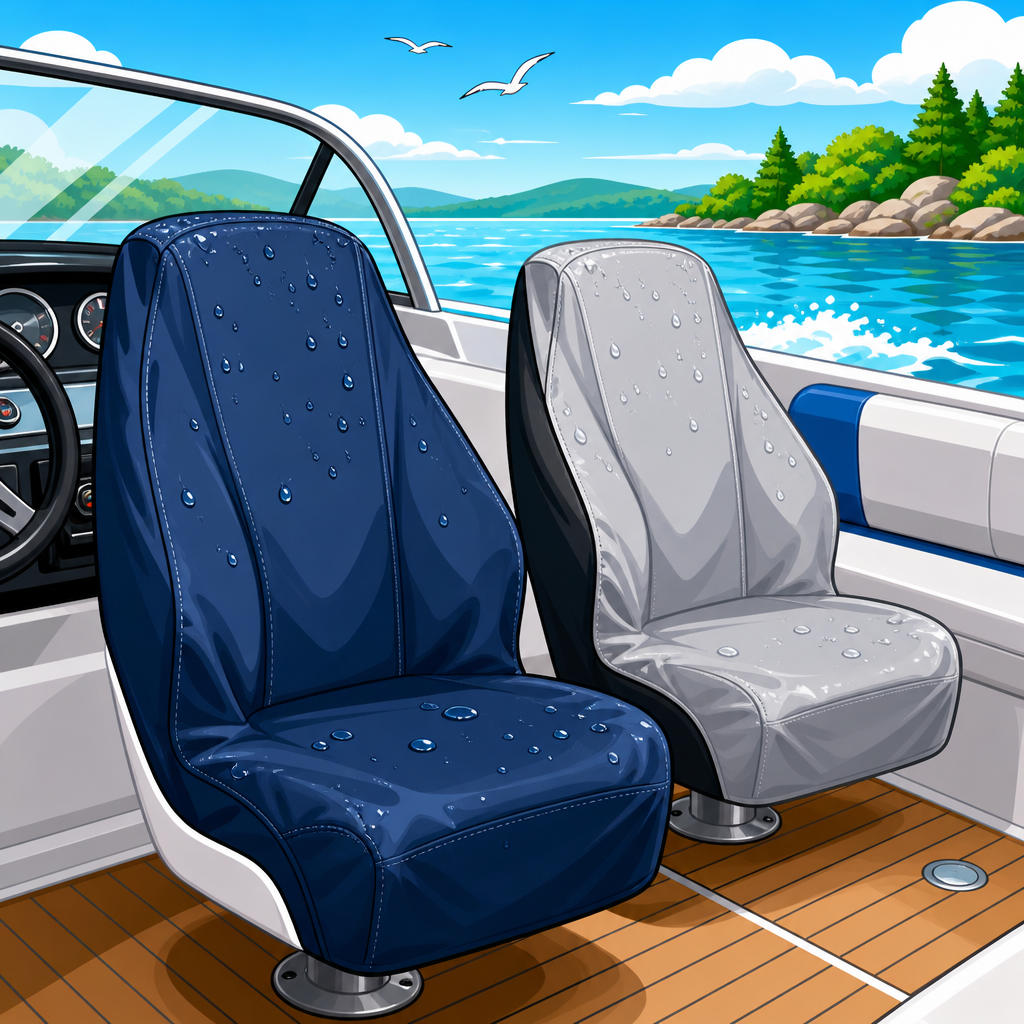
Boat seats collect some of the toughest marine grime because they combine soft, porous surfaces with constant exposure to water, body oils, sunscreen, fish residue, and ultraviolet light. Learning how to remove stains and mildew from boat seats is not just a cosmetic task; it is a core part of protecting marine vinyl, preserving stitching, preventing odors, and extending the life of expensive seating. In the broader world of boating gear and equipment, maintenance and cleaning supplies deserve the same attention as electronics or safety hardware because neglected upholstery fails early, looks dated, and can even become a hygiene problem in humid conditions.
When boaters talk about seat stains, they usually mean visible discoloration from dirt, food, blood, rust transfer, tannins, ink, or mildew. Mildew is a surface fungus that thrives in damp, low-ventilation environments and often appears as black, gray, green, or pink spotting. On marine seats, mildew may sit on top of vinyl, grow into trapped organic residue, or spread into foam and seams if moisture remains in place. Removing it effectively requires more than wiping with soap. You need the right cleaners, correct dwell time, gentle agitation, and an understanding of what damages marine materials.
I have cleaned everything from lightly spotted pontoon lounges to heavily stained center-console cushions that spent an entire off-season under a leaking cover. The biggest mistake I see is aggressive treatment: household bleach sprayed full strength, magic-eraser abrasion on textured vinyl, or stiff deck brushes used on stitching. Those methods may make a seat look better for a week, but they often dry the vinyl, weaken thread, remove protective topcoats, and shorten service life. Good results come from targeted chemistry, patience, and consistent preventive care.
This hub article covers the full maintenance and cleaning supplies picture for boat seats: what causes staining, which products and tools work, how to clean safely, when mildew becomes a deeper restoration issue, and how to prevent the problem from returning. It also serves as a practical foundation for related upholstery care, marine protectants, storage covers, cockpit ventilation, and seasonal maintenance routines. If you want boat seats that stay clean, smell fresh, and last through repeated seasons on the water, the process starts here.
Why Boat Seats Stain and Mildew So Easily
Boat seats are usually made from marine-grade vinyl stretched over foam and attached with backing materials, staples, and stitched seams. Marine vinyl is designed for moisture resistance and UV exposure, but it is not immune to contamination. Dirt settles into embossed texture, sunscreen leaves oily films, and standing water creates the damp, nutrient-rich environment mildew needs. Saltwater accelerates residue buildup, while freshwater lakes often introduce pollen, leaf tannins, and mud. Even clean-looking seats may hold invisible organic matter that feeds fungal growth.
Mildew develops when three conditions meet: moisture, warmth, and a food source. The food source is rarely the vinyl itself. More often it is body oil, spilled drinks, fish slime, airborne dust, soap residue, tree debris, or moisture trapped in thread and foam. Covered boats are especially vulnerable if the cover sheds rain but traps humidity. I often find the worst spotting under folded backrests, beneath snap-on cushions, or along seams where water pools after a storm. Once the foam becomes saturated, surface cleaning alone may not solve odor or recurring spots.
Understanding this cause-and-effect matters because treatment should match the contamination. Light sunscreen transfer needs a degreasing cleaner. Organic staining responds to enzyme or oxygen-based products. Rust transfer needs a specialized rust remover approved for marine vinyl. Mildew requires both removal of visible growth and elimination of the moist conditions that allowed it to spread in the first place.
Best Cleaning Supplies for Boat Seat Maintenance
The most effective maintenance and cleaning supplies for boat seats are simple, purpose-built, and non-destructive. Start with a dedicated marine vinyl cleaner from established brands such as 303, Star brite, Meguiar’s, or Babe’s Boat Care Products. These cleaners are formulated to lift grime without stripping plasticizers that help vinyl remain flexible. Keep a soft-bristle interior brush, microfiber towels, a bucket of fresh water, nitrile gloves, and a wet/dry vacuum on hand. For mildew-prone boats, a mildew stain remover labeled safe for marine vinyl is worth keeping in the locker.
Specialty products matter because household all-purpose cleaners often contain solvents or alkalinity levels that are too harsh for repeated use. Ammonia can dull surfaces. Chlorine bleach may attack stitching and discolor colored panels. Petroleum-based products can leave slippery residue or weaken adhesives. I also recommend having an oxygen-based stain treatment for organic spots, an enzyme cleaner for odor-causing residue, and a marine protectant with UV inhibitors for follow-up care.
| Cleaning problem | Recommended supply | Why it works | Key caution |
|---|---|---|---|
| General dirt and body oils | Marine vinyl cleaner | Lifts everyday grime without harsh solvent action | Do not let cleaner dry on the seat |
| Surface mildew spotting | Marine mildew stain remover | Targets fungal discoloration quickly | Test first on colored vinyl and stitching |
| Organic stains and odors | Enzyme or oxygen-based cleaner | Breaks down residue from food, fish, and spills | Needs dwell time to work well |
| Seam moisture and trapped water | Wet/dry vacuum and absorbent towels | Removes moisture that encourages regrowth | Cleaning without drying invites mildew back |
| UV fading and surface drying | Marine vinyl protectant | Adds UV screening and reduces future cracking | Apply only after complete cleaning |
If you maintain several boats or clean professionally, add soft detailing brushes, compressed air for seam debris, a handheld steamer used cautiously on low output, and a moisture meter for diagnosing soaked cushions. The right kit speeds work and reduces the temptation to use harsh shortcuts.
How to Remove Stains and Mildew from Boat Seats Safely
Start by moving the boat into shade or working early in the day. Heat causes cleaners to evaporate too quickly and increases the chance of streaking. Vacuum or dry-wipe loose debris first so you do not grind grit into the vinyl. Then test your chosen cleaner on a hidden area, especially if the seat has colored inserts, decorative stitching, or aftermarket repairs. This quick test catches dye instability before you treat the visible panel.
For routine grime, spray marine vinyl cleaner onto a towel or directly onto the seat in a manageable section. Let it dwell for the time listed on the label, usually thirty seconds to a few minutes. Agitate lightly with a soft brush in circular motions, paying attention to grain texture and seam edges. Wipe away loosened contamination with a clean microfiber towel, then rinse with a damp cloth or fresh water according to product instructions. Repeat rather than scrubbing aggressively.
For mildew stains, first confirm whether the marks are on the surface or appear to be bleeding through from inside the cushion. Surface spotting often responds to a vinyl-safe mildew remover. Apply it sparingly, allow dwell time, brush gently, and wipe thoroughly. If the spotting is concentrated around seams, use a towel to blot rather than force liquid deeper into the cushion. After cleaning, remove as much moisture as possible using dry towels and a wet/dry vacuum at seam lines and piping. Airflow is essential; open compartments, remove cushions if possible, and let fans move air across both sides.
For stubborn stains, match the treatment to the source. Greasy sunscreen marks may need a stronger marine degreaser approved for upholstery. Fish blood often lifts better if treated promptly with cool water and an enzyme cleaner rather than hot water, which can set proteins. Leaf and tannin stains may need repeated oxygen-based treatment. Ink is difficult and should be approached carefully because strong solvents can permanently alter vinyl finish. In every case, the safest method is progressive: least aggressive product first, stronger specialty treatment second, replacement only when cleaning fails.
What Not to Use on Marine Vinyl
Many ruined boat seats come from good intentions and bad product choices. Avoid full-strength household bleach unless the seat manufacturer explicitly approves a dilution and method. Even where bleach is allowed in limited form, repeated use can embrittle stitching, fade color, and shorten the life of seam construction. Avoid abrasive powders, stiff bristle brushes, and melamine foam used with heavy pressure; they can wear away the protective top layer that gives vinyl its appearance and stain resistance.
Do not use acetone, lacquer thinner, undiluted alcohol, or engine degreaser on upholstery. These chemicals may remove the stain and the finish together. Pressure washers are also risky. High pressure can force water into seams and foam, exactly where mildew becomes harder to solve. Steam cleaners should be used carefully and only at controlled temperatures because excessive heat may distort adhesives or warp lower-quality materials. If a product is not clearly labeled for marine vinyl, test cautiously or skip it.
The practical rule is simple: if a cleaner works by being harsh, it is probably wrong for routine seat care. Marine upholstery lasts longer when cleaned often with mild chemistry than when rescued occasionally with aggressive chemistry.
When Stains Keep Coming Back
Recurring mildew usually means the cleaning step succeeded but the drying or storage step failed. If black specks return within days, inspect beneath cushions, inside storage compartments, under mooring covers, and around snapped seams where water may be collecting. Check for clogged cockpit drains, leaking cover seams, wet life jackets stored against upholstery, and foam that never fully dries. On older boats, cracked vinyl can allow water into the cushion core, making every rain event a reset.
At that point, cleaning supplies alone may not be enough. If the seat smells musty after repeated surface cleaning, remove the cushion and inspect the underside. Backing board rot, rusted staples, mold in foam, and seam failure often require reupholstery or foam replacement. A professional marine upholsterer can usually tell whether the problem is salvageable in minutes. Replacing one waterlogged cushion is often cheaper than repeatedly buying stain removers while mildew spreads to adjacent seating.
This is also where a maintenance hub approach helps. Seat cleaning connects directly to cover quality, ventilation, dehumidifying products, storage habits, and seasonal inspection. Upholstery care is not an isolated chore; it is a system.
Prevention: The Most Effective Boat Seat Cleaning Strategy
The best way to remove stains and mildew from boat seats is to prevent deep contamination from forming. Wipe seats down after every outing, especially after swimming, fishing, or applying sunscreen. Dry standing water from seams before installing the cover. If your boat stays in the water, ventilate whenever conditions allow, and consider support poles or vented covers that reduce trapped humidity. In enclosed storage, moisture absorbers or a small marine-safe dehumidifier can make a measurable difference during humid months.
Apply a marine vinyl protectant every few weeks in peak season or according to label directions. A quality protectant reduces UV breakdown, helps future soil release more easily, and keeps vinyl from drying out. Just as important, inspect seat seams at the start and end of the season. Small split stitches become water-entry points, and early repair prevents mildew from colonizing foam. Keep harsh chemicals for decks, bilges, and engines stored separately so they are never used on upholstery by mistake.
Build a simple routine: quick wipe after use, deeper clean monthly, mildew inspection during wet weather, protectant after cleaning, and full drying before storage. That routine costs less than replacement upholstery and keeps the boat looking cared for every time you leave the dock.
Clean, dry boat seats change how the entire boat feels. They improve appearance, reduce odors, protect resale value, and make every trip more comfortable for passengers. The key lessons are straightforward: use marine-safe cleaning supplies, identify whether the stain is dirt, oil, organic residue, or mildew, clean with the least aggressive effective method, and solve the moisture problem so stains do not return. Most vinyl seats can be restored successfully when treated early, but deeply saturated cushions may need professional repair or replacement.
As the central guide in maintenance and cleaning supplies for boating gear and equipment, this article gives you the framework to make smarter product choices and better maintenance decisions. The same principles extend to cockpit upholstery, helm seating, bolster pads, removable cushions, and covered storage areas throughout the boat. Good cleaning is not about one miracle product. It is about matching the cleaner to the stain, protecting materials, and building habits that stop mildew before it starts.
Walk your boat this week, inspect every seat seam and cushion underside, assemble the right vinyl-safe cleaners and drying tools, and treat any spots before they spread. A short maintenance session now will save money, preserve your upholstery, and keep your boat ready for the next day on the water.
Frequently Asked Questions
What is the safest way to remove stains and mildew from boat seats without damaging marine vinyl?
The safest approach is to start with the least aggressive cleaning method and only move to stronger products if needed. Begin by brushing away loose dirt, sand, and debris with a soft brush or microfiber cloth so abrasive particles do not scratch the surface while you clean. Then wash the seats with a mild solution of warm water and a marine-safe soap or gentle dish soap. Use a soft sponge or cloth and work in small sections, paying close attention to seams, piping, and textured areas where mildew and grime tend to collect.
For mildew or stubborn staining, use a cleaner specifically labeled for marine vinyl or boat upholstery. These products are designed to break down organic residue, sunscreen buildup, body oils, and mildew stains without drying out the material. Apply the cleaner according to the label, allow it to dwell briefly if recommended, and gently agitate with a soft-bristle brush. Avoid hard scrubbing, which can remove protective coatings and weaken stitching over time.
It is especially important to avoid harsh household chemicals unless the seat manufacturer specifically allows them. Strong bleach mixtures, abrasive powders, stiff brushes, and many solvent-based cleaners can discolor vinyl, make it brittle, or damage thread and foam underneath. After cleaning, wipe away all residue with a damp cloth and dry the surface thoroughly. Finishing with a vinyl protectant that includes UV resistance helps preserve flexibility, reduce future staining, and slow down mildew growth by keeping the material in better overall condition.
Can I use bleach or household mildew remover on boat seats?
In most cases, bleach and common household mildew removers should be used with extreme caution, and often avoided altogether. While bleach can kill mildew and lighten stains, it can also create bigger problems on marine seating. It may weaken stitching, fade colored vinyl, strip away protective surface treatments, and contribute to premature cracking or drying. On older seats, bleach can be especially damaging because the material may already be stressed by years of sun exposure and moisture.
Household bathroom or tile mildew products can be even riskier because they are often formulated for hard, non-porous surfaces rather than flexible marine vinyl. Many contain strong oxidizers, solvents, or fragrances that leave residues behind or react poorly with upholstery materials. Even if a product appears to work initially, it can shorten the life of the seat by degrading the finish that helps resist UV damage and staining.
If you are dealing with severe mildew, the better option is a dedicated marine mildew remover or vinyl cleaner tested for boat upholstery. Always spot test any product in a hidden area first. If a manufacturer-approved diluted bleach solution is permitted, it should be used sparingly, rinsed thoroughly, and never allowed to soak into seams or foam. When in doubt, check the boat or seat manufacturer’s care recommendations. Preserving the seat material is just as important as removing the visible stain.
How do you get deep stains like sunscreen, fish residue, food spills, and yellowing out of boat seats?
Deep stains on boat seats usually require a combination of proper product choice, patience, and repeated light cleaning rather than one harsh attempt. Sunscreen and body oils often leave greasy, darkened patches that attract dirt over time, while fish residue and food spills can cause discoloration and lingering odor if they seep into seams or textured surfaces. Yellowing may also result from oxidation, aging, and prolonged UV exposure, not just surface dirt, so the treatment depends on the cause.
Start by cleaning the seat thoroughly with a marine vinyl cleaner to remove general soil and surface oils. For oily sunscreen marks, use a vinyl-safe degreasing cleaner approved for marine upholstery. For organic stains such as fish residue or food, an enzyme-based or marine upholstery stain remover can help break down the material causing the discoloration and smell. Apply the product to the stain, allow the recommended dwell time, and gently scrub with a soft brush in circular motions. Repeat as needed rather than overworking the surface in one pass.
For yellowing, understand that some discoloration may be permanent if the vinyl has oxidized or aged. A cleaner can improve appearance, but it may not fully restore original color. Avoid using magic erasers aggressively or abrasive compounds, as they can wear through the top layer of the vinyl. If a stain persists after multiple safe cleanings, it may be embedded below the surface or tied to material breakdown rather than dirt alone. In those cases, professional upholstery cleaning or panel replacement may be more realistic than continuing to scrub. The key is to treat stains early, before they have time to set into the material and backing.
How can I prevent mildew and stains from coming back after cleaning boat seats?
Prevention is where boat seat care really pays off. Mildew returns when moisture, organic residue, and poor airflow stay trapped on or inside the upholstery. After cleaning, always dry the seats completely, including seams, folds, and areas under cushions. If possible, open storage compartments, remove loose cushions, and allow air circulation before covering the boat. Putting a cover on damp seats is one of the fastest ways to create a mildew problem all over again.
Routine wipe-downs also make a major difference. After a day on the water, remove sunscreen residue, fish slime, spilled drinks, and body oils before they have a chance to bake into the vinyl under the sun. A quick rinse and wipe with a marine-safe cleaner is much easier than trying to reverse months of buildup. Regular use of a quality marine vinyl protectant adds another layer of defense by helping repel water, reduce UV damage, and slow the absorption of grime into the surface texture.
Storage conditions matter just as much as cleaning technique. Use breathable covers when possible, reduce standing water in the cockpit, and consider moisture-control products if the boat sits for long periods in humid weather. Inspect seats frequently for small dark spots, musty odors, or damp foam, because early intervention prevents widespread mildew colonization. In practical terms, the best prevention plan is simple: clean lightly and often, keep seats dry, protect them from sun exposure, and never let organic mess sit on the surface longer than necessary.
How often should boat seats be cleaned and protected to keep them in good condition?
Boat seats should be cleaned on a light maintenance basis after regular use and more thoroughly on a scheduled basis throughout the boating season. At minimum, it is smart to wipe seats down after outings where they were exposed to sunscreen, salt spray, fish residue, muddy feet, food spills, or heavy humidity. This quick maintenance prevents the kind of buildup that later turns into staining, odor, and mildew growth. Even a brief rinse and dry can greatly reduce long-term wear.
A more complete cleaning should usually be done every few weeks during active season, depending on how often the boat is used and the environment it is stored in. Boats kept in hot, humid climates or under covers with limited ventilation often need more frequent attention than boats stored indoors or in drier regions. During these deeper cleanings, focus on seams, undersides of cushions, and any low spots where water tends to linger. Follow up with a UV-protective marine vinyl conditioner or protectant to help the seats resist fading, drying, and future grime adhesion.
At the beginning and end of the season, do a full inspection and detailing session. Look for early mildew spots, cracking, thread damage, loosened seams, or areas where foam may be retaining moisture. Consistent upkeep is much less expensive than upholstery repair or replacement. In other words, if you treat seat care as a routine part of maintaining boating gear and equipment, rather than as an occasional cosmetic project, your seats will stay cleaner, last longer, and remain far more comfortable and presentable over time.