
Foggy and low-visibility conditions present a unique set of challenges for navigation whether you are driving, flying, or sailing. These conditions can vary in intensity, sometimes reducing visibility to mere meters or even completely obscuring the path ahead. It’s crucial to adopt specific strategies to ensure safety and arrive at your destination without incidents. Low visibility can disorient the most experienced navigator, making the mastering of safe navigation techniques essential, not just for your safety but for everyone else sharing the road, sky, or waterway. Understanding how to navigate safely under these conditions is not just about following a set of rules; it is about cultivating awareness, willingness to adapt, and the instinct to anticipate challenges. Embarking on this detailed guide, we shall foster understanding and equip you with the necessary tools to manage these situations effectively, ensuring your readiness before you face them in real-world scenarios. This article sheds light on the essential methodologies and practices to navigate effectively in fog or low-visibility conditions, guiding you through the preparation stages, the techniques to adopt, and the mindfulness needed to tackle these scenarios. Equipped with this knowledge, you can transform what many perceive as a chaotic situation into one where you feel both secure and confident, making informed decisions at every turn along the way.
Preparation
Preparing to navigate in foggy or low-visibility conditions is as crucial as the navigation itself. Start by ensuring all your navigation tools are in top working order. Whether it’s a compass for hiking, GPS for driving, or radar systems for piloting aircraft or boats, their accuracy can make all the difference. Before embarking on a journey, check weather forecasts to be better informed about potential changes in visibility. For drivers, checking the functionality of your vehicle’s lights and brakes is imperative; proper illumination is vital for seeing and being seen. For sailors and pilots, ensuring navigational charts and instruments are up-to-date can prevent confusion and potential errors.
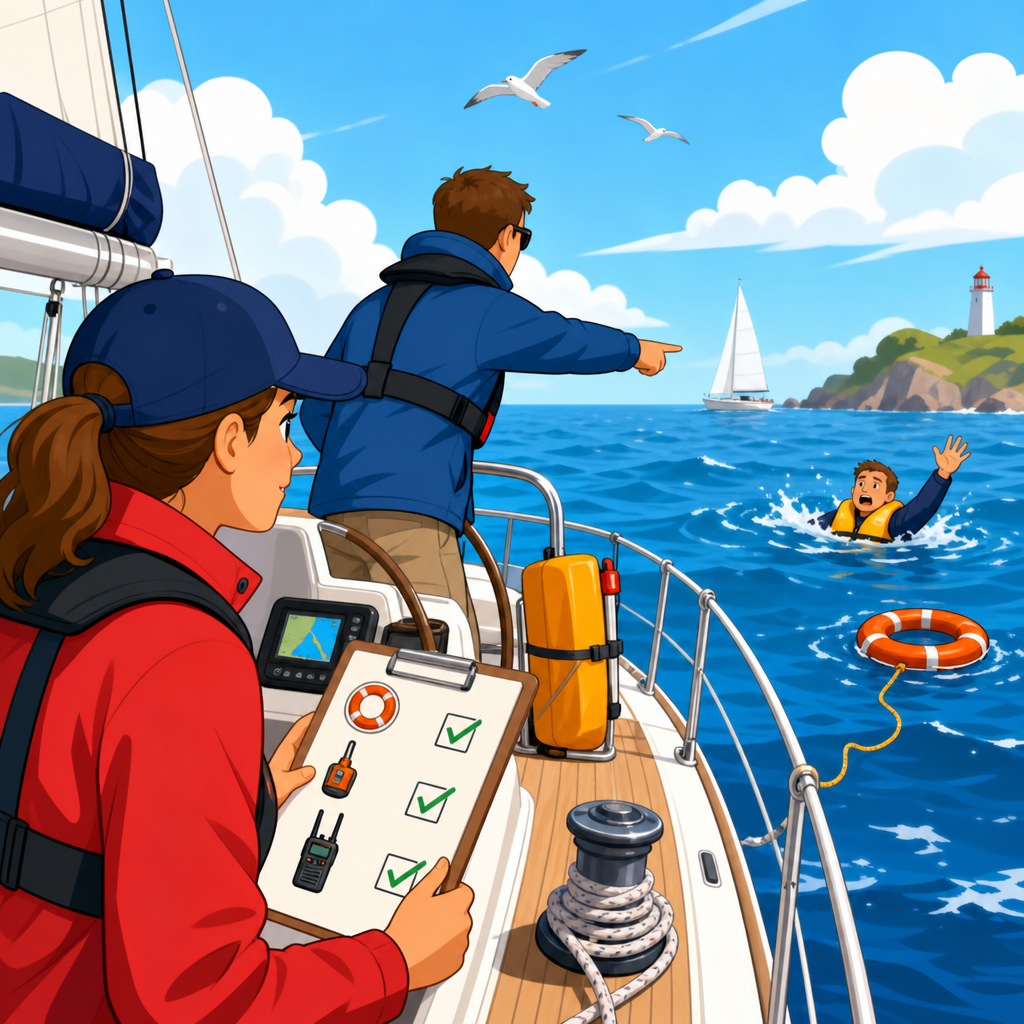
Testing all your communication devices is equally important. In low visibility, staying connected with the outside world not only provides a sense of security but can be a lifeline in emergencies. For instance, aviators can maintain contact with air traffic control, and seafarers can tune into weather advisory services. It’s also paramount to have a contingency plan. Share your travel itinerary with someone who will not be accompanying you, and plan alternative routes in case your primary path becomes untenable. Equip yourself with emergency supplies like food, water, and first aid kits, as unexpected delays can often accompany bad weather.
In-Vehicle Navigation
Driving in fog requires a specific set of techniques to ensure safe passage. First, slow down. Speed exacerbates the dangers of reduced visibility, diminishing reaction time significantly. Keep a safe distance from other vehicles. The more space there is, the more time you have to react. Use your low-beam headlights; high beams, in fact, can worsen visibility, reflecting off the fog. If available, use fog lights designed specifically for such conditions. Your vehicle’s window defrosters can prevent the quick accumulation of moisture on the windshield by maintaining interior temperature control. Additionally, refrain from overtaking vehicles unless absolutely necessary. Use your ears as well as your eyes—turn down the music and keep your phone on silent; auditory cues can alert you to obstacles or other vehicles.
When stopping, use the side of the road to avoid creating an obstruction for other road users. Turn on your hazard lights to alert other drivers of your stationary status. Also, use landmarks to guide you, but ensure not to rely entirely on them since fog can distort distances. Turning on your rear fog lights, if your vehicle is equipped with them, can help vehicles behind you gauge your position and intentions. If visibility becomes critically low, consider pulling over at a safe location and waiting for the conditions to improve. Always remain inside your vehicle when stopped, as getting out poses a considerable risk of being unseen by other drivers passing by.
Marine Navigation
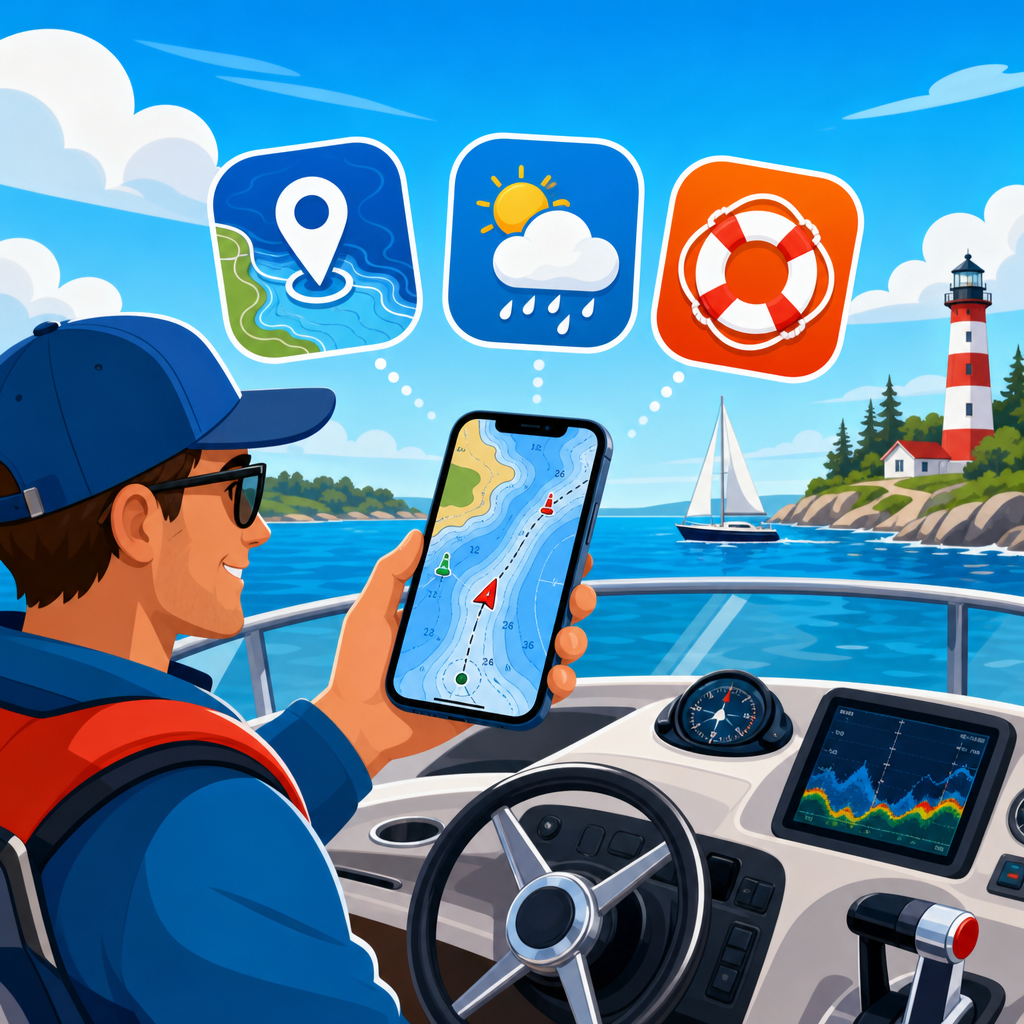
Navigating a boat through fog requires different methods but equivalent caution. Use radar if available, as it can pick up other vessels and obstacles in your proximity that you cannot see. GPS can provide precise positioning, although an understanding of the landscape or seascape remains valuable. Sound signals are critical; familiarize yourself with standard horn or bell signals used to alert nearby vessels of your presence and intentions. Regularly sound your horn as required by maritime rules to ensure others know where you are.
Your compass remains a vital tool, even when technological aids are employed. Always steer a steady course and mark your progress on your navigational chart to prevent disorientation. When nearing land, soundings or depth readings can help you ascertain your location and ensure you are not drifting into shallow water. Reduced engine speeds are advisable to mitigate any potential collisions with unseen obstacles. The adjustment of lookout duties helps in spotting any approaching hazards or traffic early. Maintaining constant communication with other vessels using marine VHF radio sets another layer of safety, alerting others of your position, status, or any assistance required.
Aviation Navigation
Pilots face unique challenges when flying through fog. For IFR-rated pilots, instruments become your primary source of navigation data when the view outside offers little information. Established procedures for instrument operations, like frequent scans of altimeter readings, airspeed, and heading indicators, become essential. Adhering to air traffic control instructions and established flight plans is critical to maintain safe distances from other aircraft and terrain. Clear communication with air traffic control ensures help is available, should visibility worsen beyond manageable levels.
Make full use of avionics tools such as onboard radar, which can provide real-time weather and topography data. For non-IFR-certified pilots, adhering strictly to VFR minimum visibility rules will help avoid hazardous conditions. Keeping an escape route in mind, such as the location of alternate airfields with better prevailing weather conditions, acts as a crucial safety procedure. Pilots must trust the reliability of instruments over instinct, as the sensory illusions created by fog can lead to disorientation. Employ continuous assessments of the relationship between ground speed, pitch, and path, to navigate safely.
Key Strategies for Safe Passage
While specific navigation tactics differ among driving, sailing, and flying, some universal strategies stand firm. Staying calm is paramount. Low visibility can incite panic, leading to hasty decisions that exacerbate an already challenging scenario. Keeping a vigilant eye on your surroundings coupled with regular status checks allows you to adjust plans preemptively. Six-second scanning techniques—looking in front, to the sides, behind, and reviewing instruments intermittently—ensure a well-rounded view of your situation.
When on foot, listen intently for traffic sounds and adhere to one side of the pathway to avoid surprise encounters. Have portable light sources, such as flashlights, and reflective clothing to make your presence known to others in areas with shared pedestrian and vehicular traffic. If possible, navigate familiar routes where you’ve already identified landmarks.
Keep a travel log to document conditions, landmarks, and any deviations from planned routes as they occur. This practice fosters remaining oriented while paving a path for future journeys. Avoid distractions; focus exclusively on navigation tasks and refrain from attempting non-essential activities until visibility improves. Strategic planning, powered by continuous situational awareness and self-awareness of your limits, remains pivotal in ensuring a safe journey.
Conclusion
Navigating in foggy or low-visibility conditions, while challenging, is entirely manageable with proper preparation and adherence to best practices. Every aspect—be it driving, sailing, or flying—requires a methodical approach and a clear understanding of relevant techniques. Prioritizing safety hinges on remaining informed and equipped before your journey begins. Critical tools and instruments should never be overlooked, as they augment your senses when nature diminishes them.
The consistent application of learned strategies, combined with an emphasis on communication and signaling, aligns actions not only with safety but strongly promotes community responsibility in shared spaces. Embrace the essence of navigation as a balance of skill and instinct, guided by technology and honed by practice. Collectively, knowledge gained from informative resources like this can catalyze exceptional decision-making processes, empowering you to face low-visibility with the confidence of a seasoned navigator.
A spirit of caution, imbued with the readiness to adapt and respond to unpredictable situations, crafts a layer of security over your travels. Constant learning and preparedness convert intimidating environments into landscapes ripe with challenge but devoid of undue hazard. As you cultivate these tactics, not only does your safety get assured, but you become an exemplar of readiness and vigilance, capable of guiding others by your practiced pathway through fog and obscurity.
Frequently Asked Questions
What are the best strategies to navigate safely in foggy conditions while driving?
Driving in fog can be particularly precarious as it dramatically decreases your ability to see what’s ahead of you. Here are some strategies that can enhance your safety:
First and foremost, use your vehicle’s fog lights if equipped or your low-beam headlights, as high-beams can reflect off the fog and impair visibility further. Keep a significant distance between your car and the vehicle in front of you to allow more time to react in case of sudden stops. Reduce your speed considerably but be sure not to crawl too slowly to become a hazard to others. Rely more on the road markings or the painted lines on the side of the road as guides.
Additionally, it’s critical to avoid distractions within the car, such as using your phone or fiddling with the radio. Instead, maintain full concentration on the road. Also, be mindful of potential obstructions and other drivers who might not be as conscientious about safe driving protocols in such conditions.
What equipment is essential for navigating through fog during maritime travel?
In maritime navigation, the fog presents dangers of a different nature, where visibility can drop to zero, making it challenging to locate nearby vessels, obstacles, or even the shoreline. Essential equipment for navigating safely includes radar systems and GPS navigation tools, which are indispensable for tracking nearby ships and ensuring you’re on the correct course even when visibility is gone.
On top of that, you should have a functioning compass and properly updated nautical charts. Sound signaling devices, like foghorns, are crucial to alert others of your presence. It’s also beneficial to have a trained lookout to listen and look for other vessels or shoreline features. Older but still useful navigation aids such as depth sounders and fathometers can help determine your proximity to the shore or sea bed.
How can pilots manage an aircraft in fog or low-visibility conditions effectively and safely?
For pilots, fog and low visibility can be life-threatening challenges, requiring reliance on instruments rather than sight. Pilots should use the Instrument Flight Rules (IFR) protocols, which are designed specifically for such conditions. It’s crucial to depend on the aircraft’s avionics, including GPS, radar, altimeters, and air traffic control guidance. Pilots also have the help of instrument landing systems (ILS), which allow the aircraft to be guided along the correct flight path to the runway.
An ability to trust and efficiently read the panel instruments is vital, as is maintaining calmness and clarity under pressure. Continued communication with air traffic control to receive updates on weather conditions and instructions regarding flight paths and altitudes is essential. They also need to be ready to execute missed approaches if needed, as safety should never be compromised.
What personal safety measures can be taken when visibility is exceptionally low?
Regardless of the mode of transportation, personal safety is paramount in low visibility. Always ensure you are highly visible, wearing reflective clothing if you’re outside like on a bicycle or walking. It’s also wise to have a fully charged phone on hand, packed with emergency contact numbers readily accessible, and let someone know your expected route and arrival time.
In case of an emergency where you can’t proceed due to the fog, do not panic. Seek refuge in a safe place off the road or path, or find a secure spot where you avoid causing hazards to others. Always carry basic emergency supplies such as a flashlight, water, and a first-aid kit. Furthermore, it’s crucial to remain patient and understand that delays are preferable to accidents.
What training or preparation should you consider for regularly dealing with fog and low-visibility conditions?
Preparation and training can make all the difference when it comes to navigating in fog and low-visibility conditions. For drivers, participating in advanced driving courses that include fog simulation can be particularly beneficial. These courses often cover how to handle potential hazards, make decisions under pressure, and properly use vehicle features that can aid in navigation.
For maritime and aviation professionals, undergoing regular simulation exercises that mimic real life scenarios of low visibility conditions is essential. These scenarios can help you adapt to sudden changes, trust your instruments more than visual cues, and practice communication and coordination with relevant control centers.
Personal preparation is equally important, such as understanding weather patterns and using technology to stay updated with real-time information. Awareness and mental readiness are key to tackling the unpredictability of fog and haze, ensuring not just personal safety, but the safety of everyone else who shares the road, path, or trajectory with you.