Boat covers are one of the smartest investments a boat owner can make because they protect expensive surfaces, electronics, upholstery, and structural components from sun, rain, debris, mildew, and premature wear. In the boating gear and equipment category, boat covers and protection products form a foundational subtopic: they preserve resale value, reduce cleaning time, limit repair costs, and extend how long a pontoon, sailboat, or speedboat stays ready for the water. After fitting covers on everything from family pontoons at freshwater marinas to trailered runabouts and mast-up sailboats, I have seen a clear pattern: the right cover saves money, while the wrong cover creates frustration, chafe points, trapped moisture, and hardware damage.
A boat cover is any protective barrier designed to shield a vessel during storage, trailering, mooring, or seasonal layup. That broad definition includes mooring covers, travel covers, cockpit covers, bimini tops, winter shrink systems, console covers, seat covers, and full custom enclosures. The best choice depends on hull style, climate, storage method, and how often the boat is used. A pontoon owner dealing with UV exposure and wind at a lakeside dock needs different protection than a sailboat owner storing through winter with mast stepped, or a speedboat owner towing long distances at highway speeds.
Material and fit determine performance more than marketing claims. Marine-grade polyester is widely used because it resists stretching, handles UV exposure well, and dries relatively quickly. Solution-dyed acrylic fabrics such as Sunbrella are favored for premium breathable covers and enclosures because colorfastness and long-term weather resistance are excellent. PVC-coated fabrics can provide stronger water resistance, but breathability is lower, so ventilation must be managed carefully. Reinforcement patches, double-stitched seams, anti-wick thread, venting systems, and proper support poles matter just as much as fabric weight.
This hub article explains the top boat covers for pontoon boats, sailboats, and speedboats while also covering the broader protection strategy every owner should understand. It answers practical questions buyers ask: which materials last longest, what fit is best, when is a universal cover acceptable, how should a cover be supported, and what maintenance prevents mildew and tearing. If you are building out your boat protection plan, this page gives the framework and product types to evaluate before you drill snaps, order a custom pattern, or commit to a trailerable system.
What makes a boat cover worth buying
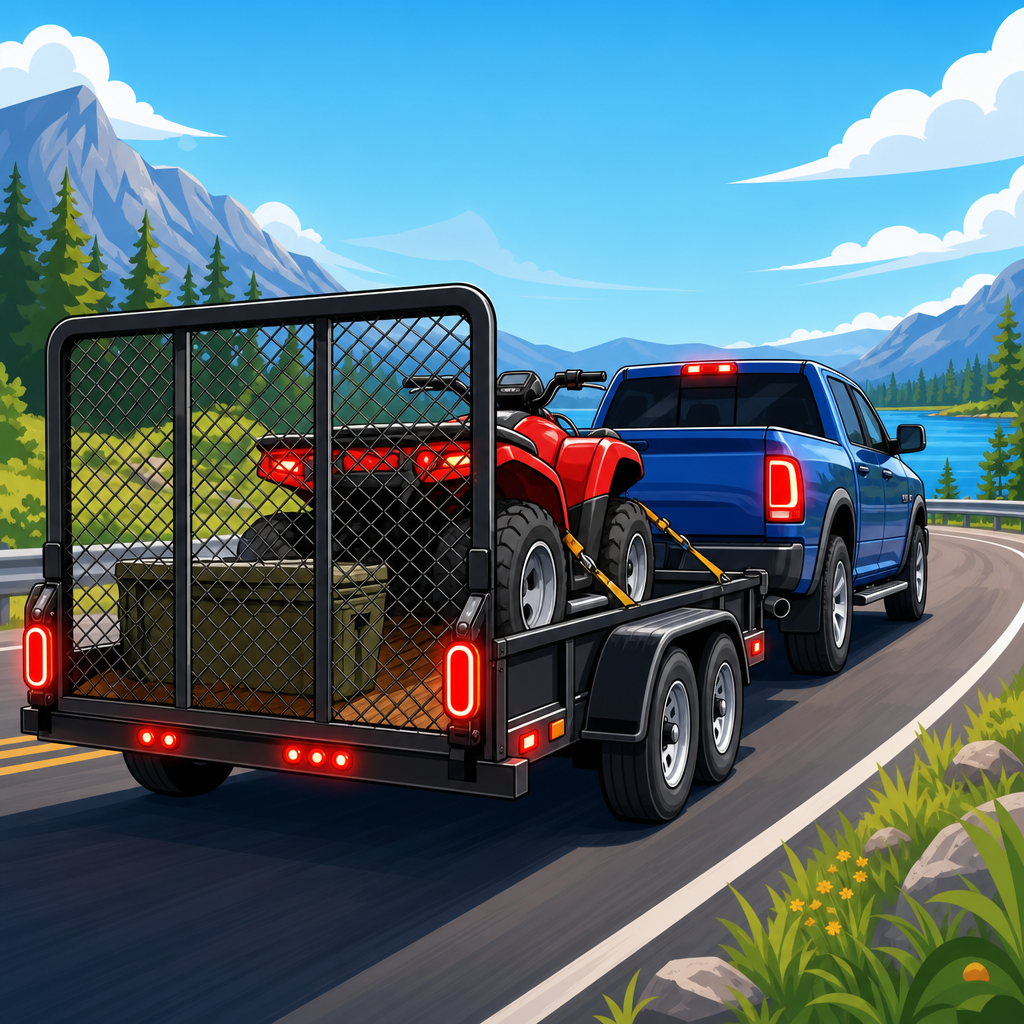
A good boat cover does five jobs at once: blocks UV radiation, sheds water, reduces dirt intrusion, resists tearing under wind load, and fits tightly enough to avoid pooling without stressing cleats, rails, or windshield frames. For most owners, the key buying decision is not simply “waterproof versus water-resistant.” It is whether the cover matches the actual use case. Dock storage demands breathability and rain management. Trailering demands reinforced tie-down points, a snug hem, and fabrics that will not flog apart at 65 mph. Winter storage demands load support for snow and standing water.
Fit comes in three tiers. Universal covers are the cheapest and easiest to buy, but they often leave slack around rails, trolling motors, towers, or boarding ladders. Semi-custom covers are cut to broad hull classes and usually offer a better compromise between price and protection. Custom covers, patterned to the exact boat, deliver the best long-term protection because they account for consoles, cleats, bows, biminis, and hardware. In my experience, owners who keep a boat outside more than one season almost always recover the higher custom-cover cost through lower upholstery fading and fewer water-intrusion issues.
Ventilation is nonnegotiable. Even a highly water-resistant cover can fail if warm, damp air is trapped inside. Mold and mildew grow quickly on vinyl seating, carpet backing, life jackets, and stored gear. Adjustable support poles, sewn-in vents, and frame systems create a tented shape that lets water run off while allowing air exchange. This is especially important for pontoons with broad, flat deck layouts and for speedboats with low cockpits where water can pool around engine hatches or rear sun pads.
Hardware quality separates covers that last three seasons from covers that last ten. Look for heavy-duty webbing straps, reinforced buckles, rot-resistant thread such as Gore Tenara or equivalent PTFE thread, and high-wear patches where the fabric crosses windshield corners, radar arches, or stanchion bases. Reputable makers also specify denier, fabric coating, and warranty terms clearly. If those details are missing, the cover is usually built to a price point rather than a performance standard.
Top boat covers for pontoon boats
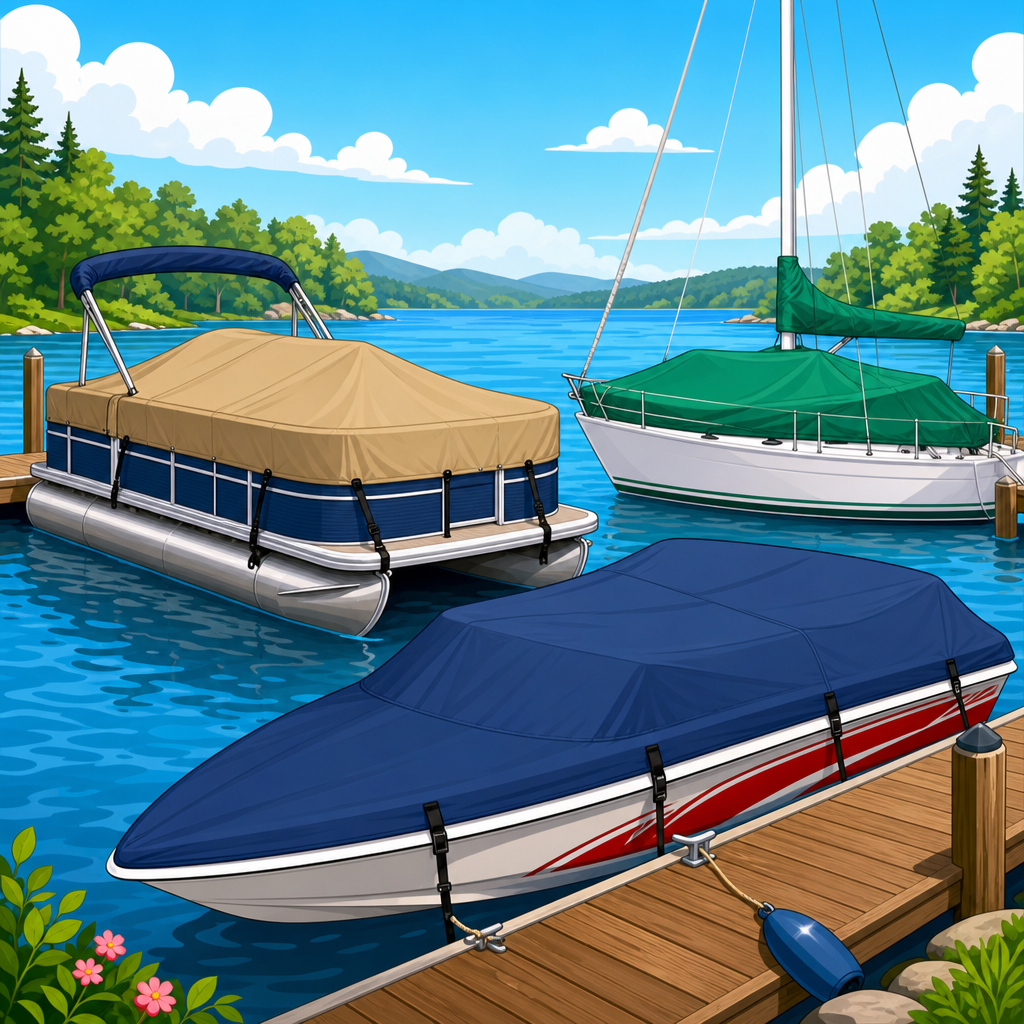
Pontoon boat covers need a different design logic from V-hull covers because the deck is large, the profile is boxier, and furniture creates multiple high points and low points. The best pontoon cover is typically a support-system cover that creates a peaked shape from bow to stern, with enough tension to prevent water pockets between lounges. Premium options from brands such as Taylor Made, Westland, Carver, and RNR-Marine are common choices because they offer both semi-custom and exact-fit patterns for popular models from Bennington, Sun Tracker, Harris, and Godfrey.
For moored or docked pontoons, solution-dyed polyester or acrylic fabrics perform well because UV degradation is usually the main enemy. A cover that reaches below the rub rail and uses integrated ratchet or quick-release straps provides better storm security. If the pontoon is trailered regularly, choose a travel-rated cover with reinforced corners and underbody strap placement that avoids contacting aluminum fencing or sharp deck edges. I strongly prefer reinforced wear pads around Bimini hinges and bow rails, since those are common abrasion points after a few highway trips.
Pontoon owners should also think beyond the full cover. Seat covers, helm covers, and outboard cowling covers reduce daily sun exposure even when the main mooring cover is off. That layered protection approach is practical for high-use boats at marinas where owners go out several times a week. Instead of reinstalling a full cover every evening, they shield the helm and upholstery, then use the full cover during storms or longer idle periods. It is a simple system that noticeably slows vinyl cracking and color fade.
One common mistake is relying on a cheap flat tarp over pontoon furniture. Tarps trap water, flap in wind, chafe fencing, and collapse into the seating layout. A real pontoon cover uses structure, tension, and venting. That distinction matters because pontoon interiors often represent a large share of the boat’s replacement cost. Reupholstering multiple lounges and helm seats can cost thousands of dollars, far more than buying a correctly fitted protective cover in the first place.
Top boat covers for sailboats
Sailboat covers vary more than almost any other category because storage configurations differ so widely. A small trailerable daysailer may need a simple boom tent or cockpit cover, while a 35-foot cruiser may require a full deck cover with mast boot integration, lifeline cutouts, and zippered access panels. The top sailboat cover is therefore the one designed around the rigging layout and storage method. For many owners, the most durable solutions come from custom canvas shops using Sunbrella Marine or comparable acrylic fabrics, often paired with stainless support bows or ridge systems.
Cockpit protection is usually the first priority. UV damage on wheel covers, instrument pods, teak trim, and cockpit cushions happens quickly, especially in southern climates. A fitted cockpit cover reduces weathering while still allowing easier access than a full boat cover. For seasonal layup, full deck covers become more valuable because they protect hatches, companionway sliders, rope clutches, and nonskid surfaces from grime and standing moisture. On boats stored under trees, this also prevents leaf staining and clogged scuppers.
Sailboats require special attention to chafe. Stanchions, spreaders, shrouds, and lifelines create constant abrasion risks, so reinforcement patches are mandatory. Good custom makers pattern around these points rather than forcing fabric to bridge them under tension. Ventilation is equally important because enclosed cabins can hold humidity for long periods. Passive vents, solar vents, and thoughtful cover geometry help prevent mildew belowdecks. In northern winter storage, many owners still choose shrink wrap, but reusable framed covers often become more economical over several seasons and generate less waste.
If your sailboat stays mast-up, ask whether the cover accommodates boom height, lazy jacks, and sail stack packs. If it is mast-down, verify support locations and tie-down access before ordering. Those details determine whether the cover is convenient enough to use regularly. A theoretically perfect cover that takes ninety minutes to install usually gets left in the locker, and unused protection offers no protection at all.
Top boat covers for speedboats and runabouts
Speedboats, bowriders, and runabouts place the highest demands on trailering covers because aerodynamic stress is severe. The best speedboat cover fits drum-tight, avoids windshield flutter, and secures to structurally sound points rather than fragile trim. Brands such as Carver, Empire, Westland, and factory OEM canvas programs often lead this category because they design around specific windshield profiles, tower options, and transom shapes. For high-speed towing, a dedicated travel cover is usually better than a standard mooring cover, even if both fit the same model.
Polyester fabrics in the 6 to 8 ounce range are common for trailerable covers because they balance strength, manageable weight, and UV resistance. Heavier is not automatically better. If the cover is too stiff, owners are less likely to install it correctly, and poor installation causes more failures than fabric specs alone. Critical features include motor hood clearance, reinforced windshield contact points, covered vents, integrated straps, and anti-pooling support at the cockpit and bow seating area.
Speedboat owners often need multiple cover layers. A bow cover and cockpit cover are useful for quick storage between outings, while a full mooring cover protects the whole boat during weather events or longer storage. Wake boats and ski boats may also need tower boots, board-rack covers, and prop covers if stored tightly in a garage. The practical advantage is speed: if a quick cover takes two minutes to install, owners actually use it after every trip. That consistency reduces UV exposure dramatically over a season.
Engine compartments deserve attention too. Sterndrive runabouts and jet boats create warm, enclosed spaces where moisture can linger after use. A cover should protect without sealing in humidity. That is why vent placement and dry-out habits matter. I advise owners to open compartments after washing, let bilges dry, then install the cover once surfaces are no longer damp. This simple routine helps prevent corrosion on engine hardware and mildew in rear storage lockers.
Material, fit, and maintenance choices that affect lifespan
The longest-lasting boat cover is usually the one matched correctly to climate, usage, and maintenance discipline. In hot, sunny regions, UV resistance and colorfastness should lead the buying criteria. In rainy regions, water shedding, venting, and support structure matter more. In snowy climates, load-bearing support and winter framing become essential. No fabric solves every problem by itself. Performance comes from the system: material, cut, reinforcement, support poles, tie-down geometry, and cleaning routine.
| Cover type | Best use | Main advantage | Main limitation |
|---|---|---|---|
| Universal cover | Budget indoor or short-term outdoor storage | Low upfront cost | Loose fit and weaker protection |
| Semi-custom cover | Common hull shapes and seasonal outdoor use | Better fit without full custom pricing | May not account for all hardware |
| Custom cover | Long-term outdoor storage, premium boats, trailering | Best fit, durability, and finish | Higher initial cost and lead time |
| Shrink wrap or winter system | Cold-weather layup | Excellent seasonal weather barrier | Less convenient and often single-season |
Maintenance is straightforward but often neglected. Rinse salt and dirt off covers regularly, let them dry fully before folding, and retreat water repellency when the manufacturer recommends it. Avoid household detergents with bleach or harsh additives because they can damage coatings and stitching. Inspect seams, vents, and reinforcement patches each season. Small repairs made early prevent larger tears later. For owners building a complete boat protection plan, this hub should connect to deeper guides on pontoon covers, sailboat canvas, trailering covers, winterization, Bimini tops, and seat protection so every vulnerable area is addressed rather than treated as a separate problem.
The top boat covers for pontoon boats, sailboats, and speedboats are not defined by one brand or one fabric alone. They are defined by fit, breathable weather resistance, reinforcement, and suitability for the way the boat is stored and used. Pontoon boats benefit from peaked support systems and broad UV protection across seating areas. Sailboats need custom chafe management around rigging and practical access for mast-up or mast-down storage. Speedboats require tight trailer-rated designs that withstand wind load and protect cockpits, windshields, and engine areas without trapping moisture.
The broader lesson in boat covers and protection is that the cover should be part of a system. Use full covers for serious weather and longer storage, quick covers for high-frequency sun exposure, and targeted protection for helms, seats, motors, and towers. Match material to climate, choose the best fit your budget allows, and maintain the cover as carefully as the boat beneath it. Owners who do this consistently spend less on detailing, upholstery replacement, gelcoat restoration, and avoidable repairs.
If you are comparing options within boating gear and equipment, start by identifying your boat type, storage conditions, and whether the cover must handle trailering, mooring, or winter layup. Then use this hub as your starting point for the full boat covers and protection category, and narrow down the exact cover style that fits your vessel and your maintenance routine.
Frequently Asked Questions
What type of boat cover is best for a pontoon, sailboat, or speedboat?
The best boat cover depends on the shape of the boat, how it is stored, and what kind of protection you need day to day. Pontoon boats usually benefit most from full-storage or mooring covers designed with a wider beam, reinforced corners, and support systems that prevent water from pooling across the large, flat deck area. Sailboats often need covers that account for the mast, rigging, boom, and other deck hardware, so a semi-custom or custom-fit cover is often the smartest option for proper weather protection and a secure fit. Speedboats typically perform best with snug, trailerable covers that are shaped to the hull and windshield profile, reducing billowing during towing and keeping the interior clean and dry.
Material matters just as much as fit. A quality marine-grade polyester cover is a popular all-around choice because it offers strong UV resistance, decent water repellency, and good durability without becoming excessively heavy. Heavier fabrics may be better for long-term outdoor storage, while lighter but tightly woven materials can work well for trailering and routine use. If you regularly store your boat outside, look for features like double-stitched seams, reinforced tie-down points, adjustable straps, ventilation, and an integrated support pole system. In short, the best cover is not just “waterproof” or “heavy-duty”—it is the one specifically matched to your boat style, climate, and storage habits.
How do I choose the right size and fit for a boat cover?
Choosing the right size starts with accurate measurements, not guesswork. Measure the boat’s centerline length from bow to stern, then measure the beam at the widest point. For pontoon boats, include the deck dimensions and confirm whether the cover is intended to fit over railings, consoles, and seating layouts. For sailboats, check whether the cover is made for mast-up or mast-down storage and whether cockpit enclosures, lifelines, or deck fittings require additional clearance. For speedboats, pay close attention to windshield style, bow rails, towers, and outboard or inboard configurations, since these details affect fit more than many owners realize.
A cover that is too small will strain at seams, pull loose in wind, and leave critical areas exposed. A cover that is too large can trap moisture, flap excessively, wear against the gelcoat, and collect standing water. That is why semi-custom and custom-fit designs often outperform generic universal covers, especially for owners who store their boats outdoors for extended periods. Review manufacturer sizing charts carefully, and if your boat falls between sizes, do not automatically size up without checking the recommended fit range. A properly fitted cover should sit securely, contour to the boat without excessive slack, and tighten evenly using straps, hems, or ratchet systems. Good fit is one of the biggest factors in how well a cover protects your boat over time.
Are expensive boat covers really worth it compared to budget options?
In many cases, yes—especially if your boat is stored outside, trailered often, or exposed to strong sun, heavy rain, or falling debris. Premium boat covers usually cost more because they use better fabric, stronger stitching, more durable hardware, and design details that directly improve longevity and protection. That means better UV resistance, reduced fading, less cracking of vinyl seats, lower risk of mildew from trapped moisture, and fewer problems with tearing at stress points. A low-cost cover may seem attractive initially, but if it fails after a season or two, it can quickly become more expensive than buying a higher-quality cover from the start.
Boat covers are a preventive investment. They help protect upholstery, electronics, flooring, finishes, and structural components that are far more expensive to repair or replace than the cover itself. They also reduce cleaning time and support resale value by keeping the boat looking well maintained. That said, not every owner needs the most expensive option on the market. If your boat is kept indoors and you mainly need dust and light moisture protection, a mid-range cover may be perfectly adequate. The key is to match the cover’s quality and features to how your pontoon, sailboat, or speedboat is actually used and stored. Paying more for the right cover often saves money in the long run.
What features should I look for in a high-quality boat cover?
A high-quality boat cover should start with marine-grade fabric engineered for UV protection, water resistance, abrasion resistance, and breathability. UV resistance is especially important because sun exposure is one of the biggest causes of fading, drying, and material breakdown on boats. Water resistance helps shed rain and spray, but breathability matters too because a cover that traps condensation can create mildew and odor problems underneath. Look for reinforced seams, rot-resistant thread, and stress-point protection around sharp corners, cleats, windshields, towers, and other high-contact areas.
Beyond the fabric itself, the best covers include practical design features that improve performance in real conditions. Adjustable tie-down straps, elastic hems, quick-release buckles, and trailerable construction help keep the cover secure in wind or while towing. Integrated vents improve airflow and reduce condensation buildup. Support poles or support systems are critical for preventing sagging and water pooling, particularly on pontoons and other boats with broader open areas. A good cover should also be easy to install and remove without fighting the material every time. If a cover is difficult to use, owners are less likely to put it on consistently, which defeats its purpose. The best boat covers combine durable materials, smart fit, and everyday usability.
How can I make a boat cover last longer and keep my boat better protected?
The biggest factors in cover lifespan are proper installation, regular cleaning, and avoiding unnecessary strain. Always secure the cover tightly according to the manufacturer’s instructions so it does not flap in the wind or rub constantly against rails, corners, and hardware. Use support poles or a support system to create water runoff and prevent puddling, which can stretch the fabric and stress seams. Before covering the boat, remove leaves, dirt, and standing water, and make sure the interior is reasonably dry to reduce the chances of mildew forming underneath.
It also helps to clean the cover periodically using products recommended for marine fabrics. Dirt, bird droppings, tree sap, and salt can slowly degrade protective coatings if left in place too long. Inspect straps, buckles, seams, and reinforced sections throughout the season so small issues can be addressed before they become tears. If you trailer your pontoon, sailboat, or speedboat with the cover on, confirm that the cover is rated for trailering; not all covers are built to handle highway wind pressure. When the cover is not in use, store it clean and dry. With the right maintenance habits, a quality boat cover can deliver years of reliable protection while helping keep your boat cleaner, drier, and ready for the water with far less effort.