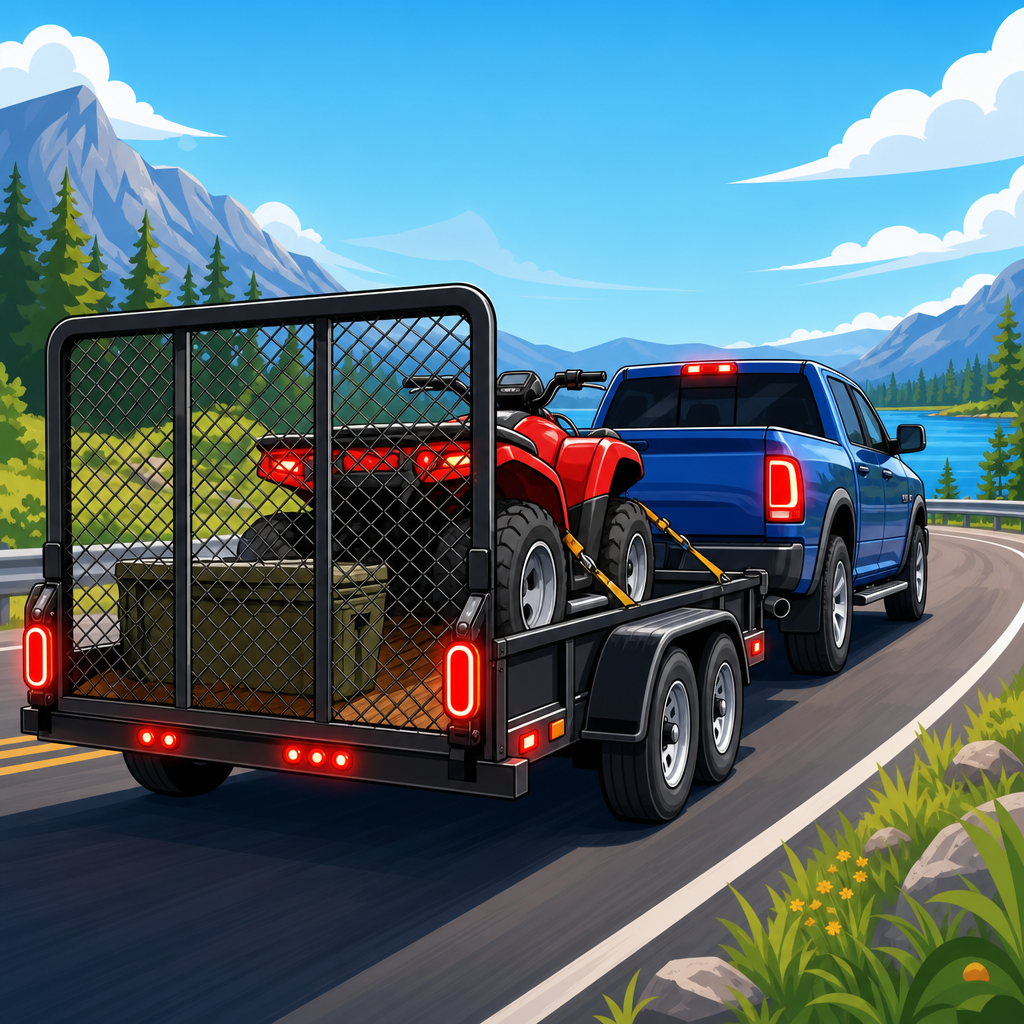
Best trailer lights for safe and legal towing are the lights that remain visible in rain, vibration, and saltwater while meeting brake, turn, tail, side-marker, and license-plate requirements every time you launch and retrieve. In the boating world, trailer lighting is not a cosmetic accessory. It is a core safety system that communicates your intentions to every driver behind you, helps you satisfy state and federal equipment rules, and reduces the risk of collisions during night travel, dawn launches, and bad-weather returns from the ramp. I have wired, rewired, and replaced enough trailer light sets to know the pattern: most failures happen because buyers choose the cheapest kit, ignore grounding, or mismatch connectors, not because lighting technology is complicated.
For boat owners, the stakes are higher than they are for many utility trailers because repeated dunking stresses every component. “Trailer lights” usually refers to tail lights, stop and turn lamps, side markers, reflectors, wiring harnesses, plugs, mounting hardware, and sometimes backup or identification lights, depending on trailer width and configuration. “Legal towing” means the trailer is equipped according to the applicable vehicle code, typically based on trailer width, weight, and whether brakes are installed, while “safe towing” means the system also stays operational on real roads at highway speed. A legal setup on paper is not enough if one corroded ground wire leaves you with a dark trailer after the second launch of the season.
This hub article covers the full boat trailers and towing equipment lighting picture: what lights you need, how to choose LED versus incandescent, how submersible ratings matter, how to match 4-pin, 5-pin, 6-pin, and 7-way plugs, and how to avoid the wiring mistakes that cause most roadside problems. It also connects the larger towing topic, because trailer lights do not work in isolation. They interact with your tow vehicle, trailer brakes, bearings, guide-ons, winch stand, safety chains, and launch routine. If you want one starting point before diving into deeper articles on wiring, connectors, trailer brakes, or pre-trip inspection, this is it.
What trailer lights a boat trailer must have
The minimum answer most owners need is straightforward: your boat trailer must display functioning tail lights, brake lights, turn signals, rear reflectors, side marker lights or reflectors, and a white light for the license plate when required. Wider trailers may also need front and rear clearance lights plus three-lamp identification clusters. Exact requirements vary by jurisdiction, but in the United States the baseline is shaped heavily by Federal Motor Vehicle Safety Standard No. 108, with state enforcement handling use on public roads. If your trailer is over 80 inches wide, the lighting package becomes more demanding, and many tandem-axle boat trailers fall into that category.
In practical terms, most small to mid-size boat trailers use a pair of combination rear lamps that handle tail, brake, and turn functions, amber side markers near the front half of the trailer, red side markers near the rear, and a license-plate light integrated into the left rear lamp. Larger rigs may add amber clearance lamps at the front corners, red clearance lamps at the rear corners, and the center identification bar at the back. Seeing these requirements as a checklist prevents expensive assumptions. I often see owners replace only the rear lights after a failure, then wonder why they still have an inspection issue because a side marker or plate light remains inoperative.
Visibility matters as much as compliance. On a rainy two-lane road at dusk, bright, well-positioned lights dramatically improve following distance behavior from other drivers. Good side markers also help when changing lanes because they define the trailer’s full length. For boaters towing before sunrise to beat ramp traffic, this is not theoretical. It is the difference between being recognized as a short vehicle and being judged accurately as a longer rig that needs more space to merge, stop, and turn.
LED vs. incandescent trailer lights
For modern boat trailers, LED trailer lights are the best choice in almost every case. LEDs draw less current, reach full brightness faster, tolerate vibration better, and usually come in sealed housings that resist water intrusion far better than old incandescent assemblies. They also reduce strain on marginal tow-vehicle wiring and are generally brighter and more conspicuous in daylight. After years of servicing trailer wiring, I consider incandescent lights a budget replacement option for emergency repairs, not a best-in-class long-term solution for a boat trailer that gets submerged regularly.
Incandescent lights still have two narrow advantages: lower upfront cost and occasional compatibility with older vehicles that were wired before low-draw LED systems became common. Even then, adapters or resistive solutions usually make LEDs the smarter investment. The real operating cost of incandescent lights is hidden in bulb replacements, socket corrosion, and intermittent faults. A boat owner may save a little on day one, then lose that savings in one season of chasing flickering lamps caused by moisture reaching the bulb base.
| Feature | LED Trailer Lights | Incandescent Trailer Lights |
|---|---|---|
| Brightness | High, crisp output with fast response | Adequate, but generally dimmer |
| Water resistance | Usually sealed, ideal for submersion | More vulnerable at bulb sockets |
| Power draw | Low | Higher |
| Durability | Excellent under vibration | Bulbs and filaments fail more often |
| Purchase price | Higher initially | Lower initially |
| Best use | Boat trailers and frequent towing | Temporary or low-budget replacement |
Brands matter here. Reputable options such as Optronics, Peterson, Wesbar, and Truck-Lite consistently outperform no-name kits because the lens sealing, potting, wire quality, and mounting hardware are better. The best trailer lights are not simply “LED.” They are sealed, submersible, corrosion-resistant LED assemblies from manufacturers with consistent quality control and replacement part availability.
Submersible ratings, corrosion resistance, and marine durability
Boat trailers live in a harsher environment than cargo trailers because they are backed into fresh or salt water repeatedly, then stored wet. That makes submersibility the first buying filter. A light marketed for trailers but not specifically designed as submersible is a poor match for a boat trailer. Look for sealed housings, resin-sealed electronics, waterproof connectors, stainless or corrosion-resistant hardware, and tinned copper wiring where possible. If you tow in saltwater, this is nonnegotiable.
Corrosion usually starts where owners do not look: ring terminals at the frame, splices hidden in loom, plug contacts exposed to road spray, and mounting studs that trap moisture. I strongly prefer heat-shrink marine-grade butt connectors over basic crimp connectors because adhesive-lined shrink tubing seals out water and supports the joint mechanically. Dielectric grease on plug pins helps too, though it does not compensate for a loose or damaged connector. If the copper inside the insulation is already black or green several inches back from the terminal, replace that section rather than cleaning the tip and hoping for the best.
Saltwater boaters should treat lighting maintenance the way they treat hub rinsing and brake flushing. Rinse the trailer after use, inspect the plug, and test lights before the next trip, not after arriving at the ramp in the dark. A submersible LED kit can last for years, but only if the wiring system supporting it is equally marine-ready. The lamp housing gets the attention; the harness determines reliability.
Wiring connectors and tow vehicle compatibility
The most common trailer light connector is the 4-pin flat plug, which supports running lights, left turn/brake, right turn/brake, and ground. Many lightweight boat trailers use it successfully. A 5-pin flat adds a circuit often used for surge-brake lockout when backing up. A 7-way blade connector is standard on many larger tow vehicles and supports additional functions such as electric trailer brakes, reverse lights, and auxiliary power. Choosing the best trailer lights therefore includes choosing the correct harness and plug format for the trailer’s broader equipment package.
Compatibility problems often appear after vehicle changes. An owner upgrades from an older SUV with a simple 4-flat to a pickup with a factory 7-way and assumes any adapter will solve everything. Sometimes it will, but not always. If the trailer has surge brakes with reverse lockout, a basic 4-to-7 adapter may not provide the needed reverse circuit. If the trailer has electric-over-hydraulic brakes, the connector strategy becomes even more important. This hub sits under boat trailers and towing equipment for a reason: lighting decisions should be made alongside brake, coupler, and tow-vehicle planning.
When troubleshooting, always start with the tow vehicle output before blaming the trailer. Use a circuit tester or multimeter at the vehicle socket, then move rearward through the adapter, plug, harness, and lamp. Ground faults deserve special suspicion. Many “bad light” complaints turn out to be weak frame grounding, especially on painted or corroded frames where a ring terminal no longer contacts clean metal.
Installation best practices and common failure points
Good installation is what separates a reliable lighting system from one that fails on the first long haul. Route wiring above likely snag points, protect it inside loom, leave enough slack for suspension movement, and secure it with cushioned clamps rather than a handful of zip ties that eventually chafe through insulation. On bunk trailers, keep wiring away from moving bunk brackets and sharp galvanized edges. On roller trailers, check full travel areas before final fastening. Every splice should be weather-sealed, and every ground should land on bright, clean metal or return through a dedicated ground wire.
Mounting location also matters. Lights should be high enough to avoid frequent impact at steep ramps but not so high that they become partially blocked by the hull, outboard, or accessories. Side markers need clear sight lines from oblique angles. If guide posts or PVC light bars are used, ensure the rear lamps still meet visibility expectations and that the guide-post wiring is sealed where it enters the tube. These setups are popular because they improve ramp visibility, but poor installation can turn them into water traps.
The most frequent failure points I see are crushed wires near the tongue hinge on folding trailers, corroded plugs, poor aftermarket splices, and lights mounted with hardware that loosens under vibration. A pre-trip light check takes two minutes and catches most of this. Test running lights, left and right turn signals, brake lights, and reverse functions if equipped. Then physically inspect the harness from coupler to crossmember. You are looking for abrasion, hanging sections, green corrosion, loose clips, and cracked lenses, not just whether the lamps illuminate once.
How to choose the best trailer lights for your boat trailer
Start with trailer width, launch environment, and connector type. If the trailer is under 80 inches wide and used mostly in freshwater, a compact submersible LED kit with integrated license-plate light and matching side markers may be enough. If the trailer is wider, tandem-axle, or carries a heavier fishing or wake boat, buy a complete compliance-oriented package with clearance and identification lights from the outset. If you launch in saltwater, prioritize sealed assemblies, tinned wiring, stainless hardware, and molded connectors.
Next, consider serviceability. The best system is one you can repair on the road with common parts. Standardized oval or stud-mount lamps from known brands are easier to replace than proprietary housings. If you travel long distances for tournaments or coastal trips, keep spare side markers, a plug, heat-shrink connectors, and a tester in the tow vehicle. That small kit prevents many trip-ending delays.
Finally, buy for the whole towing system, not just the lamp shape. If the trailer may later receive brakes, reverse lockout, or backup lamps, choose a connector strategy that can grow with it. If you are also upgrading safety chains, winch strap, tires, or hubs, make lighting part of the same maintenance window so the trailer leaves the shop or driveway fully sorted. For boat owners building a dependable towing setup, trailer lights are one of the least expensive upgrades and one of the highest-return safety improvements.
Conclusion
The best trailer lights for safe and legal towing are sealed LED systems matched to your trailer’s width, connector type, and launch environment, then installed with marine-grade wiring practices. For boat trailers, durability under submersion matters more than bargain pricing, and complete compliance matters more than replacing only the obviously failed rear lamp. When you choose quality lights, protect the harness, maintain clean grounds, and test the system before every trip, you reduce roadside failures, improve visibility, and tow with far more confidence.
As the hub for boat trailers and towing equipment, this guide should help you decide what to buy and what to inspect next. Use it as your starting point, then build out the rest of your towing setup with the same standard: brakes that respond correctly, bearings that run cool, tires with proper load capacity, and connectors that match the job. Review your current trailer this week, identify any weak points in the lighting system, and upgrade them before your next launch.
Frequently Asked Questions
What trailer lights are legally required for safe towing?
At a minimum, most trailers must have functioning tail lights, brake lights, turn signals, side marker lights, and a license plate light. Larger or wider trailers may also need additional clearance lights, reflectors, and identification lights depending on their width, weight, and overall configuration. While exact equipment rules can vary by state, the basic legal expectation is consistent: your trailer must clearly signal braking, turning, and nighttime visibility to surrounding drivers. For boat trailers in particular, lighting is especially important because repeated exposure to water, road vibration, and corrosion can cause intermittent failures that may not be obvious until you are already on the road.
For safe and legal towing, the best trailer lights are the ones that remain dependable every time you launch, retrieve, and travel. That usually means choosing sealed LED lighting systems with durable housings, strong lens seals, and wiring designed to resist moisture intrusion. Even if a trailer came equipped with lights from the factory, it is smart to confirm they meet current requirements for your trailer’s size and use. A legally compliant setup is not just about avoiding tickets. It is about making sure every driver behind you can immediately understand your movements in daylight, rain, fog, dusk, and darkness.
Are LED trailer lights better than incandescent lights for boat trailers?
In most cases, yes. LED trailer lights are widely considered the better choice for boat trailers because they are brighter, respond faster, and hold up much better in wet, high-vibration environments. Incandescent bulbs rely on a fragile filament that can fail from repeated bouncing on rough roads or from temperature shock after backing a hot light assembly into cold water. LEDs do not use filaments, so they are generally much more resistant to the pounding and vibration that trailer lights experience over time.
Another major advantage is water resistance. Many quality LED trailer lights are fully sealed, which helps protect internal components from saltwater, freshwater, road spray, and humidity. That is a major benefit for boat owners who regularly launch and retrieve. LEDs also draw less power, which can reduce strain on the tow vehicle’s electrical system, and they are easier to see in poor weather because they produce a crisp, bright light output. While LED lights may cost more upfront, they usually save time and money over the long term through fewer bulb replacements, fewer wiring issues related to overheated sockets, and more reliable performance when safety matters most.
How do I choose the best trailer lights for rain, vibration, and saltwater exposure?
The best approach is to prioritize durability before appearance. Look for trailer lights that are specifically described as sealed, submersible, waterproof, or designed for marine use. A sealed LED assembly is typically the strongest option because it helps keep moisture, salt, and debris away from the electronics. Corrosion-resistant materials are also important. Housings, brackets, and mounting hardware made from stainless steel, coated metal, or durable impact-resistant polymers will usually last longer than lower-grade components in harsh marine conditions.
Pay close attention to the wiring as well. A great light can still fail early if the harness, connectors, or ground points are poorly protected. Choose lights with marine-grade tinned copper wiring when possible, heat-shrink sealed connections, and plug systems that fit securely without looseness. Side-marker lights and the license plate light should not be treated as afterthoughts, since these often fail first from water intrusion or broken mounting tabs. It is also wise to select lights with a reputation for remaining visible in heavy rain and road spray, not just under ideal conditions. In practical terms, the best trailer lights are the ones that combine brightness, sealed construction, reliable wiring, and rugged mounting so they continue working after repeated launches and long highway miles.
Why do trailer lights keep failing, and how can I prevent problems?
Most recurring trailer light problems come down to water intrusion, corroded connectors, poor grounding, damaged wiring, or low-quality light assemblies that cannot handle vibration. On boat trailers, the repeated cycle of launching into water and then towing at highway speed is especially hard on electrical components. Moisture can creep into connectors, ground points can corrode, and wires can chafe against the trailer frame until they short or break. Sometimes the lights themselves are not the true problem at all. A weak ground, dirty plug, or damaged harness near the tongue can cause lights to flicker, dim, or stop working altogether.
Prevention starts with using better components and inspecting them regularly. Upgrade to sealed LED lights, use waterproof connectors, protect splices with adhesive-lined heat shrink, and make sure the ground connection is clean and secure. Route wires inside the frame where possible or use protective loom and clamps to prevent abrasion. Before every trip, test brake lights, turn signals, tail lights, side markers, and the license plate light. It is also a good habit to rinse the trailer after saltwater use and apply dielectric grease to the trailer plug to help reduce corrosion. These simple steps dramatically improve reliability and reduce the chance of being stranded with a lighting failure before an early morning launch or a late-night drive home.
How often should trailer lights be inspected and maintained?
Trailer lights should be checked before every trip, even if the trailer was working perfectly the last time it was used. Lighting failures often happen suddenly, especially after launching a boat, towing in heavy rain, or traveling on rough roads. A quick pre-trip test should include running lights, brake lights, both turn signals, side markers, and the license plate light. You should also walk around the trailer to confirm the lights are bright, lenses are not cracked, mounting brackets are tight, and the wiring harness is not hanging loose or rubbing on sharp edges.
Beyond those routine checks, a more thorough inspection should be done regularly throughout the season and especially after exposure to saltwater. Clean the trailer plug, inspect all ground points, look for green corrosion in connectors, and replace any damaged wiring before it becomes a bigger electrical problem. If your trailer is used frequently, seasonal maintenance is the minimum; if it is stored outdoors or launched often, more frequent attention is wise. Reliable trailer lighting is not a set-it-and-forget-it system. Consistent inspection and maintenance are what keep your trailer safe, visible, and legally compliant whenever you tow.