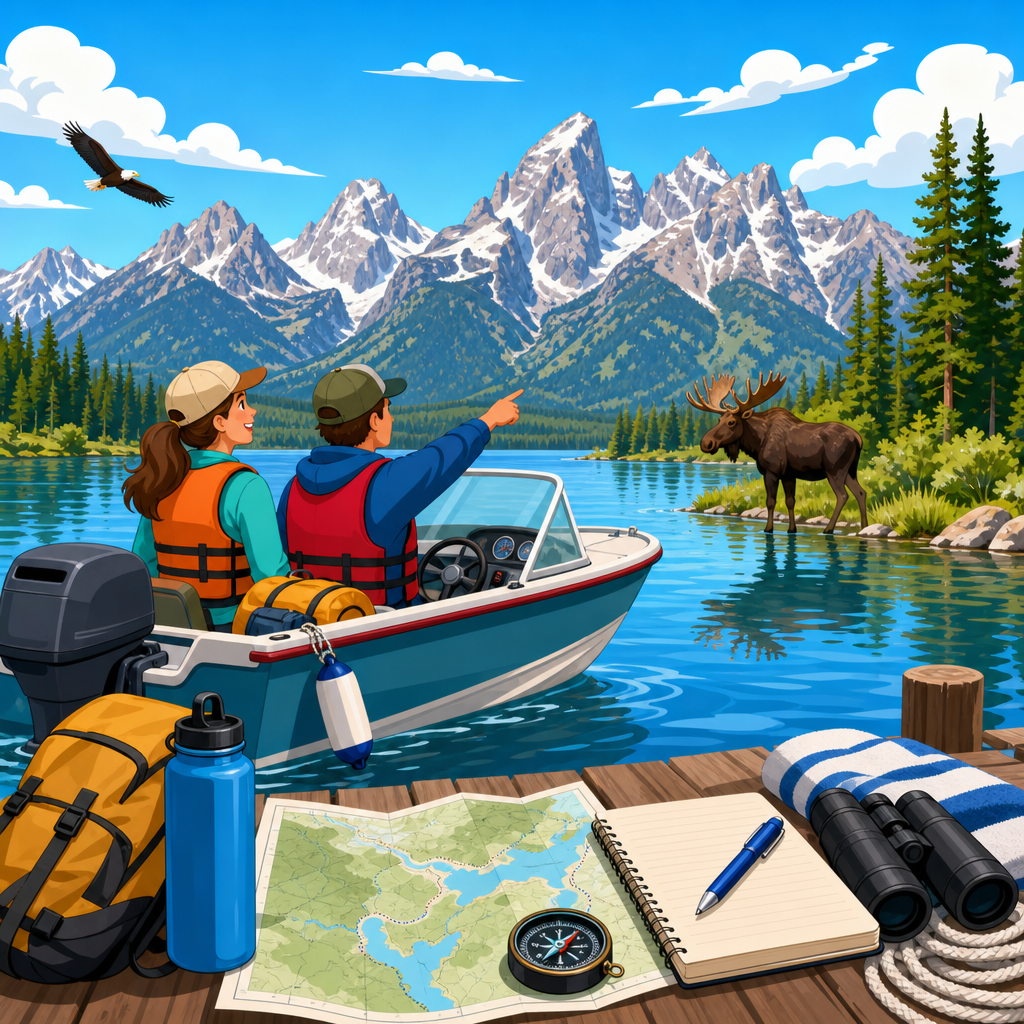
Planning a boating trip in Grand Teton National Park starts with understanding that this is not a casual lake day destination but a high-elevation, weather-sensitive, tightly managed national park where preparation directly affects safety, legality, and enjoyment. Grand Teton boating centers on a handful of remarkable waters, especially Jackson Lake, Jenny Lake, Leigh Lake, and String Lake, each with different access rules, motor restrictions, and trip styles. In practical terms, boating here can mean paddling a canoe across calm morning water beneath the Teton Range, running a small motorboat to fish for lake trout on Jackson Lake, or using a sailboat during a short weather window before afternoon winds build. I have planned park boating days here around launch lineups, invasive species inspections, cold-water risk, and fast-moving mountain storms, and that experience matters because this park rewards precision. A successful trip depends on matching your boat, skill level, and goals to the right waterbody, then aligning permits, inspections, weather, timing, and safety gear. As a hub for boating in national parks, Grand Teton is especially useful because it shows the core planning principles that apply across protected waters: know the rules, respect resource limits, launch early, and build your day around conditions rather than assumptions.
Boating in national parks differs from boating on many state lakes or coastal marinas because conservation rules shape every decision. Protected shorelines, wildlife habitat, seasonal restrictions, aquatic invasive species protocols, designated launch sites, and quieter visitor-use standards all influence what is allowed and what is smart. Grand Teton National Park illustrates these realities clearly. The park sits in northwestern Wyoming, includes glacial lakes and the Snake River corridor, and operates under National Park Service regulations layered with site-specific boating requirements. Water temperatures remain dangerously cold even in summer, snowmelt can alter flows, and alpine winds can transform open water quickly. That combination makes trip planning more important here than on many warm, lowland reservoirs. It also makes the park a strong starting point for anyone researching boating in national parks generally. If you learn how to prepare for Grand Teton, you are also learning the framework for other park destinations: choose the correct season, confirm access and inspections, understand motor limits, prepare for self-rescue, and use official sources for same-day updates.
Choose the Right Waterbody for Your Boat and Trip Goals
The first planning decision is not what day to go but where your boat belongs. Jackson Lake is the park’s primary large-water boating destination and the best fit for motorboats, larger fishing boats, and sailors who understand mountain lake conditions. Its size creates opportunity and exposure at the same time. You can cover distance, reach coves and islands, and fish productive structure, but you also face cold water, fetch-driven waves, and rapidly building wind. Jenny Lake is smaller, more scenic, and more constrained, with heavy visitor traffic and a much stronger emphasis on nonmotorized recreation and quiet enjoyment. Leigh Lake and String Lake are classic paddling choices, popular for kayaks, canoes, and stand-up paddleboards because they provide easier access to scenery and generally shorter crossings. The Snake River introduces a different category entirely: moving water. It may look mellow from a roadside overlook, but current, braids, sweepers, and changing channels mean river boating requires route knowledge and a proper craft.
Matching conditions to your objective prevents most planning mistakes. Families with young children usually do best on String Lake or short paddles on Leigh Lake during calm morning periods. Anglers targeting lake trout or cutthroat often focus on Jackson Lake because it supports larger fisheries and more launch options. Photographers chasing alpenglow reflections should prioritize early, sheltered paddling on Leigh or Jenny Lake rather than exposed midday boating on Jackson Lake. Visitors bringing a trailered powerboat need to think beyond scenery and assess ramp suitability, inspection requirements, parking, and whether the day’s forecast supports a safe crossing. In my experience, many first-time visitors overestimate how much boating they can do in one day and underestimate how long inspections, launching, loading, and afternoon wind delays can take. The better plan is a narrow one: one lake, one launch, one realistic route, and a turnaround time chosen before conditions deteriorate.
Understand Permits, Inspections, Registrations, and Local Rules
Before any boat touches the water, confirm the administrative requirements. In Grand Teton National Park, all boats must follow National Park Service regulations, and additional compliance steps often apply depending on craft type and launch location. Motorboats and many hand-launched vessels require permits or registrations under park rules or applicable state systems, and every boater should verify current requirements directly with the park because procedures, fees, and inspection points can change. Aquatic invasive species prevention is a central part of boating in national parks, not an afterthought. Boats that have been in other waters may need inspection and, in some cases, decontamination before launching. This matters because invasive mussels and other organisms can permanently damage native ecosystems, clog infrastructure, and trigger stricter boating limits. Clean, drain, and dry practices are standard, but in the Greater Yellowstone region they are enforced with unusual seriousness for good reason.
Local rules also govern where and how you launch. Some areas support trailered launches, while others are suitable only for hand-carried paddlecraft. Certain waters restrict motor use, wake creation, or specific equipment types. Personal watercraft rules, fishing licensing requirements, and life jacket standards may differ from what visitors assume from home waters. Wyoming law and federal regulations both matter, especially for children’s life jacket use, reckless operation standards, and boating under the influence. One practical planning habit I recommend is building a document checklist the night before: boat registration, park permit confirmation, fishing licenses if applicable, invasive species paperwork, tow vehicle documents, and emergency contacts. That five-minute check prevents the common national park problem of arriving at a launch ramp after a long drive only to discover that one missing inspection or permit invalidates the day’s plan.
Pick the Best Season, Daily Timing, and Launch Strategy
Grand Teton’s boating season is driven by snow, ice-out, road access, and staffing. Peak boating generally aligns with late spring through early fall, but ideal timing depends on your activity. Early summer often brings cold runoff, fluctuating conditions, and fewer crowds than midsummer. July and August offer the warmest air temperatures and the broadest access, yet they also bring intense visitor demand and common afternoon winds. September can be excellent for experienced boaters because mornings are often crisp and beautiful, boat traffic drops, and visibility is superb, though colder air and shorter days raise the margin for error. Daily timing matters even more than seasonal timing. In mountain parks, calm mornings are not a cliché; they are often the safest and most enjoyable boating window. By early afternoon, thermally driven winds can create whitecaps on Jackson Lake and make paddle returns much harder than the outbound leg.
A disciplined launch strategy turns that knowledge into a better trip. Arrive early enough to clear inspections, rig the boat without rushing, and launch before parking lots fill. For paddlecraft, an early start also means flatter water, better wildlife viewing, and easier shoreline navigation. For motorboats, early launching reduces ramp congestion and makes fuel, loading, and trailer maneuvering less stressful. The following comparison helps visitors choose a realistic fit:
| Waterbody | Best For | Typical Conditions | Main Planning Concern |
|---|---|---|---|
| Jackson Lake | Motorboating, sailing, fishing | Large, exposed, wind-affected | Cold water and afternoon waves |
| Jenny Lake | Scenic paddling, short outings | Busy, smaller water, variable wind | Crowds and access logistics |
| Leigh Lake | Kayaks, canoes, photography | Generally calmer mornings | Hand launch and weather shifts |
| String Lake | Families, beginners, paddleboards | Sheltered, shallow, popular | Parking congestion |
| Snake River | Experienced river boaters | Current, channels, obstacles | Route knowledge and self-rescue |
Use this table as a first filter, not a substitute for current conditions. A beginner can enjoy Jackson Lake on an exceptionally calm morning near a protected shore, and an experienced paddler can still have a bad day on String Lake if they ignore thunderstorms. Conditions always outrank assumptions.
Build a Safety Plan Around Cold Water, Wind, and Altitude
The biggest mistake visitors make is treating Grand Teton like a warm-weather recreation lake. The water is cold enough to trigger gasp reflex, loss of dexterity, and incapacitation long before true hypothermia develops. Even strong swimmers are vulnerable after an unexpected capsize. Every person should wear a properly fitted U.S. Coast Guard-approved life jacket, not just keep one on board. On paddlecraft, that is nonnegotiable. On motorboats, it is still the smartest choice whenever the boat is underway or conditions are changing. Dress for immersion risk, not air temperature. Synthetic or wool layers, a windproof shell, spare dry clothing in a waterproof bag, and secure footwear matter more than casual beachwear. If you are paddling with children, keep crossings short and stay close enough to shore to self-rescue quickly.
Wind is the second major hazard. The Tetons generate dramatic weather shifts, and broad lakes amplify them. A route that feels easy on flat water can become dangerous on the return if headwinds build to the point where progress slows and waves begin hitting the bow or quarter. Build a turnaround time before launch and stick to it even if the destination is close. Altitude adds another stressor. Much of the park sits well above sea level, so visitors arriving from lower elevations may tire faster, dehydrate quickly, or make poorer decisions. Carry more water than you think you need, protect against intense sun exposure, and pace loading and portaging. On every trip, tell someone your launch point, route, and expected return. Cell coverage can be unreliable. A whistle, basic first-aid kit, map, extra food, and weather-aware judgment remain more valuable here than gadget-heavy optimism.
Plan for Fishing, Camping, Wildlife, and Responsible Recreation
Many boating trips in Grand Teton combine multiple goals, and each adds planning details. Anglers need to confirm season dates, species regulations, and licensing requirements. Jackson Lake is known for species such as lake trout and cutthroat trout, but regulations can change, and responsible fish handling is essential where native fisheries and ecosystem management intersect. Campers using boats to access shorelines or connect with backcountry itineraries should confirm designated camping rules, food storage standards, and fire restrictions. Wildlife viewing is one of the park’s greatest advantages, but boating is never a reason to approach animals. Moose, bears, nesting birds, and shoreline mammals all require distance. Give wildlife room, avoid circling for photographs, and never force an animal to move because your boat is too close. Quiet observation is both safer and more consistent with the purpose of national parks.
Responsible boating also means reducing impact at launch sites and on the water. Secure loose gear so nothing blows into the lake. Use established access points rather than creating informal shoreline paths. Keep noise low, especially on smaller lakes where paddlers and shoreline hikers expect a natural soundscape. If you are operating a motorboat, minimize wake near docks, shorelines, anglers, and paddlers. Fuel carefully and check bilges for leaks before launching. On paddlecraft, leash management matters; unsecured gear can snag, drift, or become litter. These habits may seem small, but in heavily visited national parks cumulative impact determines whether boating access remains open, restricted, or further regulated. Visitors who boat well help protect the future of boating in national parks overall.
Use Grand Teton as Your Model for Boating in National Parks
Grand Teton National Park is one of the best places to learn how boating in national parks really works because it combines world-class scenery with real operational discipline. You cannot improvise successfully here for long. The boat must fit the waterbody, the schedule must fit the weather, and the gear must fit cold-water risk. Those same principles carry directly to boating in places like Yellowstone, Voyageurs, Isle Royale, Lake Mead, or Apostle Islands, even though the water conditions differ. Protected areas reward boaters who research access, verify current rules, respect inspections, and treat local hazards as central facts rather than minor inconveniences. If you approach Grand Teton with that mindset, the trip becomes smoother, safer, and far more memorable.
The key takeaways are straightforward. Start with the right lake for your boat and skill level. Check permits, inspections, and launch rules before departure. Go early, because morning conditions are usually best and parking is easier. Wear life jackets, plan for cold water, and respect wind as the park’s most common trip-changing factor. Protect wildlife and shorelines by boating with restraint. Most important, rely on official park updates for current conditions, because no article can replace same-day information. If you are building a broader list of boating destinations and travel ideas, use Grand Teton as your benchmark for planning standards. Get the details right here, and you will be better prepared for boating adventures in national parks everywhere. Start your itinerary with one realistic lake, one early launch, and one well-checked safety plan.
Frequently Asked Questions
What should I know before planning a boating trip in Grand Teton National Park?
Before planning a boating trip in Grand Teton National Park, it is important to understand that boating here requires more preparation than a typical recreational lake outing. The park’s waters sit at high elevation, weather conditions can change quickly, and many access points, launch areas, and boating rules are closely managed to protect both visitors and natural resources. Wind can build rapidly, water temperatures remain dangerously cold even in summer, and seemingly calm mornings can turn into rough and hazardous afternoons. For that reason, your planning should include more than choosing a lake and bringing a boat. You should review current park regulations, confirm launch access, check weather forecasts in detail, and think through safety equipment, permits, and transportation logistics before you arrive.
It also helps to match your trip expectations to the character of each waterbody. Grand Teton is not a one-size-fits-all boating destination. Some lakes are best for quiet paddling and short scenic excursions, while others are better suited to longer crossings, fishing access, or motorized boating where allowed. The park experience is shaped by restrictions designed to limit congestion, reduce invasive species risks, and protect habitat. Visitors who do best are usually the ones who plan conservatively, start early, leave flexibility in their schedule, and treat boating as a backcountry-style activity rather than a casual resort experience. A little extra preparation goes a long way toward making the trip safer, smoother, and far more enjoyable.
Which lakes are best for boating in Grand Teton National Park, and how do they differ?
The most popular boating destinations in Grand Teton National Park are Jackson Lake, Jenny Lake, Leigh Lake, and String Lake, and each offers a very different experience. Jackson Lake is the largest and most complex boating area in the park. It appeals to visitors looking for bigger-water conditions, longer routes, fishing opportunities, and room for both motorized and non-motorized craft where permitted. Because of its size, Jackson Lake can also become the most demanding. Wind exposure, wave buildup, long distances between points, and colder, rougher conditions make it better for experienced boaters who are prepared for changing weather and understand how quickly large mountain lakes can become dangerous.
Jenny Lake offers spectacular scenery and easy access to iconic views, but it is much more controlled in terms of traffic and use. It is popular for short paddle outings and sightseeing, and boaters should expect tighter management, more visitor activity, and specific rules that may affect what type of craft can be used and how the lake is accessed. Leigh Lake is often favored by paddlers seeking a quieter, more scenic trip with a semi-backcountry feel. It can be excellent for canoeing or kayaking, especially for those who want to combine boating with shoreline exploration or a picnic. String Lake is generally calmer and more approachable for beginners, families, and people looking for a shorter paddle in a protected setting. Choosing the right lake depends on your skill level, the kind of boat you have, the amount of time available, and whether you want a relaxed paddle, a scenic crossing, or a more advanced boating day.
Do I need permits, inspections, or special equipment to boat in Grand Teton National Park?
In many cases, yes. Boaters should expect Grand Teton National Park to require compliance with regulations related to permits, aquatic invasive species prevention, and vessel use standards. Specific requirements can vary depending on the type of craft, the lake, and the season, so it is essential to verify the current rules directly with the National Park Service before your trip. Motorized boats often face more extensive requirements than hand-launched kayaks, canoes, or paddleboards, but even non-motorized users may need to follow inspection, decontamination, or seasonal access rules. These procedures are in place to protect the park’s waters from invasive species and to manage congestion and safety on heavily used lakes.
Equipment requirements should be treated seriously, not as a formality. Every boater should carry properly fitted personal flotation devices for all passengers, and they should be worn, not just stored. Cold water immersion is a real hazard in Grand Teton, even during warm weather. Beyond life jackets, smart preparation includes a whistle or sound-signaling device, extra layers in waterproof storage, sun protection, drinking water, navigation awareness, and a way to secure loose gear in case the water becomes choppy. If you are venturing onto larger water such as Jackson Lake, additional safety planning is especially important. Bringing the legally required gear is only the baseline; bringing the right gear for sudden wind, cold water, and remote shoreline conditions is what actually helps keep the trip safe.
How should I prepare for weather, wind, and cold-water safety while boating in the park?
Weather preparation is one of the most important parts of planning a boating trip in Grand Teton National Park. Mountain weather is famously unpredictable, and lakes that appear calm early in the day can become hazardous within hours as winds increase. Afternoon gusts are common, and on larger lakes, those winds can quickly create waves that are difficult for small craft to manage. A good rule is to launch early, monitor the forecast closely, and build your route so that you are not forced into an exposed crossing late in the day. You should also pay attention to visible weather changes, not just the forecast on your phone. Darkening clouds, increasing chop, and stronger gusts are all signs that it may be time to return to shore.
Cold-water safety matters just as much as weather awareness. Even on sunny summer days, lake temperatures can be low enough to trigger cold shock, rapid loss of coordination, and hypothermia if you capsize. This is why life jackets are so important and why many experienced boaters dress for the water temperature, not just the air temperature. Keep extra dry layers in a waterproof bag, avoid overloading small boats, and stay close to shore if your skill level is limited or conditions are uncertain. It is also wise to tell someone your planned route and expected return time, especially if you are paddling on quieter lakes or less developed shorelines. In Grand Teton, safe boating is less about reacting well to trouble and more about planning carefully enough to avoid trouble in the first place.
What is the best way to plan a smooth and enjoyable boating day in Grand Teton National Park?
The best boating days in Grand Teton usually come from careful, realistic planning rather than trying to do too much. Start by selecting a lake that matches your experience level and trip goals. If you want a short, scenic paddle with relatively simple logistics, String Lake or Leigh Lake may be a better fit than a full outing on Jackson Lake. If you are interested in motorized boating or a longer day on the water, Jackson Lake may offer more options, but it also demands more attention to conditions, launch planning, and timing. Once you choose the waterbody, map out your access point, understand any restrictions on motors or launches, and estimate how long your route will actually take, including return time against possible headwinds.
It also helps to plan the entire day around park realities, not just boating time. Parking can fill early at popular areas, seasonal demand can affect launch efficiency, and wildlife, weather, and traffic can all alter your schedule. Bring food, plenty of water, sun protection, and layers so you are not rushed or underprepared. Keep your itinerary flexible enough to shorten or cancel the trip if conditions deteriorate. Most importantly, approach the outing with the mindset that the goal is not simply to get on the water, but to enjoy the park responsibly and safely. A well-planned boating trip in Grand Teton feels smooth because the details were handled in advance: the right lake, the right gear, an early start, current regulations checked, and a route chosen with both scenery and safety in mind.