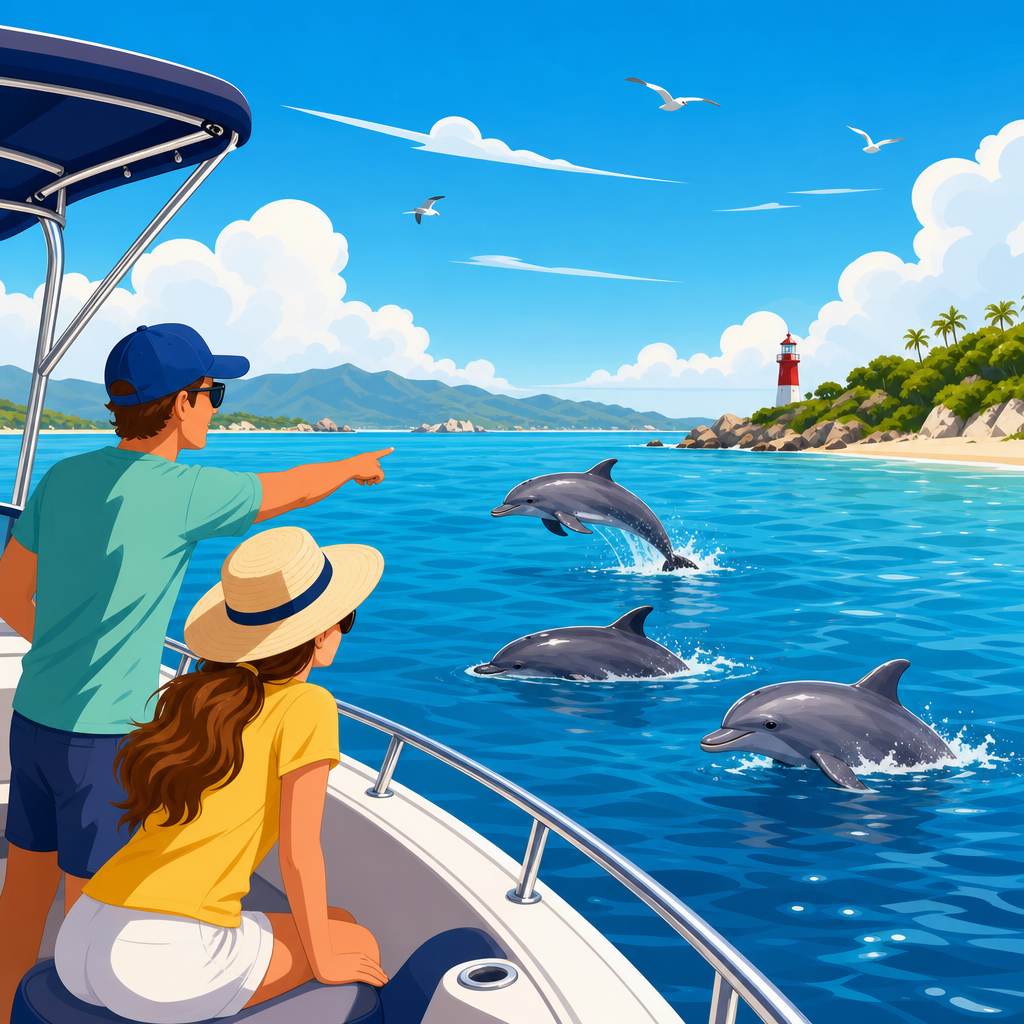
Seeing dolphins from your boat is one of the most memorable experiences in boating travel, combining wildlife watching, route planning, local knowledge, and responsible seamanship in a way few on-water activities can match. In practical terms, dolphin watching by boat means identifying the right habitats, seasons, and conditions so you can safely observe wild dolphins behaving naturally without disturbing them. It matters because the best sightings rarely come from luck alone. They come from understanding tidal movement, bait concentrations, water temperature, traffic patterns, and regional species behavior, then matching those factors to destinations where boaters consistently report encounters.
As someone who has planned wildlife-focused cruising itineraries in coastal bays, passes, and nearshore waters, I have learned that the “best locations” are not just famous places on a map. They are specific types of water: estuary mouths where fish gather, protected sounds with resident bottlenose pods, channels near sandbars, and coastal stretches where current lines trap food. Boaters searching for the best locations to see dolphins from your boat usually want direct answers to a few questions: where should you go, when should you go, what should you look for, and how close is too close? This hub article answers those questions while organizing the broader topic of boating for adventure and wildlife watching.
Dolphins are highly social marine mammals, and the species most recreational boaters encounter is the common bottlenose dolphin. In parts of the Pacific, Atlantic, Gulf, and tropical cruising grounds, you may also see spinner dolphins, common dolphins, Atlantic spotted dolphins, or dusky dolphins, depending on the region. Their presence is shaped by prey availability, salinity tolerance, depth, and human activity. That is why a marina brochure can promise dolphin sightings, yet actual success depends on reading the environment. A calm morning in a productive estuary may outperform a crowded “tourist hot spot” every time.
For boating destinations and travel, dolphin watching works best when treated as a route-planning discipline rather than a random add-on. A strong destination has predictable habitat, accessible launch points or marinas, protected water for safe observation, and local guidance on regulations. This hub covers the most reliable types of dolphin-watching locations, specific standout regions, the boating conditions that improve success, and the etiquette that protects both wildlife and your trip. If you are building a wildlife-focused cruising list, these are the places and patterns to start with.
What Makes a Location Ideal for Seeing Dolphins from Your Boat
The best locations to see dolphins from your boat share five traits: abundant forage fish, moving water, manageable depth changes, relatively clean water, and repeatable dolphin use patterns. Dolphins feed efficiently where prey is concentrated, so current edges, inlet mouths, river confluences, oyster bars, seagrass margins, and tidal flats are prime zones. In Florida’s Intracoastal Waterway, for example, bottlenose dolphins regularly patrol channels beside shallow feeding grounds. In South Carolina’s salt marsh estuaries, they push bait into narrowing creeks on a falling tide. In Southern California, common dolphins are often found where offshore bait schools gather near temperature breaks.
Depth matters more than many boaters realize. You do not need deep bluewater conditions for excellent dolphin sightings. Resident bottlenose dolphins commonly use shallow bays, sounds, and passes, especially where mullet, menhaden, sardines, or shrimp are plentiful. Conversely, some species are more likely in offshore or shelf-edge waters. Knowing which setting matches which species saves time and fuel. If your goal is family-friendly dolphin viewing from a center console, pontoon, or cruising boat, protected nearshore and estuarine waters usually offer the highest success rate with the lowest weather risk.
Boat traffic is another deciding factor. Dolphins do habituate to human presence in busy destinations, but heavy traffic can make natural behavior harder to observe and increase stress on the animals. I generally find the most rewarding outings happen at first light, on weekdays, or just outside the peak tour-boat window. The location may be famous, but timing often determines whether you see dolphins milling around boat wakes or feeding, socializing, and traveling in a more natural pattern.
Best Types of Dolphin-Watching Boating Destinations
If you want a simple rule, prioritize estuaries, inlets, barrier-island lagoons, broad bays, and nearshore coastal runs over featureless open water. Estuaries are especially productive because freshwater and saltwater mix there, supporting bait and nursery habitat. Places such as Florida’s Indian River Lagoon, Texas bays, Chesapeake tributaries, and the Carolinas’ tidal creeks are classic examples. Dolphins can remain in these systems year-round, giving private boaters a realistic chance of repeated sightings without running far offshore.
Inlets and passes deserve special attention because they compress current and prey. Boaters near places like Jupiter Inlet, Clearwater Pass, Oregon Inlet, or Aransas Pass often see dolphins working current seams where fish are disoriented. The key is to watch the edges rather than charging through the middle. Slow down, stay predictable, and scan for dorsal fins, surface disturbance, birds, or bait flicking at the top.
Barrier-island lagoons and sounds are another top category. Protected waters behind islands often combine calm conditions with strong food availability. North Carolina’s Pamlico and Core sounds, the backwaters of Hilton Head, and Alabama’s coastal bays regularly produce sightings. These areas are ideal for boaters who want a comfortable ride while combining dolphin watching with sandbar stops, fishing, or sunset cruising.
Nearshore coastal routes can be exceptional when sea state allows. Off San Diego, Monterey Bay, or parts of New Zealand and South Africa, boaters may encounter larger groups of dolphins traveling or bow-riding. These trips require more weather discipline, a seaworthy boat, and awareness that offshore sightings are less predictable than resident estuary encounters. When conditions line up, however, nearshore cruising can deliver the most dramatic visuals.
| Location type | Why dolphins use it | Best boating approach | Typical sighting style |
|---|---|---|---|
| Estuary or lagoon | Bait-rich nursery habitat with stable resident pods | Idle or slow cruise along channels, flats edges, and creek mouths | Feeding, socializing, traveling |
| Inlet or pass | Strong current concentrates prey | Hold outside main traffic line and watch current seams | Active feeding and fast movement |
| Bay or sound | Protected water and broad foraging range | Cruise early near shoals, marsh edges, and deeper channels | Small pod encounters, repeated sightings |
| Nearshore coast | Bait schools and temperature breaks attract larger groups | Run only in good weather and scan for birds or surface action | Bow-riding and long traveling pods |
Best Regions in the United States for Dolphin Sightings by Boat
Florida is the strongest all-around answer for most recreational boaters asking where to see dolphins from your boat. The state has extensive intracoastal routes, warm water, resident bottlenose populations, and countless launch points. Particularly reliable areas include Sarasota Bay, Tampa Bay, Clearwater, the Ten Thousand Islands, the Florida Keys, Destin, and the Indian River Lagoon. In these waters, dolphins often patrol bridges, channels, grass flats, and marina approaches. A half-day cruise can produce multiple sightings without leaving protected water.
The Gulf Coast beyond Florida is equally rewarding. Alabama’s Orange Beach and Perdido Bay, Mississippi Sound, and Texas systems such as Galveston Bay, Corpus Christi Bay, and Laguna Madre all support regular dolphin encounters. Texas is especially interesting because dolphins often use ship channels, passes, and productive bay complexes. Boaters should remain cautious in commercial traffic zones, but well-timed trips in adjacent waters can be excellent.
The Southeast Atlantic coast is another standout. Charleston Harbor, Hilton Head, Beaufort, Savannah, and the Outer Banks all offer strong opportunities in marsh and inlet environments. South Carolina is known for strand-feeding behavior in some estuaries, where dolphins work fish against muddy banks. It is not something boaters should crowd or pursue, but it shows how specialized local feeding can become in the right habitat.
On the West Coast, Southern California offers frequent sightings of common dolphins and bottlenose dolphins, especially from San Diego, Dana Point, Newport Beach, and Long Beach. Monterey Bay is world-class for marine life, though weather and sea conditions can be more demanding. Pacific Northwest boaters may also see dolphins in some areas, but whales, porpoises, sea lions, and seabirds are often more consistent targets there than dolphins specifically.
Top International Boating Destinations for Dolphin Watching
If your boating travel extends beyond the United States, several destinations consistently rank among the best places to see dolphins from your boat. New Zealand’s Bay of Islands, the Bay of Plenty, and Marlborough Sounds offer productive coastal habitat and strong wildlife tourism infrastructure. Australia’s Moreton Bay, Port Stephens, Jervis Bay, and parts of Western Australia are excellent for dolphin encounters in accessible coastal waters. In Europe, the Azores, parts of Portugal’s Algarve, Croatia’s Adriatic coast, and the Strait of Gibraltar are well known for cetacean sightings, though offshore conditions vary.
The Bahamas deserve special mention for private boaters because they combine clear water, easy island-hopping, and frequent dolphin encounters. The Abacos, Exumas, and waters near Nassau can all produce sightings, especially on calm crossings and bank edges where bait is present. Clear water does not always mean more dolphins, but it dramatically improves the viewing experience when animals surface near the boat.
In the Caribbean, sheltered coastal routes around the British Virgin Islands, Turks and Caicos, and parts of Antigua can offer opportunistic sightings during island transits. In South Africa and parts of South America, offshore and nearshore dolphins can be spectacular, but conditions may be less forgiving for casual cruising. Choose destinations that match your vessel, local regulations, and sea experience rather than chasing a famous wildlife headline.
When to Go and How to Improve Your Chances
The best time of day to see dolphins from your boat is usually early morning or late afternoon, when light is lower, wind is lighter, and boat traffic is reduced. Calm water makes dorsal fins and surfacing patterns easier to spot. In many destinations, dolphins are present year-round, but seasonal bait movements can create stronger patterns. Mullet runs in the Southeast, summer schooling baitfish in bays, and stable warm-water periods in subtropical regions often increase sightings.
Tide can matter as much as season. In estuaries and inlets, moving water is productive because it concentrates food. A falling tide often pulls bait from marshes and creeks into predictable channels; an incoming tide can bring fish back across bars and flats. I advise boaters to check local tide tables and fish reports because the same data that helps anglers often helps wildlife watchers. Birds diving, bait showering, nervous water, and repeated fish marks on sonar are all useful clues that dolphins may be nearby.
Noise and speed influence success. Running on plane through likely habitat reduces your odds because you simply pass the activity too quickly. Once you enter a productive zone, slow to idle or no-wake speed and watch in all directions for several minutes before moving again. Polarized sunglasses help reduce glare, and an elevated helm or upper deck improves surface scanning. If you spot one dolphin, wait. Pods often surface in sequence, and what looks like a single fin can quickly become a group.
Responsible Viewing, Safety, and Trip Planning
Responsible dolphin watching from your boat starts with distance and predictability. In U.S. waters, dolphins are protected under the Marine Mammal Protection Act, which prohibits harassment. In practical terms, do not chase, cut off, circle tightly, feed, touch, or attempt to make dolphins bow-ride. If they approach your boat on their own, maintain steady speed or shift to neutral where safe and let them control the encounter. This protects the animals and reduces the risk of propeller injury.
Safety for your crew matters just as much as wildlife protection. The excitement of a sighting can distract a skipper from shoals, traffic, crab pots, or changing weather. Assign one person to watch the dolphins and one to watch navigation if possible. In busy passes and harbors, avoid sudden turns for a photo. The best trips are planned around weather windows, local charts, fuel range, launch logistics, and fallback activities if wildlife is quiet. Marinas, visitor bureaus, NOAA charts, Navionics, local captains, and state wildlife agencies are all useful planning resources.
As a hub for boating for adventure and wildlife watching, this topic connects naturally to route guides, launch-point reviews, family cruising itineraries, birding by boat, whale watching regions, manatee areas, and boating safety checklists. The main takeaway is simple: the best locations to see dolphins from your boat are productive, protected, and predictable waters where prey, current, and local knowledge intersect. Choose estuaries, bays, inlets, lagoons, and calm nearshore routes first, go at low-traffic times, and watch responsibly. Build your next boating destination around those principles, and your odds of seeing dolphins rise dramatically.
Start by picking one regional waterway known for resident dolphins, checking tides and weather, and planning a slow cruise around feeding habitat. That single adjustment turns a generic day on the water into a focused wildlife adventure.
Frequently Asked Questions
Where are the best locations to see dolphins from your boat?
The best locations to see dolphins from your boat are usually places where food, shelter, and favorable water conditions come together. Inshore bays, tidal estuaries, river mouths, passes, coastal lagoons, and nearshore reefs are all classic dolphin habitat because baitfish tend to concentrate there. Dolphins often patrol channels, sandbars, current edges, and areas where moving water pushes fish into tighter schools. Along many coastlines, protected sounds and harbors can also be productive, especially early in the morning when boat traffic is lighter and marine life is more active.
Local knowledge makes a major difference. A chart may show you the structure, but marina operators, fishing captains, harbor masters, and local boating communities often know which stretches of water consistently hold dolphins during different parts of the year. Some areas are famous for year-round sightings, while others are highly seasonal and depend on migration, spawning baitfish, or water temperature changes. If you want to improve your odds, look for places with healthy fish populations, tidal movement, and repeated sighting reports rather than simply choosing a scenic cruising area. The most reliable dolphin-watching spots are rarely random; they are predictable habitats where dolphins return because feeding opportunities are good.
What time of day and what conditions are best for spotting dolphins from a boat?
Calm conditions almost always improve dolphin spotting. Light winds, small chop, and good visibility make it easier to notice dorsal fins, surface disturbances, splashing bait, and the smooth rolling movement dolphins make when they breathe. Early morning is often one of the best times because the water is typically calmer, glare can be more manageable depending on your heading, and there is usually less recreational boat traffic. Late afternoon can also be productive, especially in areas where feeding activity picks up with changing tides and light levels.
Tides and current matter as much as the clock. Dolphins frequently feed where moving water concentrates fish, so incoming and outgoing tides around inlets, creek mouths, marsh edges, and narrow channels can be especially productive. Watch for signs such as birds working bait, fish breaking the surface, or repeated dolphin surfacing in one area. Overcast days can sometimes help reduce glare, while very rough water can make even active dolphins difficult to see. In general, the best combination is calm water, active current, and a location known for baitfish. Planning around those conditions gives you a much better chance than simply heading out at random and hoping for a sighting.
How can I increase my chances of seeing dolphins without disturbing them?
The best approach is to combine smart route planning with patient, respectful observation. Start by cruising through known dolphin habitat at a moderate, controlled speed and keep a constant lookout rather than racing from one spot to another. Polarized sunglasses can help reduce surface glare, and a slightly elevated vantage point on your boat can make fins and wakes easier to spot. Once dolphins are seen, slow down well in advance, keep your movements predictable, and avoid sudden throttle changes, hard turns, or attempts to chase the pod. Dolphins are wild animals, and the most memorable sightings often happen when boaters let them choose whether to approach, cross nearby, or continue on naturally.
It also helps to recognize behavior. Dolphins that are steadily traveling may surface in a line and keep a clear heading, while feeding dolphins may change direction often, cluster tightly, or work around bait schools and birds. Mothers with calves deserve extra caution and extra distance. If the animals alter course abruptly, dive for longer periods, bunch together tightly, tail-slap repeatedly, or seem to avoid your boat, those can be signs that you are too close or creating pressure. Back off and give them room. Responsible boating not only protects wildlife but usually leads to better viewing because relaxed dolphins are more likely to continue natural behavior that is interesting to watch.
What are the rules and safety guidelines for watching dolphins from your boat?
The first rule is to follow all local wildlife viewing regulations, because legal approach distances and protected-species rules vary by region. In many places, harassing marine mammals is prohibited, and harassment can include chasing, cutting off their path, separating mothers and calves, circling a pod, or lingering so closely that the animals change behavior. Even where exact distance rules differ, the standard best practice is simple: stay well clear, keep your course steady, and never use your boat to force an interaction. If dolphins approach you on their own, maintain neutral, predictable operation and resist the urge to speed up or maneuver around them for a better photo.
Seamanship matters too. While watching dolphins, operators can become distracted, so someone should always remain responsible for navigation, depth awareness, nearby traffic, and no-wake zones. Be especially careful in passes, channels, and shallow feeding areas where currents, shoals, crab pots, fishing gear, or other boats may create hazards. If you stop to observe, do so in a safe location outside navigation channels whenever possible. Keep noise down, secure loose passengers, and remember that safety comes before wildlife viewing. The goal is to enjoy the encounter while protecting your passengers, your vessel, other boaters, and the dolphins themselves.
Are some seasons better than others for dolphin watching by boat?
Yes, although the answer depends heavily on region and species patterns. In some coastal areas, dolphins are present year-round, but their visibility and concentration change with water temperature, prey movement, and boating conditions. Spring and summer can be excellent because calmer weather and abundant bait often make dolphins easier to find in bays, estuaries, and nearshore waters. In other places, fall can be outstanding when baitfish migrate and predators gather around passes, beaches, and river mouths. Winter may still offer great sightings in milder climates, particularly in protected inshore habitat where dolphins remain active even when offshore conditions are poor.
The most effective strategy is to match season with local habitat use instead of assuming one universal “best month.” Check recent sighting reports, ask local marinas and guides, and look at patterns in bait presence and tidal flow. A location that is excellent in summer may be quiet in winter, while another may become more reliable when seasonal fish runs begin. If you are planning a boating trip specifically to see dolphins, build your route around the local seasonal window, not just the tourist season. That small planning step often makes the difference between a lucky sighting and a consistently successful wildlife-watching trip.