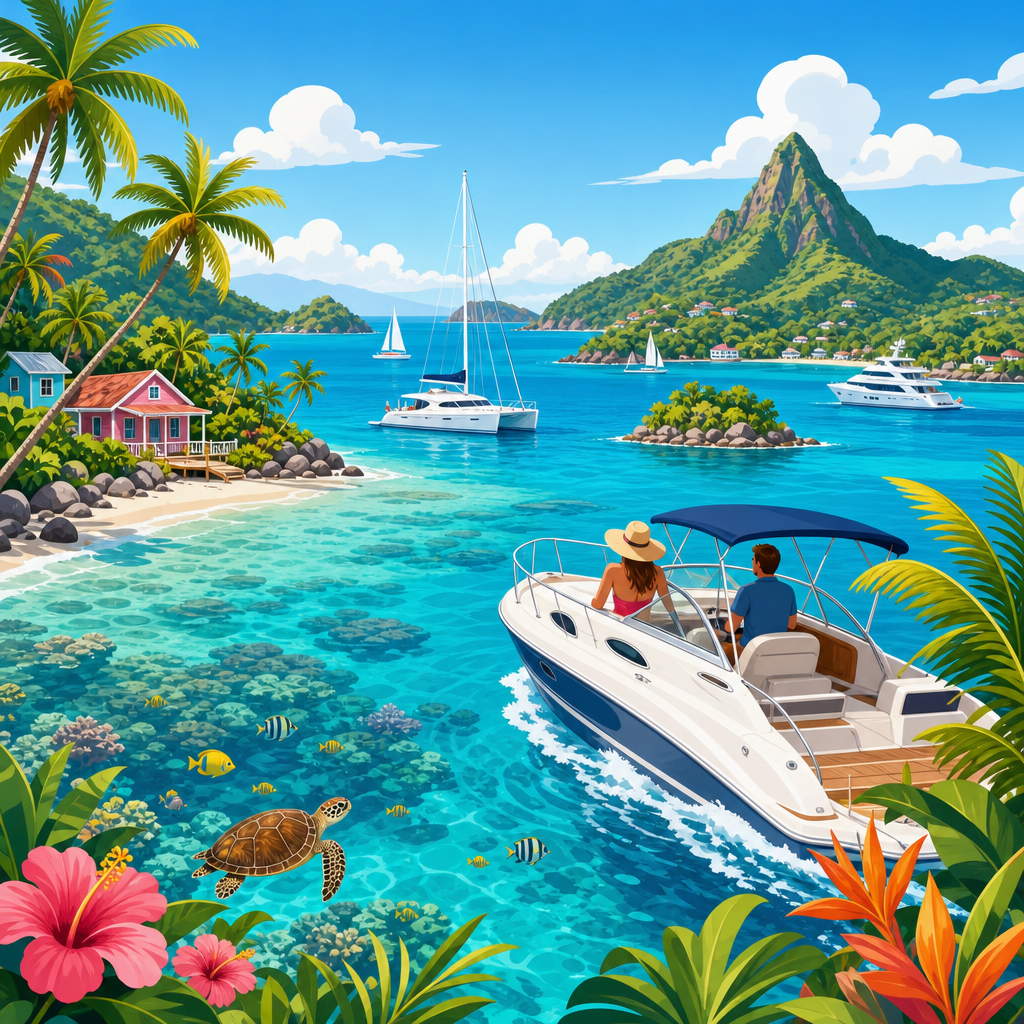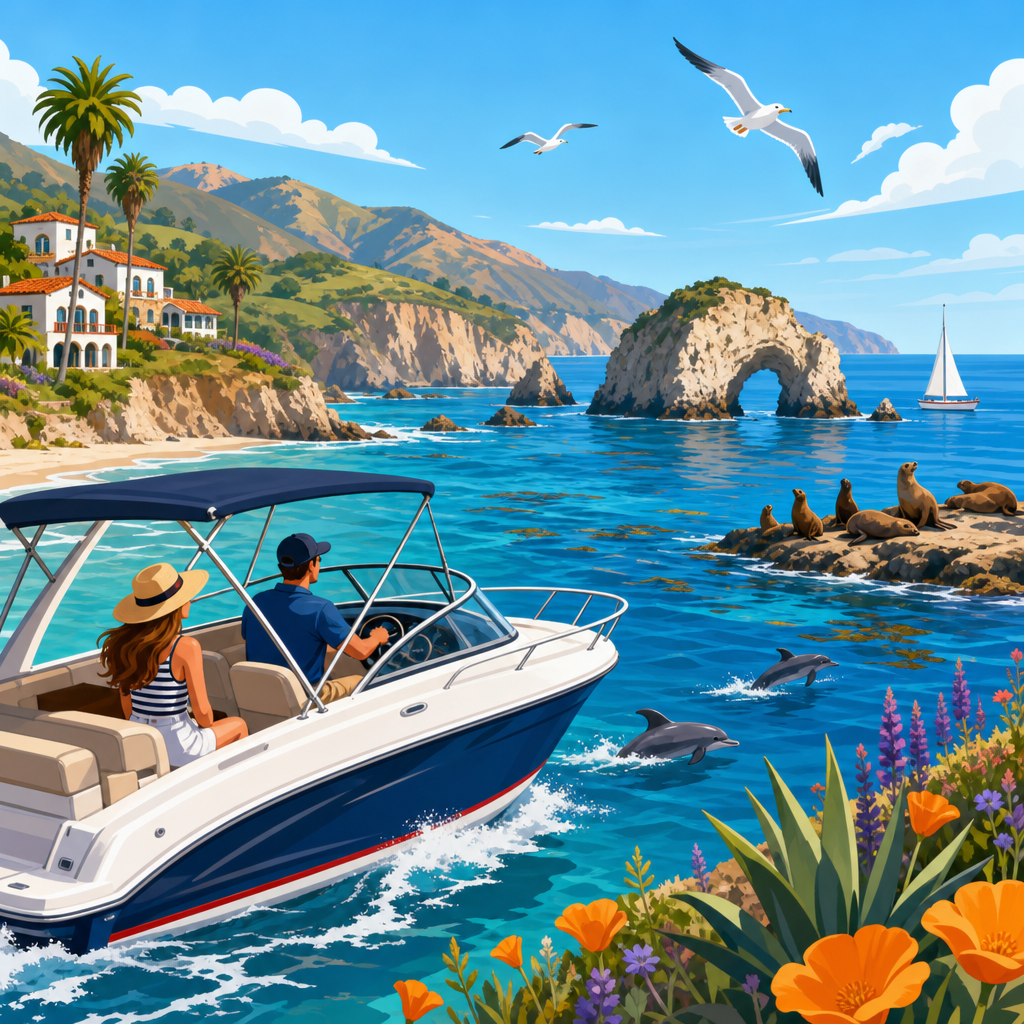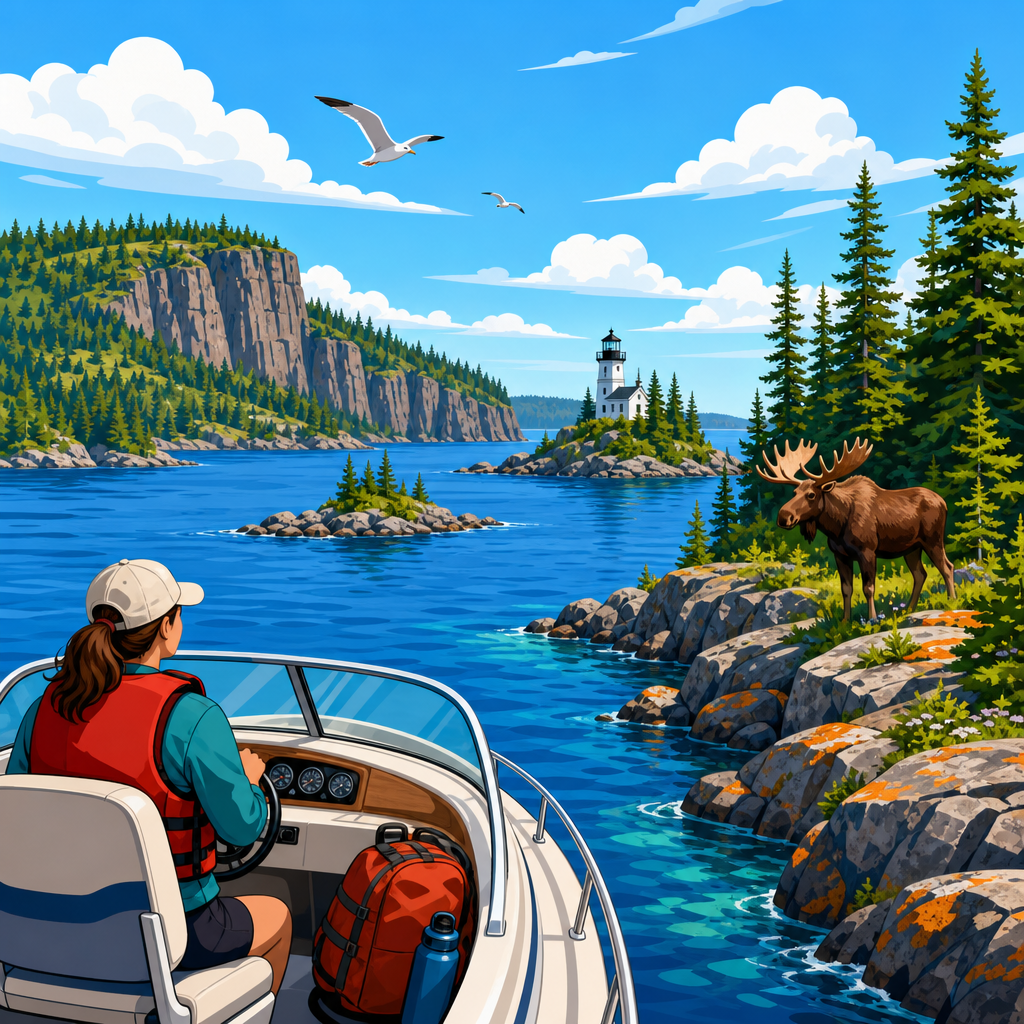
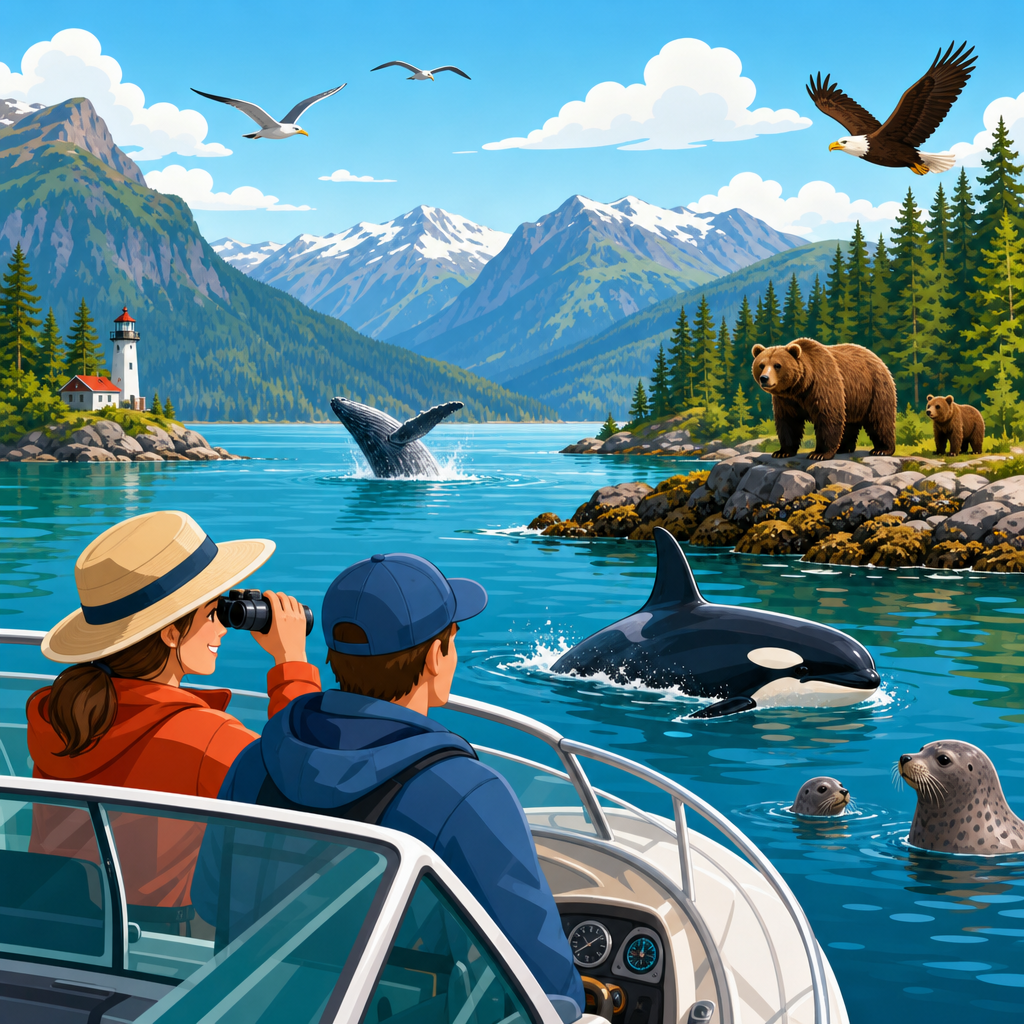
Wildlife watching by boat turns travel into immersion, placing you inside feeding grounds, migration corridors, estuaries, fjords, and reef systems where animals behave more naturally than they often do from shore. For travelers planning boating destinations around sightings rather than scenery alone, the best wildlife viewing destinations for boaters combine reliable animal activity, safe navigation, seasonal timing, and access to guides, marinas, permits, and protected waters. I have planned and evaluated boating itineraries around this exact mix, and the strongest trips always start with one core principle: wildlife encounters are never just about where you go, but when you go, how you approach, and what kind of vessel you use.
In practical terms, boating for adventure and wildlife watching means traveling by sailboat, trawler, expedition yacht, inflatable, kayak, skiff, or liveaboard to observe marine and shoreline species in habitats that are difficult to reach on foot. That can include whale watching in Alaska, bear viewing by skiff in British Columbia, birding through Florida mangroves, spotting sea lions in the Galapagos, or drifting quietly past hippos and crocodiles on African waterways where local regulations allow guided access. The category is broad, but the best destinations share common features: biodiversity, predictable seasonal patterns, responsible tourism frameworks, and launch points that make repeated outings realistic rather than one-off excursions.
This matters because boat-based wildlife tourism is growing while habitats face pressure from warming seas, vessel traffic, shoreline development, and poorly managed visitation. The difference between a memorable ethical trip and a damaging one often comes down to decisions made before the dock lines are cast off. Skilled boaters know that distance rules, speed zones, no-wake areas, and approach angles are not annoyances; they are what protect nesting birds, resting seals, and feeding whales. Travelers also need to match destinations to experience level. A sheltered estuary suited to a rental skiff is very different from a tide-heavy channel in southeast Alaska or a remote Baja anchorage requiring range, weather judgment, and self-sufficiency.
As the hub for boating for adventure and wildlife watching, this guide covers the leading regions, what animals you can realistically expect to see, how to choose the right trip style, and what makes one destination better than another for different boaters. It also points toward the bigger planning questions searchers usually have: Which destination is best for whales? Where can families see wildlife safely from a boat? What places work for private cruising versus guided charters? By answering those directly and grounding them in real conditions, you can narrow the field quickly and plan a trip that is exciting, responsible, and far more likely to deliver meaningful encounters.
What Makes a Wildlife Boating Destination Exceptional
The best wildlife viewing destinations for boaters are not simply places with animals on a brochure. They offer concentration, accessibility, and repeatability. Concentration means enough habitat quality and food availability that animals gather in numbers. Accessibility means ramps, marinas, anchorages, fuel, charts, guides, permits, and rescue services exist in proportion to the remoteness of the region. Repeatability means sightings are tied to known seasonal behaviors such as herring runs, sardine bait balls, whale migrations, turtle nesting cycles, or tidal feeding windows, so boaters are not relying purely on luck.
Distance and vessel suitability are just as important as species lists. In my experience, first-time wildlife-focused cruisers often overvalue bucket-list animals and undervalue sea state, current, and visibility. A destination can be globally famous, yet disappointing if your boat is too large for shallow creeks, too small for exposed crossings, or too noisy for close observation in sheltered habitats. Quiet propulsion, low wake, and maneuverability matter. So does local knowledge. Destinations with established naturalist captains, ranger briefings, and documented wildlife etiquette almost always produce better sightings because operators know feeding areas, haul-outs, and legal stand-off distances.
| Destination | Signature Wildlife | Best Season | Boating Style |
|---|---|---|---|
| Inside Passage, Alaska | Humpback whales, orcas, sea otters, bald eagles, brown bears | June to September | Expedition yacht, trawler, guided day boat, kayak |
| Baja California Sur, Mexico | Gray whales, whale sharks, mobula rays, sea lions | January to April | Liveaboard, trailer boat, panga, cruising yacht |
| Galapagos Islands, Ecuador | Marine iguanas, blue-footed boobies, sea lions, hammerheads, whales | Year-round, with peak variations by species | Licensed liveaboard or regulated tour vessel |
| British Columbia, Canada | Orcas, grizzlies, black bears, dolphins, seabirds | May to October | Trawler, sailboat, skiff, guided wildlife charter |
| Florida Everglades, United States | Manatees, dolphins, alligators, roseate spoonbills, ospreys | November to April | Skiff, flats boat, kayak, small cruiser |
Top North American Wildlife Boating Regions
Southeast Alaska remains one of the most complete wildlife cruising regions in the world. The Inside Passage combines relatively protected water with extraordinary biodiversity. Humpback whales feed in summer using bubble-net techniques in some areas, orcas transit channels, Steller sea lions occupy haul-outs, and bald eagles are common along shorelines. If you add guided shore excursions or skiff runs, brown bear viewing becomes part of the same itinerary. Glacier Bay National Park is a standout, though permits, vessel quotas, and regulations require advance planning. For private boaters, Sitka, Juneau, Petersburg, and Ketchikan are proven bases, each with different access to whale grounds, salmon streams, and fjord systems.
British Columbia offers similar richness with a slightly different emphasis. Around Johnstone Strait and northern Vancouver Island, summer and early fall bring renowned orca activity, while grizzly and black bear viewing improves in estuaries and salmon rivers farther north, often through licensed operators using smaller boats. Desolation Sound and the Broughton Archipelago mix sheltered cruising with seals, porpoises, eagles, and seasonal whales. The major advantage here is variety. A family in a chartered cruising boat can spend one day watching harbor seals and river otters in calm anchorages, then the next join a specialist operator for bear viewing without exposing themselves to challenging offshore conditions.
Baja California Sur is one of the best whale-focused boating destinations anywhere. The gray whale lagoons around Magdalena Bay and San Ignacio are famous because winter calving and breeding bring whales into relatively protected water. In La Paz, seasonal whale sharks draw guided boats, while nearby Espíritu Santo Island offers sea lions, dolphins, and excellent snorkeling. Offshore and shoulder-season opportunities include mobula ray aggregations and migrating humpbacks. The practical appeal of Baja is flexibility: trailer boaters, sportfishing vessels, cruising sailboats, and liveaboards can all build successful itineraries, although weather windows in the Sea of Cortez still deserve respect.
Florida’s Everglades and Ten Thousand Islands serve boaters who want rich wildlife access without committing to a remote expedition. Mangrove tunnels, back bays, and shallow estuaries hold bottlenose dolphins, manatees, American alligators, crocodiles in southern sectors, and major birdlife including herons, egrets, ibis, spoonbills, and ospreys. Winter and early spring are especially productive because lower rainfall improves visibility and concentrates animals. Small draft matters here. Flats skiffs, bay boats, kayaks, and compact cruisers can reach areas that deeper boats cannot. For families and newer boaters, it is one of the easiest places to pair navigation confidence with high daily sighting rates.
Global Bucket-List Destinations for Boating and Wildlife Watching
The Galapagos Islands are the benchmark for boat-based wildlife immersion because animals evolved with limited fear of humans and because strict regulation has preserved much of that experience. Most visitors explore by licensed liveaboard or small expedition vessel rather than private yacht. The reward is density and diversity: Galapagos sea lions on docks and beaches, marine iguanas foraging in the surf, frigatebirds and blue-footed boobies nesting visibly, penguins in cooler western waters, and regular chances for dolphins, rays, turtles, and sometimes whales. For boaters, the lesson is that regulation improves outcomes. Controlled landing sites, certified guides, and route management create sightings that are orderly, safe, and consistently exceptional.
Norway’s fjord and Arctic regions deliver a different kind of spectacle defined by cold water productivity and dramatic landscapes. In northern Norway, particularly around Tromsø and Skjervøy during winter, herring concentrations can attract orcas and humpbacks into accessible coastal waters. Farther south, seabirds, seals, porpoises, and sea eagles enrich fjord cruising. Conditions are serious, especially in shoulder seasons, so this destination favors experienced skippers or guided operations in capable vessels. The payoff is unusual proximity to apex predators in a setting where photography, natural light, and scenery can be as compelling as the wildlife itself.
Southern Africa adds river, estuary, and coastal options with powerful contrasts. In Botswana’s Chobe River deltaic systems and on sections of the Okavango accessible by guided motorboat or mokoro, boaters can see elephants swimming, hippos surfacing beside channels, crocodiles basking, and abundant birdlife including fish eagles and kingfishers. In South Africa’s coast and estuaries, seasonal whale watching, penguins, seals, and pelagic seabirds broaden the menu. These are not do-it-yourself destinations in the same way Alaska or Florida can be; local operators, park rules, and region-specific safety considerations are fundamental. Done properly, though, they deliver some of the most memorable crossovers between boating safari and marine wildlife travel.
How to Choose the Right Destination for Your Boat and Travel Style
Start with your real operating range, not your aspirational one. If your boat carries limited fuel, has minimal weather protection, or lacks tender support, choose wildlife grounds close to launch ramps or marinas where sightings are still strong. That points many owners toward places like the Everglades, the San Juan Islands, Monterey Bay, or sheltered British Columbia routes rather than open-ocean crossings. Private cruisers with heating, redundant navigation systems, and weeks of autonomy can step up to southeast Alaska, Baja passages, or remote fjords. Guided charters remain the best option when permits, local rules, or habitat sensitivity make independent access unrealistic.
Then match the destination to the experience you actually want. Whale-focused trips depend heavily on season and patience offshore. Birding trips reward slower travel in estuaries and marshes. Predator sightings, such as bears feeding on salmon or orcas hunting in narrow channels, are often hyper-seasonal and benefit from local naturalists who understand timing down to the tide. Families usually do best in destinations where wildlife density is high and transit legs are short. Photographers often need stable platforms, soft morning light, and captains willing to reposition carefully rather than race from sighting to sighting.
Weather, regulations, and ethics should be decisive, not secondary. NOAA guidance in the United States and parallel marine wildlife rules in Canada, Ecuador, Mexico, Norway, and protected African waterways set stand-off distances and speed expectations that are enforceable for good reason. The International Maritime Organization’s routing measures in some regions, voluntary whale reporting apps, and park permit systems all exist to reduce strikes and disturbance. Boaters who respect these systems see more natural behavior. They also avoid the common mistake of pushing too close, only to make animals sound, dive, or abandon the area. Good wildlife trips are built on restraint.
Responsible Wildlife Viewing Practices That Improve the Experience
The strongest wildlife encounters I have had from boats came when the vessel became almost invisible in the scene: engine lowered, wake minimized, path predictable, and no one crowding the rail or shouting. That is not just etiquette. Marine mammals burn energy when disturbed, nesting birds may flush from eggs or chicks, and repeated close approaches can alter feeding patterns. In many jurisdictions, approaching whales head-on, cutting across travel paths, or surrounding animals with multiple boats violates either written rules or accepted best practice. The practical standard is simple: slow early, stay lateral rather than confrontational, and let the animals control the distance.
Noise and speed are the most underestimated variables. Four-stroke outboards, electric tenders, and disciplined throttle management can dramatically improve viewing in shallow or enclosed habitats. Polarized glasses help with turtles, rays, manatees, and crocodilians. A quality pair of 8×42 or 10×42 binoculars often adds more to the day than a longer camera lens because it allows everyone aboard to identify behavior before repositioning. Logging sightings with time, tide, sea state, and coordinates also pays off on multi-day trips. Patterns emerge quickly, especially in estuaries, seabird feeding zones, and whale corridors where prey movements repeat.
Finally, support operators and destinations that take conservation seriously. That means captains certified by local park systems, guides trained as naturalists, mooring use instead of anchor damage in reefs, and businesses that cap group size instead of overselling high-demand sightings. Travelers often assume responsible operators are less adventurous. In practice, the opposite is true. The best guides know where to find wildlife without harassing it, and they understand how to interpret behavior so the trip becomes educational, not just observational. If you are building a broader boating destinations and travel plan, use this hub as the starting point, then continue into region-specific guides, seasonal trip planners, and boat-type itineraries to turn a general wildlife dream into a realistic, rewarding voyage.
Frequently Asked Questions
What makes a boating destination especially good for wildlife viewing?
The best wildlife viewing destinations for boaters offer more than just beautiful scenery. They combine healthy ecosystems, predictable animal activity, safe boating conditions, and practical access points for travelers. In strong wildlife areas, you are often moving through places like estuaries, kelp forests, mangrove channels, reef systems, fjords, tidal bays, and migration corridors where animals naturally gather to feed, breed, rest, or travel. That matters because sightings become more consistent when your route overlaps with the habits of the species you want to see, whether that means whales in seasonal feeding grounds, dolphins in tidal inlets, seabirds over bait-rich waters, or manatees and sea turtles in warmer protected zones.
Reliability is another major factor. A destination may be famous, but if sightings are highly irregular or weather often limits access, it may not be ideal for boaters planning a dedicated wildlife trip. The strongest boating wildlife destinations usually have a clear seasonal pattern, local guide knowledge, protected waters that reduce rough exposure, and supporting infrastructure such as marinas, launch ramps, fuel docks, mooring fields, and permit systems. These details help turn a scenic outing into a realistic wildlife-focused itinerary. In other words, the best places are where nature is active, navigation is manageable, and the local setup helps you spend more time observing animals responsibly and less time solving logistics.
When is the best time of year to plan a wildlife boating trip?
The best time depends entirely on the species and destination, which is why seasonal planning is one of the most important parts of a successful wildlife boating trip. Many marine animals move with water temperature, food supply, nesting cycles, and migration routes, so the same location can feel completely different from one month to the next. Whale watching, for example, is often tied to feeding or breeding migrations, while bird activity may peak during nesting season or during spring and fall movement along coastal flyways. In tropical and subtropical destinations, calm-weather months may be best for reef visibility and turtle sightings, while cooler seasons may bring manatees, seals, or concentrated birdlife into sheltered waterways.
Boat travelers should also balance wildlife timing with navigational safety. A destination may have excellent wildlife activity during a season that also brings stronger winds, fog, heavy rain, hurricanes, or rough sea states. The smartest approach is to research both biological timing and boating conditions together. Look for local wildlife calendars, park service guidance, marina recommendations, and reports from regional charter captains who know when animals are most active and when access is easiest. If your trip is centered on one signature species, plan around that animal first. If your goal is broader wildlife diversity, choose shoulder periods when multiple species overlap and waterways are still manageable. Timing often makes the difference between occasional sightings and a truly immersive on-the-water experience.
Do I need a guide, or can I view wildlife successfully with my own boat?
You can absolutely view wildlife from your own boat, and in many destinations that flexibility is a major advantage. Having your own vessel allows you to move at your own pace, revisit productive areas, choose quieter launch times, and spend longer in protected coves, marshes, channels, and offshore zones where wildlife tends to concentrate. For experienced boaters who are comfortable with charts, tides, weather, local regulations, and species-specific viewing etiquette, self-guided wildlife trips can be very rewarding. This is especially true in well-marked cruising areas with strong marina support, reliable navigation, and published guidance on no-wake zones, exclusion areas, and seasonal closures.
That said, hiring a guide can dramatically improve results, especially in unfamiliar waters or destinations known for complex tides, changing shoals, sensitive habitats, or strict wildlife rules. Local captains often know exactly when and where animals are most active, how current and light affect sightings, and which areas should be avoided to minimize disturbance. A guide is also useful when your target species is elusive, highly seasonal, or tied to subtle environmental cues that are easy to miss. Many boaters use a hybrid approach: they take a guided trip early in the visit to learn local patterns, then apply that knowledge on later outings with their own boat. If your priority is both safety and reliable sightings, that can be one of the most effective strategies.
How can boaters watch wildlife responsibly without disturbing animals?
Responsible wildlife viewing starts with understanding that the goal is observation, not interaction. The best encounters happen when animals continue their natural behavior because your boat is quiet, predictable, and respectfully distant. Boaters should slow down well before entering a wildlife area, avoid sudden course changes, minimize engine noise when possible, and never chase, crowd, separate, feed, or encircle animals. This is especially important around whales, dolphins, manatees, nesting birds, hauled-out seals, sea turtles, and animals with young. Even when wildlife seems calm, repeated close approaches can disrupt feeding, resting, nursing, and migration behavior in ways that are not always obvious from the boat.
Every destination may also have specific legal requirements, including minimum approach distances, seasonal sanctuary zones, speed restrictions, no-entry habitats, and limits on drone use or anchoring. Boaters should review marine park rules, fisheries guidance, and local harbor or park regulations before launching. Using binoculars, cameras with zoom lenses, and drift or idle techniques can greatly improve viewing while keeping a respectful buffer. It is also wise to give animals an open travel path so they never feel trapped between your vessel and shoreline, rocks, ice, or other boats. Responsible viewing protects the resource, keeps boaters compliant, and usually leads to better experiences overall, because animals that are not stressed behave more naturally and stay visible longer.
Which types of wildlife are most commonly seen from boats in top boating destinations?
Boaters can see an impressive range of wildlife depending on the region, habitat, and season. In colder or temperate waters, some of the most sought-after sightings include whales, porpoises, seals, sea lions, puffins, bald eagles, otters, and large seabird colonies around cliffs, islands, and nutrient-rich feeding areas. In warmer coastal zones, boaters often encounter dolphins, manatees, sea turtles, rays, reef fish, shorebirds, pelicans, frigatebirds, and occasionally larger animals such as sharks or migrating whales passing offshore. Estuaries and mangrove systems are especially productive because they act as nurseries and feeding grounds, while fjords and glacial bays can support marine mammals and birds in dramatic, sheltered settings.
The most rewarding destinations usually provide layered viewing opportunities rather than a single headline species. A boater might leave a marina at sunrise, pass through marshes filled with herons and egrets, cross a bay where dolphins are feeding, enter an island channel with nesting seabirds, and finish the day near reef or kelp habitat alive with fish, turtles, or marine mammals. That diversity is part of what makes boating such a powerful way to experience wildlife. Instead of looking at nature from a distance, you are moving through connected habitats where different species interact with tides, current, food sources, and each other. For travelers planning boating destinations around wildlife, the richest areas are usually those where multiple ecosystems meet and where seasonal conditions concentrate animal life in ways that are both accessible and observable from the water.