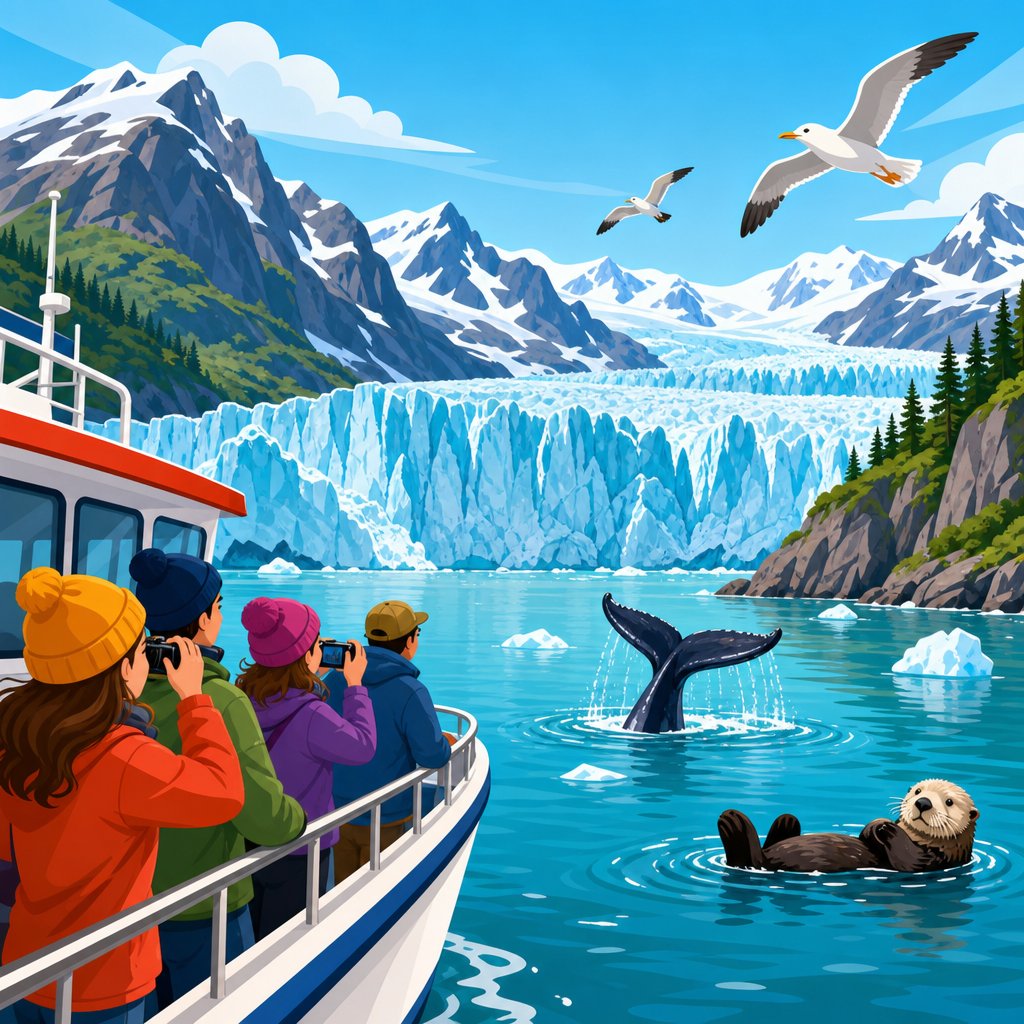
Glacier Bay National Park by boat is one of the most rewarding ways to experience Alaska because the park’s defining features—tidewater glaciers, deep fjords, remote coves, and abundant marine wildlife—are best understood from the water. Boating for adventure and wildlife watching in Glacier Bay means using vessels ranging from kayaks and skiffs to charter yachts and expedition ships to access a protected marine wilderness shaped by ice, tides, and weather. As a hub topic within boating destinations and travel, this guide explains how to explore the bay safely, what wildlife you can realistically expect to see, which routes and seasons matter most, and how to choose the right style of trip. I have planned and evaluated Alaska boat itineraries for travelers who wanted both unforgettable scenery and practical logistics, and Glacier Bay always stands apart because it combines world-class wildlife viewing with unusually strict conservation rules. Those rules are not red tape; they are the reason humpback whales still feed in productive waters, sea otters raft in kelp beds, and tidewater glaciers remain the centerpiece rather than a backdrop crowded by uncontrolled traffic.
Understanding the park starts with geography and management. Glacier Bay National Park and Preserve covers more than 3.3 million acres in southeast Alaska, and much of the visitor experience centers on the long, branching bay northwest of Gustavus. The National Park Service manages access closely, including limits on cruise ships, tour vessels, charter boats, and private vessels entering the bay. For boaters, that controlled access improves the experience by reducing congestion and protecting sensitive habitats. It also means successful trip planning depends on permits, timing, vessel capability, and realistic expectations about conditions. Visitors often ask whether Glacier Bay is primarily a scenic cruise destination or a serious adventure boating area. The answer is both. Day boats and cruise ships provide efficient access for first-time visitors, while private boats, liveaboards, and paddlers can pursue deeper exploration in places like the Beardslee Islands, Dundas Bay, and the West Arm and East Arm glacier corridors, when conditions and regulations allow. The park matters because few places offer this level of glacial scenery and wildlife density in such a large protected marine ecosystem, and fewer still do it with such strong scientific monitoring and visitor safeguards.
Why Glacier Bay is unmatched for adventure boating and wildlife watching
Glacier Bay is not just another scenic shoreline with occasional animal sightings. It is a dynamic post-glacial ecosystem where retreating ice has exposed new marine and terrestrial habitat over the last few centuries, creating a visible timeline of ecological succession. On the water, that translates into exceptional variety within a single trip. In one day, boaters may pass harbor seals hauled out on ice, watch humpback whales lunge-feeding, spot mountain goats high on cliffs, and hear the thunder of calving ice at Margerie Glacier. Few boating destinations compress so many iconic Alaskan experiences into a route that remains navigable for multiple vessel types.
The adventure element comes from the environment itself. Tides can be significant, katabatic winds can accelerate near glaciers, visibility can change quickly, and floating ice can alter safe approach distances and travel times. For experienced boaters, those variables are part of the appeal, but they require judgment. The wildlife-watching element is equally serious. Glacier Bay has documented humpback whale seasonal use, Steller sea lions near South Marble Island, tufted puffins and common murres on bird cliffs, and one of Alaska’s most reliable sea otter viewing areas. Because commercial traffic is limited and operators follow strict speed and distance rules, animal encounters often feel less pressured than in busier coastal destinations. That makes Glacier Bay ideal for travelers who want meaningful observation rather than a checklist.
Best ways to explore Glacier Bay by boat
The best boat for Glacier Bay depends on your experience, budget, and goals. Day tour vessels departing Bartlett Cove are the most accessible option for travelers who want a full park overview without handling navigation, permits, or weather decisions. These trips typically reach the upper bay glacier areas and include naturalist interpretation, which is valuable because guides help passengers distinguish species, understand glacial geology, and recognize behaviors such as bubble-net feeding or hauled-out seal distribution on ice floes.
Small-ship cruises offer a more immersive version of the same landscape. Compared with large cruise ships, they usually spend more time drifting for wildlife, entering narrower inlets where permitted, and launching skiffs or kayaks in calmer zones. Private charter yachts are ideal for custom itineraries, photography-focused trips, and travelers who want flexibility to wait on weather windows. Private recreational boats provide the greatest independence, but they also place full responsibility on the skipper for route planning, anchoring strategy, fuel range, communications, and compliance with park entry rules. Sea kayaking is the most intimate way to experience the bay, especially around Bartlett Cove and the Beardslee Islands, yet it is also the most weather-dependent and physically demanding. In my experience, many visitors overestimate their cold-water paddling margin and underestimate how quickly chop, current, and temperature can turn a scenic outing into a safety problem.
| Boat option | Best for | Main advantages | Main limitations |
|---|---|---|---|
| Day tour vessel | First-time visitors | Easy logistics, expert narration, glacier access | Fixed schedule, less privacy |
| Small-ship cruise | Multi-day wildlife travelers | More time on water, flexible viewing, onboard guides | Higher cost, cabin availability |
| Private charter yacht | Custom adventure trips | Tailored routes, photography focus, comfort | Expensive, weather still limits plans |
| Private recreational boat | Experienced independent boaters | Maximum freedom, remote access | Permits, navigation complexity, self-reliance required |
| Sea kayak | Close-range nature immersion | Quiet wildlife viewing, shoreline detail | Cold exposure, limited range, skill dependent |
Top wildlife you can see from a boat
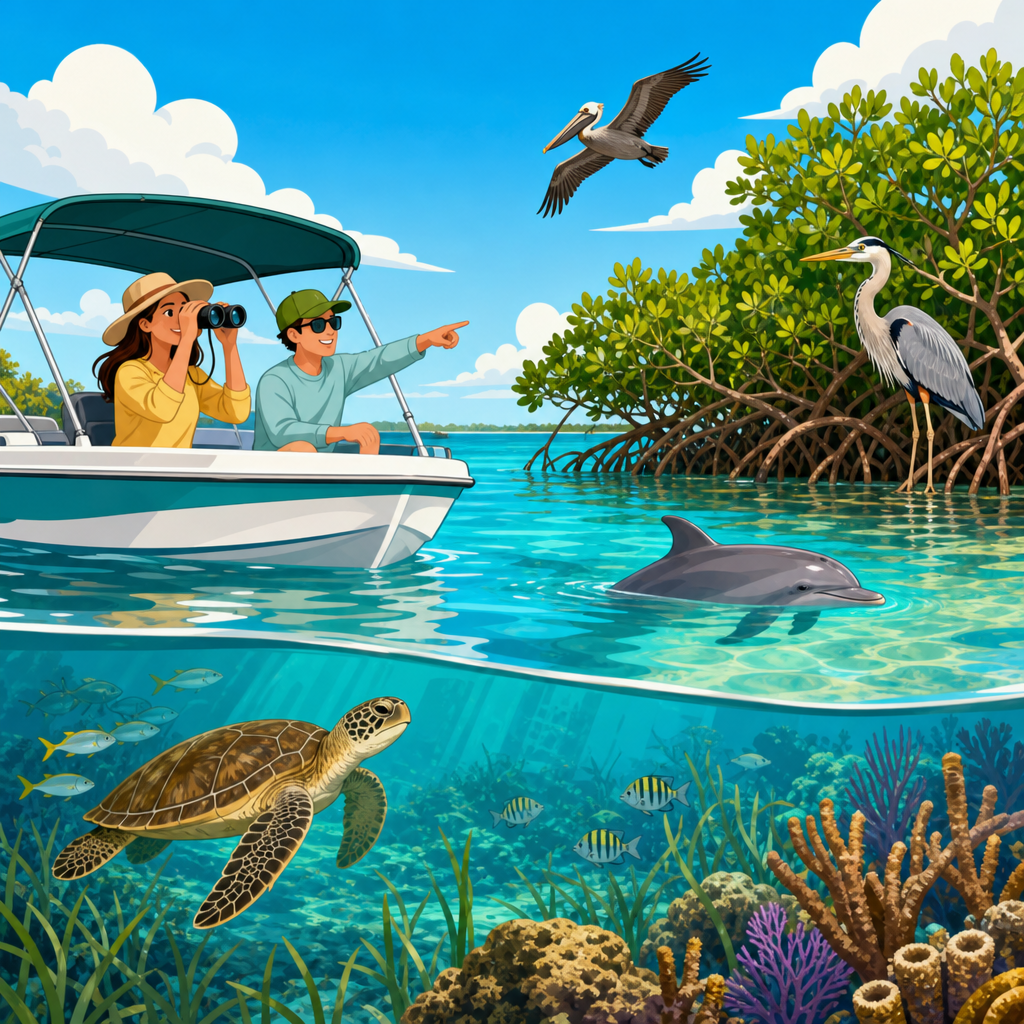
Wildlife watching in Glacier Bay is productive because marine mammals, seabirds, and shoreline species use distinct habitats that are often visible from established boating routes. Humpback whales are the signature species for many visitors, especially in summer when they feed in nutrient-rich waters. Watching a whale surface repeatedly in calm conditions teaches you how to scan properly: look for the broad back, the low bushy blow, and the pattern of direction before expecting a fluke-up dive. Orcas appear less predictably but are always a possibility. Harbor porpoises can be easy to miss because their surfacing is subtle compared with whales.
Harbor seals are common near floating ice in glacier fjords, where they rest, pup, and avoid disturbance. Park rules around seals matter because repeated vessel pressure can disrupt critical behavior. Sea otters are often seen floating in rafts, wrapped in kelp, especially in lower bay areas. On rocky haul-outs such as South Marble Island, Steller sea lions are conspicuous and noisy, and the same areas can hold black-legged kittiwakes, common murres, pigeon guillemots, and puffins. Along steep shorelines, mountain goats are frequently visible through binoculars, while brown bears may appear on beaches turning over sedge and mussel zones at low tide. The best wildlife watchers move slowly, keep optics ready, and let the bay reveal patterns rather than racing from sighting to sighting.
Where to go: key boating areas in Glacier Bay
Bartlett Cove is the operational gateway to the park and the starting point for most organized trips. It offers protected water for orientation, short paddles, and initial wildlife sightings. Just beyond, the Beardslee Islands provide intricate channels, changing tides, rich birdlife, and relatively sheltered cruising for smaller boats. This area is especially good for paddlers and skiff operators who want detailed shoreline exploration rather than a long run to the glaciers.
The main bay northbound divides into major scenic and wildlife zones. Mid-bay waters can be excellent for humpback whales and sea otters, particularly where currents and prey concentrations align. Farther north, the West Arm and East Arm deliver the classic glacier landscapes. Margerie Glacier is the best-known tidewater glacier in the park and remains one of the most visually dramatic because of its height, active calving, and broad face. Nearby Grand Pacific Glacier offers a stark contrast, showing how sediment and retreat can change the character of a glacial terminus. In the East Arm, areas near Lamplugh Glacier and the Johns Hopkins region are biologically important, but access can be restricted or limited to protect harbor seals and their pups. Dundas Bay, outside the main upper-bay glacier route, is a compelling option for boaters seeking a wilder feel, coastal scenery, and bear habitat, though exposure and conditions require careful planning.
When to go and what conditions to expect
The main boating season in Glacier Bay runs from late spring through early fall, with June, July, and August drawing the most visitors. Summer offers the longest daylight, generally better access, and the highest chance of combining glaciers with active wildlife viewing. Humpback whale activity is strong in summer, seabird colonies are busy, and weather windows are more frequent. That said, “summer” in southeast Alaska does not guarantee settled conditions. Rain, fog, and cold wind are normal, not exceptional. Temperatures can feel far lower on the water because of spray and glacier-cooled air.
May and early June often deliver crisp visibility, snow-dusted mountains, and fewer boats, which many photographers prefer. Mid-summer usually brings the richest wildlife activity but also more competition for bookings. Late August and September can be beautiful, with moodier light and fewer crowds, but storms become more likely and some services begin winding down. Ice conditions near glacier fronts shift throughout the season, so approach distances and travel speed vary. Boaters should expect tidal currents, floating bergy bits, and changing sea state in open reaches. Good clothing is not optional. Waterproof outer layers, insulation, gloves, hats, and dry storage should be standard even on larger vessels because comfort directly affects how long you can observe wildlife effectively.
Permits, safety, and responsible boating practices
Anyone planning to boat independently in Glacier Bay must start with current National Park Service regulations. Private vessel entry is limited through a permit system, and boaters may also need orientation and proof of readiness depending on trip type and season. Regulations can change, so relying on old forum posts is a mistake. Use official park resources, review notices to mariners, and confirm wildlife closures before departure. I always advise travelers to treat Glacier Bay less like a casual scenic cruise and more like a managed expedition area.
Safety begins with vessel suitability. Reliable engines, redundant communications, current charts, AIS where appropriate, radar for low visibility, and realistic fuel planning are baseline requirements for powerboats. For paddlers, immersion protection, VHF communication, tide planning, and strict group discipline are essential. Cell service is limited and should never be your primary safety layer. Equally important is responsible wildlife viewing. Maintain legal distances, reduce speed in sensitive areas, avoid cutting across animal travel paths, and never position a boat to force a response. Leave no trace principles apply on shore, but on the water the equivalent is minimizing wake, noise, and disturbance. The goal is not merely to avoid fines; it is to keep Glacier Bay wild enough that future visitors encounter animals behaving naturally.
How to plan a successful Glacier Bay boating trip
Start by deciding what success means for your group. If your priority is guaranteed glacier viewing with expert interpretation, book a day tour or small-ship itinerary early, especially for peak summer dates. If wildlife photography is the goal, favor operators known for slower viewing protocols, open deck space, and naturalist-led spotting. If you want independent adventure, secure permits first, then build route options around weather, not the other way around. In Alaska trip planning, rigid itineraries fail more often than flexible ones.
Pair Glacier Bay with nearby staging points logically. Gustavus is the park gateway for most visitors, while Juneau often serves as the broader regional air hub. Build in buffer time for weather delays, especially if connecting charters, floatplanes, or remote lodging. Pack binoculars, layered waterproof clothing, extra batteries, dry bags, and anti-fog lens care. For private boats, carry conservative reserves of food, fuel, and time. The best trips leave room to drift near a whale sighting, wait for fog to lift, or simply absorb the scale of ice and mountain walls without rushing. As the central hub for boating for adventure and wildlife watching, Glacier Bay sets the standard: choose the right vessel, respect the rules, and let the park’s rhythms shape the itinerary. Start planning with official park guidance and a realistic boating plan, and you will see why this waterway belongs on every serious Alaska boating list.
Frequently Asked Questions
Why is Glacier Bay National Park best explored by boat?
Glacier Bay National Park is fundamentally a marine landscape, which is why seeing it by boat gives visitors the most complete understanding of what makes the park so extraordinary. The defining features of Glacier Bay—towering tidewater glaciers, steep-walled fjords, secluded inlets, island channels, and remote coves—are all connected by water. From a boat, you can witness how the park’s glacial history has shaped the coastline, how ice, tides, and weather continue to influence the environment, and how marine ecosystems thrive in this cold, nutrient-rich wilderness. Unlike land-based viewpoints, boating provides access to dynamic areas where glaciers meet the sea and where wildlife activity is often most concentrated.
Traveling by boat also allows for a far more immersive experience. Visitors can move quietly through dramatic scenery, observe changing weather and light on the mountains and ice, and reach areas that would otherwise be inaccessible. Whether you are paddling a kayak near a calm shoreline, boarding a day tour vessel for glacier viewing, or exploring aboard a small expedition ship or charter yacht, the perspective from the water reveals the scale of the park in a way roads and trails simply cannot. In Glacier Bay, boating is not just transportation—it is the core of the experience.
What kinds of boats can you use to explore Glacier Bay National Park?
Glacier Bay can be explored by a range of vessels, and the right choice depends on your goals, comfort level, experience, and interest in wildlife or adventure. Kayaks are popular for travelers seeking a quiet, close-to-the-water experience along protected shorelines and in sheltered inlets. They offer intimacy and flexibility, especially for those who want to move slowly and absorb the sounds, textures, and wildlife of the bay. Small motorized skiffs and private recreational boats can also be used, though operating in Glacier Bay requires careful planning due to rapidly changing weather, cold water, strong tidal currents, and park regulations.
For visitors who prefer guided access, charter yachts, tour boats, and expedition ships are excellent options. Day tour vessels provide a structured and educational way to see glaciers and marine wildlife, often with narration from naturalists or park interpreters. Charter yachts and small expedition ships typically offer a more customized and in-depth journey, combining glacier viewing with wildlife watching and access to remote anchorages. Larger cruise and expedition-style boats can cover greater distances comfortably and are especially useful for travelers who want to experience the park’s grandeur without handling logistics themselves. Each boat type offers a different pace and level of immersion, but all share the advantage of placing visitors directly into the heart of Glacier Bay’s marine wilderness.
What wildlife can you expect to see while boating in Glacier Bay?
Wildlife watching is one of the biggest reasons people choose to explore Glacier Bay by boat, and the opportunities can be exceptional. The park is well known for marine mammals such as humpback whales, harbor seals, Steller sea lions, sea otters, and occasionally orcas. Harbor seals are often seen resting on floating ice near tidewater glaciers, while humpback whales may be spotted feeding in productive marine waters throughout the bay. Sea otters drift in kelp beds, sea lions gather on rocky haul-outs, and seabirds frequently circle overhead or rest on cliffs and shorelines. Because boats can move through multiple habitats in a single trip, visitors often encounter a wide variety of animals in a relatively short period of time.
Birdlife and shoreline mammals add even more depth to the experience. Puffins, murres, gulls, kittiwakes, cormorants, bald eagles, and other seabirds are common in different parts of the park depending on the season and habitat. On shore, attentive observers may spot brown bears foraging along beaches, mountain goats on steep slopes, or moose in certain lower-elevation areas. Wildlife sightings are never guaranteed, of course, but boating gives you the best chance to observe Glacier Bay’s rich ecological diversity because it allows access to feeding grounds, haul-out areas, and coastal corridors where animals are naturally active. Responsible viewing is essential, and maintaining distance from wildlife helps protect the animals while preserving the quality of the encounter.
What should boaters know about weather, safety, and conditions in Glacier Bay?
Glacier Bay is a spectacular place to boat, but it is also a serious marine environment where preparation matters. Conditions can change quickly, with fog, rain, wind, cold temperatures, and rough water all possible even during the main visitor season. The water is extremely cold, which increases the danger of hypothermia in the event of immersion. Tides and currents can be strong, weather windows may narrow unexpectedly, and floating ice near tidewater glaciers can create hazards for navigation. Boaters need to respect both the beauty and the unpredictability of the area, especially in more exposed channels or remote sections of the bay.
Safety starts with trip planning and appropriate equipment. Boaters should check marine forecasts, understand tide tables, carry communication and navigation tools, wear proper flotation devices, and ensure their vessel is suited to cold-water Alaska conditions. It is also important to know park rules, vessel permit requirements, camping or backcountry procedures where relevant, and wildlife viewing guidelines. Guided operators handle much of this complexity, which is one reason many visitors choose organized boat tours or expeditions. Independent boaters, meanwhile, should be comfortable with remote-area decision-making and conservative seamanship. In Glacier Bay, good judgment is every bit as important as good gear.
What is the best way to plan a boating trip in Glacier Bay National Park?
The best way to plan a boating trip in Glacier Bay depends on how independent you want the experience to be and what you most hope to see. Many visitors begin by deciding between a guided trip and a self-directed outing. If your priority is easy logistics, glacier viewing, wildlife interpretation, and a high likelihood of seeing key highlights, a guided day cruise, charter, or expedition voyage is often the most efficient choice. These trips typically maximize time on the water and benefit from experienced captains and naturalists who understand local conditions and seasonal wildlife patterns. For travelers with boating experience or paddling skills, a private or small-craft trip can provide a more adventurous and personal connection to the landscape, though it requires substantially more planning.
Timing, route expectations, and permits are also important. The primary boating season generally aligns with Alaska’s summer travel months, when access is most practical and wildlife viewing is often excellent. Even then, visitors should build flexibility into plans because weather can affect routes, departures, and visibility. Research current National Park Service regulations, vessel quotas or permit requirements where applicable, and transportation options to and from the park area before finalizing an itinerary. It is also wise to think beyond just transportation: consider how much time you want for glacier viewing, photography, wildlife watching, or simply sitting quietly in the landscape. Glacier Bay rewards slower, more intentional travel, and a well-planned boating trip gives you the best chance to appreciate both the dramatic scenery and the living marine environment that make the park so memorable.