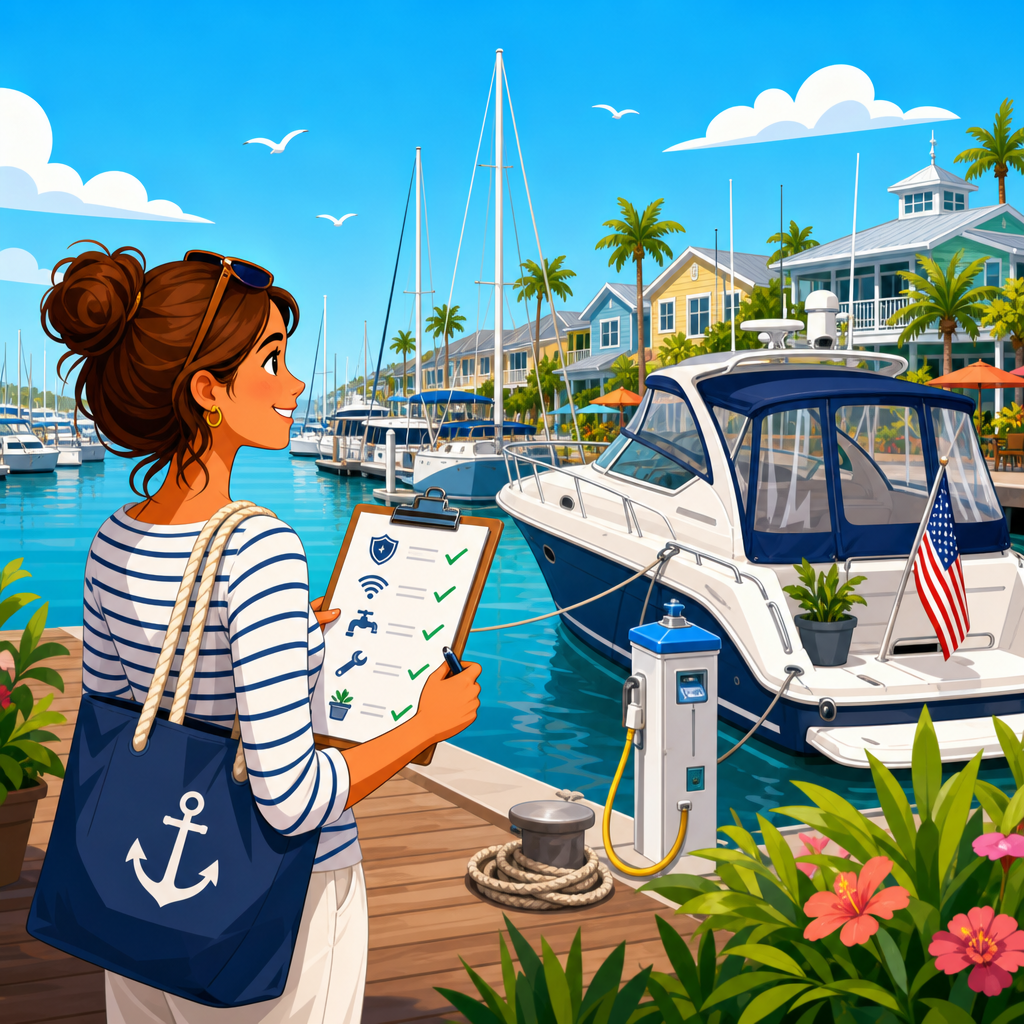
Finding the best marinas for long-term liveaboards starts with understanding that a marina is more than a place to tie up a boat. For people living aboard full time or seasonally, it functions as a neighborhood, utility provider, transportation base, and weather refuge. In practical terms, a long-term liveaboard marina is a facility that allows extended occupancy on vessels used as residences, usually with policies covering minimum stay length, utility access, pump-out service, parking, mail handling, security, and emergency procedures.
This matters because not every marina welcomes residential use, and many that do have strict limits. I have helped boat owners compare contracts, inspect docks, and move between coastal, river, and inland liveaboard communities, and the same lesson repeats everywhere: the cheapest slip is rarely the best value. A marina that looks attractive online can become expensive or stressful if shore power is unreliable, pump-out access is inconvenient, management changes rules without notice, or the surrounding area is unsafe after dark.
For anyone researching houseboat rentals and liveaboard spots, this topic sits at the center of successful floating life. The right marina affects monthly cost, comfort in winter and summer, commuting time, insurance eligibility, and even whether you can receive deliveries or register a vehicle nearby. It also shapes social life. Some marinas feel transient and tourism-driven, while others operate like stable residential enclaves with long waiting lists and strong community norms.
At a basic level, finding the best marinas for long-term liveaboards means matching five factors: legality, infrastructure, location, cost, and livability. Legality covers whether the marina and local jurisdiction permit liveaboards at all. Infrastructure includes docks, power pedestals, water lines, pump-out systems, internet, laundry, parking, and storm protection. Location is not just scenery; it includes walkability, public transit, groceries, marine services, medical care, and hurricane or flood exposure. Cost extends beyond rent to metered electricity, liveaboard fees, deposit terms, insurance requirements, and haul-out obligations. Livability covers noise, privacy, pet rules, guest policies, and whether the culture fits your style of life.
This hub article explains how to evaluate those factors systematically so you can narrow options quickly and avoid expensive mistakes. It also frames the broader houseboat rentals and liveaboard spots landscape, whether you are comparing urban marinas, protected river basins, Great Loop stopovers, or warm-weather coastal harbors. If you ask the right questions before signing a contract, you can find a marina that supports long-term living rather than merely tolerating it.
Know the rules before you compare amenities
The first filter is legal permission. Many boaters waste hours comparing nice-looking facilities that do not actually allow full-time residence. A marina may advertise monthly slips yet prohibit sleeping aboard more than a set number of nights per month. Others allow “part-time occupancy” but require the vessel to remain seaworthy and to leave the slip periodically. In some cities, zoning or harbor district rules cap the percentage of slips assigned to liveaboards, which is why waiting lists can be long even when vacant docks appear available.
Ask for the written liveaboard policy, not a verbal summary. You need to confirm occupancy limits, registration requirements, proof of insurance, pet restrictions, sanitation rules, and vessel condition standards. In regulated harbors, the marina may also require a secondary permit from a port authority or municipal agency. On the U.S. West Coast, for example, liveaboard status in some public marinas is tied to harbor permits and annual renewals. In hurricane-prone regions, contracts often include mandatory evacuation plans and proof that your boat can relocate or haul out when ordered.
Insurance and financing can shape your options too. Some underwriters treat a vessel used as a primary residence as higher risk, especially if it is older, home-built, or continuously occupied in exposed coastal areas. Marinas know this and may require specific liability limits, named-insured endorsements, or marina additional-insured language. If you are looking at houseboat rentals rather than owning a vessel, check whether the operator permits full-time occupancy, mail receipt, and marina amenity access. Many rental programs are designed for short leisure stays, not residential use.
Evaluate dock infrastructure like a resident, not a visitor
The best marina for weekend cruising can be the wrong marina for liveaboard life. Residents use systems hard every day, so small weaknesses become major problems. Start with shore power. Confirm pedestal amperage, receptacle type, breaker condition, and whether usage is included or metered. A vessel with air conditioning, electric heat, dehumidifiers, induction cooking, and battery charging can draw substantial load. Low voltage damages equipment and makes summer or winter living miserable. I always advise bringing a voltmeter and asking current residents whether brownouts happen during peak heat.
Water, sewage, and dock condition matter just as much. Potable water lines should be protected, accessible, and maintained. Pump-out service should be easy enough to use routinely; if the station is far away, frequently broken, or available only during narrow hours, holding tank management becomes a constant headache. Inspect cleats, pilings, dock float condition, lighting, gate security, and fire equipment. The National Fire Protection Association standards applied at many marinas influence extinguisher placement, electrical safety, and fuel dock operations, but maintenance quality still varies widely.
Connectivity has become a core utility. Marina Wi-Fi is often oversold in listings and underpowered in reality. Ask residents what speeds they actually get at the slip, whether access points are upgraded, and whether cellular coverage is strong enough for backup. If you work remotely, test the signal from the exact dock. Laundry, showers, restrooms, parking, package handling, trash disposal, recycling, and storage lockers are not luxuries for long-term liveaboards; they are part of the operating system of daily life.
| Evaluation factor | What to verify | Why it matters for long-term liveaboards |
|---|---|---|
| Liveaboard policy | Written permission, occupancy limits, waiting list, permits | Determines whether you can legally reside aboard without eviction risk |
| Shore power | 30A/50A service, voltage stability, metering, pedestal condition | Supports heating, cooling, charging, cooking, and equipment reliability |
| Pump-out and water | Service frequency, station distance, potable water quality | Directly affects sanitation, convenience, and compliance |
| Weather protection | Breakwaters, fetch, surge exposure, hurricane plans | Reduces risk, insurance issues, and stressful storm preparation |
| Shore access | Parking, groceries, transit, mail, medical care, walkability | Makes daily life practical without constant car dependence |
| Community and security | Lighting, gates, cameras, staff presence, resident culture | Improves safety, comfort, and long-term satisfaction |
Choose location based on daily life and climate risk
Location is where many liveaboards either thrive or burn out. Beautiful views do not compensate for a forty-minute drive to groceries, no nearby chandlery, and no protected place to wait out a blow. The best marinas for long-term liveaboards sit close to the routines that matter: supermarkets, pharmacies, marine mechanics, public transit, walkable streets, and health care. If you depend on airport access or commuting, map the route during real traffic conditions, not just by mileage.
Climate and exposure deserve the same level of analysis. A marina inside a well-protected basin can be far more comfortable than one on an open waterfront with constant wake action. On the Gulf and Atlantic coasts, hurricane plans are essential. Ask where boats go during named storms, whether haul-out slots are realistically available, and how the marina handled past events. In northern regions, check for ice management, bubbler systems, freeze protection on dockside water, and whether liveaboards remain through winter. In western drought zones, local water restrictions and wildfire smoke can affect comfort and operations more than newcomers expect.
Urban marinas offer convenience but often come with higher fees, parking restrictions, and more noise. Rural or small-town marinas can be cheaper and friendlier, yet isolated if your boat needs specialized service. River marinas may have lower storm surge exposure but stronger currents, seasonal flooding, or lock dependency. Great Loop popular stops can provide excellent facilities and social support, though transient traffic can make them feel less residential. The best choice depends on whether you prioritize cost, mobility, weather protection, or access to city services.
Calculate the true monthly cost of living aboard
Slip rent is only the starting number. Long-term liveaboard budgeting should include base moorage, liveaboard surcharge, electricity, water if metered, pump-out fees, parking, laundry, storage, insurance, maintenance reserve, haul-out schedule, bottom cleaning, internet backup, and local taxes. Some marinas quote rates by slip length, while others charge by vessel overall length, beam, or liveaboard status. A 40-foot boat with wide beam can cost materially more than expected if beam surcharges apply.
Electricity is a frequent surprise. In hot climates, constant air conditioning can add hundreds of dollars per month, especially at marinas with high utility pass-through rates. In cold climates, electric resistance heating is often expensive and may exceed shore power capacity. Diesel hydronic heat or solid-fuel options can lower costs but may trigger marina restrictions. Ask for a sample bill from a vessel similar to yours in peak summer and winter. That one document often reveals more than a polished rate sheet.
There are also hidden mobility costs. Some marinas require boats to be operational and mandate occasional movement, haul-outs, or inspections. If your boat is older, reserve funds for through-hulls, zincs, bilge pumps, sanitation hoses, and dockline replacement. I encourage clients to compare marinas using annual cost, not monthly rent alone. A marina with slightly higher moorage but included pump-out, secure parking, reliable power, and good storm protection often costs less over twelve months because it reduces emergency repairs, commuting, and utility waste.
Assess community, management, and long-term fit
Management quality is the clearest predictor of liveaboard satisfaction. A well-run marina enforces rules consistently, communicates during emergencies, maintains docks before failures become hazards, and treats residents like customers rather than inconveniences. During a visit, note whether staff answer questions directly, whether contracts are clear, and whether the facility appears maintained in the less visible areas like utility closets, trash zones, and finger piers. Sloppy back-of-house conditions usually signal bigger problems.
Talk to residents without staff present. Ask how long they have stayed, whether rates rise sharply, how theft or break-ins are handled, and whether maintenance requests get resolved. Community culture matters more than many first-time liveaboards expect. Some marinas are quiet, older, and highly residential. Others attract weekend charter traffic, late-night waterfront crowds, or a rotating seasonal population. None of those is automatically bad, but you should know what you are signing up for.
Finally, think in terms of fit, not just eligibility. Pet owners need grass access and realistic walking routes. Families need safe docks, parking, and school logistics. Remote workers need stable connectivity and low noise. Retirees may value social activities and easy medical access. People using houseboat rentals as a trial run should prioritize flexible lease terms and clear move-out conditions. The best marina for long-term liveaboards is the one that aligns policy, infrastructure, weather resilience, and everyday convenience with the way you actually live.
Choosing a long-term liveaboard marina is ultimately a due-diligence exercise, not a scenic daydream. Start with written permission to live aboard, then verify utilities, sanitation, weather protection, and shore-side convenience. Build a real budget that includes electricity, insurance, maintenance, and marina fees, and test the location against your normal routines. Most important, spend time on site and talk to current residents, because management quality and community culture shape daily life as much as dock hardware.
For anyone exploring houseboat rentals and liveaboard spots, this hub should be your starting framework. It helps you screen marinas quickly, ask better questions, and identify which subtopics deserve deeper research, from hurricane planning to winter liveaboard systems to comparing urban and inland floating-home options. A marina that supports long-term living well will save money, reduce stress, and make life aboard sustainable.
Use this checklist approach before you sign any agreement: confirm the rules, inspect the infrastructure, map the neighborhood, total the annual cost, and evaluate the people running the place. Do that carefully, and you will find a marina that feels less like temporary moorage and more like a dependable waterfront home.
Frequently Asked Questions
What makes a marina suitable for long-term liveaboards?
A marina that works well for long-term liveaboards does much more than provide a slip. It needs to support day-to-day residential living in a reliable, legal, and practical way. The best liveaboard marinas typically have clear policies that specifically allow extended occupancy, rather than tolerating it informally. That distinction matters because written liveaboard rules often cover residency limits, guest policies, parking, mail handling, utility billing, pump-out requirements, and vessel standards. If a marina cannot clearly explain its liveaboard policy, that is a sign to ask more questions before committing.
Strong infrastructure is another major factor. Long-term residents need dependable shore power, clean water, sewage pump-out access, stable docks, secure gates, laundry, restrooms, showers, and trash disposal. Internet access may also be essential for remote work, navigation, and communication. In addition, the surrounding environment matters just as much as the marina itself. A great liveaboard location usually offers nearby groceries, public transportation, medical care, marine services, and safe access during poor weather. For many people, the best marina is the one that combines legal liveaboard acceptance, practical residential amenities, strong maintenance standards, and a community atmosphere that feels sustainable for months or years rather than just a weekend stay.
How can I tell whether a marina truly allows liveaboards instead of just permitting long stays?
The most reliable way is to ask direct questions and request specifics in writing. Some marinas allow boats to stay for extended periods but do not allow the vessel to be used as a primary residence. Others may cap the number of nights a person can sleep aboard each month, even on annual contracts. A true liveaboard marina will usually be able to explain whether full-time residency is allowed, whether there is a waitlist for liveaboard status, what permits are required, and whether local municipal or harbor regulations limit occupancy. It is important to understand whether you are renting a slip only or paying for an approved liveaboard arrangement.
When evaluating a marina, ask about lease terms, proof-of-insurance requirements, vessel inspections, registration documents, sanitation rules, and whether mail delivery is allowed. Also ask if there are differences between seasonal liveaboards and year-round liveaboards. In some areas, marina operators must comply with city zoning, environmental rules, or harbor district regulations that affect who can legally live aboard. Reading the contract carefully is essential. If language about residential use is vague, do not assume it is permitted. A reputable marina will explain occupancy rights clearly, identify any extra liveaboard fees, and outline how utilities, parking, pump-out service, and common facilities are handled for residents rather than transient boaters.
Which amenities matter most when comparing marinas for full-time or seasonal living aboard?
The most important amenities are the ones that directly affect comfort, safety, and routine living. Reliable utilities are at the top of the list. Shore power capacity must match your boat’s needs, especially if you rely on air conditioning, heating, refrigeration, battery charging, or dehumidifiers. Potable water access should be convenient and consistent, and pump-out service should be easy to schedule or available on a regular basis. If these systems are unreliable, everyday life on board becomes much harder very quickly.
Beyond utilities, look closely at facilities that support actual residential use. Laundry rooms, clean showers, secure restrooms, parking, package or mail acceptance, Wi-Fi, and trash and recycling access can make a major difference over time. Security features such as gated entry, lighting, cameras, dock patrols, and controlled key access also matter because liveaboards often keep most of their possessions on board. Weather protection is another big consideration. Well-maintained docks, good breakwater protection, safe boarding in tidal conditions, and storm procedures can protect both your vessel and your quality of life. Finally, consider the off-dock amenities nearby. Access to groceries, fuel, pharmacies, public transit, marine supply stores, and repair services can be just as valuable as anything inside the marina gates.
How important is location when choosing a long-term liveaboard marina?
Location is one of the most important factors because it influences cost, convenience, storm exposure, and your overall lifestyle. A marina may look attractive on paper, but if it is far from groceries, work, transportation, and essential services, daily living can become inconvenient and expensive. Long-term liveaboards often need easy access to land-based necessities such as parking, medical appointments, hardware stores, laundry backups, and package delivery. If you commute or travel regularly, proximity to roads, airports, or public transportation can be a major advantage.
Geography also affects safety and maintenance. A marina located in a protected harbor may offer better shelter from wind, current, surge, and vessel wake than one exposed to open water. Tides, flooding, hurricane risk, winter ice, and seasonal storm patterns all matter when your boat is your home. It is also wise to consider the local boating culture and regulations. Some waterfront communities are more supportive of liveaboards than others, and that can influence everything from permit availability to long-term policy stability. The best location is usually one that balances access to daily essentials, a manageable commute, strong storm protection, and a regulatory environment that supports long-term residential boating instead of treating it as an exception.
What questions should I ask before signing a contract with a liveaboard marina?
Before signing anything, ask questions that reveal how the marina operates in real life, not just how it appears during a tour. Start with the essentials: Is liveaboard residency officially permitted, and is there a separate approval process or fee? What is included in the monthly or annual cost, and what is billed separately for electricity, water, pump-out service, parking, storage, and internet? Ask whether there is a waiting list for liveaboard status, whether your slip assignment can change, and whether there are size, draft, beam, or vessel-condition restrictions. You should also ask about insurance minimums, required surveys, emergency contact procedures, and whether the marina has rules on pets, guests, noise, and deck storage.
It is equally important to ask about maintenance, safety, and contract terms. Find out how often docks are inspected, what security measures are in place, and what happens during storms, utility outages, or local evacuations. Ask whether the marina accepts mail and packages, whether pump-out is mandatory on a schedule, and whether vehicles, bikes, or dinghies have designated storage. Review renewal terms, notice periods, refund rules, and circumstances under which the marina can terminate your agreement. If possible, talk to current residents. They can often tell you whether management is responsive, utilities are dependable, and the community is a good fit for long-term living. A thorough question list helps you avoid surprises and choose a marina that supports both your boat and your everyday life.