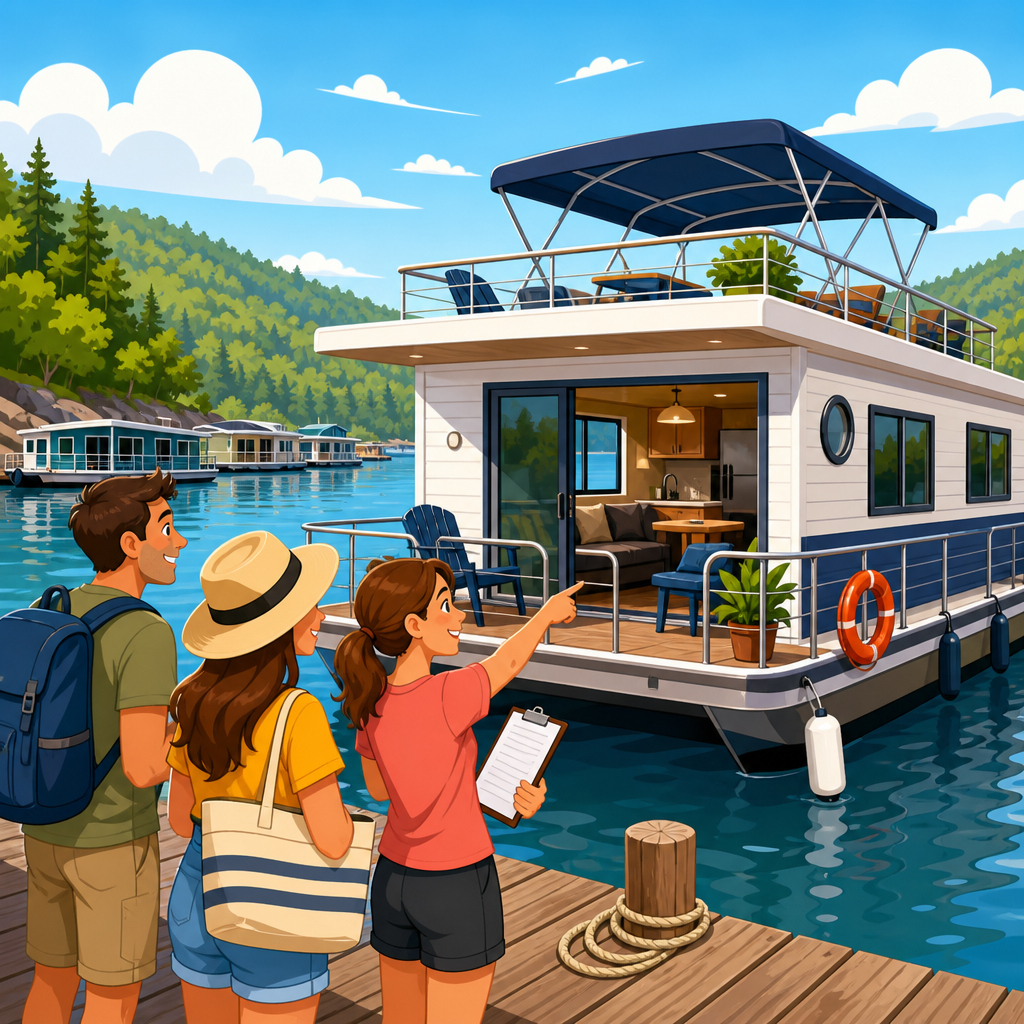
Renting a houseboat sounds simple until you start comparing licenses, marina rules, insurance terms, tank capacities, and mooring restrictions. A houseboat is a floating accommodation designed for overnight living, while a liveaboard spot is a marina slip, dock space, or anchorage where people can stay aboard for extended periods. In practice, the two topics overlap: people rent houseboats for vacations, short-term remote work, family trips, and test runs before committing to liveaboard life. I have helped travelers choose rentals in marinas, inland waterways, and coastal harbors, and the same mistakes appear repeatedly. People focus on the photos and ignore the operating limits, onboard systems, and local rules that determine whether the trip feels easy or stressful.
This matters because houseboat rentals combine hospitality, transportation, and safety regulations in one purchase. Unlike booking a hotel room, you are reserving lodging that may also move, consume fuel, require pump-outs, depend on shore power, and be restricted by weather, wake zones, or lock schedules. Costs can also be misunderstood. The nightly rate is only one line item; fuel, cleaning fees, security deposits, marina utilities, parking, provisioning, and pet charges can significantly change the real budget. If you plan to compare boating destinations and travel options well, you need a framework for evaluating the boat, the cruising area, and the liveaboard environment together.
The good news is that houseboat rentals are highly manageable when you ask the right questions before paying a deposit. The core checklist is straightforward: confirm where you can cruise, what operating experience is required, how many people the boat legally sleeps, what systems are onboard, how waste and water are handled, where overnight stays are permitted, and what happens if weather interrupts the booking. Once those basics are clear, you can match the rental to your trip style, whether you want a quiet lake holiday, a marina-based floating apartment, or a slow cruise between waterfront towns. This hub covers the essential decisions so you can narrow destinations, compare operators, and avoid expensive surprises.
Choose the Right Type of Houseboat and Cruising Style
Not all houseboats serve the same purpose. Broadly, rentals fall into three categories: stationary floating homes, slow-cruising inland houseboats, and coastal or canal-based liveaboard-style vessels. A stationary rental stays in its slip and functions like waterfront lodging. It is usually best for city breaks, romantic weekends, and travelers who want marina amenities such as showers, restaurants, and easy parking. A cruising houseboat is designed for lakes, rivers, or protected canals and includes helm controls, navigation equipment, tanks, and sometimes an upper deck. These are better for multi-stop itineraries and family trips. Coastal liveaboard boats, including some motor yachts marketed as houseboats, can offer premium comfort but often come with stricter weather limits, docking complexity, and higher operating costs.
Capacity claims require scrutiny. A listing that says sleeps eight may include a convertible dinette in the salon and low-clearance bunks suitable mainly for children. Ask for the legal maximum occupancy, the number of private sleeping cabins, and whether every berth can be used at the same time without blocking access to the galley or head. On older boats, air-conditioning may only work on shore power, which changes comfort expectations completely in hot weather. I always advise travelers to request a deck plan and recent photos of the helm, head, shower, and sleeping spaces, not just scenic exterior shots.
Your cruising style should also fit the waterway. On large lakes, daily distances are often shaped by wind exposure and fuel dock availability. On canals and rivers, lock schedules, bridge clearances, and no-wake zones control your pace. Some renters imagine long cruising days, then discover the practical rhythm is only two to four hours underway. That is not a disappointment if the trip is planned correctly. It is actually the appeal of houseboat travel: slower movement, waterside dining, swimming stops, and evenings tied up in quiet coves or marina slips.
Understand Licensing, Training, and Charter Rules
The most important pre-booking question is whether you can legally and practically operate the boat. Requirements vary by country, state, and charter company. In some destinations, no formal boating license is required for certain houseboats, but the operator must complete a dockside briefing or temporary certification. In others, proof of competency may be needed, especially on tidal waters or larger vessels. Europe is a good example of variation. Canal regions may permit novice operators after orientation, while coastal charter zones may require an ICC, RYA certification, or recognized equivalent. In the United States, state education laws can apply based on the operator’s age and the waterbody, even when the rental company itself does not demand prior experience.
Training quality matters more than many first-time renters realize. A proper handover should include engine start and shutdown, VHF basics if equipped, steering response, stopping distance, use of thrusters if installed, shore power connection, battery management, freshwater and wastewater systems, propane safety, and emergency procedures. Docking should be demonstrated in wind, not just explained verbally. Reputable operators also review route hazards, depth limits, bridge heights, lock etiquette, and where overnight mooring is allowed. If the company rushes through this briefing, treat that as a warning sign.
Read the charter agreement carefully. Look for clauses covering late returns, propeller damage, grounding, weather cancellations, and restricted cruising areas. Some operators prohibit night navigation entirely. Others geofence certain coves, lock systems, or exposed shorelines. Security deposits can be substantial, and deductibles may apply even if optional damage waivers are purchased. Ask whether assistance for mechanical issues is included and what happens if a breakdown consumes a rental day. Clear answers here often distinguish a professional fleet from a casual listing.
Budget Beyond the Nightly Rate
Travelers usually underestimate houseboat pricing because listings emphasize the headline rate rather than the operating total. The real trip cost includes mandatory and variable charges, and those vary widely by destination and season. Peak summer weekends command the highest rates, while shoulder-season bookings may be cheaper but carry more weather risk and shorter marina service hours. Before booking, request an itemized estimate that includes taxes, cleaning, fuel policy, generator use, linens, marina fees, parking, pet fees, and security deposit terms.
| Cost Item | What to Ask | Why It Matters |
|---|---|---|
| Fuel | Is fuel prepaid, metered, or billed at return? | Large houseboats can consume far more than expected on windy routes. |
| Cleaning | Is there a mandatory end-cleaning fee? | Low base rates often hide high fixed turnover charges. |
| Marina Fees | Are overnight slips included outside the home marina? | Popular waterfront towns may charge premium transient rates. |
| Utilities | Is shore power, water, or pump-out extra? | Longer stays can add recurring dockside costs. |
| Deposit/Insurance | What is the hold amount and deductible? | Cash-flow impact can be significant even when damage does not occur. |
Provisioning is another overlooked line item. A houseboat galley is useful, but storage can be limited, refrigeration may be smaller than expected, and grocery access may disappear once you leave the marina. For family trips, I recommend planning meals by storage type: refrigerated, frozen, dry, and grab-and-go. Water and ice deserve special attention. On some boats, tank water is adequate for dishes and showers but guests prefer bottled drinking water. If the route includes only one fuel dock with potable water, that operational detail should shape what you bring aboard from the start.
If you are comparing a marina-based houseboat rental with a conventional vacation rental, include hidden convenience costs too. Parking may be paid, luggage transfer may involve dock carts, and check-in windows can be tighter because orientation takes time. Still, a well-priced houseboat can deliver strong value when accommodation and local transport are combined. You are paying not just for a place to sleep, but for access to waterfront views, direct water recreation, and the ability to change scenery without repacking every day.
Check Onboard Systems, Comfort, and Safety Equipment
Every houseboat has systems that directly affect comfort and trip reliability. Before renting, confirm the age and condition of the propulsion setup, battery bank, inverter, generator, shore power connection, freshwater capacity, blackwater holding tank, and HVAC system. These are not technical trivia. They determine whether you can run air-conditioning away from the dock, how often you need pump-out service, whether morning showers are practical for a full group, and how long you can stay comfortably at anchor or on a mooring. Older boats may be charming, but they usually require more compromise.
Ask the operator for exact capacities and realistic usage guidance. For example, a freshwater tank that sounds large on paper can disappear quickly with six people taking full showers. Blackwater capacity is equally important on rentals marketed for long weekends. If pump-out stations are sparse on the route, tank limits can dictate your itinerary more than your sightseeing preferences. On liveaboard-style marina stays, verify whether bathrooms are meant for regular onboard use or whether guests are expected to rely on shore facilities for showers and toilets.
Safety equipment should be modern, complete, and easy to access. At minimum, confirm life jackets in the correct sizes, throwable flotation, fire extinguishers, carbon monoxide alarms, smoke detectors, navigation lights, anchor gear, first-aid kit, horn, and emergency contact procedures. If the boat has propane appliances, ask how leaks are monitored and where shutoff valves are located. If children are aboard, inspect rail height, gate latches, ladder security, and slip resistance on decks. I also recommend asking whether the company provides a written emergency card with the vessel name, registration details, marina contact, and local emergency numbers. In stressful moments, that card saves time.
Evaluate the Marina, Mooring Options, and Liveaboard Environment
A great houseboat in the wrong marina still produces a poor trip. For any rental that starts or stays in a marina, assess the surrounding environment as carefully as the vessel itself. Key factors include parking security, distance from groceries, dock cart availability, restroom quality, laundry access, Wi-Fi reliability, nighttime noise, and exposure to wake from passing traffic. A downtown marina can be lively and convenient, but noise from bars, tour boats, and early service traffic may surprise guests expecting a secluded retreat. By contrast, a remote marina may be peaceful yet inconvenient for provisioning and rideshare access.
If your goal is to test liveaboard life, ask whether long-stay habits are practical at that location. Some marinas welcome residential use, while others restrict overnight occupancy or limit the number of nights aboard per month. Mail service, pump-out schedules, shore power reliability, and winterization policies all matter for extended stays. In destinations with high demand, waiting lists for official liveaboard slips can be long, and unofficial arrangements can disappear quickly when marina management changes. Never assume a slip advertised as “liveaboard friendly” allows full-time residency without seeing the written policy.
Mooring rules away from the marina deserve equal attention. On lake and river houseboat vacations, overnight options may include anchoring, public docks, marina transient slips, or shoreline tie-ups where permitted. Each comes with tradeoffs. Anchoring offers privacy but requires confidence with wind shifts, depth, swing room, and generator etiquette. Public docks can put you steps from a town center, yet they may have time limits or no utilities. Shoreline beaching, common in some reservoir destinations, is convenient but can expose the boat to changing water levels and weather-driven wave action. A smart rental decision matches your comfort level with the actual overnight infrastructure on the route.
Match the Destination to Season, Weather, and Trip Goals
The best houseboat destination depends less on marketing and more on what kind of trip you actually want. Inland lakes such as Lake Powell, Lake Cumberland, and Shasta are known for space, swimming coves, and family-oriented cruising. European canals appeal to travelers who want village stops, cycling, and easy sightseeing at low speeds. Urban floating rentals in places like Amsterdam, Seattle, or London tend to function more as distinctive accommodation than active cruising charters. Each style is valid, but the planning assumptions are different. A reservoir trip prioritizes fuel range, anchoring technique, and sun protection; a canal trip prioritizes lock timing, bridge clearance, and town moorings.
Seasonality changes everything. Summer offers warm water and longer days, but also peak pricing, crowded marinas, and stronger afternoon winds in many destinations. Spring and fall can be ideal for experienced travelers because rates drop and waterways are quieter, yet cooler nights, maintenance closures, and reduced marina staffing become more likely. In hurricane-prone or flood-sensitive regions, weather policies should be reviewed line by line before booking. Ask what happens if authorities close locks, issue small-craft advisories, or restrict navigation due to wildfire, drought, or debris. Flexibility on paper matters more than optimistic assumptions from a sales page.
Finally, align the boat with the trip purpose. For a family reunion, prioritize deck space, shade, easy boarding, and a forgiving route with frequent services. For a couple’s retreat, focus on privacy, scenic moorings, and cabin comfort. For a remote-work week, verify cellular coverage, inverter capacity, quiet hours, and desk-friendly interior space. The strongest houseboat rentals and liveaboard spots are not simply popular; they are operationally suited to the way you intend to spend your days.
Renting a houseboat goes well when you treat it as both accommodation and vessel, not just a novelty stay. The essentials are clear: choose the right boat type, verify operator requirements, understand the full cost, inspect onboard systems, assess the marina and overnight options, and match the destination to season and trip goals. Those six decisions prevent most of the problems that frustrate first-time renters, from cramped sleeping arrangements to surprise fuel bills and unsuitable cruising areas.
As a hub for houseboat rentals and liveaboard spots, this topic works best when you use it to narrow your search before comparing destination-specific guides. Once you know whether you want a stationary floating stay, a slow inland cruise, or a marina-based liveaboard experience, the field becomes much easier to evaluate. You can ask better questions, compare operators on substance rather than photos, and identify which locations truly fit your budget, comfort expectations, and boating experience.
If you are planning a trip under the broader boating destinations and travel category, start by building a shortlist of waterways and marinas that match your travel style, then request full specs and policies from each operator before booking. That simple step turns houseboat planning from guesswork into a confident decision.
Frequently Asked Questions
Do I need a boating license or any prior experience before renting a houseboat?
It depends on where you plan to rent, the size and type of the houseboat, and the local rules that apply to inland waterways, lakes, rivers, or coastal areas. Some rental operators offer beginner-friendly boats and provide a hands-on orientation at check-in, while others require previous boating experience, a temporary permit, or proof that you have completed a boating safety course. In some destinations, no formal license is required for slower, inland cruising houseboats, but that does not mean the trip is risk-free or that the operator will hand over the keys with no screening. Many companies still assess whether you can safely handle steering, docking, basic navigation, line handling, and onboard systems.
Before booking, ask the rental company exactly what is required of the primary renter and whether additional operators are allowed. Confirm age minimums, identification requirements, boating certificates, insurance conditions tied to operator experience, and whether a security briefing is mandatory. It is also smart to ask what kind of training is included on departure day. A good orientation should cover throttle control, stopping distance, right-of-way basics, depth awareness, bridge clearance, speed restrictions, no-wake zones, anchoring or mooring procedures, and emergency contacts. Even if you are an experienced boater, houseboats handle differently than smaller powerboats. They are heavier, less agile, more affected by wind, and often require extra planning when turning or docking. The safest approach is to assume there is a learning curve and verify all licensing and experience expectations well before arrival.
What marina rules, mooring restrictions, and liveaboard policies should I check before renting?
This is one of the most overlooked parts of renting a houseboat, especially for travelers who assume they can tie up anywhere overnight. A houseboat rental gives you access to the vessel, but it does not automatically give you unrestricted overnight rights at every dock, marina, or shoreline. Some rentals are intended to stay within a defined cruising area. Others can move more freely but still must follow local mooring rules, quiet hours, protected habitat restrictions, and marina-specific operating policies. If you are planning to stay aboard for several nights, work remotely from the boat, or use the trip as a trial run for future liveaboard life, you need to understand where overnight occupancy is actually allowed.
Ask whether the boat must return to a home marina each night, whether transient marina reservations are needed in advance, and whether overnight anchoring is permitted along your route. Clarify if there are restrictions on beaching, tying to public docks, using private moorings, or staying in certain anchorages beyond a set number of nights. If you are thinking in liveaboard terms, remember that a liveaboard spot is not the same thing as a houseboat rental. A liveaboard space is a marina slip, dock space, or anchorage where staying aboard long term is permitted under specific rules. Many marinas allow overnight guests but do not allow extended residential use. Others limit pump-out schedules, generator hours, pet access, parking, mail delivery, laundry use, and waste disposal. Knowing the difference between a short-term rental stay and a true liveaboard arrangement can save you from booking the wrong experience or violating marina policy without realizing it.
What does houseboat rental insurance usually cover, and what am I still responsible for?
Insurance terms can vary widely, and this is an area where renters should read beyond the advertised daily rate. Most houseboat rental agreements include some form of baseline coverage, but that does not always mean you are fully protected from out-of-pocket costs. You may still be responsible for a substantial security deposit, a damage deductible, exclusions for negligent operation, or losses caused by violating route restrictions or operating under unsafe conditions. Some policies cover accidental damage to the boat, while others focus more on liability for injury or damage to third parties. Personal belongings, watersports equipment, trip interruption, and towing assistance may be covered separately, limited, or excluded entirely.
Ask for a clear breakdown of what is included and what triggers additional charges. Important questions include whether hull damage is covered, whether propeller or underwater damage is excluded, whether weather-related incidents are handled differently, and whether grounding, dock collisions, or interior damage from misuse fall back on the renter. Also confirm whether all operators are covered, whether alcohol-related incidents void coverage, and whether you must follow a specific route, check-in procedure, or storm protocol to remain insured. If you plan to bring expensive electronics for remote work or a longer stay, check whether your personal travel insurance or homeowners policy extends to property on a rented vessel. The most important takeaway is simple: do not assume “insured” means “nothing can come back to me.” The contract, deposit terms, exclusions, and your own conduct on the water all matter.
How important are tank capacities, power systems, and onboard utilities when renting a houseboat?
They are extremely important, especially if you will be aboard for more than a night or two. Houseboats function like small floating homes, but their systems are limited by tank size, battery capacity, fuel use, and access to shore services. Fresh water tanks determine how long you can shower, wash dishes, and use sinks comfortably. Waste holding tanks limit how long you can stay out before needing a pump-out. Fuel capacity affects both propulsion and, on some boats, generators or heating systems. Battery banks and shore power access influence whether you can run lights, refrigeration, outlets, internet gear, and climate control without interruption.
This matters even more if you are renting for a family trip, remote work stay, or a test run before considering liveaboard life. Ask how many gallons of fresh water and waste capacity the boat has, how quickly those tanks typically fill or empty with your group size, and where refills and pump-outs are available along the route. Find out whether the boat has shore power only at the dock, an inverter for outlets underway, a generator with quiet hours, solar support, air conditioning, heating, and reliable refrigeration. If you need internet for work, ask whether the vessel has onboard Wi-Fi or whether you will depend on marina signals and cellular hotspots. It is also wise to ask for realistic expectations rather than best-case marketing language. A boat described as sleeping eight may physically fit eight people, but tank capacities, hot water duration, bathroom comfort, and storage space may feel far better with fewer guests. Utility limitations are not dealbreakers, but they should absolutely shape your planning.
What practical factors should I compare before choosing one houseboat rental over another?
Look beyond price and photos. The best rental choice is usually the one that matches your route, comfort expectations, crew size, and confidence level on the water. Start with the cruising environment. A calm inland lake vacation differs dramatically from a river route with locks, current, bridge clearance issues, or changing water levels. Then compare the boat itself: size, sleeping layout, number of bathrooms, galley equipment, outdoor deck space, heating or air conditioning, and how easy the vessel is for beginners to handle. If traveling with children, older adults, or pets, pay attention to ladder steepness, railings, life jacket policies, swim platform design, and overall stability and accessibility.
Also compare what is included operationally. Some rentals bundle orientation, linens, cookware, cleaning supplies, basic safety gear, and final cleaning, while others charge separately for nearly everything. Review fuel policies, pump-out responsibilities, pet fees, parking, marina amenities, check-in times, weather cancellation terms, and whether support is available if something stops working during the trip. Read reviews with an eye for specifics rather than star ratings alone. Comments about difficult docking, poor maintenance, weak communication, hidden fees, or unrealistic training are more useful than generic praise. Finally, make sure the rental matches your actual goal. If you want a relaxed vacation, prioritize comfort, easy navigation, and convenient overnight stops. If you want to explore whether living aboard could suit you, focus more closely on storage, utility management, marina access, and what daily life feels like in a compact floating space. The right houseboat is not just the nicest-looking one; it is the one whose rules, systems, and cruising style fit the experience you actually want.